



Warning: Thailand Destination Visa (DTV) Holders Are About to Face Taxation – Here's What You Must Know!

What It Means to Be a Thai Tax Resident
Key Aspects of the New Tax Rules
Foreign Income Taxable Upon Remittance: Foreign income remitted into Thailand by a tax resident is now subject to personal income tax in the year it is brought into the country, irrespective of when the income was earned. Exemption for Pre-2024 Income: Foreign income earned before January 1, 2024, and remitted to Thailand after December 31, 2023, is exempt from taxation under the new rule. Double Taxation Agreements (DTAs): Thailand has DTAs with over 60 countries, which may mitigate double taxation by allowing foreign taxes paid to be credited against Thai tax liabilities.
Disadvantages of Becoming Taxable in Thailand
1. Increased Tax Liability
Foreign income brought into Thailand becomes taxable: This could mean a higher overall tax burden, especially if the tax rates in Thailand are less favorable compared to the individual's home country. No automatic exemption for income already taxed abroad: Even if income has been taxed in another jurisdiction, DTV holders may still owe taxes in Thailand unless the relevant DTA provides relief.
2. Complex Tax Compliance
Language barriers: Tax documents and regulations are often in Thai. Professional costs: Hiring accountants or tax consultants becomes essential for accurate compliance. Administrative burden: Filing tax returns and maintaining records of income remitted to Thailand requires meticulous effort.
3. Potential for Double Taxation
The DTA between Thailand and the individual's home country is unclear or does not fully prevent double taxation. Foreign tax credits are limited or unavailable.
4. Financial Uncertainty
Unpredictable tax liabilities: Currency fluctuations and varying remittance amounts can complicate tax calculations. Penalties for non-compliance: Failure to declare taxable foreign income can result in fines or legal repercussions.
5. Reduced Savings and Investments
Erode savings: Higher taxes mean less disposable income. Impact investment plans: Funds that could be allocated for personal or professional growth may be redirected to meet tax obligations.
Myth
I hold a DTV and get paid into a foreign account, so Thailand can't tax me at all.
Fact

Issues DTV Holders Should Raise Attention To
1. Clarity on Tax Rules
Seek clear, detailed guidelines from Thai tax authorities. Advocate for multilingual resources to simplify understanding of tax obligations.
2. Negotiations on DTAs
Push for improved double taxation agreements that provide robust relief mechanisms. Ensure that foreign tax credits can be easily claimed.
3. Thresholds for Taxation
Propose exemptions or reduced tax rates for income under specific thresholds to encourage long-term residency.
4. Digital Tools for Compliance
Recommend the development of user-friendly tax compliance tools, such as online portals and mobile applications, to simplify tax filing.
5. Advocacy for Transparent Processes
Request regular updates and communication from Thai authorities about changes in tax policies. Highlight the need for clear timelines and procedures for filing and remittance.
Steps to Mitigate the Impact
1. Plan Remittances Strategically
Limit the amount of foreign income remitted to Thailand to only what is necessary for daily living expenses. Time remittances carefully to avoid higher tax liabilities.
2. Leverage DTAs
Identify applicable DTAs and understand how they can reduce tax obligations. Consult with tax professionals to maximize foreign tax credits.
3. Engage Professional Help
Hire local accountants familiar with Thailand's tax system. Seek advice from international tax consultants for cross-border income planning.
4. Maintain Detailed Records
Keep comprehensive documentation of foreign income, taxes paid abroad, and remittances to Thailand. Ensure records are readily available for audits or disputes.
5. Explore Residency Options
Consider alternative visa options that may offer more favorable tax treatment. Evaluate the feasibility of maintaining non-resident tax status.

A Call for Policy Improvements
Tax Incentives: Introduce tax holidays or reduced rates for foreign income. Simplified Tax Regimes: Implement flat tax rates for DTV holders to streamline compliance. Enhanced Communication: Provide clear, consistent information about tax obligations and changes.
Frequently Asked Questions
Does holding a DTV automatically make me a Thai taxpayer?
What is the 180-day rule?
Is income I earned before 2024 affected?
Can a Double Taxation Agreement help me?
Should I get professional tax advice?
Conclusion

Ready to get your 5-Year DTV?
Configure your package with live pricing — apply from $139, with a 100% refund if denied (with Denial Protection).
Comments
Be the first to leave a comment.
Related articles
 DTV Visa Consulting
Why Choosing DTVThaiVisa.com for Your Thailand Destination Visa (DTV) agency is a smart decision
Applying for a Thailand Destination Visa (DTV) can be a complex and challenging process, with many potential pitfalls along the way. Whether you’re a remote worker, digital nomad, entrepreneur, or someone wanting to imm…
 DTV Visa Consulting
Thailand Destination Visa (DTV): The Ultimate Guide for Remote Workers, Digital Nomads, and Culture Enthusiasts
The Thailand Destination Visa (DTV) is a unique long-term visa designed for remote workers, digital nomads, and individuals interested in experiencing Thailand’s rich cultural heritage through activities like Muay Thai…
 DTV Visa Consulting
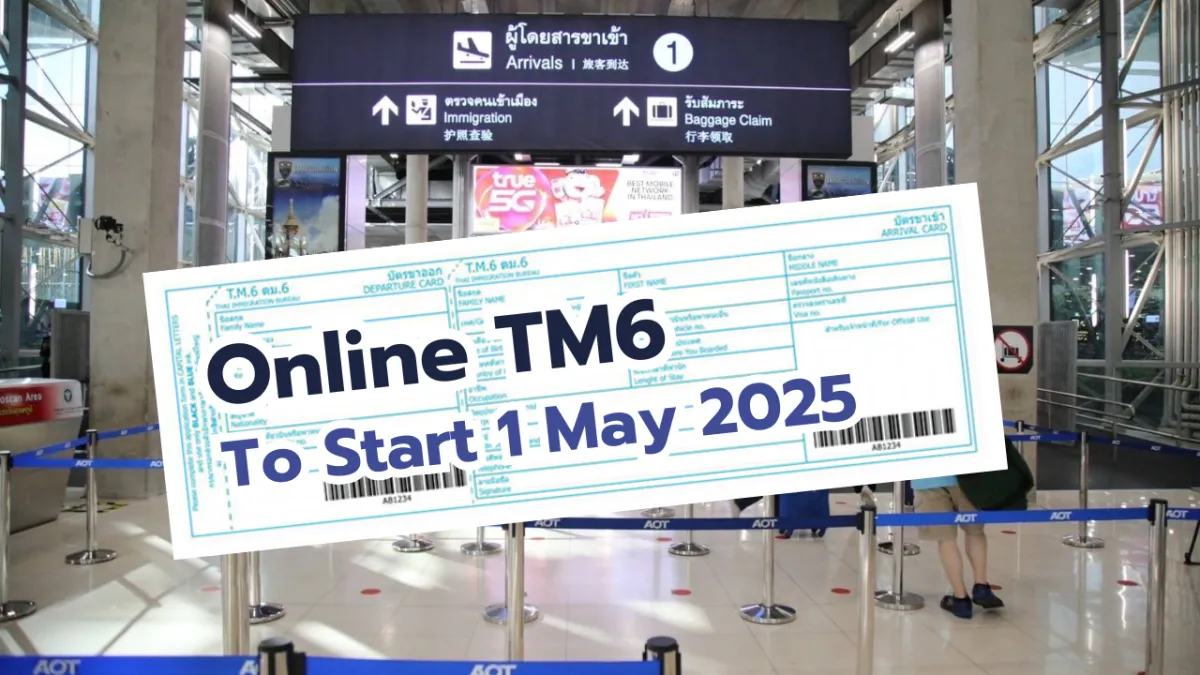
Online TM6 form for visitors to Thailand coming on May 1
Synopsis The Ministry of Tourism and Sports held a meeting on a development of online TM6 Immigration Form or Thailand Digital Arrival Card (TDAC) which is one of the tourism promotion of Thailand by facilitating proces…