Skip to content
Immigration

Thailand Visa-Free 30 Days 2026: 60-Day Exemption Cut Approved
DTV DTVThaiVisa June 4, 2026 10 min read
International arrivals hall at a busy Thai airport with travelers queuing at immigration passport control desks under bright modern lighting

Thailand is preparing to shrink its generous visa-free welcome. On Tuesday 19 May 2026 , the Thai Cabinet approved ending the 60-day visa-exemption scheme that had been in place since 15 July 2024, replacing it with a tiered system in which most nationalities — including the US, UK, Australia, Japan, Germany and France — will receive a 30-day visa exemption instead of 60. This is one of the most significant changes to Thailand's tourist-entry rules in years, and the keyword on everyone's lips is clear: Thailand visa free 30 days 2026 . But before you change any travel plans, there is a crucial detail you must understand — as of the publication of this article, the change is not yet legally in force , and the 60-day stamp still applies at the border. Below we explain exactly what was approved, who is affected, when it might take effect, and why a stable long-stay option like the Destination Thailand Visa (DTV) sidesteps the whole issue.

What the Cabinet Approved on 19 May 2026

On Tuesday 19 May 2026 , Thailand's Cabinet approved a proposal to end the 60-day visa-exemption scheme and revert to a tiered visa-free system. The 60-day exemption had been in place since 15 July 2024 , when Thailand extended visa-free entry to 60 days for a wide list of nationalities as part of a drive to boost tourism. According to official Thai government announcements reported through the Tourism Authority of Thailand and Thai news outlets, that window is now set to close — though, as we stress throughout this article, the change has not yet taken legal effect.

One detail worth flagging for accuracy: while the Cabinet decision is widely reported as having taken place on 19 May 2026, at least one outlet cites the date as 21 May. The substance of the decision — reverting from a flat 60-day exemption to a tiered system topped by a 30-day allowance — is consistent across reports.

The New Tiered System Explained

The approved scheme replaces the single flat 60-day exemption with three tiers. The headline tier is a 30-day visa exemption for 54 countries and territories — the large majority of the list, including the United States, United Kingdom, Australia, Japan, Germany and France. A much smaller second tier grants a 15-day exemption to just three places: Seychelles, Maldives and Mauritius . Separately, the Visa on Arrival (VOA) programme is being sharply reduced, from 31 countries down to just four .

There is one piece of relief built into the 30-day tier. The 30-day visa exemption can be extended once by a further 30 days , for a fee of 1,900 THB , at an immigration office inside Thailand. So a visitor on the 30-day exemption can, with one extension, reach a maximum of 60 days of visa-free presence — but that requires an in-person extension rather than the automatic 60 days travellers currently receive on arrival.

Current rule vs the approved (not-yet-in-force) tiers

ItemNow (still in force)Approved change (pending Gazette)
Standard visa exemption 60 days on arrival 30 days for 54 countries/territories
Reduced exemption tier n/a 15 days for Seychelles, Maldives, Mauritius
Extension Possible at immigration +30 days once, 1,900 THB
Maximum visa-free presence Up to 90 days Up to 60 days
Visa on Arrival eligibility 31 countries 4 countries
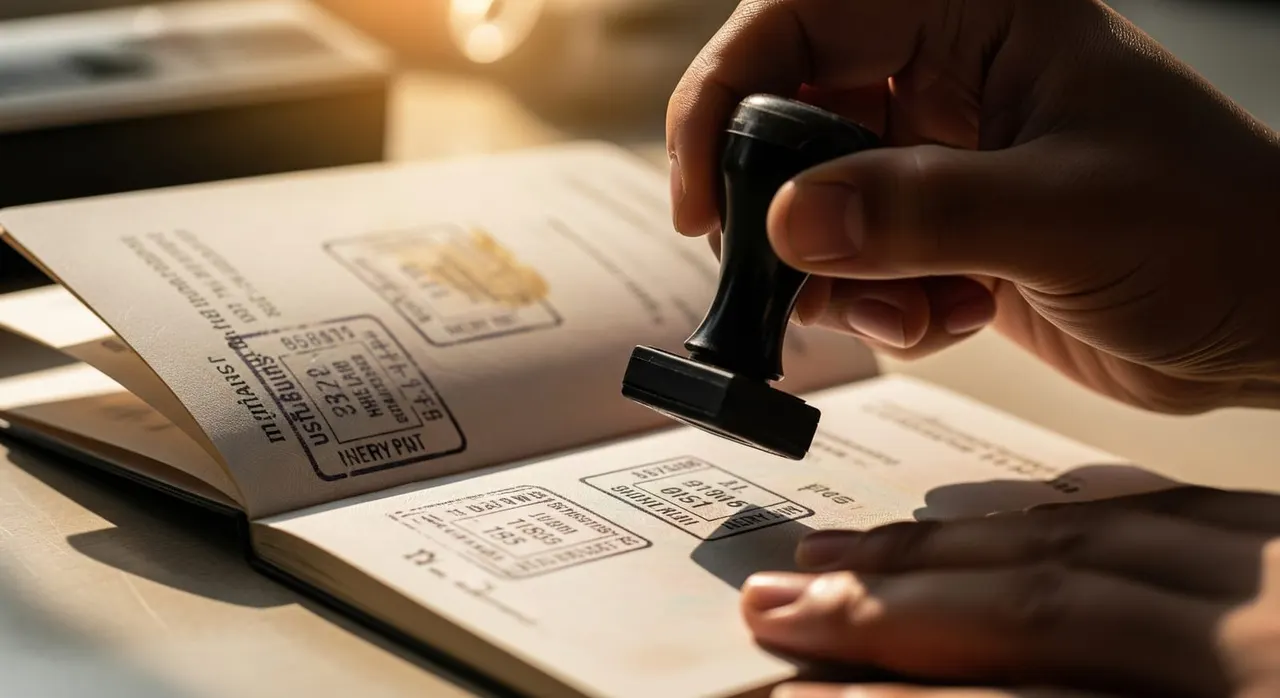
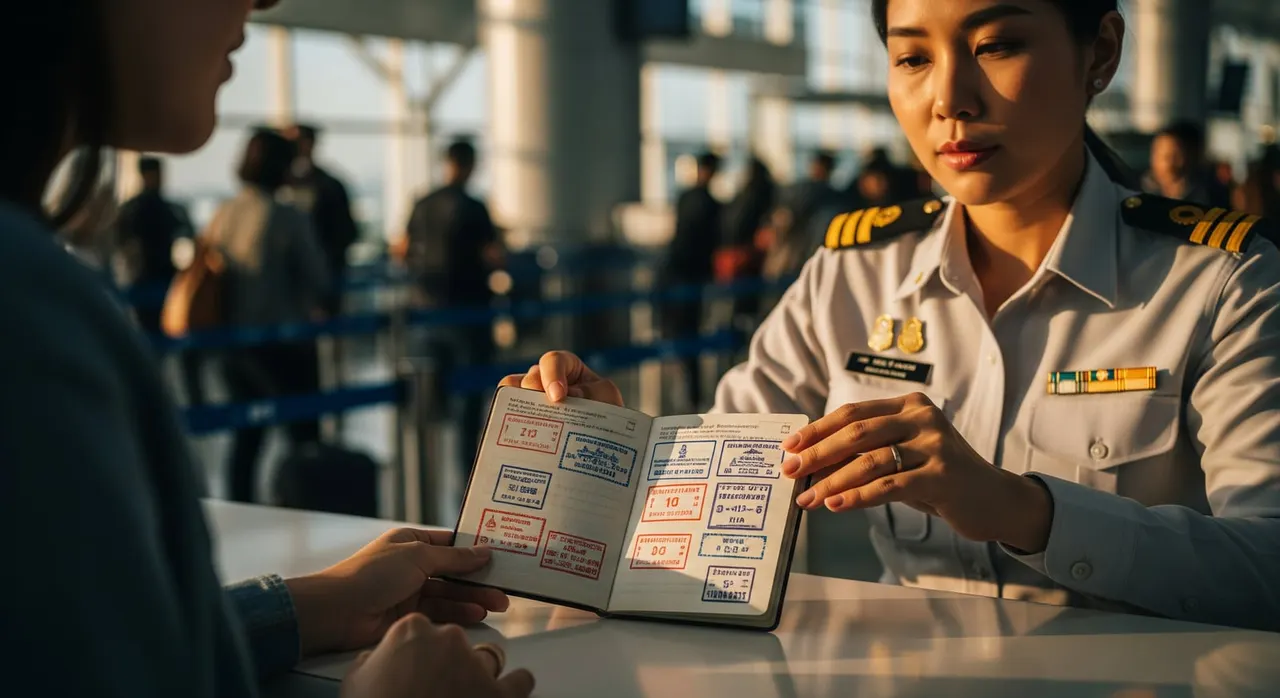
Close-up of a passport open at an immigration desk with a Thai entry stamp being applied by an officer's hand under warm light

Important: This Is Not Yet in Force

This is the single most important point for travellers to grasp. Cabinet approval is a decision to proceed — it is not the moment the law changes. The new tiers take legal effect only 15 days after publication in the Royal Gazette , implemented through Ministry of Interior notifications. As of early June 2026, no Royal Gazette date had been announced , which means the effective date is currently unknown.

In practical terms: right now, the 60-day visa exemption still applies at the border . A traveller from a 60-day-eligible country who lands in Thailand today still receives the 60-day stamp. We are deliberately not stating an effective date here because none has been confirmed — anyone telling you the 30-day rule is already in effect is, as of this writing, mistaken.

What It Means for Your Maximum Stay

Under the current rule, a visa-exempt visitor can stay 60 days and then extend, pushing the maximum visa-free presence up toward 90 days. Under the approved change, the maths shifts down a tier: a 30-day exemption plus a single 30-day extension means the maximum visa-free presence falls from up to 90 days to up to 60 days . For tourists on a two- or three-week holiday, this makes little practical difference. For digital nomads, remote workers, snowbirds and long-stay visitors who have grown used to stitching together long visa-free spells, it is a meaningful reduction.

It also adds friction. The current 60 days arrive automatically at the border with no paperwork. Reaching 60 days under the new system would require visiting an immigration office in person, paying 1,900 THB and processing an extension — a step many travellers would rather avoid. For anyone whose lifestyle depends on extended, repeated stays in Thailand, this is exactly the kind of moving target that makes a proper long-stay visa look far more attractive.

Why Thailand Is Making the Change

Officials have cited several reasons for tightening the visa-free window. The chief concern is that the generous 60-day exemption was being exploited for purposes it was never intended to cover — including illegal work, nominee business arrangements, scam-operation activity and overstays. The longer visa-free window, authorities argue, gave bad actors more room to establish themselves before any scrutiny applied.

A second factor cited is reciprocity — aligning the access Thailand grants to visitors with the access Thai nationals receive in return. The move is part of a broader pattern across the region in which governments are re-examining open-ended tourist entries and pushing visitors with longer-term intentions toward formal, documented visa categories rather than rolling visa-free stays.

Modern Bangkok skyline at dusk with illuminated skyscrapers and the Chao Phraya river reflecting city lights

Who Is Affected and Who Is Not

The 30-day tier covers 54 countries and territories — the large majority of nationalities that currently enjoy visa-free entry, including major Western and Asian source markets. A separate 15-day tier applies to only three: Seychelles, Maldives and Mauritius . Meanwhile, the Visa on Arrival list shrinks dramatically from 31 countries to just four, a change we cover in detail in our companion piece on the India Visa on Arrival switch .

One honest caveat on accuracy: reporting indicates the 30-day list comprises 54 countries, narrowed from a previous count, but exactly which nationalities were dropped in that adjustment has not been clearly confirmed. We will update this article once the official Ministry of Interior notifications are published in the Royal Gazette. For travellers from frequently affected markets, it is also worth reading about the related tightening on visa-run entry limits and proof-of-funds enforcement , both of which interact with these exemption changes.

Quick reference on who is affected

  • 54 countries/territories — drop from 60 to 30 days (extendable once by +30 days for 1,900 THB).
  • Seychelles, Maldives, Mauritius — 15-day exemption.
  • Visa on Arrival nationalities — list cut from 31 countries to just 4.
  • Anyone already in Thailand or entering before the effective date — keeps their existing permitted stay.
  • Long-stay visa holders (such as DTV holders) — unaffected by visa-free changes entirely.

The DTV: The Stable Long-Stay Alternative

Every time a visa-free window shrinks, it underlines the same lesson: building your life around exemptions and extensions means living at the mercy of policy that can change with a single Cabinet meeting. The Destination Thailand Visa (DTV) is the stable answer. Critically, the DTV is completely unaffected by the 60-to-30-day change — it is a separate, long-stay visa category that does not rely on visa exemption at all.

The DTV is a 5-year, multiple-entry visa that allows up to 180 days per entry , which can be extended by a further 180 days. Instead of a 30-day stamp and a trip to immigration, you get a stable, documented status that lasts for years. It is designed for remote workers, freelancers and digital nomads — exactly the people most affected by shrinking visa-free windows.

The DTV is applied for online through the official Thai e-Visa portal, and our team prepares and submits the application on your behalf, so you are not navigating government forms alone. If you want to compare the DTV against tourist exemptions and other options, our DTV overview walks through everything, and the eligibility checker tells you in minutes whether you qualify. You can also see country-specific entry guidance on our country pages .

A relaxed remote worker with a laptop on a balcony overlooking palm trees and a tropical Thai coastline at golden hour

What You Should Do Right Now

Your action plan while the rule is in flux

  1. Confirm the current rule for your nationality before you book — as of now the 60-day exemption still applies at the border.
  2. Re-check close to departure, because the Royal Gazette effective date could be announced at any time and would take effect 15 days later.
  3. If you are already in Thailand or enter before the change, note that you may complete your existing permitted stay.
  4. If you plan repeated or extended stays, stop relying on visa-free windows and look at a proper long-stay visa instead.
  5. Run a quick DTV eligibility check to see whether the 5-year visa removes this uncertainty for you for good.

Frequently Asked Questions

Is Thailand's visa-free stay now 30 days?

Not yet. The Cabinet approved cutting the exemption from 60 to 30 days for most countries on 19 May 2026, but it is not legally in force. It takes effect 15 days after publication in the Royal Gazette, and as of early June 2026 no Gazette date has been announced — so the 60-day stamp still applies at the border right now.

When does the Thailand visa free 30 days 2026 rule take effect?

The effective date is currently unknown. The change becomes law 15 days after it is published in the Royal Gazette through Ministry of Interior notifications, and no publication date had been confirmed as of early June 2026. We recommend checking the latest official guidance close to your travel date.

Can I still extend the 30-day exemption?

Yes — under the approved scheme, the 30-day visa exemption can be extended once by a further 30 days for a fee of 1,900 THB at an immigration office. With that extension, the maximum visa-free presence is up to 60 days, down from up to 90 days under the current rule.

Which countries get only 15 days?

Under the approved tiers, only three are placed in the 15-day exemption tier: Seychelles, Maldives and Mauritius. The large majority — 54 countries and territories, including the US, UK, Australia, Japan, Germany and France — fall into the 30-day tier.

If I'm already in Thailand, will my stay be cut short?

No. Travellers already in Thailand, or who enter before the new rule's effective date, may complete their existing permitted stay. The change is expected to apply to entries on or after the effective date, not retroactively to people already in the country.

Does this affect the Destination Thailand Visa (DTV)?
No. The DTV is a separate long-stay category and is completely unaffected by the visa-free changes. It offers 5 years of validity, multiple entry and up to 180 days per entry (extendable by a further 180 days) — a stable alternative to shrinking visa-free windows. Our service starts from $139, with a 100% refund if denied — only with the optional paid Denial Protection add-on.

Stop chasing shrinking visa-free windows

Secure the 5-year Destination Thailand Visa — multiple entry, up to 180 days per entry, applied for online with our team handling the paperwork. From $139, with a 100% refund if denied (only with the optional paid Denial Protection add-on).

Check your DTV eligibility
Tags:#thailand-visa-free-30-days#visa-exemption#thailand-immigration-2026#visa-on-arrival#destination-thailand-visa#thailand-tourist-visa#long-stay-visa

Comments

Be the first to leave a comment.