Thailand's education visa has long been one of the most accessible long-stay routes into the Kingdom — and that accessibility has, over the years, attracted a share of misuse. In 2025, the Thai government is drawing a firmer line. The Ministry of Higher Education, Science, Research and Innovation (MHESI), working hand in hand with the Immigration Bureau, has rolled out five new regulations designed to stamp out the abuse of student visas, with a particular focus on non-degree programs aimed at international students. This guide breaks down exactly what is changing, why it matters, and what genuine students and schools should do to stay on the right side of the rules.
Thailand is taking stronger steps to protect the integrity of its education visa system. At a joint meeting on April 30, 2025, Pol Lt Gen Panumas Boonyaluck , Commissioner of the Immigration Bureau, and MHESI Minister Supamas Isarabhakdi , along with other senior officials, unveiled a package of key measures. The shared goal is to improve transparency, accountability, and monitoring across education institutions throughout Thailand.
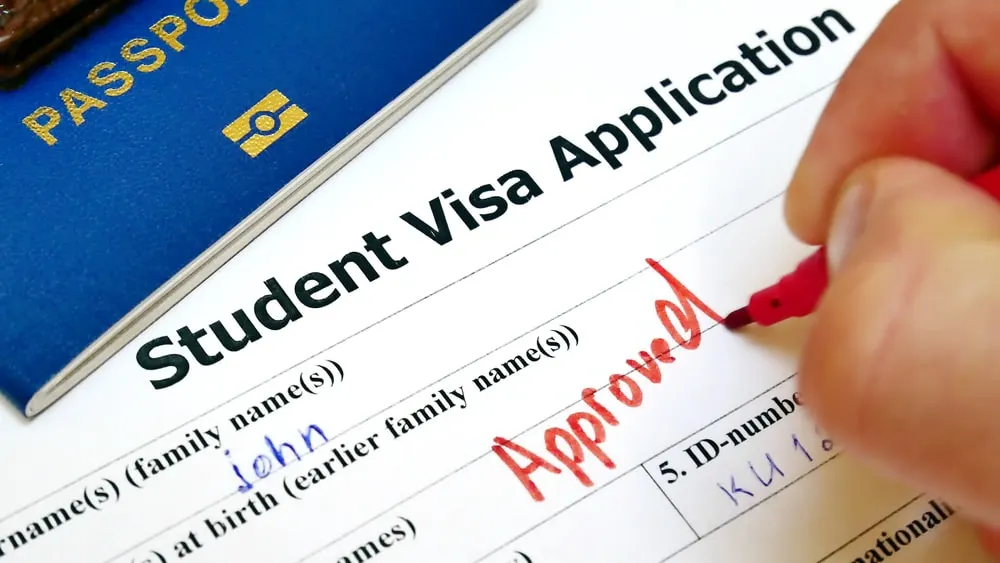
The concern is straightforward. The education visa (commonly called the ED visa or Non-ED visa) is intended for people genuinely enrolled in a recognized course of study. Over time, however, a minority of applicants and institutions have treated certain low-intensity, non-degree programs less as education and more as a convenient way to obtain long-term stay. According to the Bangkok Post , this misuse has been significant enough to draw the attention of both immigration authorities and the tourism industry.
Here is a clear breakdown of the five new rules announced by MHESI and the Immigration Bureau.
All educational institutions must now provide detailed information about every program they offer. This transparency requirement makes it far harder for thinly disguised “phantom” courses to slip through. Each program disclosure must include:
The aim is simple: every program a school sponsors for visa purposes should be fully transparent and properly structured, with a real curriculum and a real classroom commitment behind it.
Schools and colleges must actively monitor student attendance and participation. New guidelines will support institutions in supervising and verifying that students are genuinely engaged in their studies — not simply holding a visa while doing something else entirely.
Every institution is now required to submit monthly reports on student status. This includes enrollments, terminations, and any changes. The reports will be submitted electronically, allowing immigration officers to act quickly if a student fails to meet program requirements.
Institutions that fail to follow these new rules risk having their programs revoked. Persistent non-compliance could also affect their ability to offer new education programs in the future — a serious consequence for any school that depends on international enrollment.
If the Immigration Bureau finds suspicious data or irregularities, it will share that information with MHESI. Both agencies will then coordinate to investigate and take appropriate action — closing the gap that previously allowed problems to fall between two separate bureaucracies.
These changes aim to protect genuine international students and uphold the quality of Thailand's education system. At the same time, they are designed to prevent abuse by individuals or institutions seeking to exploit the visa process.
By reinforcing program quality and enforcing regular monitoring, Thailand hopes to create a more secure and trustworthy environment for international education. For legitimate students, this is largely good news: a cleaner system means a better-regarded credential and fewer surprises at immigration. The full context behind the reforms is set out in the Bangkok Post report on student visa misuse .
For many people who reached for an ED visa, the underlying aim was simply to spend extended time in Thailand legally. If that describes you, the Destination Thailand Visa (DTV) is well worth a look. It is a long-stay visa built for remote workers, freelancers, digital nomads, and those pursuing soft-power activities such as Thai cooking, Muay Thai, or wellness — and it does not depend on enrolling in a sponsored study program or being monitored for class attendance.
At DTVThaiVisa.com we can help you secure a 5-year Destination Thailand Visa instead of an education visa. The application process, fees, and processing time are broadly similar to the ED route — but the DTV is designed from the ground up for long stays, without the new study-compliance obligations.






 Immigration
 Immigration
 Immigration