



Thailand Destination Visa (DTV): The Ultimate Guide for Remote Workers, Digital Nomads, and Culture Enthusiasts

What is the Thailand Destination Visa (DTV)?
Who is Eligible for the Thailand Destination Visa?
General Eligibility Criteria
Age : Applicants must be at least 20 years old. Financial Stability : You must show that you have at least 500,000 Thai Baht (about $15,000 USD) in your bank account. This balance can be from a personal or family account. Remote Work : If you are a digital nomad or freelancer, you will need to provide proof of employment or a portfolio showcasing your remote work activities. Health Insurance : While health insurance is not explicitly required, it’s recommended to have comprehensive health coverage during your stay.
Cultural Activity Eligibility
Muay Thai Training : If you want to engage in Muay Thai, you must be accepted into a certified training program offered by a registered Thai gym. This gym must be 100% Thai-owned and licensed by the government. Thai Cooking Classes : To participate in a culinary program, you need to enroll in a cooking school recognized by the Thai Ministry of Education.
Myth
You need a Thai employer or a local job offer to qualify for the DTV.
Fact

How to Apply for the Thailand Destination Visa?
Documents to gather first
A valid passport (at least six months of validity). A recent passport-sized photograph. Proof of financial stability (bank statement showing a balance of 500,000 THB). Employment verification or proof of freelance work (contract or portfolio). Proof of enrollment in a Muay Thai or cooking class if applying under cultural activity.
The step-by-step process
Gather Documents : Collect everything in the checklist above and make sure each file is clear, complete, and recent. Submit Your Application : You can submit your application to the Thai Embassy or Consulate in your home country. Ensure that you apply from the country where your employment is based. Pay the Visa Fee : The visa fee is approximately 10,000 Thai Baht, although this can vary slightly depending on the embassy or consulate. Wait for Processing : After submitting your application and documents, the processing time typically takes about 25 days.
Remote Work under the Thailand DTV
Benefits for Remote Workers
Access to Thailand’s Affordable Cost of Living : Thailand offers a relatively low cost of living, which is ideal for remote workers looking to stretch their income further. You can enjoy a high standard of living without the steep costs of living in major Western cities. Cultural Immersion : Remote workers have the chance to engage with Thailand’s culture more deeply through its festivals, food, and practices such as Muay Thai and cooking, which are integral parts of the Thai experience. Work Flexibility : Since the visa allows remote work, you don’t have to relocate your job or career. You can maintain your existing professional commitments while enjoying Thailand's beautiful beaches, mountains, and cities. Community of Digital Nomads : Thailand is one of the world’s top destinations for digital nomads. In cities like Chiang Mai, Bangkok, and Phuket, remote workers have access to coworking spaces, networking events, and a community of like-minded professionals.
Cultural Activities and Thailand’s Soft Power
Muay Thai Training
“Training Muay Thai in Thailand isn’t just exercise — it’s a daily ritual that connects you to centuries of Thai discipline, respect, and community.”
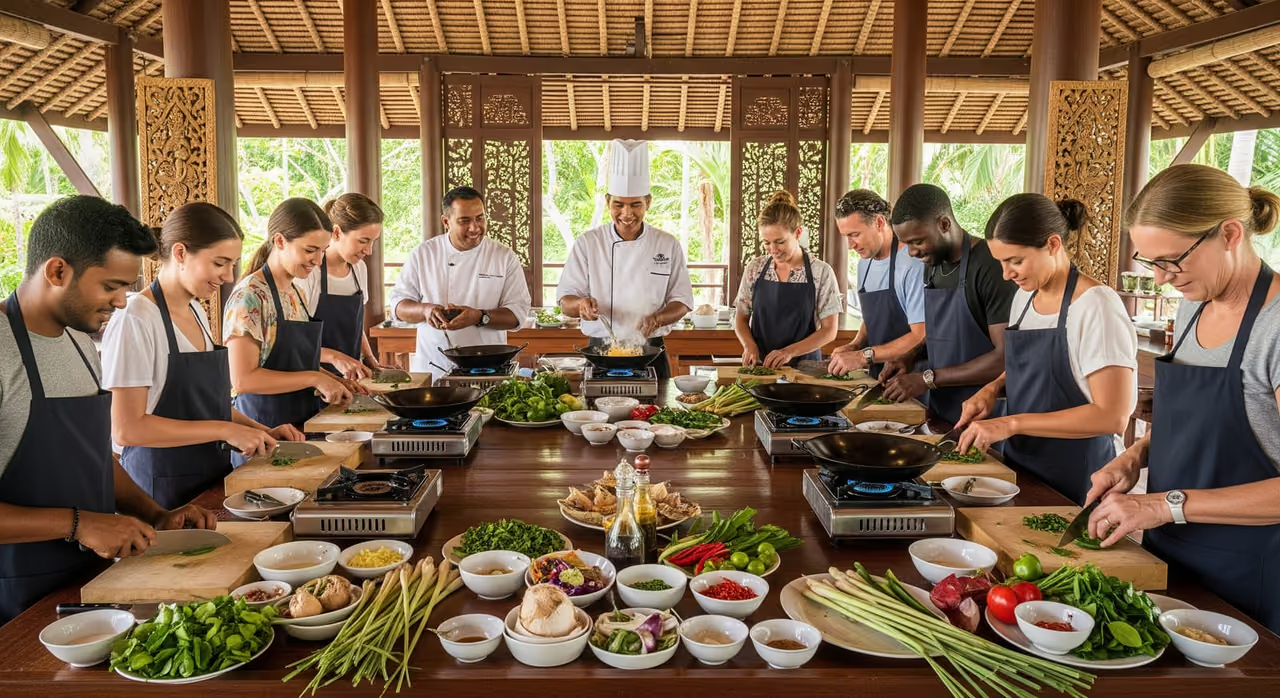
Thai Cooking Classes
Additional Categories for the DTV
Entrepreneurs and Business Owners : Individuals who want to run a business remotely while living in Thailand can apply for the DTV. This is especially beneficial for online entrepreneurs and freelancers who want to set up their business in Thailand. Retirees : For those who want to enjoy a peaceful retirement, Thailand’s affordable living, healthcare services, and vibrant culture make it an attractive destination. Students and Educators : Individuals engaged in remote teaching or research can also apply for the DTV.
Benefits of the Thailand DTV
Long-Term Stay : The DTV allows a stay of up to one year with the possibility of renewal. Access to Thailand's World-Class Healthcare : Thailand is known for its high-quality healthcare system, which is affordable compared to many Western countries. Vibrant Culture and Natural Beauty : Whether you are looking for adventure, culture, or relaxation, Thailand offers a rich experience with its beautiful landscapes, temples, and beaches. Networking Opportunities : The DTV provides opportunities to connect with other digital nomads, entrepreneurs, and business owners from around the world.
Which DTV track fits you?
| Track | Best for | Key extra requirement |
|---|---|---|
Frequently Asked Questions
How much money do I need in my bank account for the DTV?
How long does DTV processing take?
Can I both work remotely and train Muay Thai on the DTV?
How much is the DTV visa fee?
Where do I submit my DTV application?
Conclusion
Ready to get your 5-Year DTV?
Configure your package with live pricing — apply from $139, with a 100% refund if denied (with Denial Protection).
Comments
Be the first to leave a comment.
Related articles
 DTV Visa Consulting
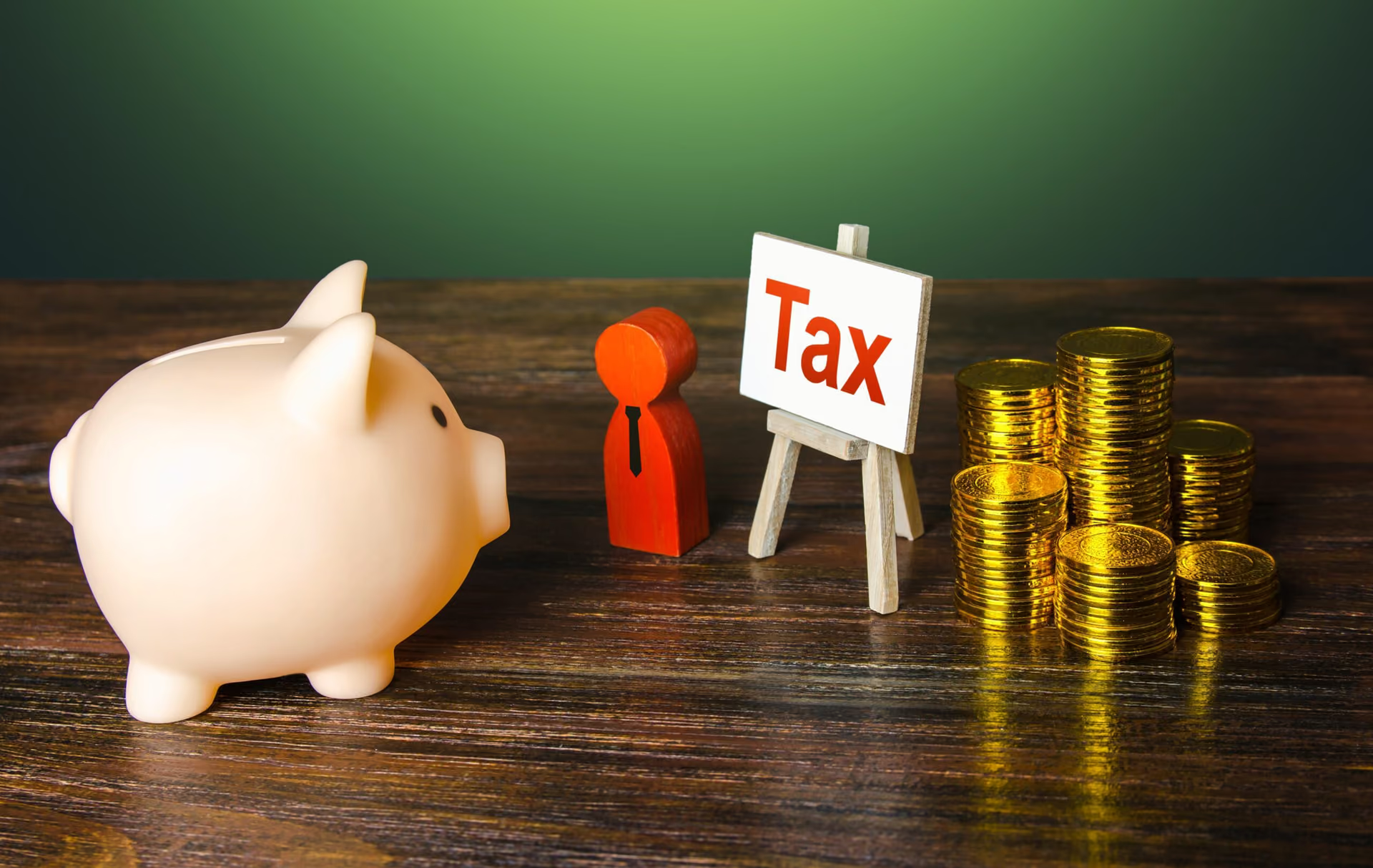
Warning: Thailand Destination Visa (DTV) Holders Are About to Face Taxation – Here's What You Must Know!
The Destination Thailand Visa (DTV) has opened a new chapter for digital nomads, remote workers, and cultural enthusiasts seeking long-term stays in Thailand. With its multiple-entry five-year validity and the option to…
 DTV Visa Consulting
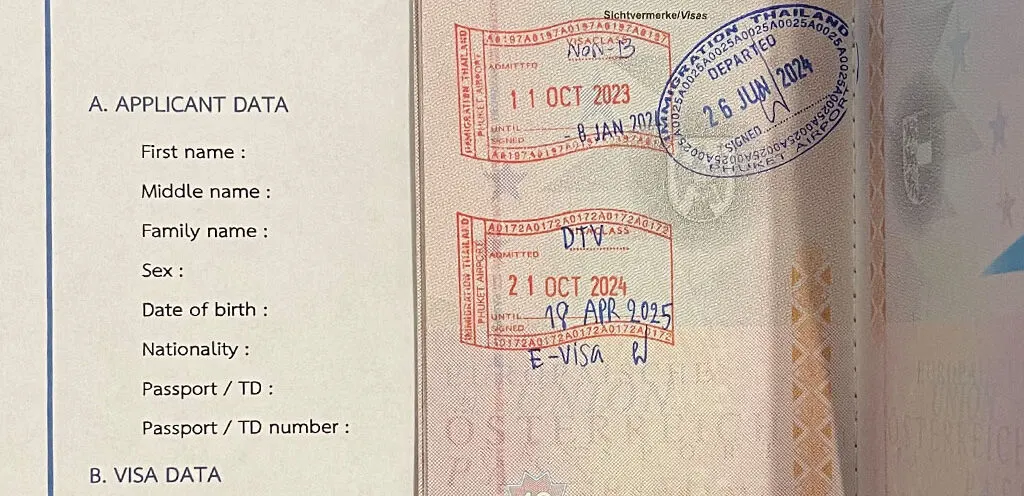
Why Choosing DTVThaiVisa.com for Your Thailand Destination Visa (DTV) agency is a smart decision
Applying for a Thailand Destination Visa (DTV) can be a complex and challenging process, with many potential pitfalls along the way. Whether you’re a remote worker, digital nomad, entrepreneur, or someone wanting to imm…
 DTV Visa Consulting
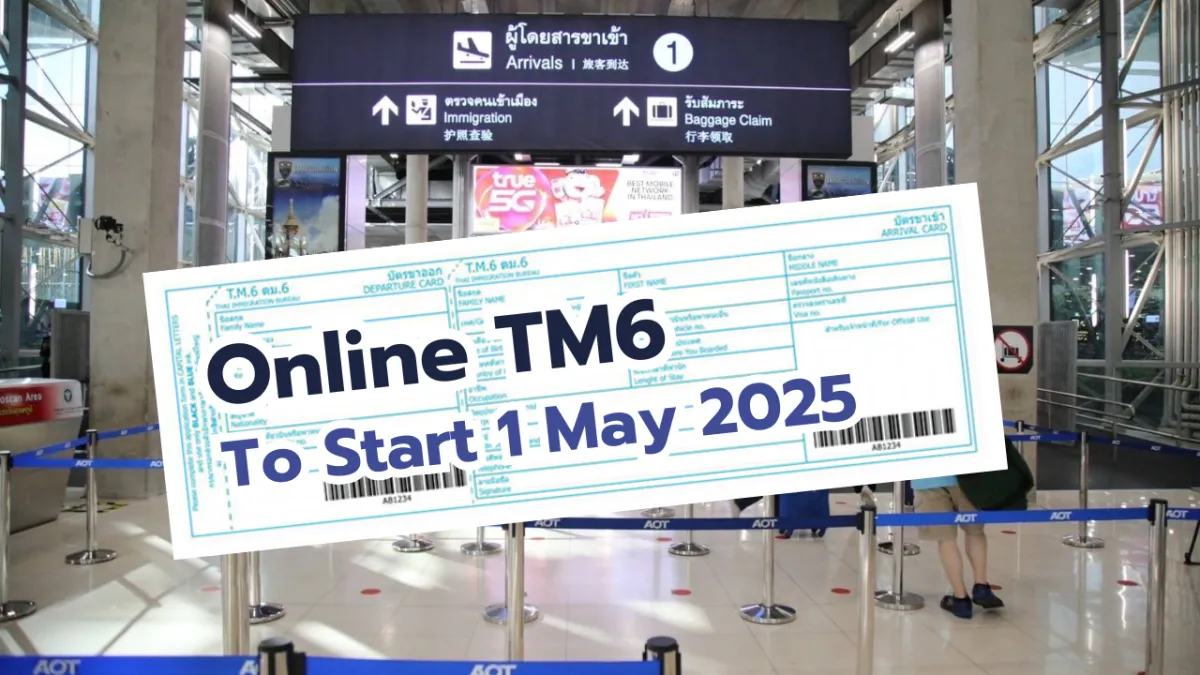
Online TM6 form for visitors to Thailand coming on May 1
Synopsis The Ministry of Tourism and Sports held a meeting on a development of online TM6 Immigration Form or Thailand Digital Arrival Card (TDAC) which is one of the tourism promotion of Thailand by facilitating proces…