



Thailand Border Runs: A Complete Guide and Understanding the Risks
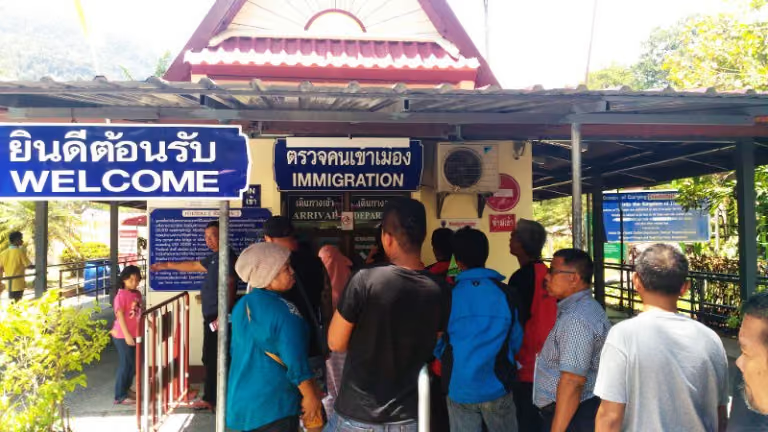
What Is a Border Run?
Extending a Visa : Travelers with a tourist visa or visa-exempt entry may do a border run to reset their permitted duration of stay. Switching to a New Visa : Some individuals exit the country to apply for a different type of visa, such as a Non-Immigrant Visa, from a Thai consulate in a neighboring country.
Myth
A border run is an official, guaranteed way to live in Thailand indefinitely.
Fact
Popular Border Run Destinations
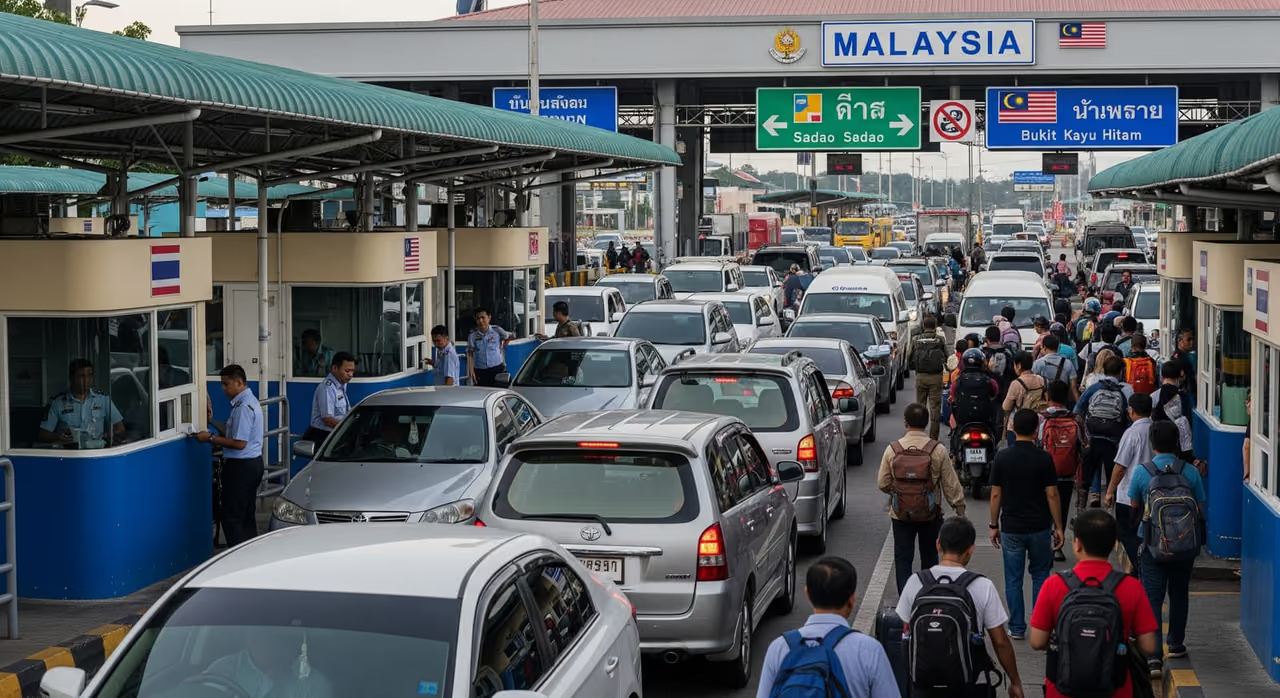
Malaysia : The border town of Padang Besar is a popular crossing point. Cambodia : Aranyaprathet (Poipet border) is one of the busiest border points. Laos : Vientiane is a favorite destination for obtaining Thai visas at the consulate. Myanmar : Mae Sai (Tachileik border) is a common choice for northern Thailand residents.
Common Border Run Crossings Compared
| Country | Popular Crossing | Best For |
|---|---|---|
How Do Border Runs Work?
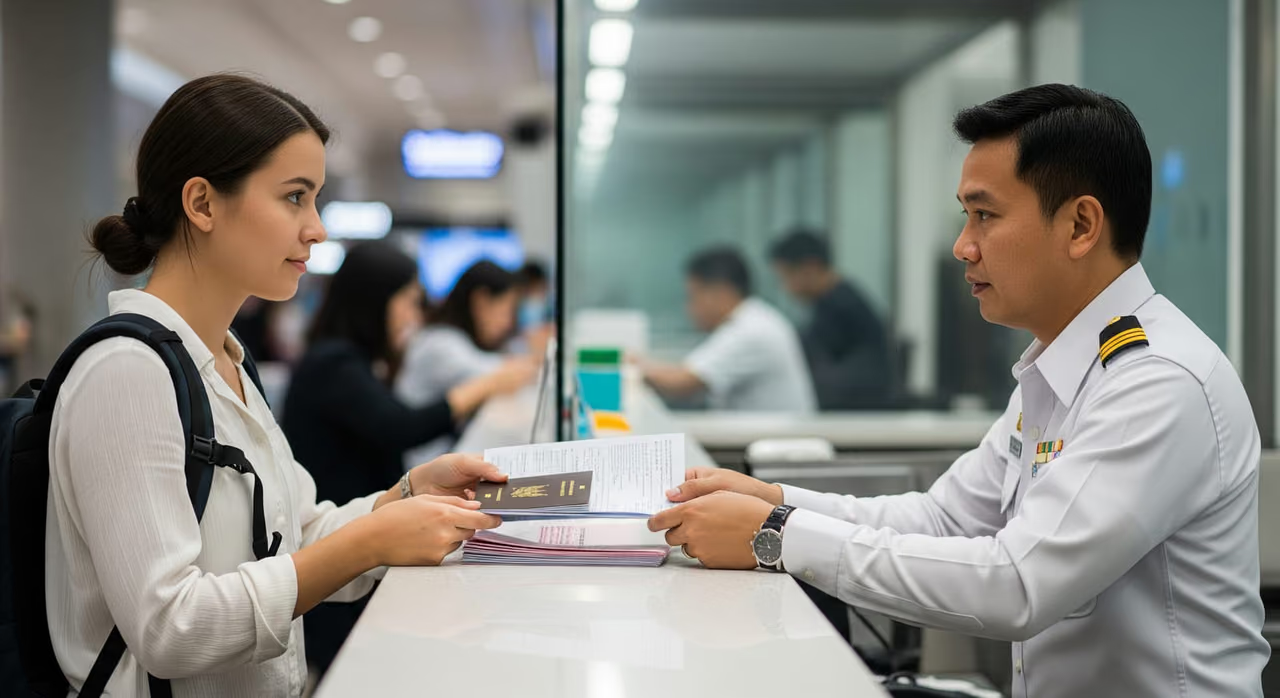
Plan Your Trip : Research the border crossing and understand the requirements for entry into the neighboring country. Make sure your passport has at least six months of validity and blank pages for stamps. Exit Thailand : Travel to the border, check out of Thailand, and enter the neighboring country. Some crossings require a short stay or fee in the neighboring country. Re-enter Thailand : Upon returning, you may be granted a new visa-exempt entry or use a valid Thai visa for re-entry. Ensure Compliance : Always check the Thai immigration rules beforehand to ensure you meet the criteria for re-entry.
Risks of Too Many Border Runs
1. Increased Scrutiny at Immigration
Multiple border run stamps in your passport. Lack of evidence supporting legitimate reasons for your stay (e.g., tourism, work, or family). Short turnaround times between entries and exits.
2. Denial of Entry
Immediate return to the country you just exited. Being blacklisted from entering Thailand in the future.
3. Requirement to Show Proof of Funds and Intent
Proof of funds to support yourself during your visit. A confirmed outbound flight ticket to prove you plan to leave Thailand. Hotel bookings or an address where you will be staying.
4. Overstay Penalties
Fines of 500 THB per day (up to a maximum of 20,000 THB). Risk of being detained or banned from re-entering Thailand.
5. Damage to Your Travel Record
Myth
Border runs leave no lasting mark — once you re-enter, it's all forgotten.
Fact
How to Avoid Border Run Issues
Obtain a Long-Term Visa : Consider applying for a long-term visa that matches your purpose for staying in Thailand.
Long-Term Visa Options to Consider
Education Visa Retirement Visa Non-Immigrant B Visa for work Elite Visa for extended stays without frequent renewals Destination Thailand Visa (DTV) for remote workers, freelancers, and digital nomads
Limit the Frequency of Border Runs : Avoid relying on border runs as a long-term solution. If you need to do one, space them out to minimize suspicion. Provide Documentation : When re-entering Thailand, carry documents to justify your stay.
Documents That Support Your Stay
A detailed travel itinerary. Proof of financial stability. Evidence of genuine tourist activities or work commitments.
Use a Visa Agent : If you’re unsure about the rules or processes, a reputable visa agent can help ensure your compliance with Thai immigration policies.
Border Runs vs. a Long-Term Visa
| Factor | Repeated Border Runs | Long-Term Visa (e.g., DTV) |
|---|---|---|

Frequently Asked Questions
Border Runs in Thailand: Your Questions Answered
Are border runs illegal in Thailand?
How many border runs can I do before it becomes a problem?
What happens if I'm denied entry at the border?
What are the overstay penalties in Thailand?
What is the best alternative to border runs?
Conclusion

Ready to get your 5-Year DTV?
Configure your package with live pricing — apply from $139, with a 100% refund if denied (with Denial Protection).
Comments
Be the first to leave a comment.
Related articles
 Immigration
Everything You Need to Know About Thailand’s New Electronic Travel Authorization (ETA)
Thailand is introducing a new Electronic Travel Authorization (ETA) system, a significant development for visa-exempt travelers entering the country. Set to roll out fully by mid-2025 and starting in December 2024, this…
 Immigration
Thailand Visa-Free 30 Days 2026: 60-Day Exemption Cut Approved
Thailand's Cabinet approved cutting the 60-day visa exemption to 30 days for most countries. It is not yet law — the 60-day stamp still applies at the border. Here is the full breakdown.
 Immigration
Thailand Visa on Arrival for India: The Move to 15 Days (2026)
Thailand's 19 May 2026 overhaul moves India into a 15-day Visa on Arrival (2,000 THB). It is not yet in force — as of early June 2026 Indians still get 60 days visa-free.