The landscape of Southeast Asian visa runs has shifted dramatically in June 2025. Cambodia and Thailand have imposed unprecedented border restrictions that effectively end the era of easy border bounces. For thousands of expats, digital nomads and long-term visitors who relied on quick trips across the Cambodia–Thailand border to reset their visa status, this marks a genuine turning point — and a powerful reason to move away from the visa-run lifestyle toward a stable, long-term solution such as the Destination Thailand Visa (DTV) .
The current crisis began with escalating tensions between Thailand and Cambodia, culminating in a series of border incidents that fundamentally altered cross-border movement. Travelers in Thailand were blocked from crossing into Cambodia amid the dispute, with Thailand imposing land border restrictions that included turning back tourists heading into Cambodia.
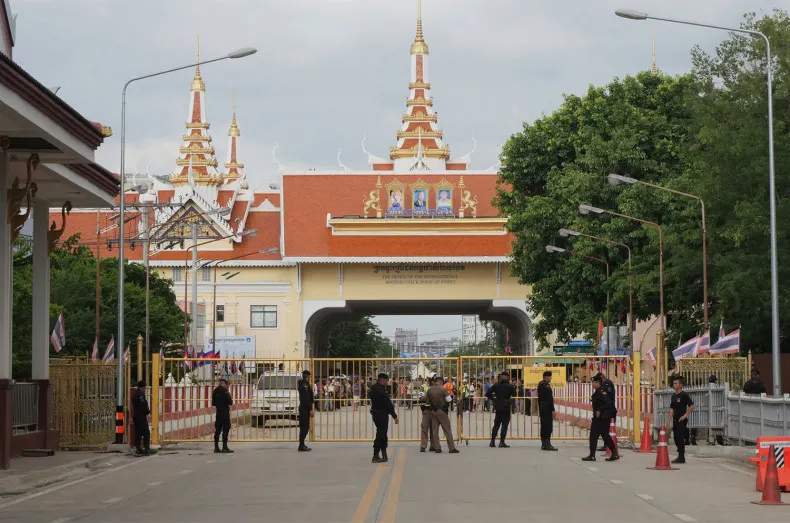
The restrictions are comprehensive and affect multiple crossing points. Due to the ongoing dispute along the Cambodia–Thailand border, the closure of all land border crossing points was announced on 24 June 2025 . This represents the most significant disruption to the traditional visa-run circuit that has operated for decades between these neighboring countries.
The current situation did not emerge in isolation. Cambodia and Thailand have a long-running border dispute, with tensions sharply increasing since an exchange of fire on May 28, 2025 . This armed confrontation, which resulted in casualties, marked a turning point in bilateral relations and led directly to the current travel restrictions.
Cambodia's Defence Ministry confirmed that Thailand and Cambodia had agreed to return their troops to previous border positions after the clash, but the damage to cross-border movement was already done. The military escalation created an environment in which normal civilian border crossings became impossible to maintain.
The political ramifications extend beyond simple border management. Thailand and Cambodia shut several border crossings in tit-for-tat moves, ratcheting up tensions between the two neighbors as Prime Minister Paetongtarn Shinawatra fought to save her government from a political crisis — a sign that domestic political considerations are now intertwined with border policy decisions.
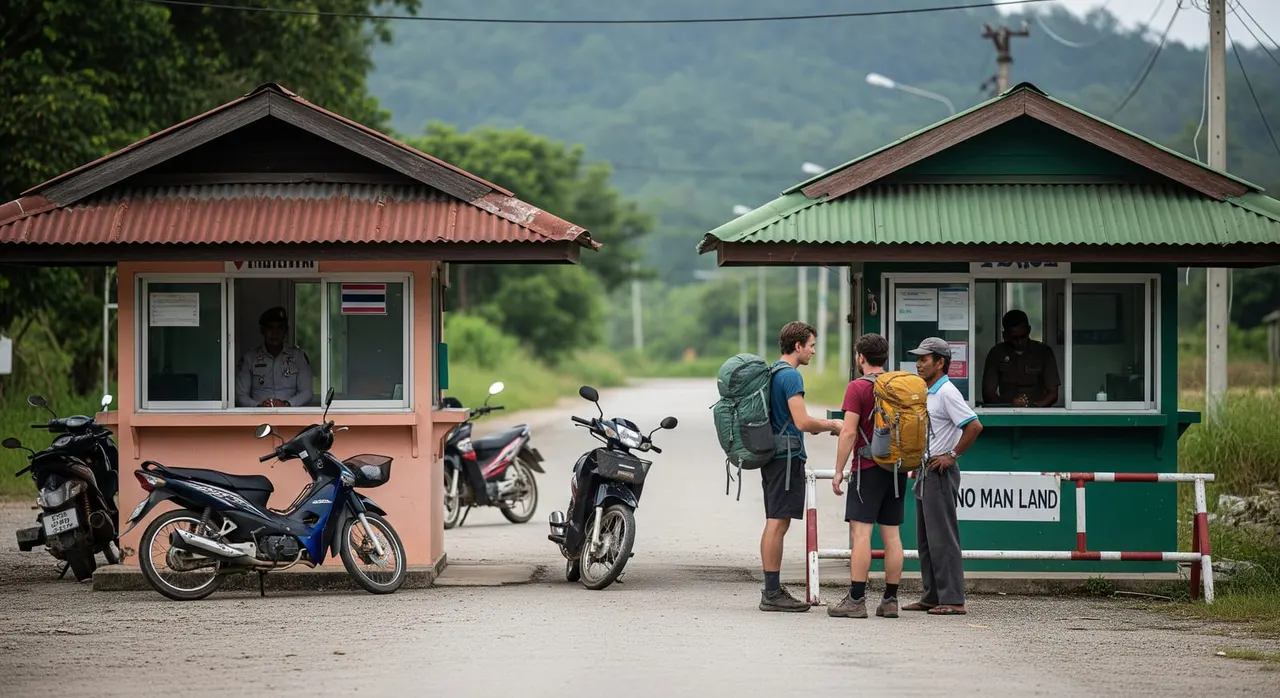
For years, the Cambodia–Thailand border was a lifeline for foreigners seeking to extend their stay in Thailand through visa runs. These quick trips, often completed in a single day, allowed visitors to exit Thailand, enter Cambodia briefly and return with a fresh stamp, effectively resetting their permitted stay.
The traditional model worked because both countries maintained relatively open border policies, with Cambodia particularly welcoming to tourists seeking quick entry and exit. Popular crossings such as Poipet–Aranyaprathet and Ban Laem became synonymous with visa-run operations, and entire industries were built around facilitating these quick trips.
Border-run services, minivan operators and local businesses on both sides thrived on this steady stream of visa runners. The sudden closure represents not just a policy change but the collapse of an entire economic ecosystem that supported thousands of livelihoods.
The current restrictions are comprehensive and affect multiple categories of travelers. They apply to any vehicle or person trying to enter Cambodia from checkpoints across several Thai provinces, and even to foreign tourists flying into Siem Reap. In other words, air travel — not just land crossings — is being affected.
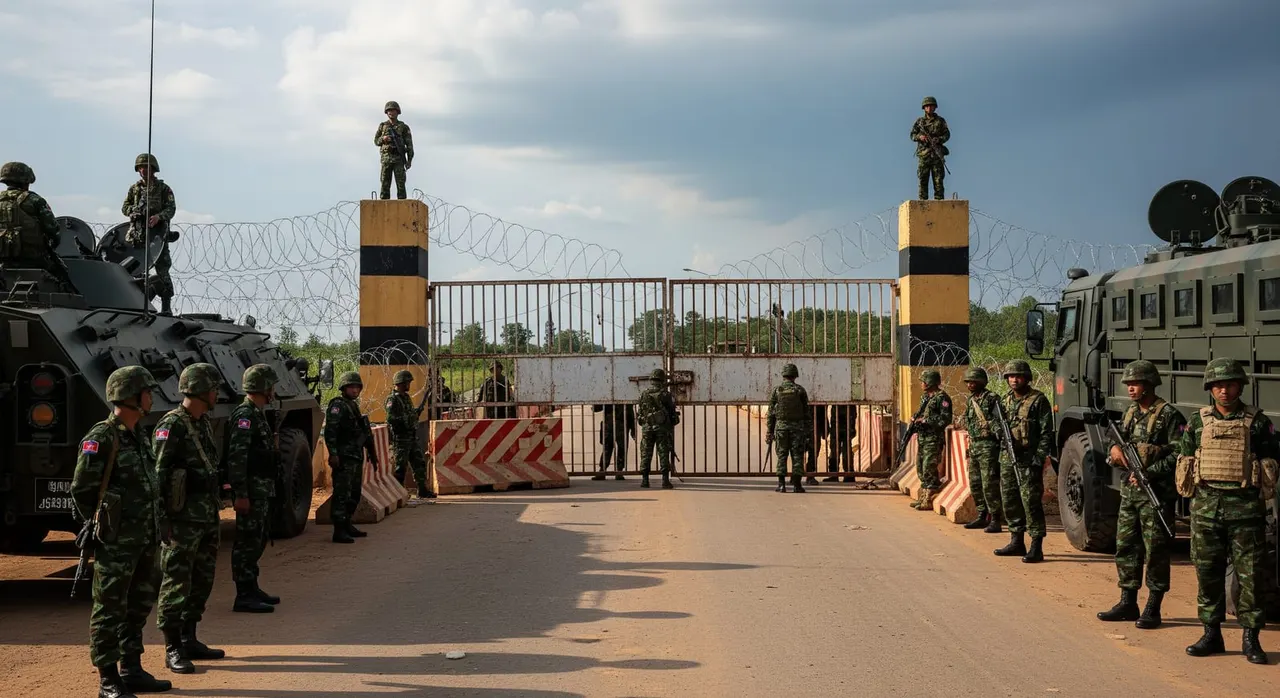
Military presence has been significantly increased along the border areas. Land crossings between Cambodia and Thailand may be closed or have their operating hours changed unexpectedly, with heightened military presence and vigilance now characterizing the region.
The unpredictability creates additional challenges. Border crossing hours and availability can change without notice, making it impossible to plan a reliable visa run even if partial access were to resume.
With Cambodia effectively off-limits, foreigners in Thailand are exploring alternative destinations. Malaysia remains one of the most viable options, maintaining relatively stable border policies with Thailand. The Padang Besar and Sadao crossings continue to operate normally, though travelers should expect longer processing times due to higher volumes.
Laos presents another option, with limitations. The Nong Khai–Vientiane crossing remains operational, but Laos has its own visa requirements that can complicate quick turnarounds, and the journey is far longer from cities like Bangkok and Pattaya.
Myanmar borders remain largely closed to casual travelers due to ongoing instability, eliminating this option for most. That leaves Malaysia and Laos as the primary land alternatives, both requiring significantly more time and expense than Cambodia did. Flight-based runs to Singapore, Kuala Lumpur or other regional hubs remain possible but carry a much higher cost than affordable minivan runs ever did.
Digital nomads and remote workers who built their lifestyle around periodic visa runs face particular challenges. Many established routines around monthly or bi-monthly Cambodia trips, often combining a run with a brief leisure trip or work retreat. The sudden loss of this option forces a complete rethink of their residency strategy.
Long-term tourists and "permanent tourists" who avoid formal visa commitments are perhaps most affected. They typically prefer the flexibility of tourist entries renewed through border runs rather than committing to longer-term categories with more documentation.
Retirees and older expats who found Cambodia runs a simple, low-stress way to maintain their stay now face more complex alternatives. The physical demands of longer journeys to Malaysia or Laos, combined with uncertainty, create real difficulties for this group.
Business travelers and entrepreneurs who used Cambodia as a convenient base for regional operations while keeping Thailand as their primary residence must now reconsider their operational strategy entirely.
The visa-run industry, built over decades around Cambodia–Thailand crossings, faces an existential crisis. Transport companies specializing in border runs saw their primary revenue stream eliminated overnight, and many lack the flexibility to pivot quickly to alternative routes.
Hotels and guesthouses in border towns like Aranyaprathet on the Thai side and Poipet on the Cambodian side lost a significant share of their customer base. These establishments often catered specifically to visa runners, offering early-morning departures and same-day return accommodation.
Money changers, restaurants and other service providers face similar challenges. The ecosystem that supported visa runs extended far beyond transport. The impact also reaches Cambodia's broader tourism sector: visa runners, while brief visitors, contributed meaningfully through visa fees, transport, meals and occasional extended stays.
The closures highlight the inherent risk of relying on visa runs for long-term residency. Immigration policies can change rapidly, and what appears to be a stable arrangement can disappear overnight due to political or security considerations.
Thai immigration authorities have been increasingly scrutinizing frequent border crossers in recent years, even before the Cambodia crisis. The disruption of Cambodia routes may concentrate attention on remaining crossings, potentially making runs harder even where they remain technically possible.
Extended reliance on visa runs, particularly to the same destination repeatedly, can create immigration concerns. Officials may question the legitimacy of tourist status for someone who never seems to leave the region for long. The current situation underscores the value of backup plans and alternative visa strategies; relying on a single crossing or a single arrangement creates exactly the vulnerability now being felt.
The clearest lesson from the Cambodia closure is that the visa-run lifestyle is fragile. The Destination Thailand Visa (DTV) was designed precisely for the remote workers, freelancers and long-stay visitors who used to depend on border bounces. It replaces an endless cycle of short tourist entries with a single, long-validity visa — so the next border dispute simply does not affect your right to stay.
Instead of planning your life around the next 30- or 60-day reset, the DTV lets you settle in, work remotely and travel on your own schedule. For anyone affected by the closures, it is the most direct way to convert a recurring problem into a one-time solution.
The resolution of the Cambodia–Thailand dispute remains uncertain. While diplomatic efforts continue, the complexity of the underlying issues suggests normal border operations may not resume quickly. Crossings between the two countries remained possible at points during June 2025, but travelers should plan carefully and stay well-informed as the situation evolves.
Even if borders reopen, the visa-run landscape may never return to its previous state. Both countries may add stricter controls or monitoring systems that make traditional runs harder or more expensive. The crisis gives both governments an opportunity to reassess border policy and potentially change how casual cross-border travel works.
Technology may partially replace physical runs — some visa categories can now be processed online or through embassy applications, reducing the need for physical presence at a border. But these alternatives carry their own requirements and may not suit everyone. Regional dynamics also suggest similar disruptions could affect other borders in future, reinforcing the value of a diversified, resilient residency strategy.
The Cambodia closure reflects a broader trend toward more restrictive and unpredictable border policies across Southeast Asia. Countries are increasingly scrutinizing visa-run behavior and discouraging long-term tourist stays without a proper visa category.
This shift reflects changing attitudes toward digital nomadism and long-term tourism. What was once seen as beneficial tourism is increasingly viewed by governments as potential tax avoidance or unofficial residency that should be properly regulated and documented.
The economic disruption may prompt other countries to reconsider their own policies, particularly where visa runs create dependency relationships that can be leveraged politically. Future travel patterns are likely to become more structured, with clearer distinctions between short-term tourism and longer-term residency, each with appropriate visa categories and requirements.
The Cambodia border closure marks the end of an era for visa runs and border bounces in Southeast Asia. While it creates immediate challenges for thousands of travelers, it also signals a maturation of regional immigration policy and a move toward more structured, predictable visa systems.
For those affected, the immediate priority is securing alternative arrangements while adapting long-term strategy to reduce dependence on runs. The convenience and affordability of Cambodia runs made them attractive, but their sudden loss demonstrates the risk of building plans around unstable arrangements.
The broader lesson extends to any travel strategy that depends on favorable political relationships between countries. Regional dynamics can change fast, and travelers who build resilient, diversified approaches to residency — ideally anchored by a proper long-stay visa — will be far better positioned to handle future disruptions. The Cambodia closure is not just a temporary inconvenience; it is a signal of fundamental change in how Southeast Asian countries approach cross-border movement and long-term tourism.




 Immigration
 Immigration
 Immigration