Skip to content
Where you apply · Myanmar

Apply for the DTV at the Thai Embassy in Yangon

Apply online for Thailand's 5-year DTV from Myanmar. The Royal Thai Embassy in Yangon covers your application. Local document tips and expert help from $139.

Royal Thai Embassy 📍 Yangon, MyanmarDTV applied for online

Welcome. If you're applying for the Destination Thailand Visa (DTV) from Myanmar, the Royal Thai Embassy in Yangon is the diplomatic mission whose jurisdiction covers your location. Crucially, you never need to visit this embassy in person for the DTV—the entire process is completed online through Thailand's centralized e-Visa portal. The embassy's role is simply to be the responsible outpost for applicants in Myanmar, and it may request additional documents while reviewing your case. This guide explains exactly what that means, plus how to prepare a strong, hassle‑free application from Yangon or anywhere in the country.

Who the Yangon Embassy Covers for DTV Applicants
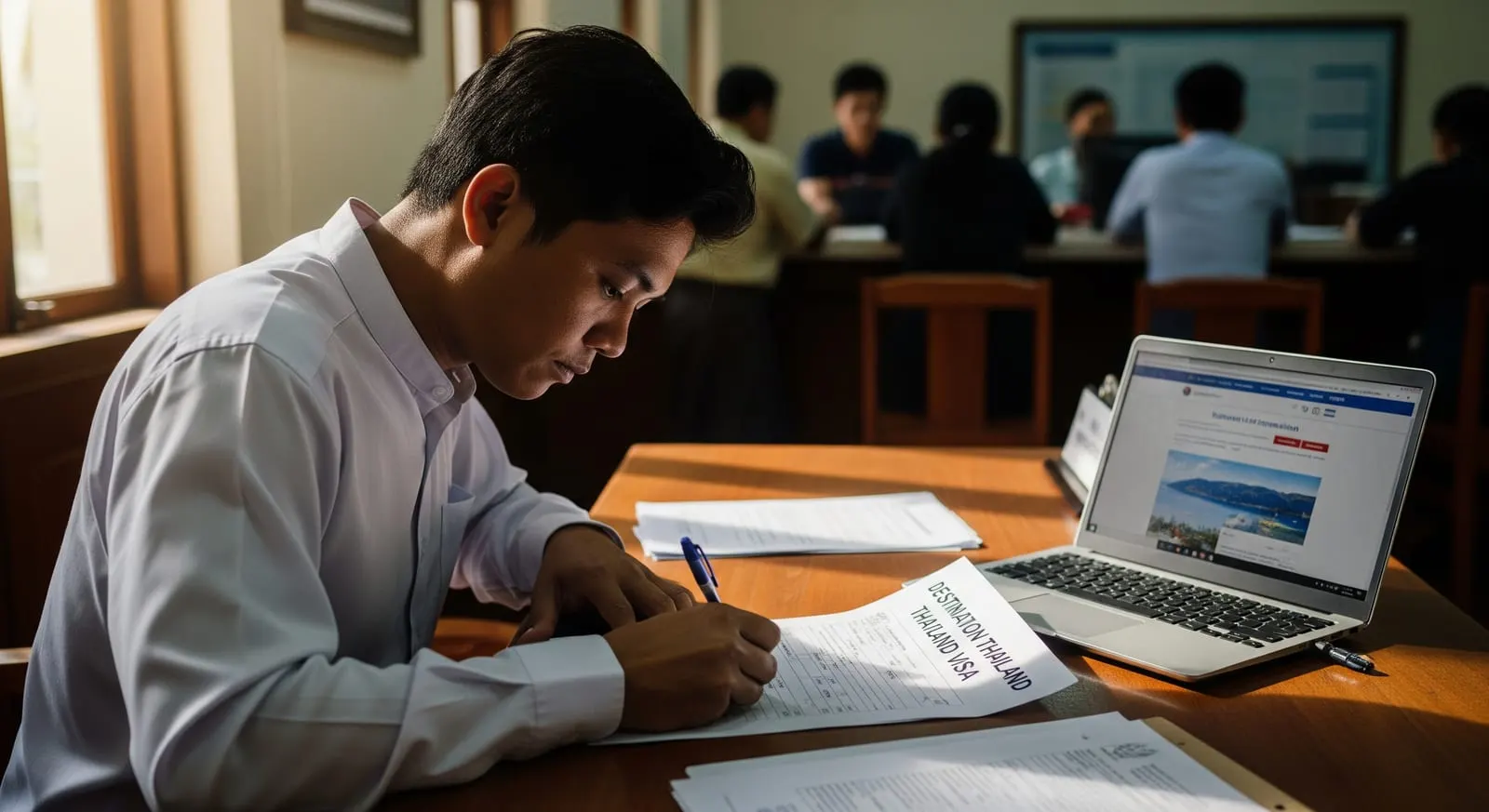
The Royal Thai Embassy in Yangon is responsible for all Thai visa matters across Myanmar. If you're a Myanmar citizen or a foreign national legally residing in Myanmar, this is the covering mission our team selects under “Embassy/Consulate” on the e-Visa portal when we submit for you. Remember: the embassy does not physically handle your application—it is simply the authority linked to your location. This means you can submit your DTV from Mandalay, Naypyidaw, or even a beach bungalow in Ngapali, as long as Myanmar is your country of residence.

Yangon — applying for the Destination Thailand Visa from Myanmar

Living in Yangon and the Thailand Connection

Yangon shares a time zone just 30 minutes behind Thailand (GMT+6:30 vs GMT+7), making remote work with Thai clients or teams seamless. Direct flights from Yangon International Airport (RGN) to Bangkok take only about an hour, and budget carriers like AirAsia and Nok Air offer frequent connections. This proximity—and the affordable cost of living in Yangon—has nurtured a growing digital nomad community. Whether you're working from a tea shop in Botahtaung or a co‑working space in Sanchaung, the DTV opens the door to Thailand’s creative and professional hubs while you keep your Myanmar base.

Document Norms in Myanmar That Matter for Your DTV

When preparing your financial proof (500,000 THB or ~$15,000), bank statements from major Myanmar banks like KBZ, CB Bank, Yoma Bank, or AYA Bank are commonly accepted, especially if they are in English. If your statement is in Burmese, a certified translation will typically be expected. For employment letters or contracts, Myanmar companies often issue them in English already—attach a scanned copy with company letterhead. Freelancers should gather a portfolio, client invoices, or a signed declaration of work. If your evidence needs notarization, Myanmar’s public notarial system or local law firms can assist, but many applicants find that clear, verifiable digital copies suffice. The embassy may request additional documents reflecting genuine income and activity, so having paperwork in order from the start keeps delays unlikely.

Who applies through this office

  • Applicants residing in Myanmar and the areas covered by this mission. See the full guide: DTV visa for Myanmar .
  • The DTV is applied for online — there is no in-person lodgement at this office, and our team can prepare and submit it for you.

How to apply for the DTV from Myanmar

  1. Confirm you qualify: the DTV is ideal for remote workers, freelancers, digital nomads, and those pursuing “soft-power” activities like attending Muay Thai training, cooking courses, or medical treatment in Thailand. If your work or plans fall in these categories, you’re likely eligible.
  2. Prepare proof of finances: show at least 500,000 THB (~$15,000) in savings, a fixed deposit, or equivalent. For Myanmar applicants, a statement from KBZ, CB Bank, or similar is fine. Ensure the document is in English or ready for certified translation.
  3. Gather your category evidence: for remote work, include an employment contract or a letter from your employer confirming your remote status. Freelancers can provide a portfolio, client invoices, and a self-declaration. Soft‑power applicants need confirmation of enrollment or booking for the relevant activity.
  4. We apply entirely online for you: our team prepares and submits your application on the official Thai e-Visa portal, selecting the “Royal Thai Embassy, Yangon” as the covering mission, uploading all documents digitally and paying the official fee by card. There is no walk‑in or postal step.
  5. Respond to any follow‑up: the Yangon embassy may issue a “Request for Further Document” if something is unclear. Check your email regularly and reply exactly with what they ask for—this is normal and not a rejection.
  6. Let our team check everything: before you hit submit, our DTV specialists can review your full application, forms, and supporting documents. This expert layer catches common oversights and strengthens your case—packages start from $139.
  7. Receive your DTV approval: once granted, you’ll get an e‑Visa via email. Print it out or keep a digital copy, then book your flight to Thailand. The visa allows multiple entries over five years, with each stay up to 180 days.

Frequently asked questions

Can I submit my DTV application in person at the Yangon embassy?

No. The Destination Thailand Visa is only applied for through the official Thai e‑Visa platform. The Royal Thai Embassy in Yangon does not accept walk‑in DTV lodgements, nor does it “process” or “issue” the visa directly. It is simply the mission assigned to your location for administrative purposes, and may request additional documents electronically after you apply.

How long does the Yangon embassy take to respond to a DTV application?

Processing times vary and are not published. Because the e‑Visa system handles DTV applications centrally, the Yangon embassy’s involvement is usually limited to document requests. Some applicants hear back in a few weeks, others longer. The embassy does not provide firm timelines, so we recommend applying well ahead of your intended travel and checking your email regularly.

I work remotely for a Myanmar company. Can I still apply for the DTV?

Yes, absolutely. The DTV remote worker category is open to employees of any company, including those based in Myanmar. As long as your job can be performed remotely and you have an employment contract or a confirmation letter, you’re eligible. Just make sure the documents clearly state that your role is remote and that you continue to work while in Thailand.

Do I need to translate my Myanmar documents into Thai for the DTV application?

Not necessarily into Thai. The Thai e‑Visa portal and the Yangon embassy typically accept documents in English. If your bank statements, contracts, or certificates are in Burmese, you should provide a certified English translation. Thai translations are not required unless specifically asked. Our team can advise on what’s acceptable.

What if I'm a freelance photographer based in Yangon? What documents do I need?

Great—freelancers are welcome under the DTV. You’ll need to demonstrate genuine freelance activity. Gather a portfolio of your work, client invoices or payment records (even if international), a tax registration certificate if you have one, and a signed statement describing your freelance work. Screenshots of your website or social media business pages also help. The key is to show that you consistently earn from your craft.

Can the DTV lead to permanent residency in Thailand?
The DTV is a long‑stay tourist visa, not an immigration pathway. It allows multiple entries for up to five years, with each visit capped at 180 days. It does not count toward residency or citizenship. If you later wish to settle permanently, you would need to explore other visa categories or long‑term options, but the DTV offers an excellent, flexible base to explore life in Thailand beforehand.

Apply for your 5-year DTV the easy way

We prepare, submit and follow up your application — apply from $139, with a 100% refund if denied (with the optional Denial Protection add-on).

Start your application

General guidance only — not legal advice. The DTV is applied for online via the Thai e-Visa portal; mission jurisdictions and requirements change over time. Confirm details on the official portal or let our team handle it for you.

Documents this office commonly asks for

Whichever office reviews your application, these are the requests applicants see most — and how to answer them: