Skip to content
Where you apply · Oman

Apply for the DTV at the Thai Embassy in Muscat

Applying for a Thailand DTV from Muscat? Learn how to submit your online e-Visa application covered by the Royal Thai Embassy, with Omani-specific document tips.

Royal Thai Embassy 📍 Muscat, OmanDTV applied for online

If you're based in Muscat or elsewhere in Oman and eyeing the 5-year Destination Thailand Visa (DTV), the Royal Thai Embassy in the Sultanate is your designated mission—but not your point of lodgement. The DTV is applied for entirely online via Thailand’s central e-Visa system, so you won’t need to visit the embassy in Al Khuwair. The mission’s role is to oversee applicants under its consular jurisdiction, and it may contact you if further documents are required. This guide unpacks the process with an Omani lens, so you can submit a confident, embassy-ready application from Muscat.

Who Does the Royal Thai Embassy in Muscat Cover?
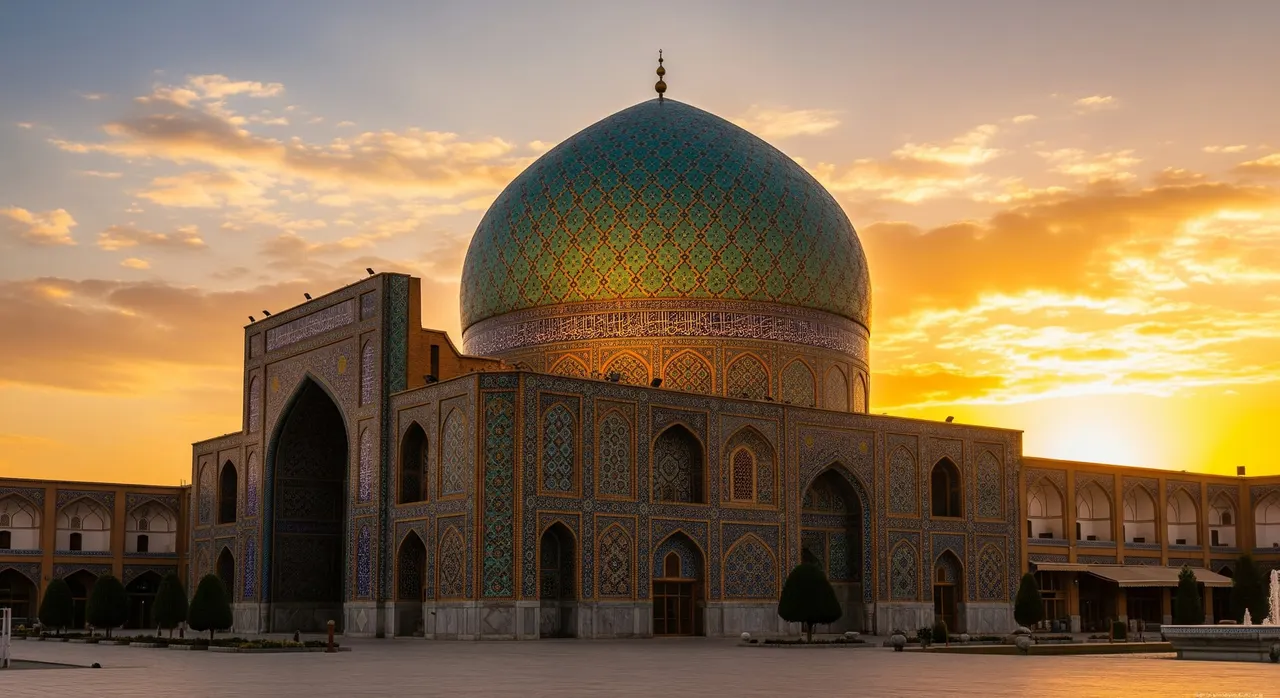
The Royal Thai Embassy in Muscat serves as Thailand's diplomatic hub for the Sultanate of Oman. Its consular oversight includes all Omani nationals and foreign residents legally living in Oman—from the capital area to Salalah, Sohar, and the interior. If your primary residence is in Oman, this is the mission whose jurisdiction will apply to your DTV application. The embassy’s website and announcements are the key sources for any region-specific updates, though the DTV itself is governed by the central e-Visa policy.

Muscat — applying for the Destination Thailand Visa from Oman

Applying for the DTV from Oman: What to Expect

Oman’s time zone (GST, UTC+4) means Thailand is just 3 hours ahead, making online communication and follow-ups straightforward. Direct flights from Muscat International Airport to Bangkok and Phuket—operated by Oman Air and Salam Air—put Thailand within a 6-hour journey, an enticing prospect for long-term stays. The entire DTV process happens online: you send us your documents, our team scans, uploads and submits them and settles the visa fee electronically on your behalf, and you await the embassy’s decision. Because the application is centralised, you won’t visit the embassy unless you need other consular services. Key point: the embassy may issue a “Request for Further Document” via your e-Visa portal account, so keep an eye on notifications and respond precisely.

Document Tips for Omani Residents

When preparing your financial proof of 500,000 THB (~$15,000), Omani bank statements must show your name, the bank’s stamp (if digital, it should be clearly generated from the bank’s official app), and preferably be in English. Most Omani banks—Bank Muscat, NBO, Bank Dhofar—provide monthly statements in English by default. For remote employment letters, Omani companies often use a standard format in English; ensure the letter explicitly states you are permitted to work remotely from abroad. If your profession requires a licence (e.g., private teaching, consultancy), a copy of that licence in English adds credibility. While the Thai e-Visa portal does not mandate Omani Ministry of Foreign Affairs attestation, having documents notarised or attested can sometimes smooth the process if the embassy requests verification—use your best judgement based on your employer’s norms.

Who applies through this office

  • Applicants residing in Oman and the areas covered by this mission. See the full guide: DTV visa for Oman .
  • The DTV is applied for online — there is no in-person lodgement at this office, and our team can prepare and submit it for you.

How to apply for the DTV from Oman

  1. Confirm you qualify for the DTV: typical categories include digital nomad/remote worker, freelancer, or engaging in approved soft-power activities like Muay Thai, Thai cooking, or seminars. Your income or work must be from outside Thailand.
  2. Prepare proof of sufficient funds: you need to show a bank balance equivalent to at least 500,000 THB (~$15,000). Omani residents can present a statement from a local bank; investment or savings accounts are also acceptable, provided the document is recent and in English.
  3. Gather your category-specific evidence: for remote workers, a valid employment contract or letter from your Omani-based employer confirming your remote status; for freelancers, a portfolio, client contracts, and recent invoices. Any document not in English should be accompanied by a certified translation.
  4. Send us your documents — our team prepares and submits your application on the official Thai e-Visa portal (thaievisa.go.th) for you, selecting the Royal Thai Embassy, Muscat as the correct mission, completing the DTV form, and uploading all your documents in the required digital formats.
  5. We settle the government visa fee on the portal as part of submission. The amount is set by the system; we keep the payment receipt on your file.
  6. Monitor your e-Visa portal messages: if the embassy issues a “Request for Further Document,” answer it exactly and within the given timeframe. Typically, they’ll ask for a missing item or clarification—respond with clean, legible scans attached directly in the portal.
  7. Before submission, let our DTV consultancy team review your entire application. We’ll spot common pitfalls, ensure your documents meet the embassy’s expectations, and give you peace of mind. Our service starts from $139, and we’re here to help from Muscat to Bangkok.

Frequently asked questions

Do I need to visit the Thai Embassy in Muscat in person for the DTV?

No, the DTV application is entirely online via the Thai e-Visa portal. The Royal Thai Embassy in Muscat does not accept in-person DTV lodgements. You might only interact with them if they send a document request through the portal.

Can I use an Omani bank statement for the 500,000 THB requirement?

Absolutely. Most Omani banks issue statements in English. The statement must clearly show your name, account balance, and a date within the accepted range. If the balance is in OMR, the system or bank can provide the THB equivalent.

How does the time difference between Muscat and Thailand affect my application?

Thailand is only 3 hours ahead, so communication is easy. If the embassy contacts you during their office hours (8:30 AM–4:30 PM Thai time), you’ll receive messages in the late morning or early afternoon Muscat time, giving you the rest of the day to respond.

Are there direct flights from Oman to Thailand for my DTV stays?

Yes, Oman Air flies nonstop to Bangkok, and Salam Air has direct routes to both Bangkok and Phuket. Flight time is around 6 hours, making weekend trips or long-term moves very convenient for Omani residents.

Will my Omani employer’s letter need to be attested for the DTV?

The Thai e-Visa portal does not explicitly require Omani attestation. However, if the embassy requests verification, a letter on company letterhead with a signature and stamp is usually enough. In Omani business culture, having a document notarised by a lawyer or attested by your Chamber of Commerce can add weight—optional but sometimes helpful.

What if I work for a company based in Oman but service clients worldwide?

That fits the remote worker category perfectly. Your employment contract or a letter from your Omani employer should state that your role permits remote work from abroad. Include recent payslips and a description of your duties to demonstrate ongoing income.

Can I use a laptop and Wi-Fi from anywhere in Thailand, as many Omani digital nomads do?

Yes, that’s the whole point of the DTV. Thailand offers robust internet, countless co-working spaces, and a lower cost of living compared to Muscat. Just ensure your income continues to originate from outside Thailand to stay compliant.

Apply for your 5-year DTV the easy way

We prepare, submit and follow up your application — apply from $139, with a 100% refund if denied (with the optional Denial Protection add-on).

Start your application

General guidance only — not legal advice. The DTV is applied for online via the Thai e-Visa portal; mission jurisdictions and requirements change over time. Confirm details on the official portal or let our team handle it for you.

Documents this office commonly asks for

Whichever office reviews your application, these are the requests applicants see most — and how to answer them: