Skip to content
Where you apply · Russia

Apply for the DTV at the Thai Embassy in Moscow

Apply for Thailand's Destination Thailand Visa (DTV) from Moscow through the online e-Visa portal. Learn key Russian document norms, lifestyle perks, and expert tips.
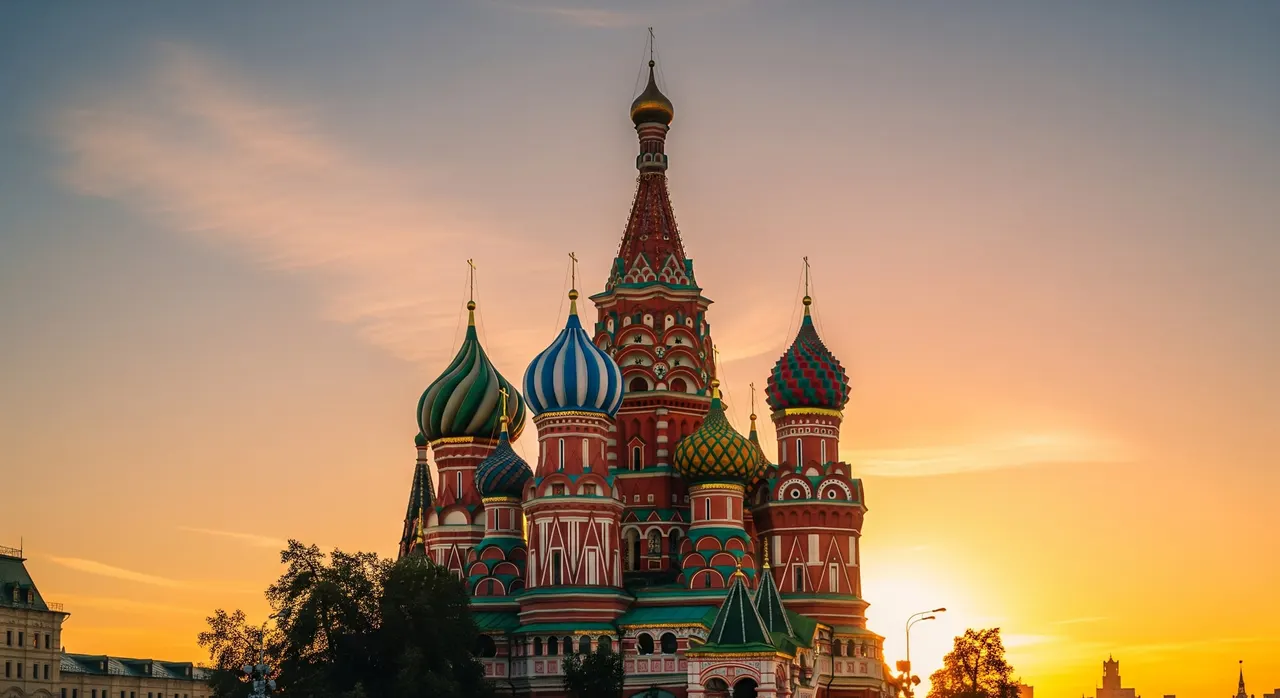
Royal Thai Embassy 📍 Moscow, RussiaDTV applied for online

For Russian citizens and residents, the Royal Thai Embassy in Moscow is the designated diplomatic mission covering Thailand's 5-year Destination Thailand Visa (DTV) for your area. The good news: you never need to visit the embassy in person. The DTV is applied for entirely online via the Thai e-Visa portal . The Moscow Embassy's role is jurisdictional — it may request additional documents during the review, but it doesn't adjudicate or issue your visa. This guide explains what that means for applicants across Russia, from Moscow to Vladivostok, and how to prepare your application with documents that align with Russian practices.

Royal Thai Embassy in Moscow: What Russian Applicants Need to Know

The Royal Thai Embassy in Moscow serves as Thailand's primary diplomatic presence in Russia, covering the entire federation. As a DTV applicant, you won't interact with the embassy in person; your application is lodged on the e-Visa portal. The embassy is part of the digital chain: it may send a "Request for Further Document" if clarifications are needed. This is standard practice and no cause for alarm. Because Russia spans multiple time zones, Moscow's (MSK, UTC+3) is the operational baseline — the embassy's working hours align with this, and any electronic communication will typically reflect that rhythm. Keep this in mind when tracking your application status.

Thailand and Russia enjoy warm bilateral ties and direct air links that make the DTV a practical choice. Understanding the embassy's function as a jurisdictional, not hands-on processing hub, will set realistic expectations for your experience.

Moscow — applying for the Destination Thailand Visa from Russia

Russia–Thailand Connectivity and the Remote-Worker Lifestyle

Moscow is roughly five to six hours behind Thailand (Bangkok, UTC+7). For digital nomads, this creates a neat overlap: your morning in Moscow coincides with Thailand's early afternoon, making client calls and collaboration across Southeast Asia manageable. Direct flights from Moscow to Bangkok, Phuket, and Pattaya operate year-round by carriers like Aeroflot and Thai Airways, so a split-life rhythm is genuinely feasible. Many Russian remote workers leverage this time zone to maintain European and US client work while enjoying Thailand's lower cost of living.

The DTV opens a 5-year multiple-entry window with stays of up to 180 days per entry. For a Moscow-based IT freelancer, marketing consultant, or startup founder tired of Russian winters, the ability to base themselves in Thailand for extended periods without constant visa runs is transformative. Add the soft-power aspects — many Russaphiles enjoy Thai cooking, boxing, or wellness retreats — and the visa aligns fluidly with a broad spectrum of Russian lifestyles.

Getting Your Documents Ready: Russian Bank Statements, Translations, and Work Evidence

Russian financial and employment documents need careful preparation for the DTV. Bank statements ("выписка по счёту") from Russian banks like Sberbank, Tinkoff, or VTB are generally accepted if they clearly show the account holder's name, balance, and transactions. The 500,000 THB (~$15,000) threshold is approximate; you can present a mix of current accounts, deposits, or a steady monthly income equivalent. If your statement is in Russian only, an official English translation is strongly advisable — notarised translations are common practice in Russia and avert back-and-forth delays.

For remote workers or freelancers, a contract ("договор") or a letter from your employer/client confirming your remote status, duties, and income should be translated. Often Russian employers can issue bilingual (Russian/English) documents, which eases authentication. If you're self-employed as an individual entrepreneur ("ИП"), a tax registration certificate and invoices can double as work evidence. Russian expat communities in Thailand often recommend scanning all documents into clear PDFs before upload. The e-Visa portal allows multiple file attachments, so include originals plus translations. The mission in Moscow may ask for an official translation stamped by a certified translator — having this ready upfront can smooth the journey.

Who applies through this office

  • Applicants residing in Russia and the areas covered by this mission. See the full guide: DTV visa for Russia .
  • The DTV is applied for online — there is no in-person lodgement at this office, and our team can prepare and submit it for you.

How to apply for the DTV from Russia

  1. Step 1: Confirm Your DTV Eligibility – You must be a remote worker, freelancer, digital nomad, or planning to participate in approved soft-power activities (Muay Thai training, Thai cooking courses, medical treatment, or seminars). Check that your work and stay intentions fit the Thai government's definition.
  2. Step 2: Prepare Proof of Finances – Show a minimum balance or demonstrated income of 500,000 THB (~$15,000). This can be a bank statement (from Sberbank, Tinkoff, etc.) or a combination of accounts. Ensure the document is recent and translated into English if originally in Russian.
  3. Step 3: Gather Your Category-Specific Documents – For remote workers: employment contract, letter from employer, or freelance invoices. For soft-power participants: invitation letter, course registration, or relevant certificate. Translate non-English documents; court-certified translations are a good standard.
  4. Step 4: We Submit Your Application on the Thai e-Visa Portal – Send us your documents and our team lodges your DTV application on the official portal for you, selecting the correct mission, completing the form, uploading all files, and settling the government visa fee (amount set by the Thai government, shown on the portal). We keep your application reference number on file.
  5. Step 5: Respond to Any Embassy Request – If the Moscow Embassy sends a "Request for Further Document" through the portal, answer clearly and upload exactly what is asked. No need to visit the embassy. Prompt responses prevent processing pauses.
  6. Step 6: Let DTV Thai Visa Review Your Full Package – Our experts check your documents for compliance with DTV requirements and common Russian-specific pitfalls. Service packages start from $139. We help you avoid errors that trigger embassy queries.
  7. Step 7: Receive Your e-Visa Approval – Once approved, the DTV will be sent to your email. Print it out. You can now book your flight from Moscow to Thailand and begin your extended stay, with 180 days per entry and the freedom to come and go over 5 years.

Frequently asked questions

Do I need to visit the Royal Thai Embassy in Moscow in person to apply for the DTV?

No. The DTV application is 100% online through Thailand's e-Visa platform. The Moscow Embassy only covers jurisdictional oversight and may request extra documents electronically. You never need to step inside the embassy.

I'm a Russian citizen living in Vladivostok. Does the Moscow Embassy still handle my application?

Yes. The Royal Thai Embassy in Moscow covers the entire Russian Federation. Regardless of your city, our team selects 'Royal Thai Embassy – Moscow' as the correct mission when we submit your application on the e-Visa portal. If you're a foreign national residing in Russia, you can also apply under this jurisdiction as long as you hold a valid residence permit or long-term visa for Russia.

My Russian bank statements are in Russian. Will the e-Visa portal accept them?

The Thai authorities require documents in English or that are accompanied by a certified English translation. Submit the original Russian statement plus a notarized translation. Many Russian banks can provide an English statement on request, which is even simpler. Our team can guide you on acceptable translations.

What if I'm self-employed or an individual entrepreneur (ИП) in Russia? How do I prove my remote work?

Self-employed applicants can use their OGRNIP registration certificate, recent tax filings, client contracts, and invoices. Show that your work is location-independent and income is consistent. As with all documents, provide English translations where needed.

How does the 500,000 THB threshold work in practice for a Russian applicant?

You can demonstrate the equivalent in roubles or foreign currency. The ~$15,000 figure is approximate. A single savings account statement, a mix of accounts, or a monthly income statement can meet the requirement. Fluctuations in the RUB exchange rate won't penalise you; show the balance at the time of application, and ensure it exceeds the equivalent amount.

Can I apply for the DTV if I already have a Russian tourist visa for Thailand?

Yes. Holding another valid Thai visa does not disqualify you. The DTV is a separate category. You will submit a new application and, if approved, the DTV will supersede previous visas for subsequent entries. Always exit and re-enter with the visa you intend to use.

I'm a digital nomad from St. Petersburg. Will the Moscow Embassy process my application faster if I'm in the IT sector?
Processing speed is not influenced by your profession. Every application goes through standard review. Remote work in IT, marketing, or consulting is assessed equally. The key is presenting clear, well-translated documents that leave no room for doubt.

Apply for your 5-year DTV the easy way

We prepare, submit and follow up your application — apply from $139, with a 100% refund if denied (with the optional Denial Protection add-on).

Start your application

General guidance only — not legal advice. The DTV is applied for online via the Thai e-Visa portal; mission jurisdictions and requirements change over time. Confirm details on the official portal or let our team handle it for you.

Documents this office commonly asks for

Whichever office reviews your application, these are the requests applicants see most — and how to answer them: