Skip to content
Where you apply · Mexico

Apply for the DTV at the Thai Embassy in Mexico City

Apply for Thailand's Destination Thailand Visa (DTV) online from Mexico. The Thai Embassy in Mexico City covers your application—expert guidance for remote workers.
Royal Thai Embassy 📍 Mexico City, MexicoDTV applied for online

Planning your long-term stay in Thailand while living in Mexico? The Destination Thailand Visa (DTV) opens the door for remote workers, digital nomads, and soft-power enthusiasts. The Royal Thai Embassy in Mexico City oversees applications from across the country, but you'll never need to step inside: the DTV is applied for entirely online through Thailand's e-Visa portal. When your submission reaches the Embassy's desk, it's simply the mission responsible for reviewing your documents and may request further information. This guide explains what you need to know to prepare a strong DTV application from Mexico, so you can confidently start your Thai journey.

Who the Thai Embassy in Mexico City Covers
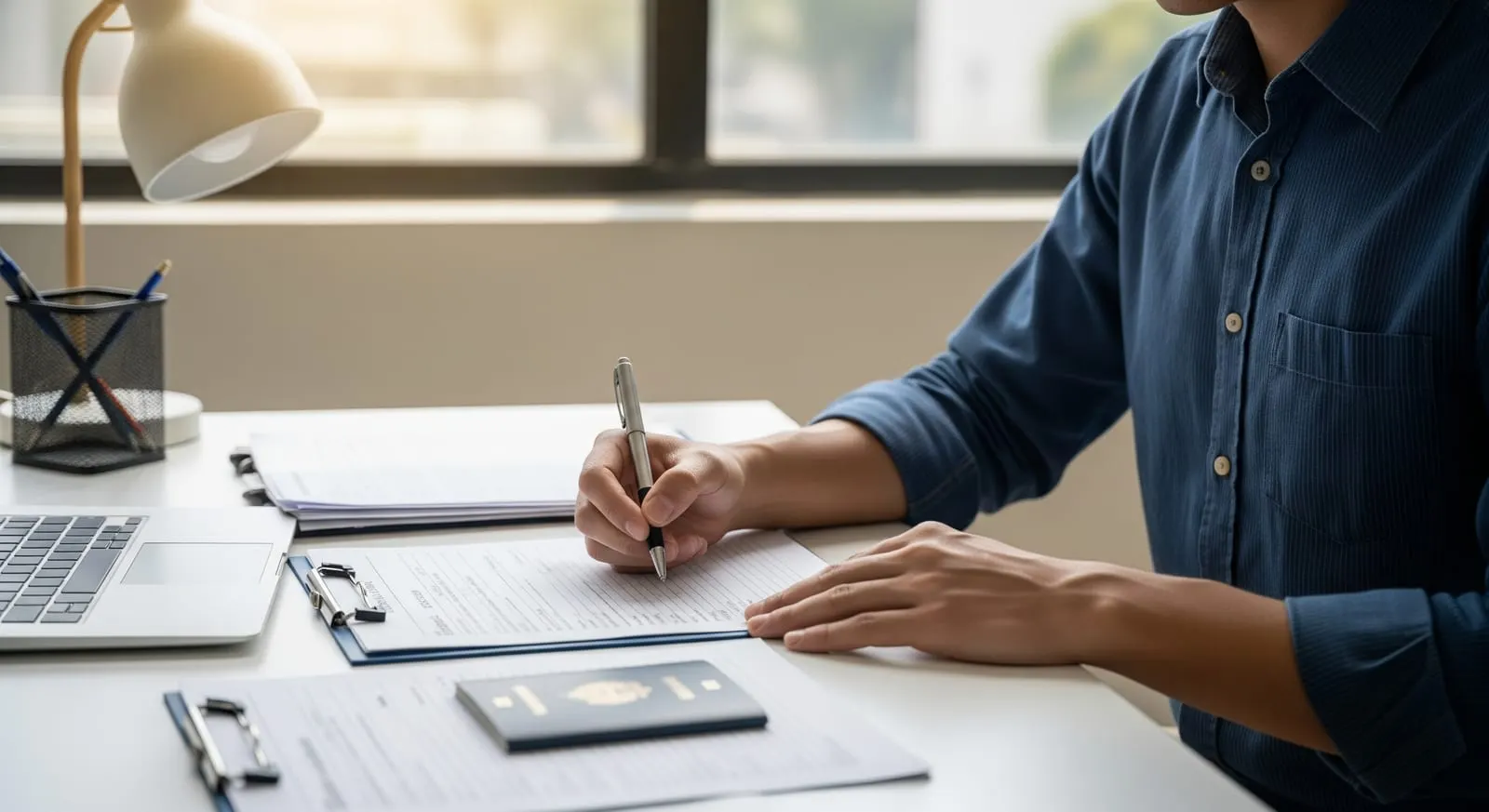
The Royal Thai Embassy in Mexico City is the primary diplomatic mission for all of Mexico, meaning applicants from Guadalajara, Monterrey, Mérida, and everywhere else fall under its consular jurisdiction. This coverage eliminates any need to travel to the capital—your DTV application, document uploads, and communication happen digitally. The Embassy's role is to review the documents in your e-Visa application and, if anything needs clarifying, send you a request for further documents—it does not issue or adjudicate the visa itself.

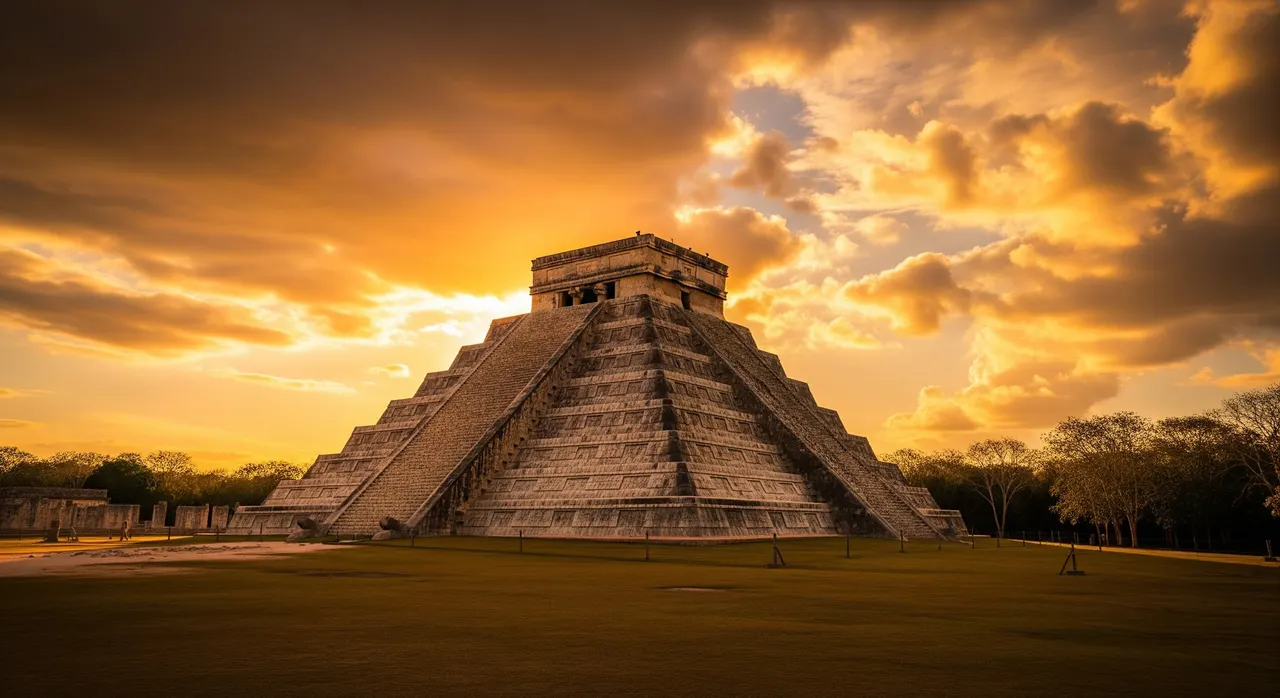
Mexico City — applying for the Destination Thailand Visa from Mexico

Mexico–Thailand Lifestyle & Connectivity

Mexico City shares a similar vibrant, bustling energy with Bangkok, but the allure for many Mexican DTV applicants is Thailand's dramatically lower cost of living. On average, daily expenses in hubs like Chiang Mai or Koh Phangan can be 30–50% less than in Mexico's major cities. The time difference is around 13 hours (Mexico City is UTC-6, Thailand UTC+7), which suits remote workers whose clients are in the Americas—they can work late at night and explore tropical mornings. While no direct flights exist, connections through Europe, the Middle East, or the US regularly link Benito Juárez Airport to Bangkok's Suvarnabhumi, with typical total travel times of 22–28 hours.

Preparing Mexican Documents for the DTV

When gathering your evidence, keep in mind that all documents must be in English or Thai. Spanish-language documents like bank statements ( estados de cuenta ), employment letters ( cartas de empleo ), or freelance contracts often need a certified translation. Mexican banks—including BBVA, Santander, Banorte, and digital banks like Cuenca or Klar—provide statements that are accepted if they clearly show your name, account number, and a balance equivalent to at least 500,000 THB (~290,000 MXN). If you're a freelancer, your CFDI electronic invoices and bank records can help demonstrate a steady income stream. For soft-power activities, enrollment letters from Mexican institutions may require additional attestation—check with our team for the latest tips.

Who applies through this office

  • Applicants residing in Mexico and the areas covered by this mission. See the full guide: DTV visa for Mexico .
  • The DTV is applied for online — there is no in-person lodgement at this office, and our team can prepare and submit it for you.

How to apply for the DTV from Mexico

  1. Confirm you qualify: You must be a remote worker for a non-Thai employer, a freelancer, or planning to engage in soft-power activities like Muay Thai, Thai cooking, or music. The DTV does not permit local employment in Thailand.
  2. Build your financial proof: Save up 500,000 THB (~$15,000) and keep it in a dedicated account. In Mexico, your bank's app or web portal can generate a PDF statement; print and scan it if needed. The balance must remain stable for at least 3 months if the embassy requests history.
  3. Gather category evidence: For remote workers, provide an employment contract and a letter from your employer. Freelancers can submit a portfolio of work, client contracts, and corresponding CFDI invoices. Soft-power applicants need an official enrollment or invitation letter from the Thai institution.
  4. Translate and digitize: Ensure every document is in English or Thai. Use a certified translator for Spanish originals. Scan or save all files as clear PDFs.
  5. Let us submit on the e-Visa portal: send us your documents and our team prepares and lodges your DTV application on thaievisa.go.th for you, selecting the correct mission, completing the DTV form, and uploading your evidence in the required file formats and sizes.
  6. Respond to document requests: If the Embassy emails you a 'Request for Further Document,' reply within the given timeframe with exactly what they ask for. This is a routine step and not a sign of trouble.
  7. Let DTVThaiVisa.com review everything: Our experts will check your entire package for common pitfalls and missing translations. From just $139, you get peace of mind and a higher chance of first-time approval.

Frequently asked questions

Do I really need to go to the Thai Embassy in Mexico City to apply for the DTV?

No, the entire DTV process is online. The Royal Thai Embassy in Mexico City simply serves as the jurisdiction-holding mission that reviews your e-Visa application. There is no in-person lodgement, so you can apply from anywhere in Mexico.

Are bank statements from Mexican banks like BBVA or Santander accepted?

Yes, absolutely. As long as the statement clearly displays your full name, account details, and a balance equivalent to at least 500,000 THB (~290,000 MXN), it will be accepted. Both traditional banks and digital banks are fine.

My employment contract is in Spanish—can I submit it as is?

All documents submitted with your DTV application must be in English or Thai. We strongly recommend getting a certified translation of your Spanish-language contract, job letter, or any other supporting paperwork.

Is the DTV a good fit for Mexicans working remotely for US companies?

Yes, it's an excellent fit. As long as your employer is not Thai and you perform work online, you qualify under the remote worker category. The time zone difference actually favours US-based clients, allowing you to work late evenings in Thailand while enjoying days off.

How long does it take to get the DTV from Mexico?

Processing times vary, and we avoid quoting exact days because each case is unique. A well-prepared, complete application typically moves faster. The Embassy may request additional documents, which can extend the timeline—our team helps you stay ahead of such requests.

Can I apply for the DTV if I'm a foreigner living in Mexico legally?
Yes, the Thai Embassy in Mexico City covers anyone with legal residence in Mexico, whether you're a citizen or a temporary/permanent resident. You just need to prove your legal status through a residence card or visa.

Apply for your 5-year DTV the easy way

We prepare, submit and follow up your application — apply from $139, with a 100% refund if denied (with the optional Denial Protection add-on).

Start your application

General guidance only — not legal advice. The DTV is applied for online via the Thai e-Visa portal; mission jurisdictions and requirements change over time. Confirm details on the official portal or let our team handle it for you.

Documents this office commonly asks for

Whichever office reviews your application, these are the requests applicants see most — and how to answer them: