Skip to content
Where you apply · Malaysia

Apply for the DTV at the Thai Embassy in Kuala Lumpur

How to apply for Thailand's Destination Thailand Visa (DTV) from Kuala Lumpur. Learn about the online process, required documents, and local tips for Malaysia
Royal Thai Embassy 📍 Kuala Lumpur, MalaysiaDTV applied for online

If you're applying for the Destination Thailand Visa (DTV) from Kuala Lumpur, the Royal Thai Embassy in Kuala Lumpur is the diplomatic mission covering your application. The good news: you won't need to visit the embassy in person. The DTV is lodged entirely online through Thailand's e-Visa portal, and this mission may issue a “Request for Further Document” while reviewing your file. Our guide explains what you need to know about applying from Malaysia—common local document requirements, lifestyle ties to Thailand, and how to handle embassy requests. With our expert review service (from $139), you can submit a polished application that meets the embassy's expectations.

Who This Embassy Covers and What It Means for Your DTV Application
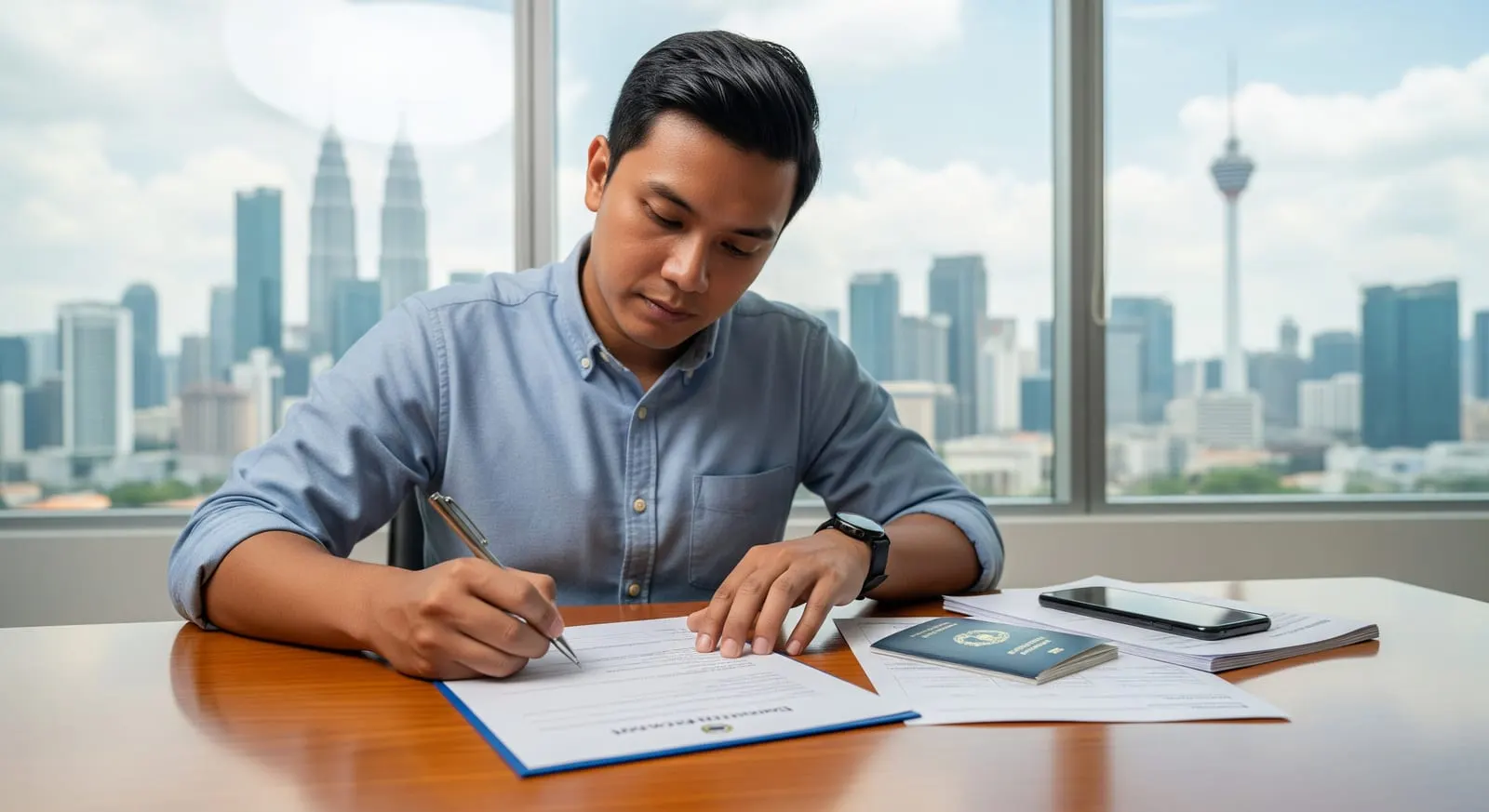
The Royal Thai Embassy in Kuala Lumpur holds consular jurisdiction over all of Malaysia, including Peninsular Malaysia, Sabah, and Sarawak. When we lodge your online application, this is the mission we select as the covering post. While the DTV is not issued in person—everything is handled via the e-Visa portal—the embassy may send you a “Request for Further Document” (RFD) if they need clarification. This is perfectly normal and part of the remote review process. Responding accurately and quickly is key. Note that if you are a resident of a neighbouring country like Singapore or Indonesia, you must choose the appropriate Thai mission; the Kuala Lumpur embassy only covers Malaysian residents and nationals.

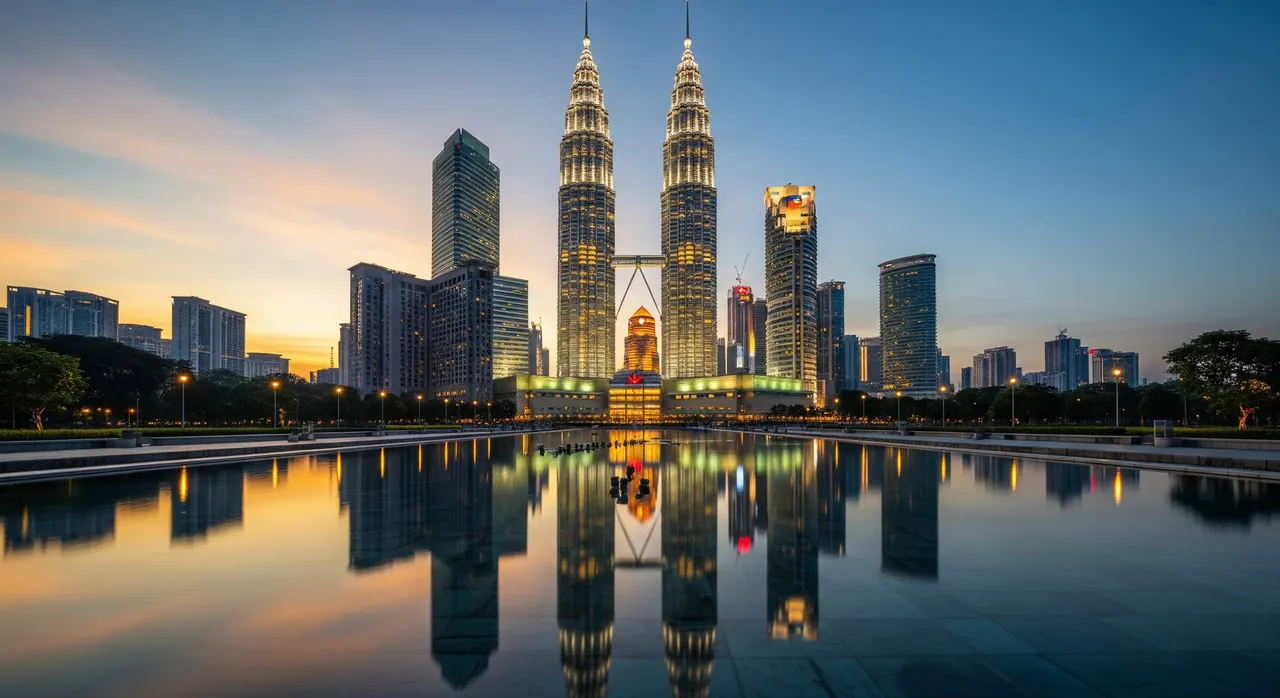
Kuala Lumpur — applying for the Destination Thailand Visa from Malaysia

Kuala Lumpur–Thailand Connections: Time Zones, Flights, and Lifestyle

Kuala Lumpur is one of Southeast Asia’s most connected hubs for Thailand. A one‑hour time difference (Malaysia is UTC+8, Thailand UTC+7) means you can maintain your remote work schedule with minimal disruption. Budget airlines like AirAsia offer multiple daily flights from KLIA2 to Bangkok, Phuket, Chiang Mai, and Krabi—often for less than RM200 round‑trip. This proximity explains why so many KL‑based digital nomads and expats use the DTV for frequent, extended stays. Whether you’re a Malaysian citizen or a foreign professional living in the Klang Valley, the DTV fits seamlessly into the regional lifestyle, allowing you to explore Thailand’s culture, cuisine, and coworking spaces without long‑haul travel.

Local Document Norms: Malaysian Bank Statements and Employment Letters

Malaysia’s banking and employment documentation practices are well‑suited for the DTV. Major banks like Maybank, CIMB, and Public Bank issue statements in English by default, which are accepted as‑is. The financial requirement is 500,000 THB—roughly MYR 65,000 at current rates—held for at least three months. For employment letters, many Malaysian companies draft them in English; if yours is in Bahasa Malaysia, an unofficial translation is usually sufficient. Self‑employed applicants can use LHDN (Inland Revenue Board) e‑filing summaries, invoices, or client contracts. Importantly, Malaysia does not require attestation from the Ministry of Foreign Affairs for personal visa documents—self‑certified true copies are the norm. This simplifies the application process considerably.

Who applies through this office

  • Applicants residing in Malaysia and the areas covered by this mission. See the full guide: DTV visa for Malaysia .
  • The DTV is applied for online — there is no in-person lodgement at this office, and our team can prepare and submit it for you.

How to apply for the DTV from Malaysia

  1. Determine your DTV category: Are you a remote worker for an overseas employer, a freelancer serving international clients, or pursuing a soft‑power activity like Muay Thai training or Thai cooking? This choice dictates your supporting evidence.
  2. Prepare proof of funds: Hold at least 500,000 THB (approximately MYR 65,000 or $15,000) in a Malaysian bank account—savings or current—for a minimum of three consecutive months. The statement must show the ending balance clearly; many applicants use a separate dedicated account for simplicity.
  3. Gather your category‑specific documents: Remote workers need an employment contract and a letter from the employer confirming you can work outside Malaysia. Freelancers should compile contracts, invoices, and a portfolio. Soft‑power participants must present a confirmed enrolment or engagement letter from a recognised Thai institution.
  4. Our team lodges your application on the Thai e‑Visa portal (thaievisa.go.th) for you, selecting the ‘Royal Thai Embassy, Kuala Lumpur’ as the covering mission and completing the form carefully—any mismatch could trigger an RFD.
  5. We upload all required documents as clear, colour PDF scans, organised to the portal’s checklist and within the file-size limits. We double‑check that your bank statement shows a consistent balance and that employment letters include company letterhead and contact details.
  6. We monitor your application status. If the embassy issues a Request for Further Document (RFD), we respond precisely—submitting only what is asked for, by the given deadline. Our team interprets and answers these requests correctly.
  7. Before submission, our DTV experts review your entire bundle. We’ll check for common mistakes, ensure compliance with Kuala Lumpur embassy preferences, and give you peace of mind. Our service starts from $139.

Frequently asked questions

Do I need to visit the Thai Embassy in Kuala Lumpur to apply for the DTV?

No, the DTV application is entirely online. You only interact with the embassy if they request additional documents through the e‑Visa portal. There are no in‑person lodgements or interviews for this visa category.

How long does DTV processing take when applying from Kuala Lumpur?

Processing times vary case by case. The embassy reviews applications as they are submitted and may pause for RFDs. We cannot quote a fixed number of days. To avoid delays, ensure your documents are complete and legible before uploading.

What do Malaysian bank statements need to show for the DTV?

They must display the account holder’s name, account number, and a closing balance of at least 500,000 THB equivalent (around MYR 65,000) held for three consecutive months. Statements from all major Malaysian banks are issued in English and accepted without translation.

Can I use a Malaysian employment contract for the DTV?

Yes, provided it clearly states you are permitted to work remotely from outside Malaysia. If the contract is in Bahasa Malaysia only, include an unofficial English translation. The employer’s letter confirming remote work arrangements is equally important.

I’m a freelancer in Kuala Lumpur. What proof of work is accepted?

Freelancers can show client contracts, invoices, bank statements reflecting income, and references to professional portfolios. Tax filings from LHDN (e‑filing) or EPF contributions can also substantiate your self‑employment status.

Does the Thai Embassy in Kuala Lumpur require document attestation?

For the DTV, self‑certified true copies are generally accepted. Malaysia does not impose mandatory attestation by the Ministry of Foreign Affairs for personal visa documents. However, if a specific document appears unclear, the embassy may request a notarised version.

I reside in Sabah or Sarawak—which Thai mission should I choose?
The Royal Thai Embassy in Kuala Lumpur covers all Malaysian states, including Sabah and Sarawak. Our team always selects ‘Royal Thai Embassy, Kuala Lumpur’ as the covering mission in the e‑Visa portal when we lodge your application. There is no separate consulate for East Malaysia covering the DTV.

Apply for your 5-year DTV the easy way

We prepare, submit and follow up your application — apply from $139, with a 100% refund if denied (with the optional Denial Protection add-on).

Start your application

General guidance only — not legal advice. The DTV is applied for online via the Thai e-Visa portal; mission jurisdictions and requirements change over time. Confirm details on the official portal or let our team handle it for you.

Documents this office commonly asks for

Whichever office reviews your application, these are the requests applicants see most — and how to answer them: