Skip to content
Where you apply · Nepal

Apply for the DTV at the Thai Embassy in Kathmandu

Apply for the Thailand DTV from Nepal via the Royal Thai Embassy in Kathmandu. Learn about the online process, local document tips, and how our service helps
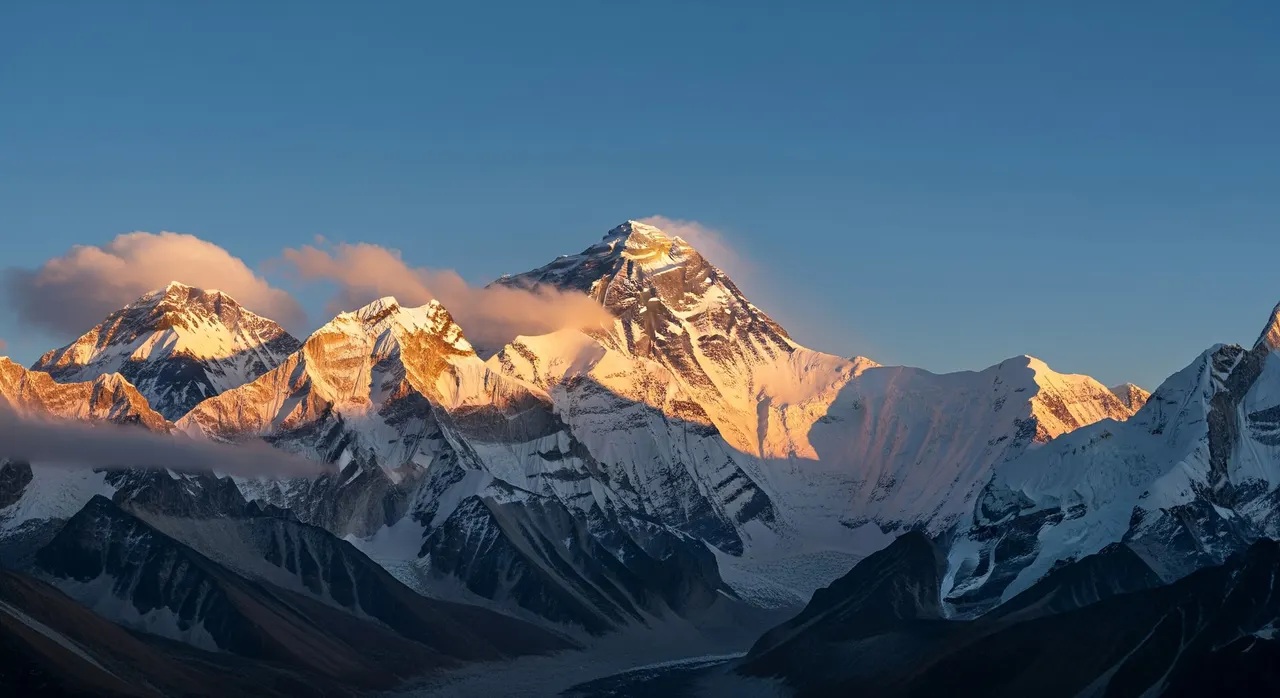
Royal Thai Embassy 📍 Kathmandu, NepalDTV applied for online

Applying for Thailand’s 5-year Destination Thailand Visa (DTV) from Nepal is entirely online—so there’s no need to visit the Royal Thai Embassy in Kathmandu in person. This mission covers applicants residing in Nepal, and while you don’t lodge your application at the embassy, it may contact you if further documents are required. The whole process runs through the central Thai e-Visa portal, and our consultancy helps you submit a polished application that meets every requirement. Whether you’re a digital nomad in Kathmandu, a freelancer in Pokhara, or pursuing a soft-power activity like Muay Thai training, the DTV lets you live and work remotely from Thailand for up to 180 days per entry.

Applying from Nepal: what the Royal Thai Embassy in Kathmandu covers
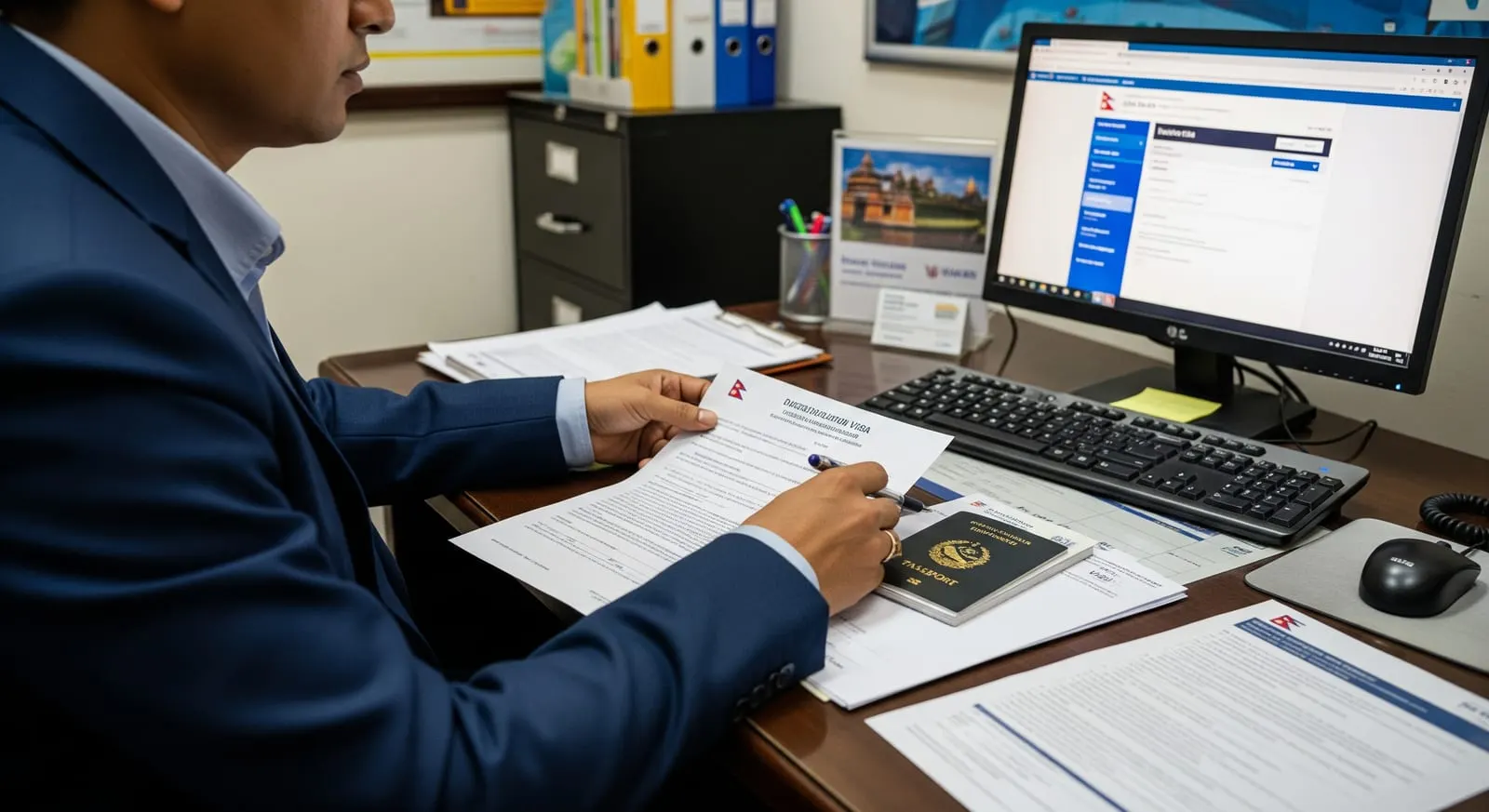
The Royal Thai Embassy in Kathmandu is the diplomatic mission serving all of Nepal. If you are a Nepali citizen or a foreign national holding a valid Nepal residence permit, your DTV application will be routed through this embassy for document verification. The embassy’s consular team reviews e-Visa submissions digitally and may issue a ‘Request for Further Document’ through the portal, so it’s important to list your correct jurisdiction when applying. Being close to Thailand’s time zone (Nepal is just 1 hour and 15 minutes behind) and having multiple direct flights from Kathmandu to Bangkok makes it easy to coordinate any follow-up with the mission or plan your move.

Kathmandu — applying for the Destination Thailand Visa from Nepal

Why Nepal is a natural springboard for the DTV

Nepal’s low cost of living allows remote workers to build the 500,000 THB (~$15,000) financial cushion the DTV requires, often faster than in more expensive countries. Kathmandu’s buzzing café culture and coworking spaces are full of freelancers and entrepreneurs already earning in foreign currencies, which aligns perfectly with the DTV’s ‘work-from-anywhere’ philosophy. Flights to Thailand are short and affordable—under 4 hours to Bangkok with regular connections—so settling in or doing border runs is hassle-free. The cultural affinity and established Nepali community in Thailand (especially in Bangkok and Chiang Mai) also mean you’ll find a home away from home.

Local documents: what Nepali applicants should prepare

When applying for the DTV, you’ll likely need a bank statement showing the required funds. Nepali banks issue statements in English by default, and you can request a signed and stamped version from your branch—this is usually sufficient for the e-Visa system. If you’re employed by a Nepali company, an employment letter on official letterhead confirming your remote work eligibility is essential; freelancers should provide contracts or a portfolio of clients. While the embassy doesn’t demand document attestation for the DTV, having your financial documents certified by a notary public in Nepal (readily available in Kathmandu) can add an extra layer of credibility. For soft-power activities like Thai cooking or martial arts, a simple confirmation letter from the training institution is enough—no need for local notarization.

Who applies through this office

  • Applicants residing in Nepal and the areas covered by this mission. See the full guide: DTV visa for Nepal .
  • The DTV is applied for online — there is no in-person lodgement at this office, and our team can prepare and submit it for you.

How to apply for the DTV from Nepal

  1. Check you meet the DTV qualifications: remote worker, freelancer, digital nomad, or participant in a soft-power activity (e.g., Muay Thai, Thai cooking course, medical treatment).
  2. Prepare proof of funds: a bank statement showing at least 500,000 THB (~$15,000). This can be a fixed deposit, savings balance, or an investment account from any bank in Nepal.
  3. Collect your category evidence: employment contract, client agreements, professional portfolio, or enrollment confirmation from a Thai institution. All documents should be in English or accompanied by a certified translation.
  4. Our team lodges your DTV application on the official Thai e-Visa portal (thaievisa.go.th) for you, selecting “Royal Thai Embassy, Kathmandu” as the covering mission.
  5. We handle the visa fee as part of submission. (Note: we never quote government fees.)
  6. If the embassy issues a Request for Further Document, we respond precisely and upload the additional files through the portal—no in-person visit to the embassy is ever needed.
  7. Our consultants review your entire application before it is submitted. Our service starts from $139, and we ensure all documents meet the mission’s expectations.

Frequently asked questions

Do I need to go to the Thai Embassy in Kathmandu to apply for the DTV?

No. The DTV is applied for entirely online via the Thai e-Visa system. The embassy does not accept in-person applications for this visa. They may contact you through the portal if additional information is needed.

I’m a foreign national living in Nepal. Can I apply for the DTV from here?

Yes, as long as you hold a valid Nepali residence permit or long-term visa. The Royal Thai Embassy in Kathmandu handles applications from all lawful residents of Nepal, not just citizens.

How should I prove the 500,000 THB financial requirement from Nepal?

A bank statement from any Nepali bank (in English) showing the equivalent amount in NPR or a major foreign currency is acceptable. Fixed deposits and joint accounts also work, but the statement must clearly display your name and the balance.

Will the embassy ask for documents in Thai language?

Typically documents in English are fine. If you have contracts or certificates in Nepali, get them translated into English by a certified translator. The embassy rarely asks for Thai translations for the DTV.

How long does it take to get the DTV after applying from Nepal?

Processing times are not fixed and depend on the embassy’s workload. Since everything is digital, you’ll get updates via the e-Visa portal. If you receive a request for more documents, respond quickly to avoid delays.

Can I include my family in my DTV application?

Yes, spouses and children under 20 can apply as dependants. Each must submit a separate application and provide proof of relationship (marriage or birth certificate) and the main applicant’s financial evidence.

What if my bank statement is in NPR? Is that accepted?
Yes, the embassy will calculate the equivalent amount in THB based on the prevailing exchange rate. Just make sure the NPR balance comfortably covers 500,000 THB at the time of application.

Apply for your 5-year DTV the easy way

We prepare, submit and follow up your application — apply from $139, with a 100% refund if denied (with the optional Denial Protection add-on).

Start your application

General guidance only — not legal advice. The DTV is applied for online via the Thai e-Visa portal; mission jurisdictions and requirements change over time. Confirm details on the official portal or let our team handle it for you.

Documents this office commonly asks for

Whichever office reviews your application, these are the requests applicants see most — and how to answer them: