Skip to content
Where you apply · Pakistan

Apply for the DTV at the Thai Embassy in Islamabad

Apply for Thailand's Destination Thailand Visa (DTV) from Islamabad, Pakistan. Expert guidance on the online e-Visa process, local document tips, and how our
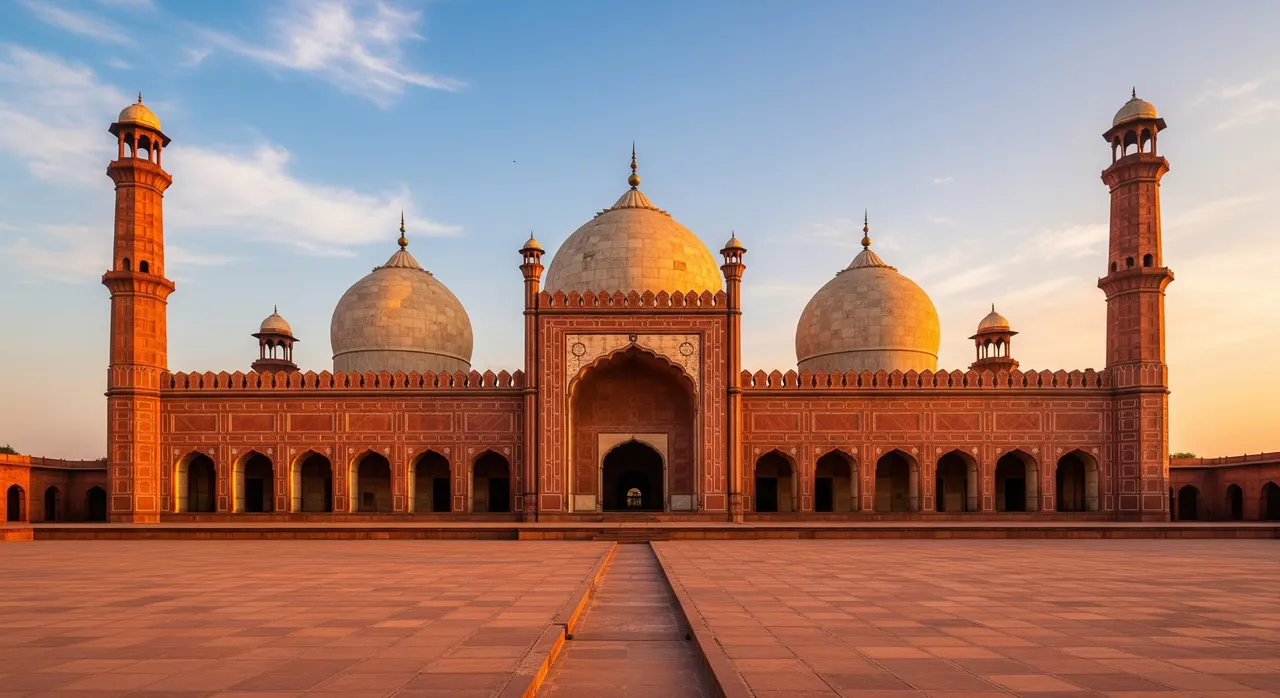
Royal Thai Embassy 📍 Islamabad, PakistanDTV applied for online

If you’re in Pakistan and dreaming of a long-term stay in Thailand, the Destination Thailand Visa (DTV) is your gateway. The Royal Thai Embassy in Islamabad is the diplomatic mission that covers your application, but here’s the key point: the DTV is applied for entirely online , and our team prepares and submits it for you. No need to visit the embassy or stand in queues — the process is digital from start to finish. This guide explains what applicants in Islamabad and across Pakistan should know, from preparing local financial documents to responding to any embassy requests. With the right support, your 5-year, multiple-entry DTV is well within reach.

Coverage of the Royal Thai Embassy in Islamabad
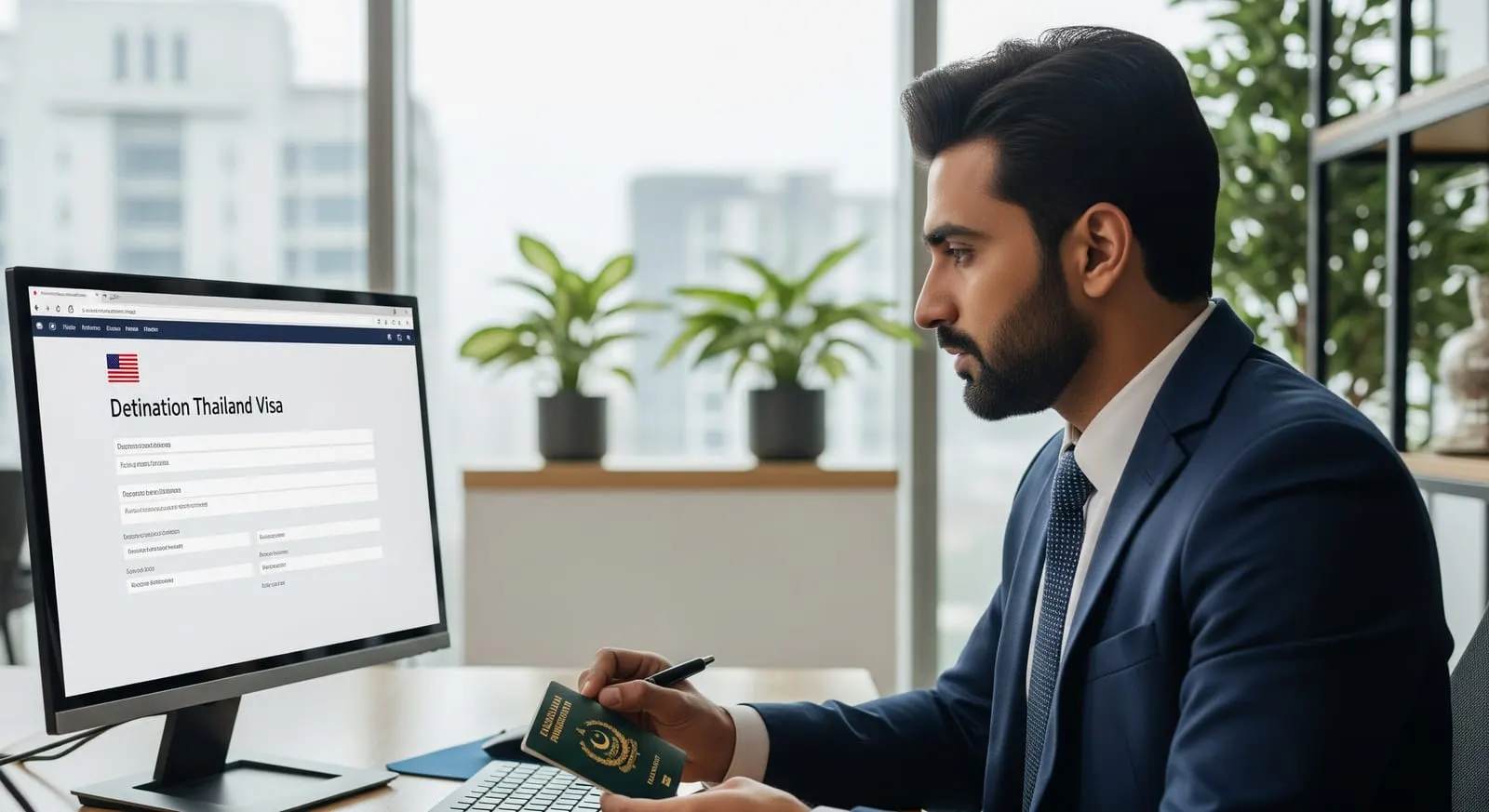
The Royal Thai Embassy in Islamabad is the mission whose jurisdiction covers all residents of Pakistan for the DTV. The DTV application is lodged online via the Thai e-Visa portal, and our team selects this mission for you when submitting your file. The embassy does not accept walk‑in DTV applications, but it may contact you through the system if additional documents are needed. For Pakistanis living overseas, the application is made through the Thai mission where you legally reside; the Islamabad embassy only covers individuals with a provable Pakistani residence.

Islamabad — applying for the Destination Thailand Visa from Pakistan

Applying from Pakistan: What Makes It Unique

Pakistanis enjoy quick, direct flights to Thailand — from Islamabad International Airport to Bangkok is roughly five hours, with minimal time‑zone difference (Pakistan is one hour behind Thailand). This easy connectivity makes the DTV especially attractive for frequent travellers, remote workers, and families. Local living costs are different: you’ll need to show the equivalent of 500,000 THB (~ $15,000), which is a substantial sum in Pakistani rupees. Many applicants use bank statements from major Pakistani banks like HBL, UBL, or Standard Chartered. The e‑Visa platform accepts scans in English or with certified translations, so ensure your financial documents are clearly convertible to THB.

Soft‑power categories (such as Muay Thai training, cooking courses, or medical treatment) often involve certificates from Pakistani institutions. If your documents are in Urdu or another language, you’ll need an official English translation — a common practice for attestation through the Higher Education Commission or foreign office. For remote workers, a simple employment letter on company letterhead plus proof of income is usually sufficient, but be prepared to explain how your work can be performed legally from Thailand.

Local Document Norms and Practical Tips

Pakistani banks issue monthly statements that typically show your average balance. The Thai e‑Visa system requires that the funds are held in the account for a consistent period, so a stable 3–6 month statement is advisable. Avoid last‑minute large deposits that can raise questions. For employment verification, Pakistani companies often provide standard letters; if you’re a freelancer, gather contracts from international clients and payment proofs. Remember that the embassy may ask for a letter explaining your work setup — have a clear, honest description ready.

If you’re applying for a soft‑power activity, such as learning Thai boxing, local gyms or associations may issue membership certificates. Consider having these attested by a notary or relevant authority to strengthen your application. Our team can help you review such documents to meet Thai mission expectations.

Who applies through this office

  • Applicants residing in Pakistan and the areas covered by this mission. See the full guide: DTV visa for Pakistan .
  • The DTV is applied for online — there is no in-person lodgement at this office, and our team can prepare and submit it for you.

How to apply for the DTV from Pakistan

  1. Confirm your eligibility — the DTV suits remote workers, freelancers, digital nomads, and those pursuing soft‑power activities (e.g., Muay Thai, Thai cooking, medical treatment, or education) in Thailand.
  2. Prepare your financial proof: at least 500,000 THB (~$15,000) in a bank account. Pakistani bank statements are accepted; ensure they are in English and clearly show the equivalent amount in THB.
  3. Gather supporting documents based on your category. For a ‘workcation’, obtain a letter from your employer confirming remote work permission or freelance contracts. For soft‑power, secure enrolment confirmation from a Thai institution or relevant certificates.
  4. Our team starts your application on the Thai e‑Visa website (www.thaievisa.go.th) for you. We select ‘Royal Thai Embassy, Islamabad’ as the mission whose jurisdiction covers your case and fill in all personal and travel details accurately.
  5. We upload the required documents: passport bio‑page, passport‑sized photo, bank statements, category evidence, and any additional papers, double‑checking that everything is legible and in the accepted formats.
  6. We submit your application and handle the visa fee online as part of your submission. If the embassy issues a ‘Request for Further Document’ via the portal, our experts interpret and fulfil it for you, responding promptly with exactly what they ask.
  7. Before we submit, our team reviews your entire packet to catch errors and omissions. Our service starts from $139, giving you peace of mind and a higher chance of smooth approval.

Frequently asked questions

Do I need to visit the Thai Embassy in Islamabad in person for the DTV?

No. The Destination Thailand Visa application is fully online. Our team submits everything through the Thai e‑Visa portal for you, and the embassy only gets in touch if it requests additional documents digitally.

Can I apply for the DTV from Islamabad if I’m a Pakistani citizen living or working abroad?

You must apply at the Thai embassy or consulate where you legally reside. If you’re based in another country, you cannot use the Islamabad mission unless you have a valid Pakistani residence permit or move back temporarily.

How do I convert my Pakistani bank balance to the required 500,000 THB?

The e‑Visa system expects you to demonstrate the Thai baht equivalent. You can use a recent exchange rate (e.g., from the State Bank of Pakistan) and mention the conversion in a cover letter. The statement should clearly show the funds have been held for some time.

What if my documents are in Urdu or another local language?

All documents must be in English or Thai. Get a certified translation for any non‑English certificates, employment letters, or bank statements. Pakistani translation services are widely available, and attestation from a notary can add credibility.

How long will it take to get a decision from the embassy?

Processing times vary, but e‑Visa applications are typically reviewed within a few weeks. Avoid booking non‑refundable travel until your visa is approved, and keep an eye on your e‑mail for any embassy communication.

Is the DTV a multiple‑entry visa, and can I work for a Pakistani company while in Thailand?

Yes, the DTV allows multiple entries over 5 years. You can work remotely for an employer or clients outside Thailand, including Pakistani companies, as long as your work is not for a Thai entity.

I’m a freelancer in Pakistan — what proof do I need?
Provide contracts, invoices, or work agreements with non‑Thai clients, plus bank statements showing income from those sources. A detailed cover letter explaining your freelance business model helps the embassy understand your situation.

Apply for your 5-year DTV the easy way

We prepare, submit and follow up your application — apply from $139, with a 100% refund if denied (with the optional Denial Protection add-on).

Start your application

General guidance only — not legal advice. The DTV is applied for online via the Thai e-Visa portal; mission jurisdictions and requirements change over time. Confirm details on the official portal or let our team handle it for you.

Documents this office commonly asks for

Whichever office reviews your application, these are the requests applicants see most — and how to answer them: