Skip to content
Africa

DTV Visa for Zimbabwean Citizens
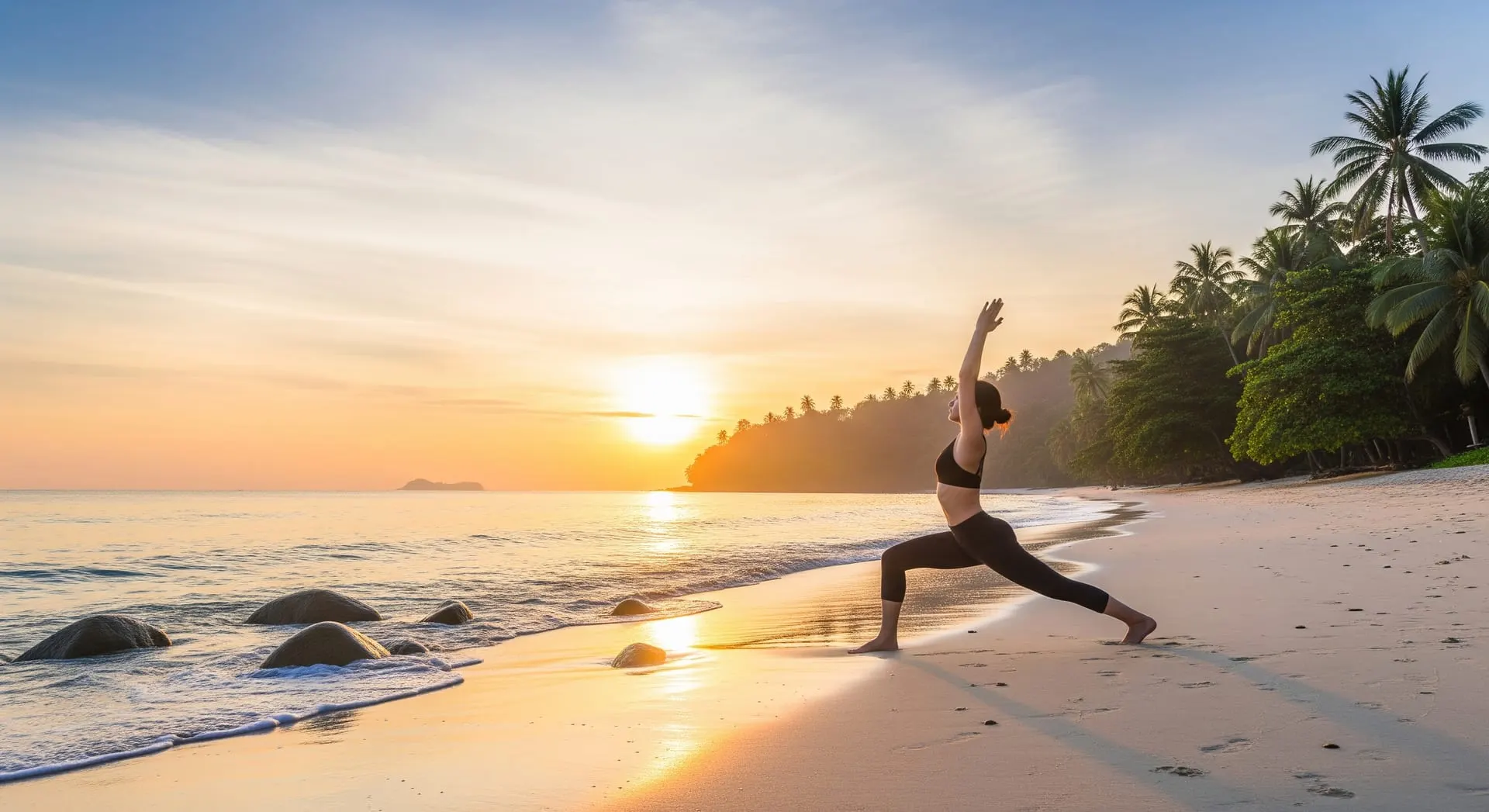
Imagine trading the familiar rhythms of Harare or Bulawayo for the vibrant energy of Bangkok, the cool green mountains of Chiang Mai, or the tropical shores of Phuket. For adventurous Zimbabweans , Thailand is no longer just a holiday dream — it is becoming a real place to live, work remotely, and thrive . With a lower cost of living, reliable power and fast internet, and a famously warm culture, Thailand offers a fresh start away from economic pressure at home while opening doors to an international lifestyle. The Destination Thailand Visa (DTV) is a 5-year, multiple-entry visa that lets you stay up to 180 days per entry — and DTVThaiVisa.com handles the entire application for you, with service starting from just $139.

Every Zimbabwean citizen is eligible to apply

5

Years validity

180

Days per entry

500k

THB proof of funds

$139

Service fee from

100%

Refund if denied*

Why Zimbabwean citizens choose Thailand

Living in Thailand from Zimbabwe

Section 01

Why Zimbabweans Are Choosing Thailand

Zimbabweans are increasingly drawn to Thailand's blend of tropical climate, modern amenities, and affordable living . Zimbabwe has its own breathtaking beauty — Victoria Falls, the Eastern Highlands, the wildlife of Hwange — but many residents are weary of currency instability, load-shedding, and limited career opportunities. Thailand's dependable electricity, near-universal high-speed internet, and large, established expat scene are a striking contrast. The warm year-round weather is a welcome change from the chilly Highveld winters in Harare and Bulawayo. Culturally, Thailand is the "Land of Smiles," and its Buddhist heritage, relaxed pace, and legendary street-food scene make settling in feel natural. For remote professionals, Thailand sitting 5 hours ahead of Zimbabwe can actually be an advantage, letting you overlap comfortably with European, Gulf, and Asian clients while keeping your evenings free.

Zimbabwean Expat Insight

Many Zimbabweans first visit Thailand on holiday and fall for the lifestyle. Take a short scouting trip before you commit — explore neighbourhoods like Nimmanhaemin in Chiang Mai or On Nut in Bangkok, both popular with digital nomads, to get a genuine feel for daily expat life.

Section 02

Cost of Living: Zimbabwe vs Thailand

Your money generally stretches further in Thailand than in Zimbabwe's main cities, especially once you account for the quality of the infrastructure you get in return. In Harare, a decent one-bedroom apartment in a good suburb often runs well over US$400 a month, frequently with unreliable water and power. In Chiang Mai, US$300–$500 secures a modern condo with a pool, gym, and stable fibre internet. Food shows the same gap: a sit-down meal in Harare might cost US$10–$15, while a tasty Thai dish from a street stall is around 50–70 THB (about US$1.50–$2) , and a casual restaurant meal in Bangkok is roughly US$3–$5. Groceries are cheaper, public transport is a fraction of the price (a Bangkok BTS Skytrain ride is well under US$2), and coworking memberships with blazing internet run US$50–$100 a month.

What Your Money Gets in Thailand

On around US$1,200–$1,500 a month, a single person can live comfortably in Chiang Mai — covering rent, food, transport, and entertainment. In Harare, that same budget is often stretched thin by high import costs, US-dollar pricing, and inflation.

Section 03

Getting to Thailand from Zimbabwe

The trip from Zimbabwe to Thailand is long but well-trodden. Most journeys begin at Robert Gabriel Mugabe International Airport in Harare (HRE) or Joshua Mqabuko Nkomo International Airport in Bulawayo (BUQ). There are no direct flights, so you will connect through a hub — most commonly Addis Ababa (Ethiopian Airlines), Johannesburg (then onward via Emirates, Qatar Airways, or Singapore Airlines), Dubai, or Doha . Total travel time, including layovers, typically runs 16 to 22 hours depending on the routing. You will usually land at Suvarnabhumi Airport (BKK) in Bangkok. Thailand runs on UTC+7 (Indochina Time) while Zimbabwe is UTC+2 (Central Africa Time) all year, so Thailand is consistently 5 hours ahead of home — handy to remember for that first call back to Harare or for planning remote-work hours.

  • Routing via Johannesburg (OR Tambo) often gives the most options, with frequent SAA and regional hops connecting to Gulf and Asian carriers.
  • Ethiopian Airlines via Addis Ababa is a popular single-stop option from Harare with competitive fares and generous baggage.
  • Consider a deliberate stopover in Dubai, Doha, or Addis Ababa to break up the journey rather than racing through a tight connection.
  • Once in Bangkok, low-cost carriers like AirAsia, Nok Air, and Thai Lion Air reach Chiang Mai, Phuket, and other cities for roughly US$30–$60.
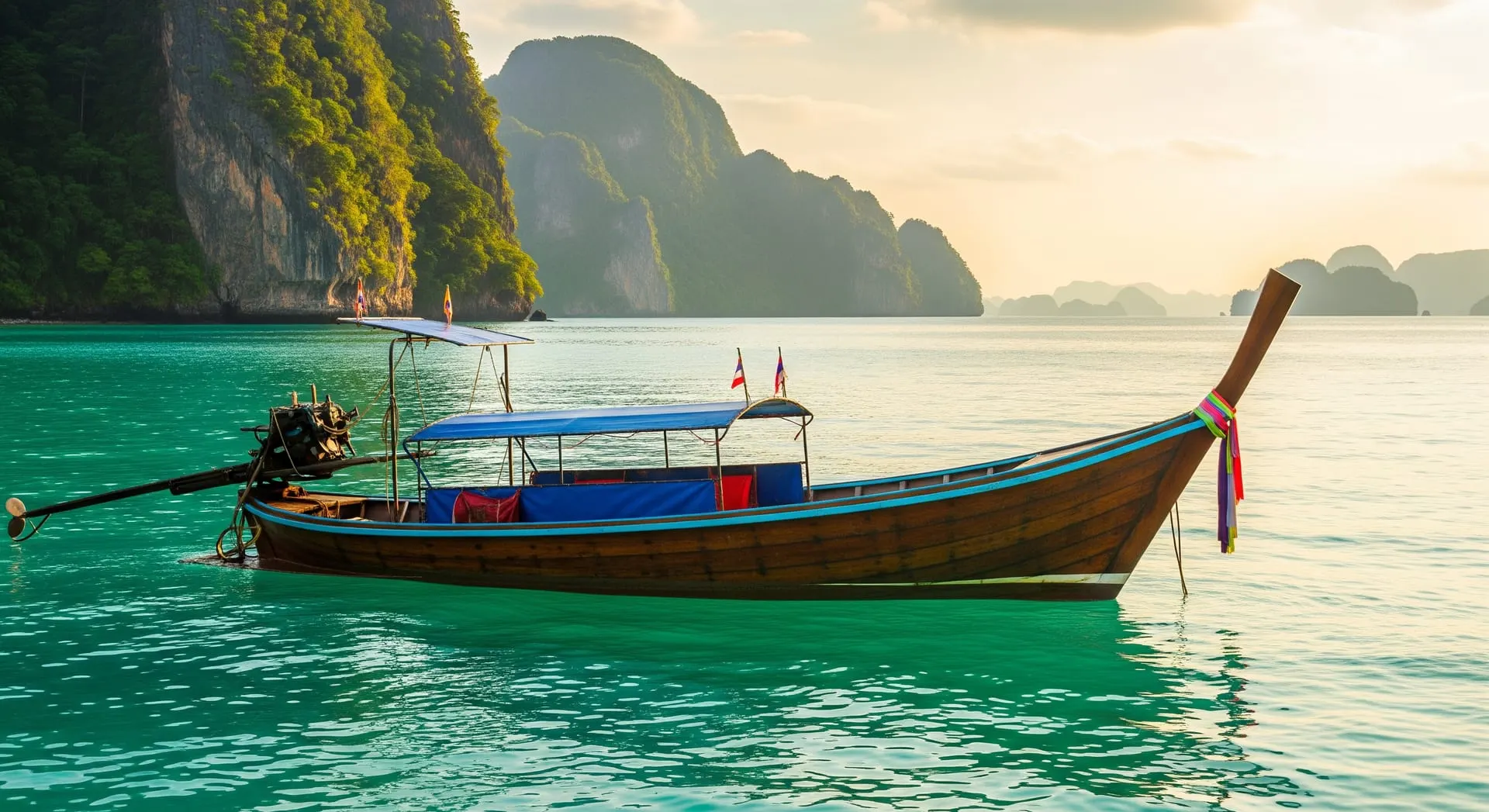
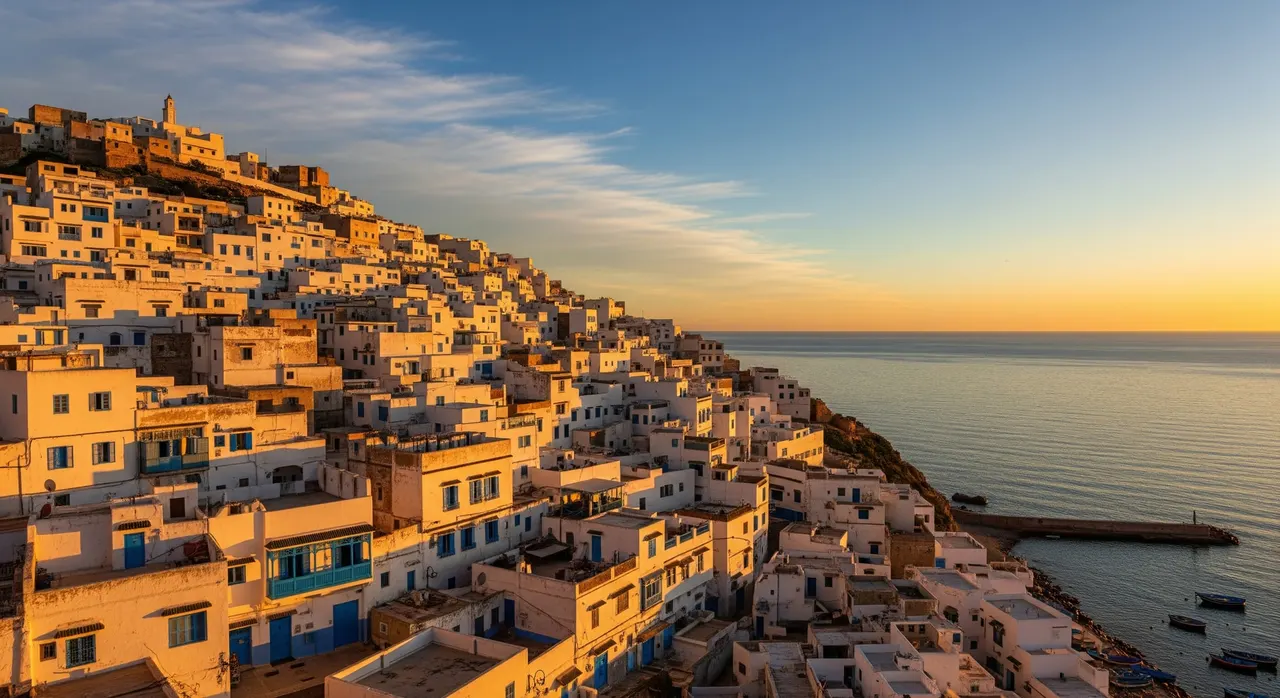
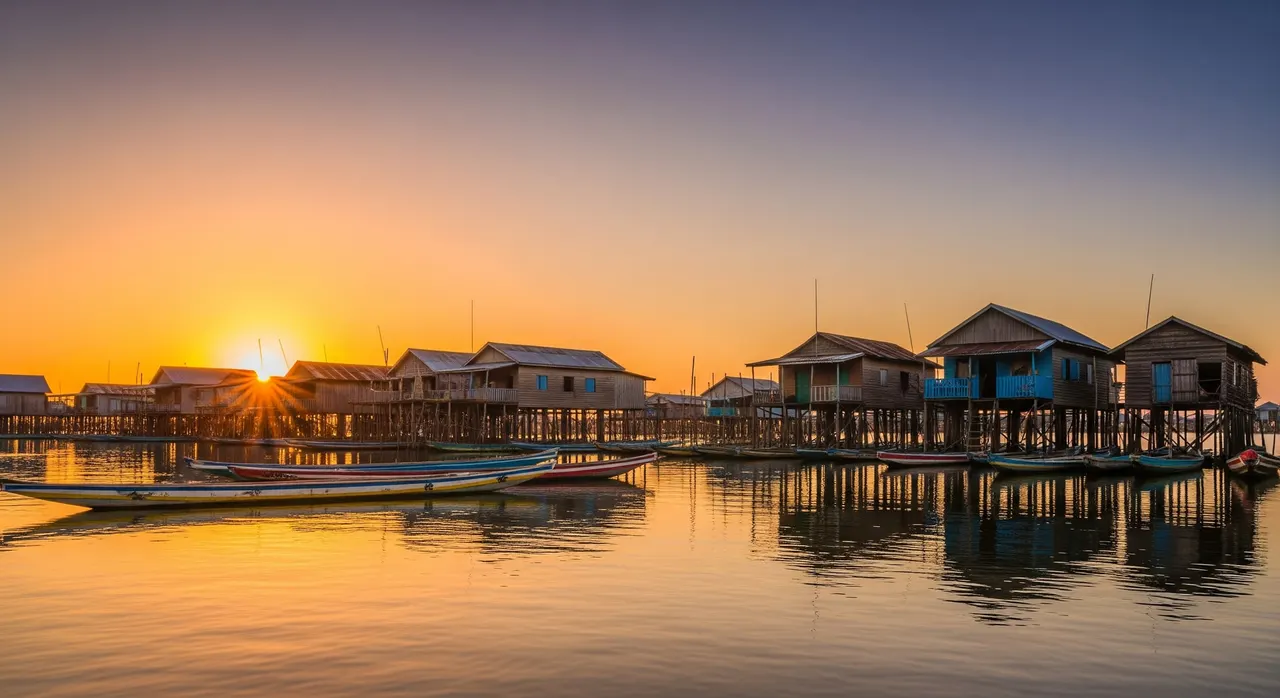
Daily life in Thailand — where Zimbabwean citizens settle on the DTV
Life in Thailand — your home base on the 5-year DTV
Section 04

Where Zimbabweans Settle in Thailand

Zimbabwean expats tend to choose places that balance affordability, community, and modern comforts . Bangkok is the natural first stop — the economic and cultural heart, with the deepest pool of remote-friendly cafés, international schools, and amenities. Many settle along the Sukhumvit line, especially around On Nut and Phra Khanong, where rents are reasonable and English is widely understood. Chiang Mai , in the mountainous north, is a long-standing favourite for digital nomads and families thanks to its lower costs, cooler climate, and laid-back pace. Beach lovers gravitate to Phuket and Koh Samui for island living, though prices run a little higher, while Pattaya offers an affordable coastal base within easy road reach of Bangkok.

Find Your Community

Facebook groups such as "Zimbabweans in Thailand" and "Africans in Bangkok / Thailand" are excellent for connecting with fellow Zimbabweans, getting honest advice on neighbourhoods and landlords, and sometimes lining up a flatmate before you even arrive.

Section 05

Money & Banking for Zimbabweans

Managing money across continents takes a little planning, but Zimbabweans have good options. Because Zimbabwe operates largely on US dollars, carrying or transferring USD is straightforward, and dollars are easy to exchange in Thailand. For larger amounts, fintech transfer services such as Wise and WorldRemit are popular for moving funds at fair rates. Once you hold a long-stay visa, opening a Thai bank account is possible — you will generally need your passport and a certificate of residence. ATMs are everywhere, though foreign-card withdrawals carry a fixed fee of about 220 THB per transaction , so many residents minimise withdrawals and lean on Thailand's PromptPay mobile payments. For the DTV, you will need to show personal funds of 500,000 THB (~$15,000) — a figure that is well within reach for many established professionals and entrepreneurs.

Currency & Exchange

Thailand uses the Thai Baht (THB), and 1 US dollar is worth roughly 35–36 THB. Coming from Zimbabwe's multi-currency system, you will find it easy to think in both USD and THB, and US dollars are readily accepted at exchange counters across the country.

Section 06

Documents & Translation

Here is some good news for Zimbabweans: because English is an official language of Zimbabwe , your bank statements, qualifications, and supporting paperwork are normally issued in English or can be easily obtained in English. For the DTV, documents need to be in English or Thai, so a certified translation is usually not required — you simply provide clear, legible originals. That saves time and money compared with applicants from non-English-speaking countries. Keep crisp digital scans of everything ready, and DTVThaiVisa.com will organise, review, and submit the full package on your behalf.

  • Valid passport with at least six months of validity and blank pages.
  • Recent bank statements showing personal funds of 500,000 THB (~$15,000).
  • Proof of remote work, freelance contracts, or business ownership.
  • Clear scans of all documents — our team checks everything before submission.
Section 07

Daily Life & Community

Healthcare in Thailand is world-class and remarkably affordable. Leading private hospitals such as Bumrungrad and Bangkok Hospital have English-speaking doctors and modern facilities, with routine consultations often around US$20–$50. Connectivity is a dream for remote workers: fibre broadband is standard and inexpensive, and mobile 4G/5G coverage is fast and cheap. Food is a daily joy, from fiery Thai curries to global cuisine — and you can even track down familiar African staples at specialty grocers in Bangkok if you crave a taste of home. Thailand also has low rates of violent crime, though petty theft can occur in tourist hotspots, so usual common sense applies. The Zimbabwean community is modest but growing, with informal meetups and an online network that makes the transition far smoother for newcomers.

  • Healthcare: Excellent internationally accredited private hospitals; affordable travel or expat health insurance is strongly recommended.
  • Internet: Fast home fibre for roughly US$15–$25/month, plus abundant coworking spaces as backup.
  • Food: From US$1.50 street meals to fine dining; vegetarian and halal options are common in cities.
  • Safety: Thailand is generally very safe; stay alert to common tourist scams and petty theft in busy areas.
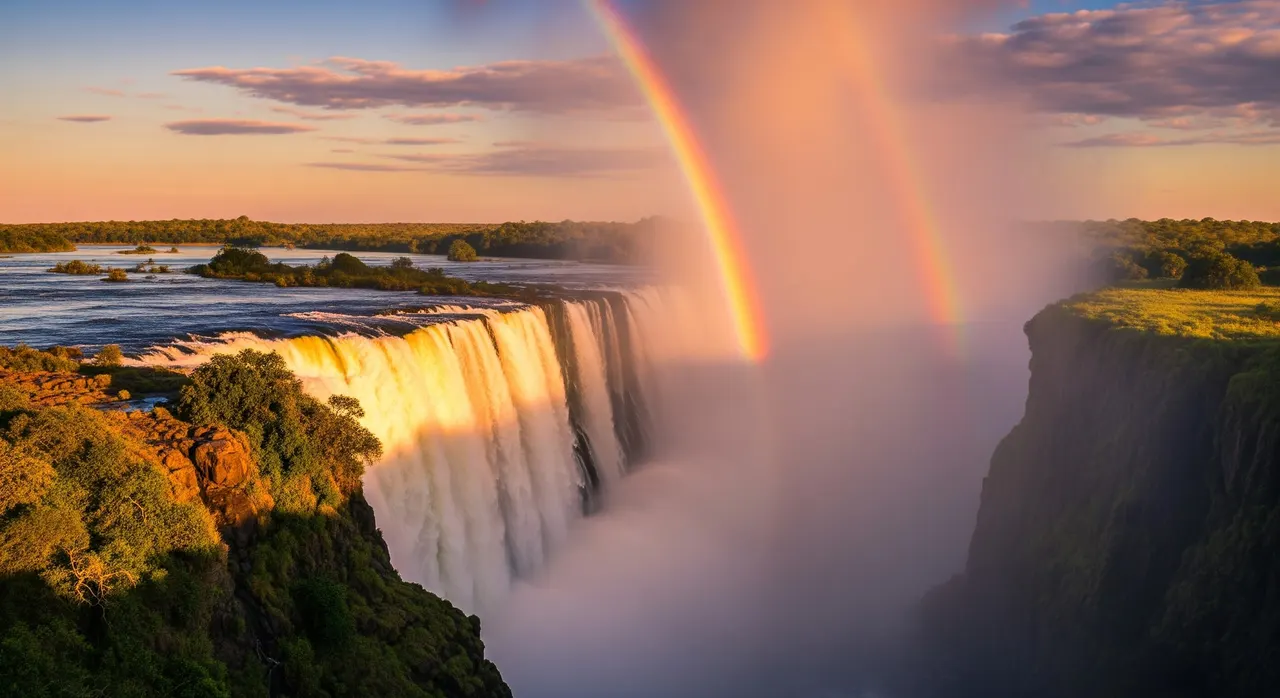
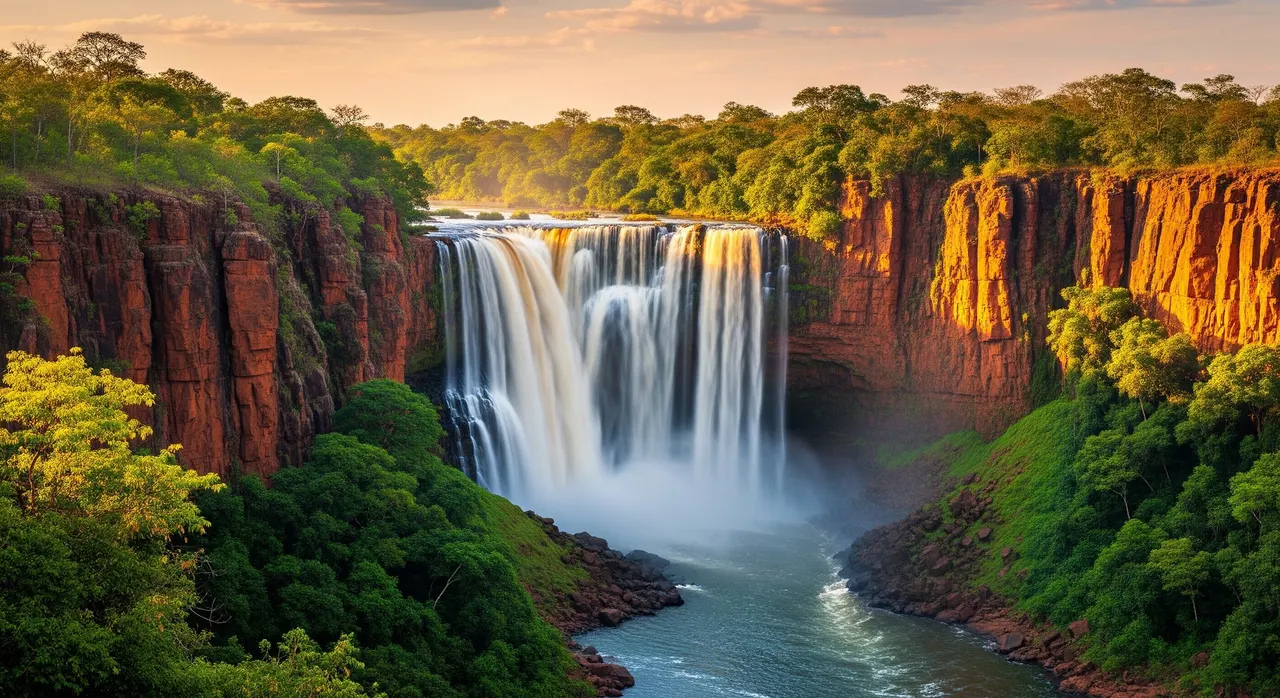
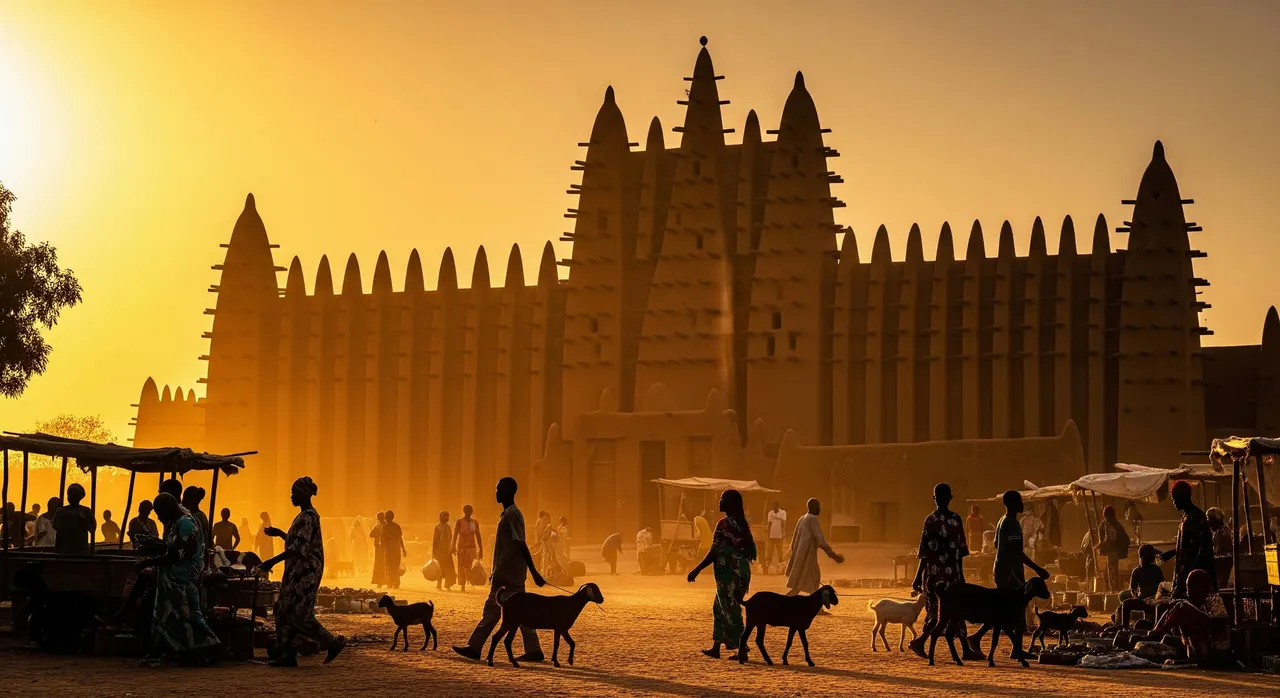
Zimbabwe — your starting point before relocating to ThailandZimbabwe
From Zimbabwe to Thailand

Make the move from Zimbabwe

Trade Zimbabwe for up to five years in Thailand on the DTV. We prepare and submit your entire application from wherever you are — proof of funds, category evidence and passport — so you can focus on the move, not the paperwork.

Check eligibility
Step by step

How Zimbabwean citizens apply for the DTV

1

Check you qualify

Almost every nationality can apply. Take our free 60-second eligibility checker to confirm your route — remote work, soft power, medical or family.

2

We prepare everything

We assemble and review your documents: proof of 500,000 THB (~$15,000), your category evidence and passport — so nothing gets rejected.

3

We submit for you

You apply from outside Thailand. We file at a Thai embassy or consulate (such as Hanoi, Ho Chi Minh, Jakarta, Vientiane or London) within one business day.

4

Get approved & move

On approval you get the 5-year, multiple-entry DTV — up to 180 days per stay, extendable once. Then make Thailand home.

Questions

DTV FAQ for Zimbabwean citizens

How long is the Destination Thailand Visa valid for Zimbabweans?

The DTV is a 5-year multiple-entry visa. You can stay up to 180 days per entry, and each stay can be extended once for an additional 180 days from within Thailand. After that you simply leave and re-enter to start a fresh 180-day permission, and the visa remains valid for the full five years.

What are the financial requirements for the DTV?

You need to show proof of personal funds equivalent to 500,000 Thai Baht (~$15,000), typically via bank statements. Our team will guide you on exactly which documents are accepted and how to present them.

How much does it cost to apply through DTVThaiVisa.com?

Our service starts from $139. We prepare and submit your entire DTV application for you, and with the optional Denial Protection add-on you receive a 100% refund of the service fee if your application is denied.

Can I apply for the DTV from inside Zimbabwe?

You apply from outside Thailand — that includes from Zimbabwe or any other country where you are legally present. DTVThaiVisa.com prepares and submits the whole application on your behalf, so you never have to navigate the process alone.

Do I need to translate my Zimbabwean bank statements into Thai?

Usually not. Because English is an official language of Zimbabwe, your bank statements and supporting documents are typically issued in English and accepted as-is, since DTV paperwork must be in English or Thai. This saves Zimbabweans the cost and delay of certified translations.

What is the time difference between Zimbabwe and Thailand, and does it affect remote work?

Thailand is 5 hours ahead of Zimbabwe (UTC+7 versus UTC+2). This can be a real advantage for remote workers serving clients in Europe, the Gulf, or Asia, as your working hours overlap nicely. For US-based clients, many nomads simply shift to working evenings.

Are there direct flights from Harare to Bangkok?

No, there are no direct flights. Most Zimbabweans fly from Harare or Bulawayo with one or two stops via hubs such as Addis Ababa, Johannesburg, Dubai, or Doha. Total travel time is typically 16–22 hours including layovers.

How much cheaper is the cost of living in Thailand compared to Zimbabwe?

In many categories Thailand is noticeably cheaper for what you get. A modern one-bedroom condo in Chiang Mai runs about US$300–$500 a month with reliable power and fibre, while a comparable Harare apartment is often US$400+ with utility headaches. Meals, transport, and internet are all a fraction of Zimbabwean prices.

Is there a Zimbabwean community in Thailand?

Yes. While still small, the Zimbabwean expat community is active, especially in Bangkok and Chiang Mai. Facebook groups and informal meetups help newcomers find accommodation, swap advice, and settle in faster.

Can I work for a Thai company with the DTV?

The DTV is designed for remote workers, freelancers, and digital nomads serving overseas clients. It does not authorise local employment with a Thai company; your income should come from work outside Thailand.

Ready to move to Thailand from Zimbabwe?

Check your eligibility in under a minute, or let our team prepare and submit everything — with a 100% refund if your application is denied (with the optional paid Denial Protection add-on).