Skip to content
Africa

DTV Visa for Zambian Citizens
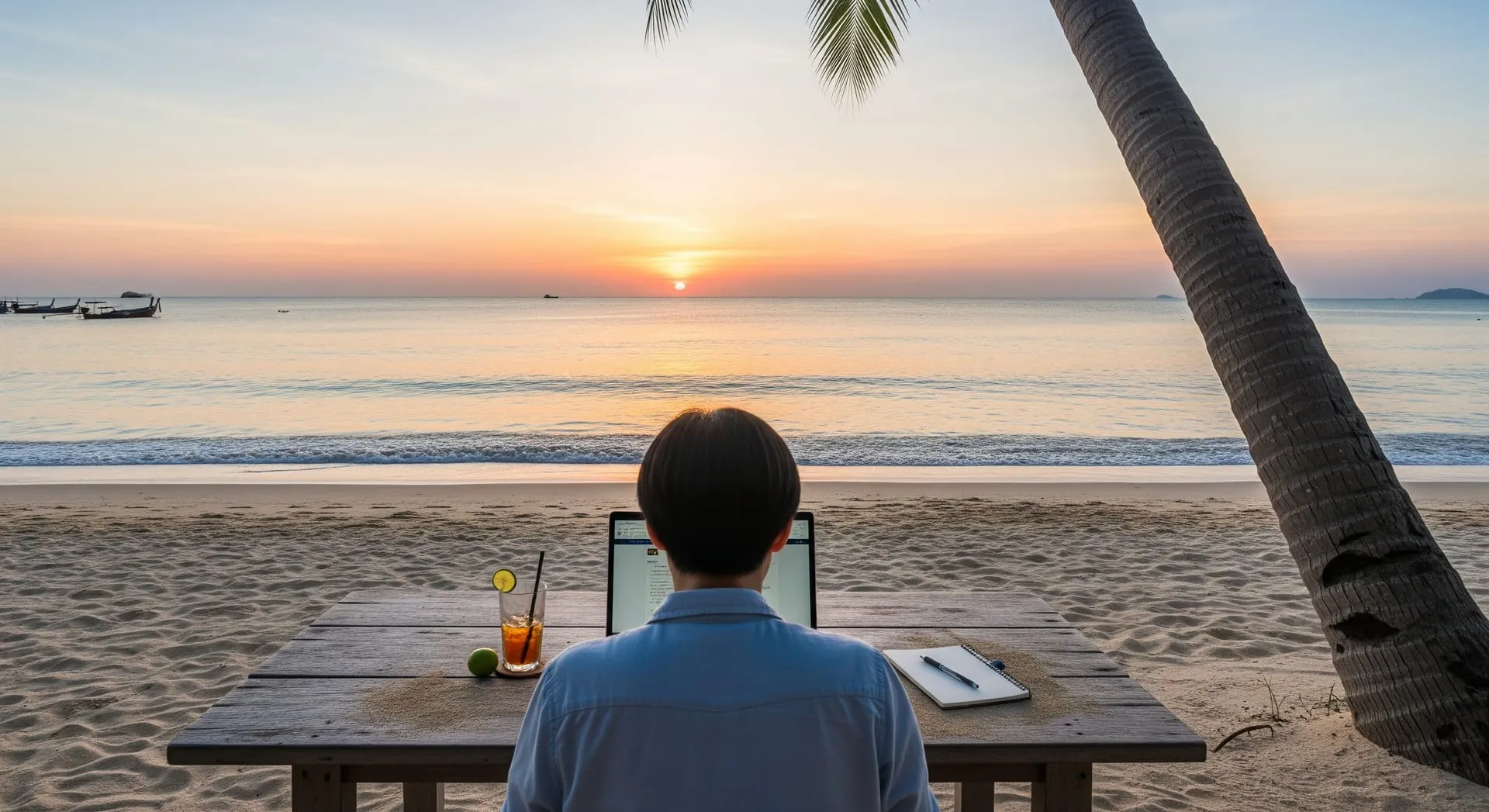
For Zambian professionals, entrepreneurs, and remote workers, Thailand has become one of the most appealing places to base a new chapter of life. With a cost of living that is competitive with Lusaka, year-round tropical warmth, and a large, well-established international community, Thailand lets you stretch a kwacha-or-dollar income further while enjoying world-class infrastructure. The Destination Thailand Visa (DTV) is a 5-year, multiple-entry visa built precisely for this kind of long-stay lifestyle, and it makes the move from Zambia simpler than ever.

Every Zambian citizen is eligible to apply

5

Years validity

180

Days per entry

500k

THB proof of funds

$139

Service fee from

100%

Refund if denied*

Why Zambian citizens choose Thailand

Living in Thailand from Zambia

Section 01

Why Zambians Are Choosing Thailand

Thailand offers a combination that is hard to find elsewhere: a modern, safe, well-connected country at a price that feels reasonable to anyone earning in dollars, euros, or even Zambian kwacha. After the load-shedding and power-supply uncertainty that has affected Lusaka, Kitwe, and the Copperbelt in recent years, the reliability of Thai electricity, fibre internet, and public transport is a genuine relief for remote workers. Add a tropical climate, low-cost healthcare, excellent food, and a welcoming culture, and it is easy to see why Zambians are increasingly looking east. The DTV turns that interest into a practical plan, granting a 5-year multiple-entry visa with stays of up to 180 days per entry.

DTV at a glance

The Destination Thailand Visa is a 5-year, multiple-entry visa. Each entry allows a stay of up to 180 days, and that stay can be extended once inside Thailand for a further 180 days. You apply from outside Thailand, you show proof of 500,000 THB (~$15,000) in personal funds, and our team prepares and submits the entire application for you. Service starts from $139.

Section 02

Cost of Living: Thailand vs Zambia

Many everyday costs in Thailand are comparable to or lower than Lusaka, but you generally get more for your money in terms of quality and reliability. A modern one-bedroom condo in central Bangkok typically rents for around 15,000–25,000 THB ($400–$700) per month, often including a pool, gym, and 24-hour security. In Chiang Mai the same budget goes even further, with comfortable apartments from 8,000–15,000 THB. Eating out is a particular highlight: a filling plate of street food costs 50–70 THB, while a sit-down meal at a mid-range restaurant runs 200–400 THB. Local transport is cheap too, with Bangkok BTS Skytrain rides at 20–60 THB and abundant ride-hailing via Grab. Imported goods and Western groceries cost more, which is familiar to anyone who has shopped for imports in Zambia.

  • One-bedroom condo, central Bangkok: ~15,000–25,000 THB/month
  • One-bedroom apartment, Chiang Mai: ~8,000–15,000 THB/month
  • Street-food meal: ~50–70 THB; mid-range restaurant: ~200–400 THB
  • Domestic SIM with generous data: ~300–500 THB/month
  • Monthly local transport budget: ~1,000–2,000 THB
Section 03

Getting to Thailand from Zambia

There are no direct flights between Zambia and Thailand, but one-stop connections from Kenneth Kaunda International Airport in Lusaka are straightforward. The most popular routings are via the Gulf hubs and Addis Ababa: Emirates through Dubai, Qatar Airways through Doha, and Ethiopian Airlines through Addis Ababa all connect smoothly onward to Bangkok's Suvarnabhumi Airport. Total journey time is usually around 15–18 hours including the layover. Thailand runs on Indochina Time (UTC+7), five hours ahead of Central Africa Time (UTC+2) in Zambia, a gap small enough that many remote workers barely notice it.

Tip: Working across the time gap

With Thailand five hours ahead of Zambia, your late afternoon in Bangkok is the middle of the working day back in Lusaka. Schedule calls with Zambian clients or colleagues for your afternoon and you will still catch their core hours, leaving your Thai mornings free for deep, focused work.

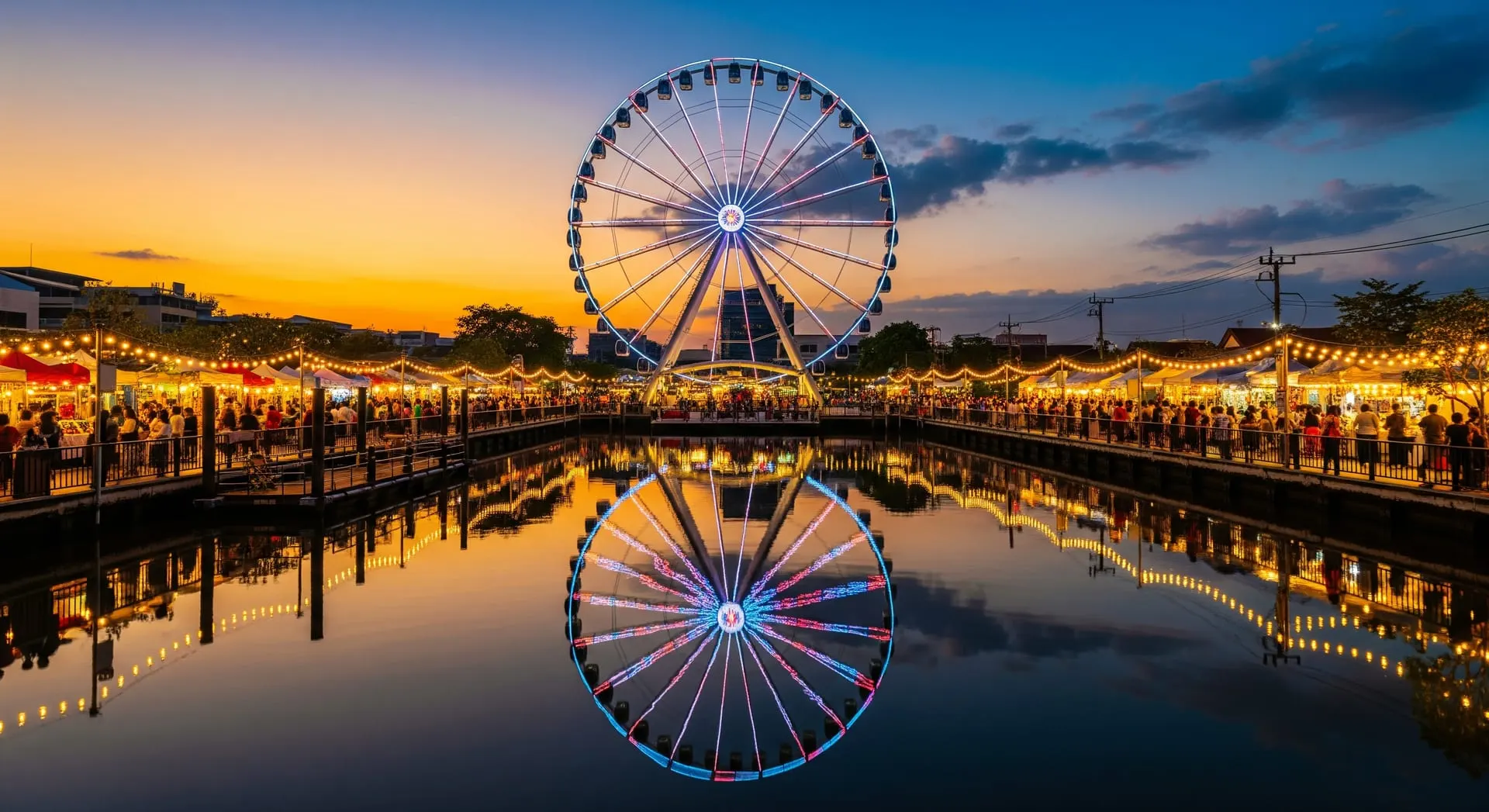
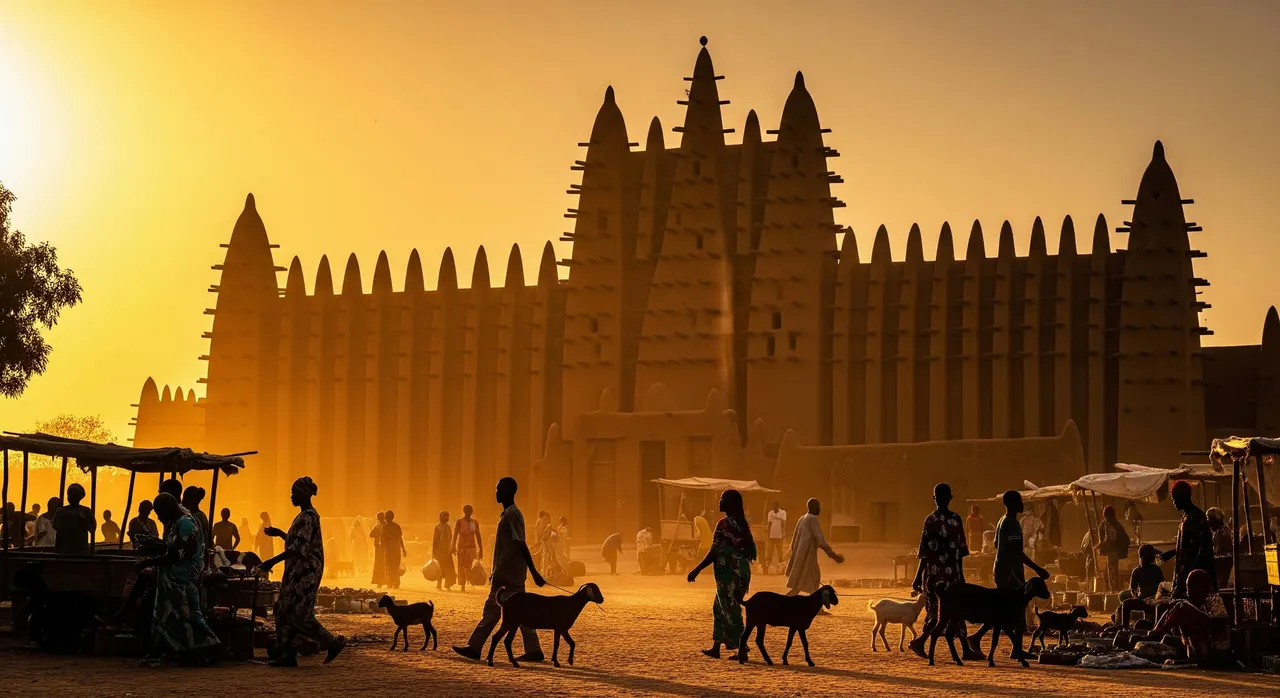
Daily life in Thailand — where Zambian citizens settle on the DTV
Life in Thailand — your home base on the 5-year DTV
Section 04

Where Zambian Expats Are Settling

Bangkok is the natural first stop for those who want big-city energy: skyscraper condos, endless co-working spaces, international schools, and the country's best hospitals. Chiang Mai, in the cooler northern mountains, is the long-standing favourite of digital nomads thanks to its low rents, relaxed pace, and tight-knit remote-work community. Beach lovers gravitate to Phuket, with its international airport and resort lifestyle, or to quieter islands like Koh Samui and Koh Phangan. Pattaya and Hua Hin, both within easy reach of Bangkok, offer a coastal life without leaving the mainland. Wherever you land, you will find fast internet, affordable dining, and other foreigners who have made the same move.

Section 05

Money & Banking

Thailand is largely a card- and app-driven economy in the cities, but cash is still king for street food, markets, and taxis, so most newcomers keep some baht on hand. Your Zambian or international debit and credit cards will work at ATMs across the country, though Thai banks charge a fixed foreign-card withdrawal fee of around 220 THB per transaction on top of your home bank's fees, so larger, less frequent withdrawals save money. The PromptPay QR system is used everywhere for instant local payments. Opening a Thai bank account as a DTV holder is possible but can vary by branch; many expats find it easier once they have a lease and settle in. For the visa itself, you simply need to demonstrate proof of 500,000 THB (~$15,000) in personal funds, which can be held in your existing account.

Tip: Cut your ATM costs

Thai ATMs typically charge about 220 THB per foreign-card withdrawal. Withdraw larger amounts less often, and consider a multi-currency or travel card that reimburses or minimises these fees to keep your banking costs down.

Section 06

Documents & Translation

Because English is an official language of Zambia and the language of business, banking, and government, your Zambian bank statements, employment letters, and other supporting documents are usually issued in English and accepted as-is, with no certified translation required. That is a real advantage over many other applicant nationalities. Your job is mainly to gather clean, recent paperwork: bank statements showing the required funds, proof of remote work or freelance activity, and a valid passport with adequate validity. From there, our team reviews everything, organises it to the consular standard, and prepares and submits the complete application on your behalf, so you are never guessing about formatting or requirements.

Fact: Healthcare in Thailand

Thailand is a top global medical-tourism destination, with internationally accredited private hospitals in Bangkok, Chiang Mai, and Phuket. For Zambians who are used to travelling abroad for specialist care, the combination of high standards, English-speaking doctors, and comparatively low prices is a major draw. Private health insurance is still strongly recommended for long stays.

Section 07

Daily Life & Community

Settling into Thailand is made easy by an enormous, organised expat scene. Facebook groups, co-working spaces, sports leagues, and language exchanges mean you can build a social circle within weeks. Thai people are famously hospitable, and learning even a few words of Thai goes a long way. For Zambians, the warm climate, outdoor lifestyle, and strong sense of community feel familiar, while the modern conveniences and connectivity feel like an upgrade. With the DTV's 5-year validity and 180-day stays, you can put down real roots, travel the region, and treat Thailand as a genuine long-term base rather than a long holiday.

  • Fast, reliable fibre internet ideal for remote work
  • Affordable street food alongside global cuisine
  • Active expat networks with meetups and social groups
  • Easy regional travel to Vietnam, Cambodia, Laos, and beyond
  • A safe, welcoming culture for foreigners and families
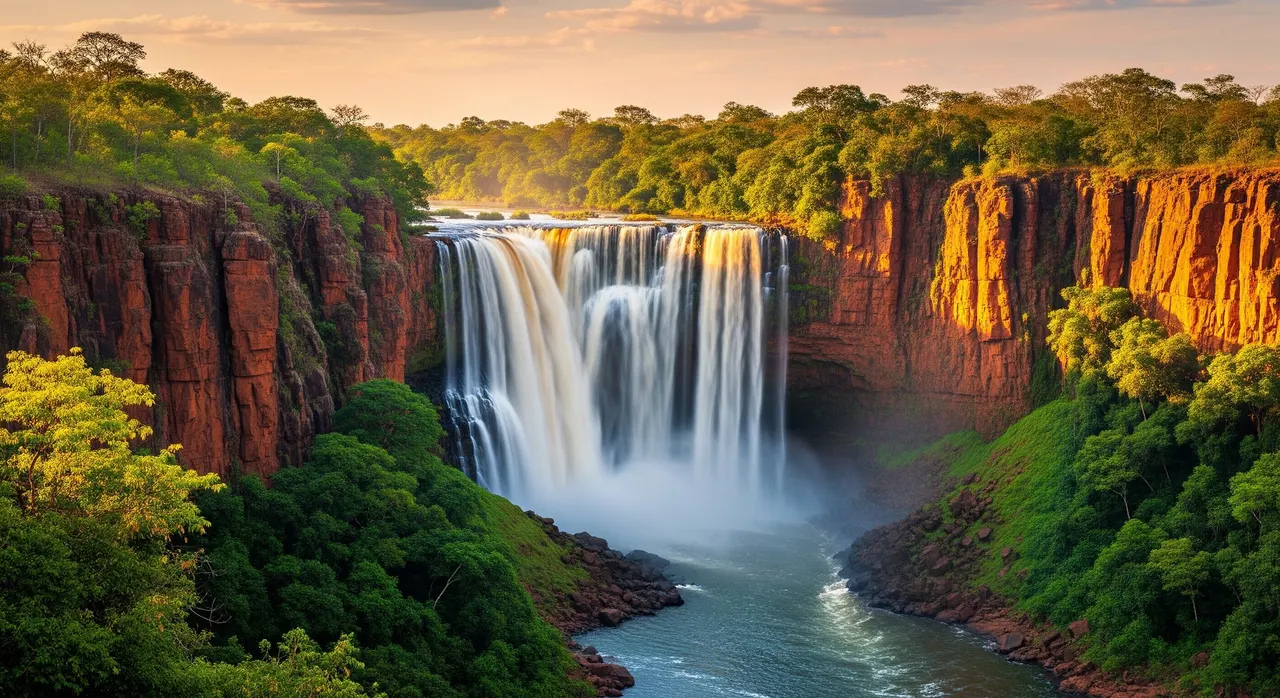
Zambia — your starting point before relocating to ThailandZambia
From Zambia to Thailand

Make the move from Zambia

Trade Zambia for up to five years in Thailand on the DTV. We prepare and submit your entire application from wherever you are — proof of funds, category evidence and passport — so you can focus on the move, not the paperwork.

Check eligibility
Step by step

How Zambian citizens apply for the DTV

1

Check you qualify

Almost every nationality can apply. Take our free 60-second eligibility checker to confirm your route — remote work, soft power, medical or family.

2

We prepare everything

We assemble and review your documents: proof of 500,000 THB (~$15,000), your category evidence and passport — so nothing gets rejected.

3

We submit for you

You apply from outside Thailand. We file at a Thai embassy or consulate (such as Hanoi, Ho Chi Minh, Jakarta, Vientiane or London) within one business day.

4

Get approved & move

On approval you get the 5-year, multiple-entry DTV — up to 180 days per stay, extendable once. Then make Thailand home.

Questions

DTV FAQ for Zambian citizens

Is the Destination Thailand Visa available to Zambian citizens?

Yes. The DTV is open to all nationalities, including Zambians. There are no restrictions based on your country of citizenship, and the requirements are the same for everyone.

How long does the DTV let me stay in Thailand?

The DTV is a 5-year, multiple-entry visa. Each entry allows a stay of up to 180 days, and you can extend that stay once while inside Thailand for a further 180 days before exiting and re-entering.

What are the financial requirements for the DTV?

You need to show proof of 500,000 THB (~$15,000) in personal funds. Our service for preparing and submitting your application starts from $139.

Do I apply from inside Thailand or from Zambia?

You apply from outside Thailand. Our team prepares and submits the entire application for you, so you can complete the process from Zambia or wherever you happen to be before your move.

Can I work remotely for my Zambian employer or clients while on the DTV?

Yes. The DTV is designed for remote workers, digital nomads, and freelancers. You can legally work online for companies or clients based in Zambia or anywhere outside Thailand.

How do flights from Zambia to Thailand work, and what is the time difference?

There are no direct flights, but one-stop connections from Lusaka are easy via Dubai (Emirates), Doha (Qatar Airways), or Addis Ababa (Ethiopian Airlines). Total travel time is usually 15–18 hours. Thailand is 5 hours ahead of Zambia (UTC+7 vs UTC+2).

Will my Zambian bank statements need to be translated?

Usually not. Because English is an official language of Zambia, your bank statements and supporting documents are typically issued in English and accepted as-is, with no certified translation required.

Can I use my Zambian bank cards and withdraw cash in Thailand?

Yes. Zambian and international cards work at ATMs nationwide, and the PromptPay QR system is used everywhere for local payments. Note that Thai ATMs charge a fixed foreign-card fee of about 220 THB per withdrawal, so larger, less frequent withdrawals are more economical.

How does the cost of living compare to Lusaka?

Everyday costs such as dining out and local transport are often comparable to or lower than Lusaka, while you typically get better reliability and amenities. A central Bangkok one-bedroom condo runs about 15,000–25,000 THB ($400–$700) a month, and Chiang Mai is cheaper still.

What happens if my DTV application is denied?

With our optional Denial Protection add-on, you receive a 100% refund of our service fee if the visa is not approved. We prepare every application to the consular standard to give it the best possible chance.

Ready to move to Thailand from Zambia?

Check your eligibility in under a minute, or let our team prepare and submit everything — with a 100% refund if your application is denied (with the optional paid Denial Protection add-on).