Skip to content
Americas

DTV Visa for Venezuelan Citizens
Are you a Venezuelan dreaming of a fresh start in a country that blends ancient culture, tropical beauty and modern comforts? Thailand is calling. Imagine swapping daily uncertainty for a life where your money goes further, the streets feel safe and a warm, welcoming community awaits. With the Destination Thailand Visa (DTV) — a 5-year, multiple-entry visa — your remote income can fund a long chapter in the Land of Smiles. This guide shows you exactly why so many of your compatriots, from Caracas to Maracaibo and Valencia, are already making the move.

Every Venezuelan citizen is eligible to apply

5

Years validity

180

Days per entry

500k

THB proof of funds

$139

Service fee from

100%

Refund if denied*

Why Venezuelan citizens choose Thailand

Living in Thailand from Venezuela

Section 01

Why Venezuelans Are Choosing Thailand

For Venezuelans, the decision to relocate to Thailand usually begins with a longing for stability, safety and opportunity . While Venezuela continues to grapple with economic volatility, hyperinflation cycles and unreliable public services, Thailand offers a settled, functioning environment where the lights stay on and the bolivar's troubles feel a world away. The climate is tropical year-round — much like Venezuela's own coast and llanos, only more consistent — with endless sunshine, lush mountains and beaches, and a culture that prizes harmony and respect (the famous kreng jai ). Remote workers and digital nomads are drawn to fast fibre internet, world-class street food, and a cost of living that lets a modest income stretch into a comfortable life. Add the 5-year DTV, and it is easy to see why Thailand has become a leading destination for Venezuelans ready to design a better future.

The DTV in a nutshell

A 5-year, multiple-entry visa allowing stays of up to 180 days per entry, extendable once for another 180 days. You show proof of 500,000 THB (~$15,000) in personal funds, apply from outside Thailand, and we prepare and submit everything for you. Service starts from $139, with a 100% refund if your application is denied when you add Denial Protection.

Section 02

Cost of Living: A Venezuelan's Perspective

Comparing budgets between Venezuela and Thailand is tricky because the bolivar moves so quickly that most Venezuelans already think in US dollars. The good news: in dollar terms, Thailand offers excellent value and — crucially — far more reliability for what you pay. Your rent comes with steady electricity and water, your supermarket shelves are full, and prices do not change between morning and afternoon. Here is a realistic snapshot:

  • Rent: A modern one-bedroom condo in central Bangkok runs roughly $400–$600/month, often with a pool, gym and 24-hour security. In Chiang Mai the same budget gets you something larger; on the islands, beachside studios start around $350.
  • Meals: A plate of pad thai or pad kra pao from a street vendor costs about 50–70 THB ($1.50–$2). Cooking at home or eating local, $250–$350/month covers food comfortably for one person.
  • Coworking: A dedicated desk in a Chiang Mai or Bangkok coworking space costs $80–$150/month, usually with unlimited coffee, fast Wi-Fi and networking events.
  • Transport: A single ride on Bangkok's BTS Skytrain or MRT metro is roughly 20–60 THB (under $2), and a short Grab or taxi hop across town is a few dollars. An ATM withdrawal abroad typically incurs a ~220 THB local fee.
  • Utilities & SIM: Electricity, water and internet for a one-bed apartment land around $60–$90/month; an unlimited-data mobile plan is about $10–$15/month.

Did you know?

In Chiang Mai you can live comfortably on under $1,000 per month — covering a private studio, all your meals, a coworking membership and the occasional massage. For many Venezuelans that buys not just a lifestyle upgrade but, just as importantly, predictability.

Section 03

Getting to Thailand from Venezuela

There are no direct flights between Venezuela and Thailand, so the journey is long but very doable. From Caracas (Simón Bolívar International Airport, CCS) to Bangkok (Suvarnabhumi, BKK) you should plan on roughly 28–38 hours of total travel including one or two stops. The most common itineraries route through a major hub: via Madrid or Lisbon and onward with a Gulf or Asian carrier; via Istanbul on Turkish Airlines; or via a Gulf hub such as Doha or Dubai. Many Venezuelans first hop to Bogotá, Panama City or Madrid where the long-haul options to Asia are widest. Booking a single through-ticket usually protects your connections and luggage better than stitching separate tickets together.

Time-Zone Perk

Thailand runs on Indochina Time (UTC+7), which is 11 hours ahead of Venezuela (UTC-4). That gap actually helps remote workers serving the Americas: clients' mornings fall in your late evening, so many Venezuelan nomads work mornings to early afternoon Thai time, then have the rest of the day free for the markets, gym or beach.

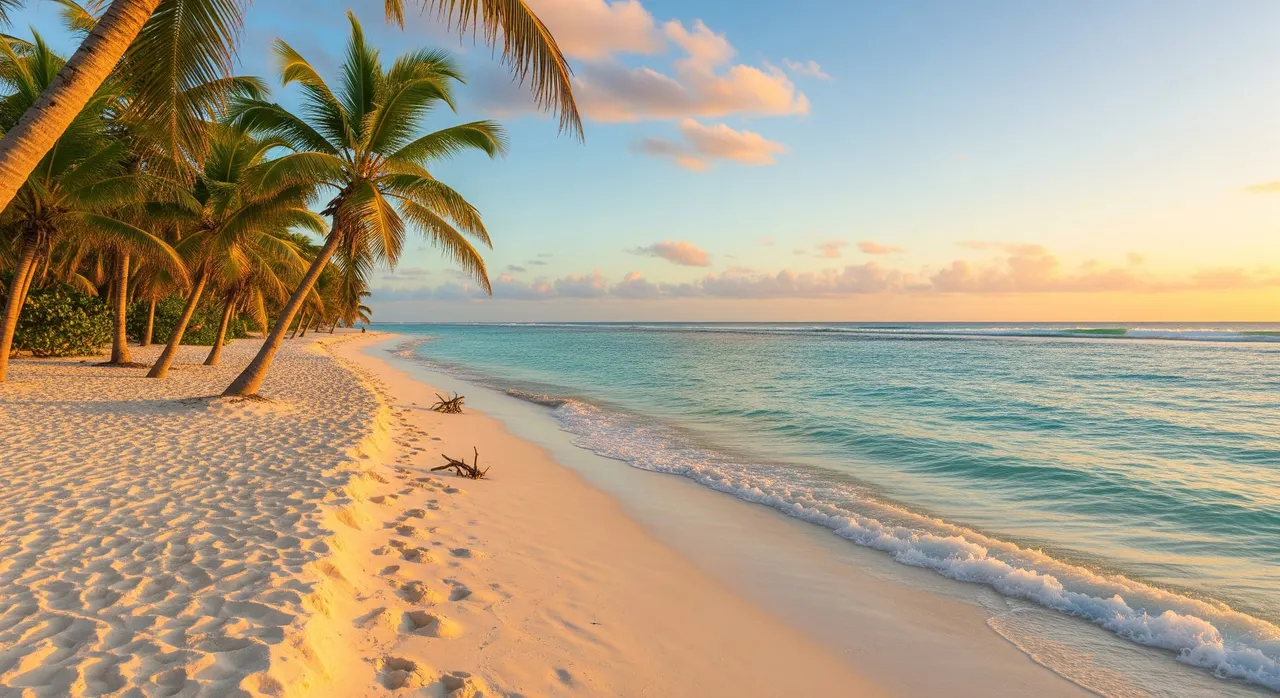
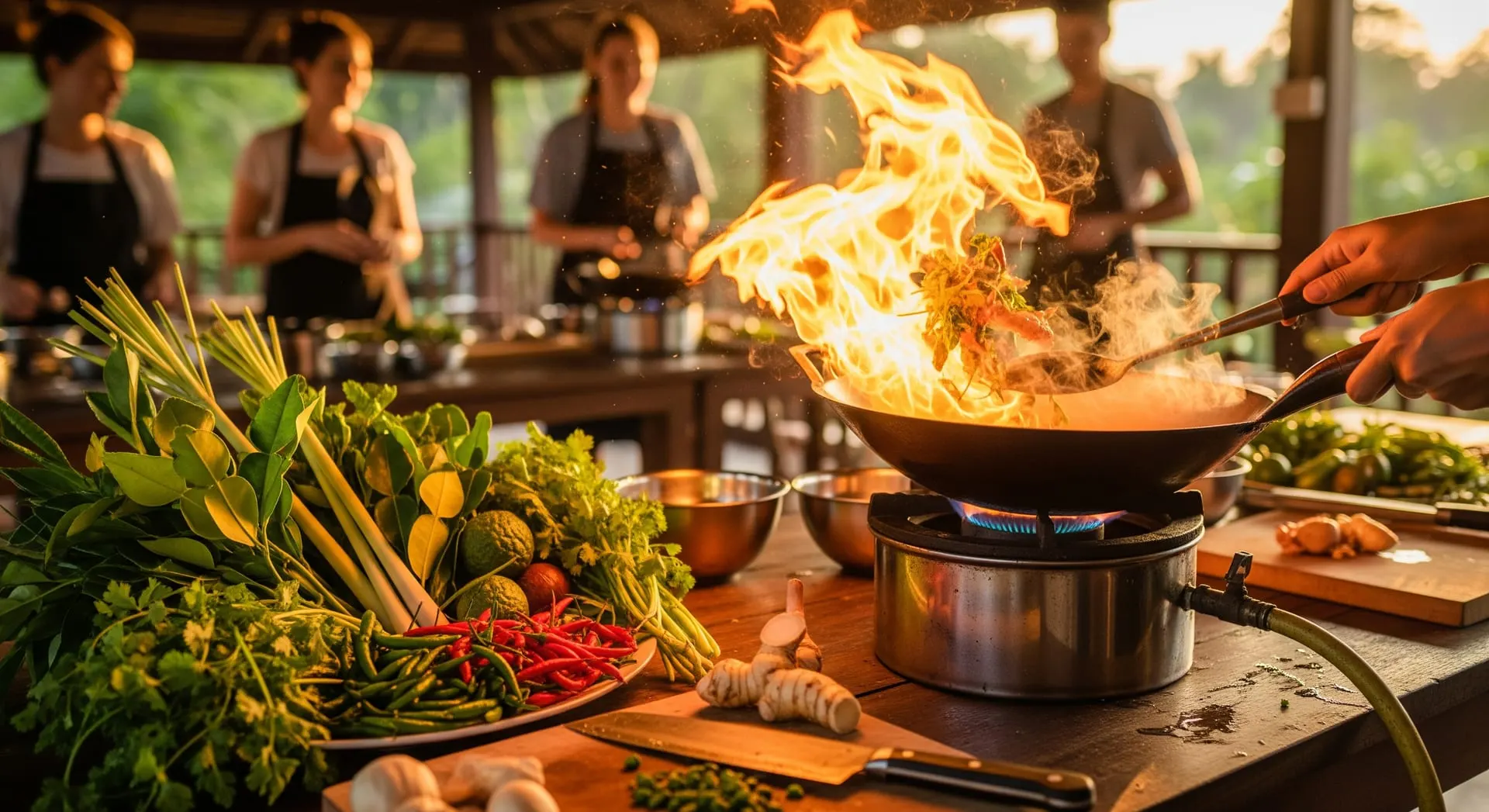
Daily life in Thailand — where Venezuelan citizens settle on the DTV
Life in Thailand — your home base on the 5-year DTV
Section 04

Where Venezuelans Settle in Thailand

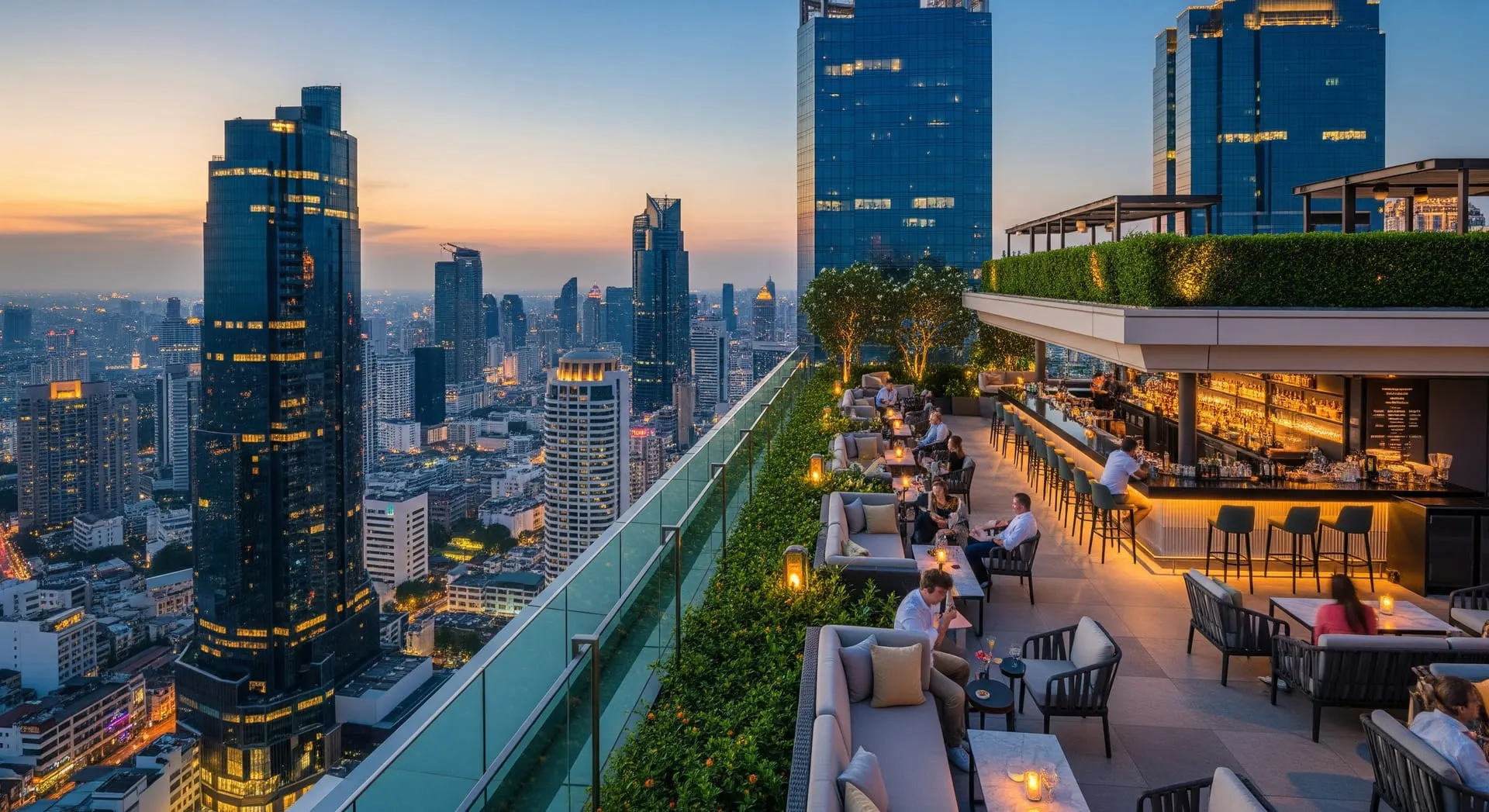
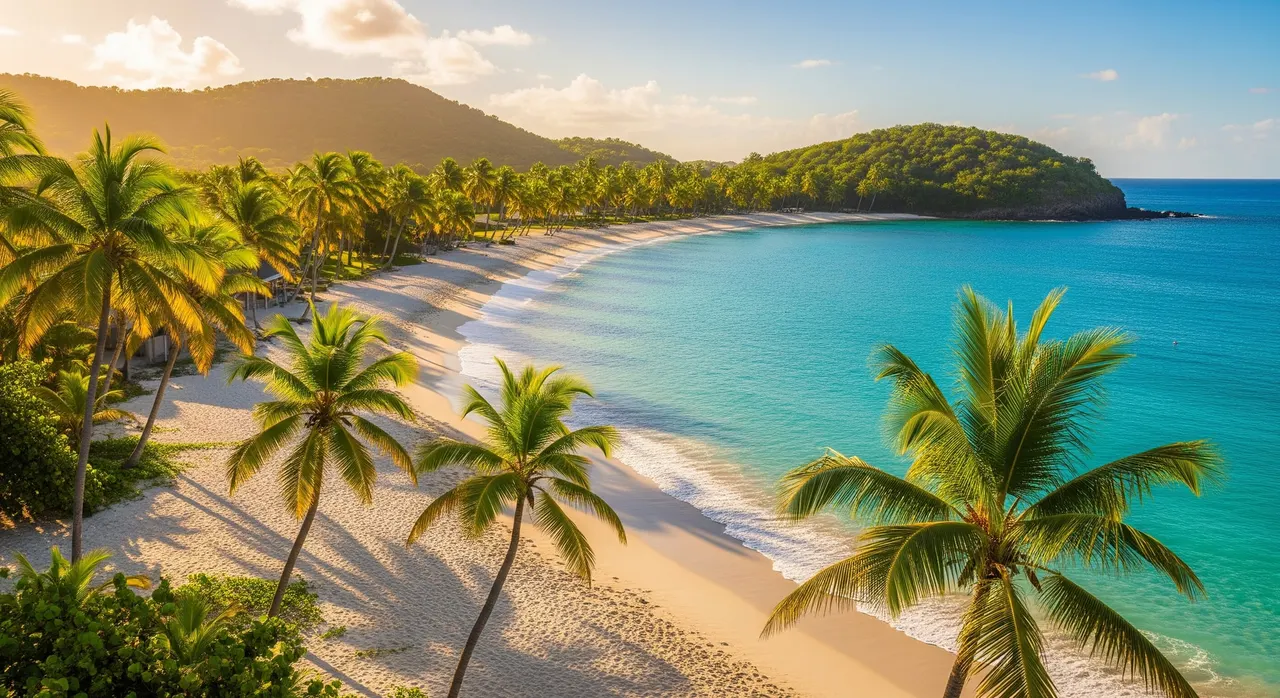
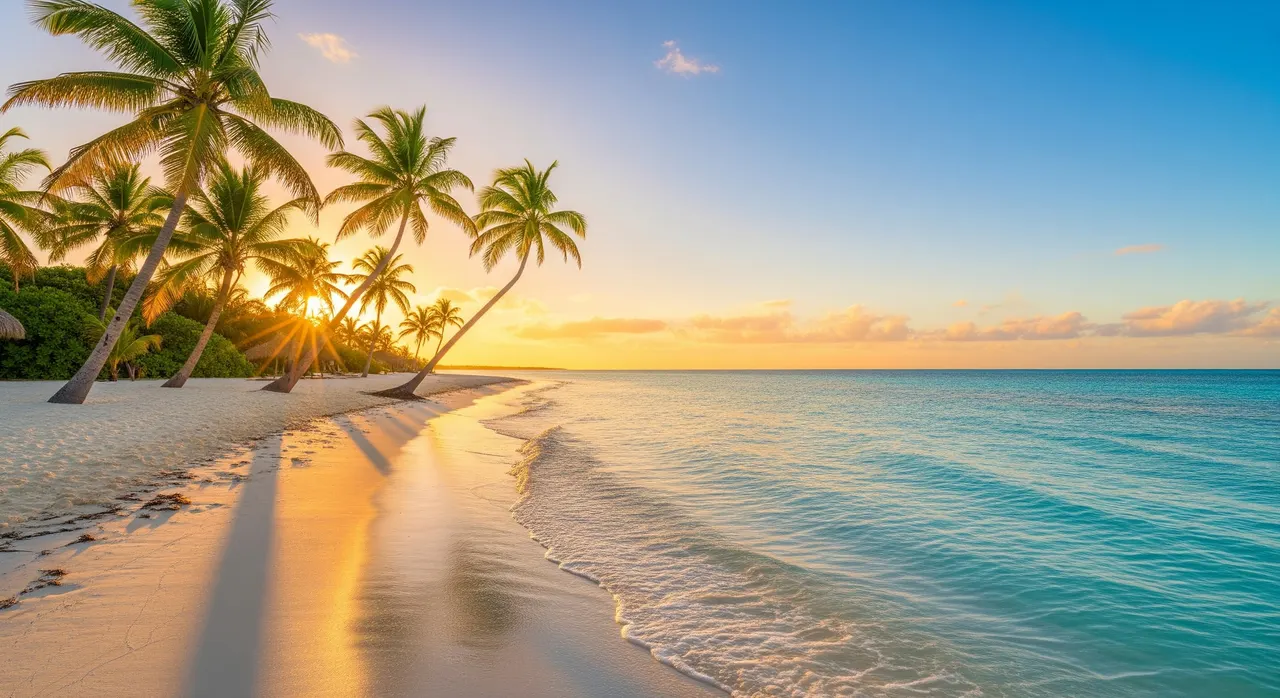
Venezuelan expats and digital nomads tend to gravitate toward three areas, each with its own character. Bangkok is the natural pick for city-lovers — a buzzing metropolis with incredible food, nightlife, the best flight connections and every convenience an hour from your door. Chiang Mai in the cooler north offers a laid-back, creative pace, mountain air and the largest global nomad scene in the country, all at lower prices. For the tropical-paradise dream, Phuket , Koh Samui and Koh Phangan deliver white-sand beaches, diving and a relaxed island rhythm. Each hub has a small but growing Spanish-speaking community, so you can find familiar faces while you settle into Thai life.

Connect with paisanos

Search Facebook for groups like 'Venezolanos en Tailandia' and broader 'Latinos en Tailandia' / 'Hispanohablantes en Bangkok' communities. They are active, friendly and great for finding a room, a Spanish-speaking doctor, or someone to share an arepa with before you even land.

Section 05

Money & Banking: From Bolivars to Baht

Because Venezuela has currency controls and a fragile banking system, most Venezuelans abroad already manage money in US dollars or stablecoins, which makes the move to Thailand simpler than you might expect. Funding your life here is usually a matter of getting dollars to Thailand efficiently and then withdrawing or spending in baht. Once you arrive, ATMs are everywhere and dispense Thai baht (note the typical ~220 THB foreign-card fee per withdrawal), and international cards are widely accepted in malls, hotels and larger restaurants — though cash still rules at markets and street stalls.

  • Use multi-currency services such as Wise or Payoneer to move funds at fair, transparent exchange rates rather than relying on costly intermediaries.
  • Many Venezuelans bridge transfers through a US-based account or stablecoins (USDT/USDC), then off-ramp to baht — a common workaround for local restrictions.
  • Carry some US dollars in cash for emergencies; licensed exchange booths (look for SuperRich and similar) offer better rates than airports or hotels.
  • After you arrive, opening a Thai bank account lets you receive local payments, set up bills and avoid repeated foreign-card fees; apps like SCB Easy and K PLUS make day-to-day payments and QR transfers effortless.
Section 06

Documents & Translation for Venezuelan Applicants

Venezuela's official language is Spanish, so any supporting documents you submit for your DTV — bank statements, proof of remote employment or freelance contracts, and similar paperwork — will likely need a certified English (or Thai) translation so they can be read and verified. Originals issued in Spanish should be paired with a clean, certified translation; keep both copies together. Our team reviews your file before submission and prepares everything in the correct format, so you are not left guessing what is required.

Pro Tip

Request certified translations a couple of weeks ahead so you are not paying rush rates, and make sure the translator signs and stamps each page. Ask your bank for statements that already show your name, account number and balances clearly — it makes translation faster and the funds easier to verify.

Section 07

Daily Life & Community: What to Expect

Thailand is one of the safest and most relaxed countries in Southeast Asia, with low violent crime and a culture that is famously polite and welcoming to foreigners. Healthcare is a genuine highlight — private hospitals such as Bumrungrad and Bangkok Hospital feel more like upscale hotels, with English- and sometimes Spanish-speaking staff and quality that rivals anything in the region. Connectivity is excellent: fibre is standard, mobile data is cheap and fast, and you are never far from a cafe with reliable Wi-Fi. The food alone is reason to stay — from a 60-baht plate of pad kra pao to fresh seafood by the sea. The Venezuelan community is still modest but growing fast , so expect spontaneous arepa nights, Spanish-language meetups and plenty of people happy to swap tips on settling in.

  • Internet: Home fibre commonly delivers 200+ Mbps, and an unlimited-data SIM costs around $10–$15/month.
  • Safety: Thailand's everyday crime levels are far lower than most large Venezuelan cities, and many newcomers remark on how comfortable they feel walking at night.
  • Community: Find language swaps and cultural meetups through Meetup, Facebook groups and coworking spaces in Bangkok and Chiang Mai, where Spanish-speaking circles are easy to plug into.
Healthcare Fact

Thailand's private hospitals are a regional medical-tourism magnet, praised for high quality and affordability. A routine private doctor's consultation often costs around $20–$40, and many common treatments cost a fraction of what they would in much of the world — without the supply shortages Venezuelans know all too well.

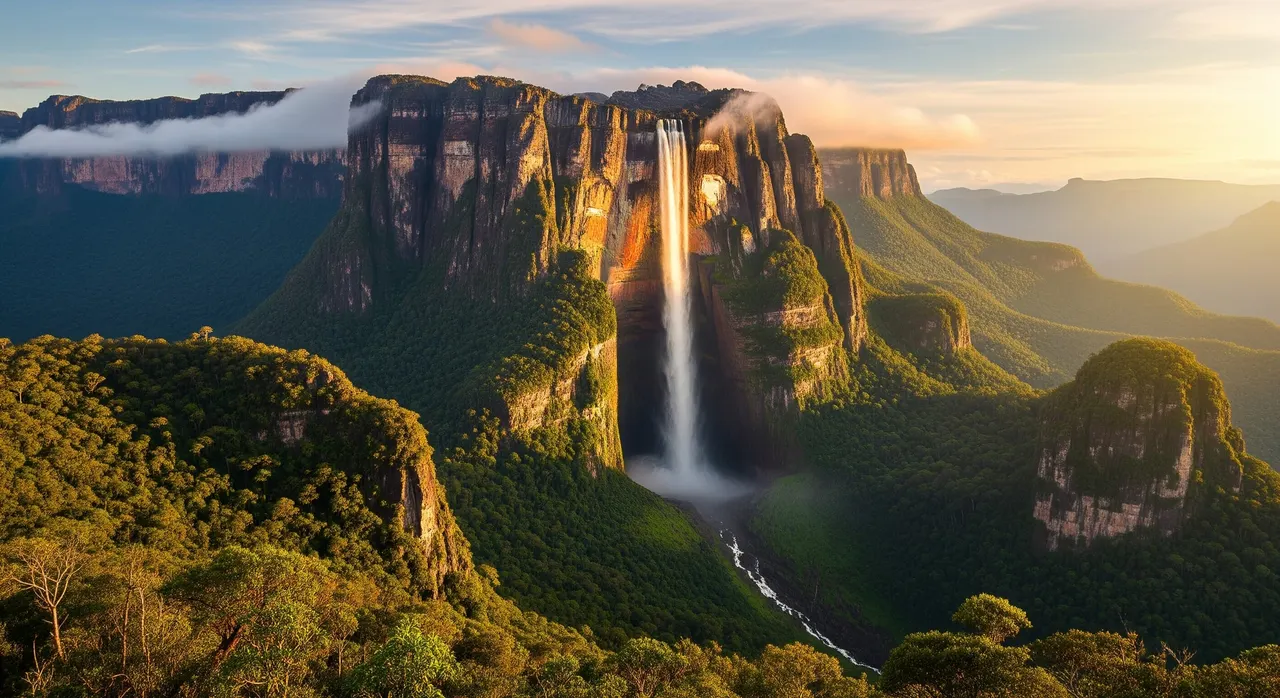
Venezuela — your starting point before relocating to ThailandVenezuela
From Venezuela to Thailand

Make the move from Venezuela

Trade Venezuela for up to five years in Thailand on the DTV. We prepare and submit your entire application from wherever you are — proof of funds, category evidence and passport — so you can focus on the move, not the paperwork.

Check eligibility
Step by step

How Venezuelan citizens apply for the DTV

1

Check you qualify

Almost every nationality can apply. Take our free 60-second eligibility checker to confirm your route — remote work, soft power, medical or family.

2

We prepare everything

We assemble and review your documents: proof of 500,000 THB (~$15,000), your category evidence and passport — so nothing gets rejected.

3

We submit for you

You apply from outside Thailand. We file at a Thai embassy or consulate (such as Hanoi, Ho Chi Minh, Jakarta, Vientiane or London) within one business day.

4

Get approved & move

On approval you get the 5-year, multiple-entry DTV — up to 180 days per stay, extendable once. Then make Thailand home.

Questions

DTV FAQ for Venezuelan citizens

What exactly is the Destination Thailand Visa (DTV)?

It is a 5-year, multiple-entry visa that lets you stay in Thailand for up to 180 days per entry, with the option to extend that stay once. It is designed for digital nomads, remote workers, freelancers and long-stay travellers who earn their income from outside Thailand.

How long can I stay in Thailand on the DTV?

Each entry allows a stay of up to 180 days, and you can extend that once by a further 180 days without leaving the country. Because it is multiple-entry, you can also leave and return for a fresh 180-day stay, repeated throughout the visa's 5-year validity.

Can I work remotely for a Venezuelan or foreign company while in Thailand?

Yes. The DTV is built for remote workers and digital nomads. You can keep your job or freelance for clients abroad while living in Thailand — the key rule is that you do not take local employment from a Thai company.

How much money do I need to prove for the DTV?

You need to show proof of 500,000 THB (~$15,000) in personal funds. This can come from a bank account, investments or a combination of assets, and our team helps you present it in the right format and with the right translations.

Where do I apply for the DTV, and who handles the paperwork?

You apply from outside Thailand, and you do not have to navigate it alone. Our team prepares and submits the entire application on your behalf, so your documents are complete and correctly formatted before they go in.

What does the service cost, and what if my application is denied?

Our service starts from $139. If you add the optional Denial Protection and your application is denied, you receive a 100% refund — so there is no financial risk in trying.

How long is the flight from Caracas to Bangkok?

There are no direct flights, so plan on roughly 28–38 hours of total travel with one or two stops. Common routings go via Madrid or Lisbon, via Istanbul, or via a Gulf hub such as Doha or Dubai; many travellers first connect through Bogotá, Panama City or Madrid.

Do my Spanish-language documents need to be translated?

Most likely, yes. Because Venezuela's official language is Spanish, supporting documents such as bank statements and proof of work will usually need a certified English or Thai translation so they can be verified. We guide you on exactly what to translate.

How do I move money from Venezuela to Thailand?

Most Venezuelans already operate in US dollars or stablecoins, then use services like Wise or Payoneer, or off-ramp crypto to baht. Once in Thailand, ATMs dispense baht (with a typical ~220 THB foreign-card fee), and opening a local bank account later reduces ongoing fees.

Is there a Venezuelan community in Thailand?

Yes, and it is growing. Venezuelans are settling in Bangkok, Chiang Mai and the islands, and you can connect through Spanish-speaking Facebook groups like 'Venezolanos en Tailandia' and broader Latino meetups — you will find paisanos faster than you expect.

Ready to move to Thailand from Venezuela?

Check your eligibility in under a minute, or let our team prepare and submit everything — with a 100% refund if your application is denied (with the optional paid Denial Protection add-on).