Skip to content
Oceania

DTV Visa for Ni-Vanuatu Citizens

For many Ni-Vanuatu , the appeal of a more affordable, better-connected, and opportunity-rich life is drawing eyes toward Thailand. With the Destination Thailand Visa (DTV) , you can base yourself in Southeast Asia for up to five years while working remotely, studying, or simply enjoying a long-term tropical home. Whether you are chasing a lower cost of living, faster internet, a wider job market, or easier access to the rest of Asia, Thailand offers Ni-Vanuatu adventurers a compelling next chapter beyond the islands of the Pacific.

Every Ni-Vanuatu citizen is eligible to apply

5

Years validity

180

Days per entry

500k

THB proof of funds

$139

Service fee from

100%

Refund if denied*

Why Ni-Vanuatu citizens choose Thailand

Living in Thailand from Vanuatu

Section 01

Why Ni-Vanuatu Are Choosing Thailand

Vanuatu's island beauty is undeniable, but for many Ni-Vanuatu the practical realities of life on a remote archipelago — high import-driven prices, limited flight connections, and patchy infrastructure — make a long stay in Thailand genuinely attractive. Thailand pairs tropical warmth with first-world conveniences: high-speed fibre internet, modern hospitals, sprawling shopping malls, and an efficient transport network, all at a fraction of what you would pay in Port Vila or Luganville.

The DTV makes this realistic for a Ni-Vanuatu freelancer, remote employee, or small-business owner. You can earn from abroad, spend in baht, and travel cheaply across the region — Singapore, Bali, Vietnam, and Japan are all short, inexpensive flights from Bangkok rather than the long Pacific hauls Vanuatu residents are used to. Add a large, welcoming expat scene and it is easy to see why Thailand is high on the list.

Section 02

Cost of Living: Vanuatu vs. Thailand

One of the biggest draws for Ni-Vanuatu is the sheer cost saving. Vanuatu imports most of its consumer goods and food, which keeps prices high, while Thailand produces enormous quantities domestically. Your money simply goes much further in Chiang Mai or Bangkok than in Port Vila, leaving more room for travel, dining out, and savings.

  • A modern one-bedroom apartment in central Bangkok or Chiang Mai costs roughly 10,000–25,000 THB ($280–$700) per month — often well below the rent for a comparable place in Port Vila, where expat-standard housing is scarce and pricey.
  • A filling local Thai meal costs 50–100 THB ($1.50–$3), compared with 800–1,500 vatu ($7–$13) for a basic lunch in Vanuatu, where much of the menu relies on imported ingredients.
  • Reliable high-speed fibre internet in Thailand runs from about 500 THB/month, with fast Wi-Fi standard in cafes and coworking spaces — a major upgrade over Vanuatu's slower, satellite-dependent and far more expensive connectivity.
  • Public transport in Bangkok, such as the BTS Skytrain, costs just 17–62 THB per trip, and Chiang Mai songthaews (shared red trucks) start around 30 THB — both far cheaper and more frequent than getting around Efate or Santo.

Quick Comparison

A furnished studio in Chiang Mai can be found from around 7,000 THB ($200) per month — close to what a single week in a mid-range Port Vila hotel might cost. For Ni-Vanuatu used to high island prices, the savings on housing alone are dramatic.

Section 03

Getting to Thailand from Vanuatu

There are no direct flights between Vanuatu and Thailand, so the trip involves at least one or two connections. From Bauerfield International Airport (VLI) in Port Vila, the usual pattern is a short hop to an Australian or Pacific hub — Brisbane, Sydney, Auckland, or Nadi in Fiji — followed by a long-haul leg to Bangkok's Suvarnabhumi Airport (BKK). Brisbane and Sydney are the most common gateways, with onward Bangkok service on carriers such as Thai Airways, Qantas, and various one-stop options through Singapore or Kuala Lumpur.

Door to door, expect a total journey of roughly 14–20 hours depending on layovers. Booking the Port Vila–Australia leg and the Australia–Bangkok leg together, or routing via Fiji, often gives the smoothest connections. Because flights out of Vanuatu are limited, it pays to book early and stay flexible on dates.

Time Zones

Thailand runs on Indochina Time (UTC+7), while Vanuatu is UTC+11 — a 4-hour difference, with Bangkok behind. When it is noon in Port Vila, it is 8:00 AM in Bangkok. The early-morning overlap with Australia and New Zealand makes the DTV workable for Ni-Vanuatu keeping ties to the Pacific.

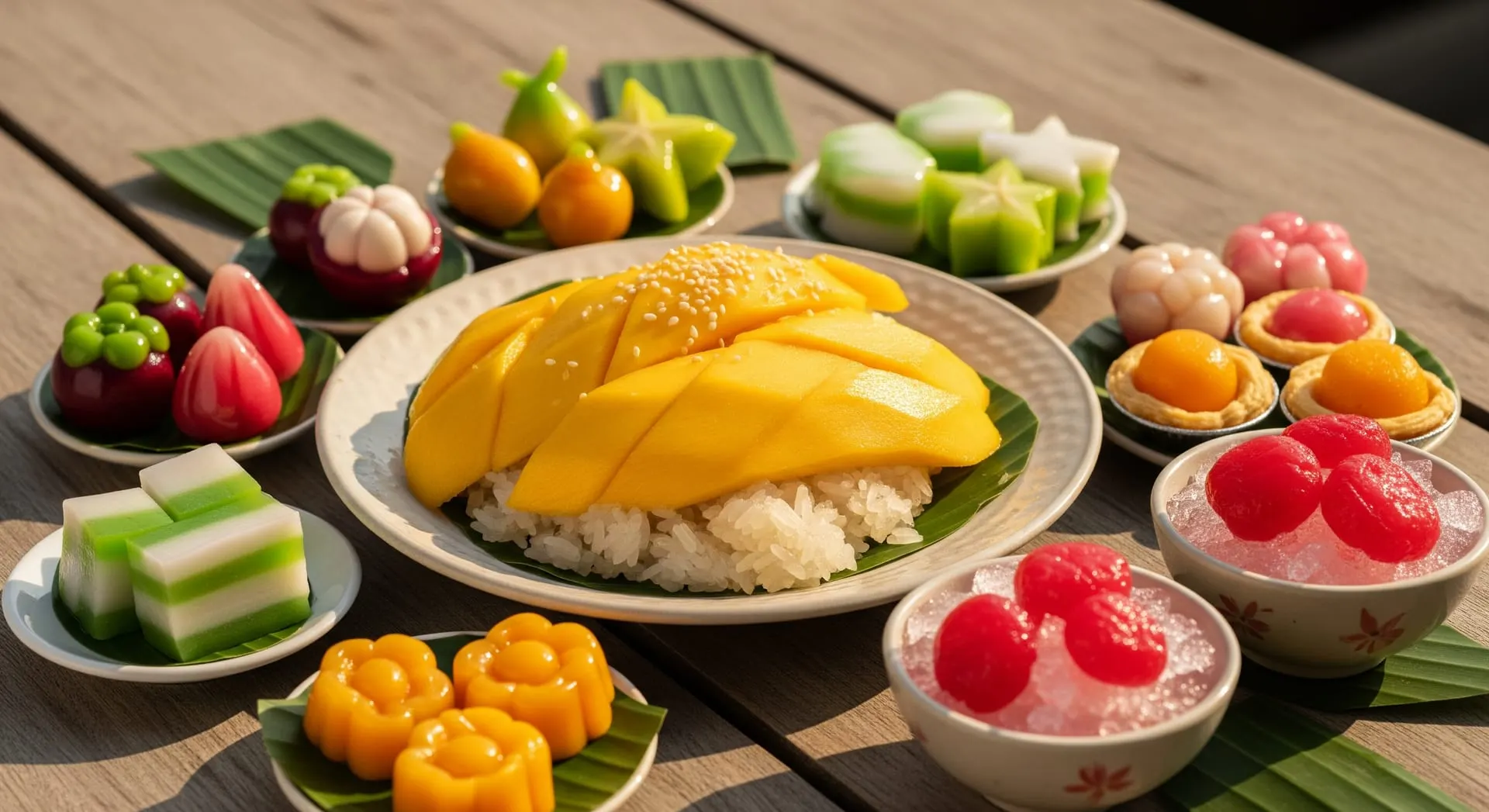
Daily life in Thailand — where Ni-Vanuatu citizens settle on the DTV
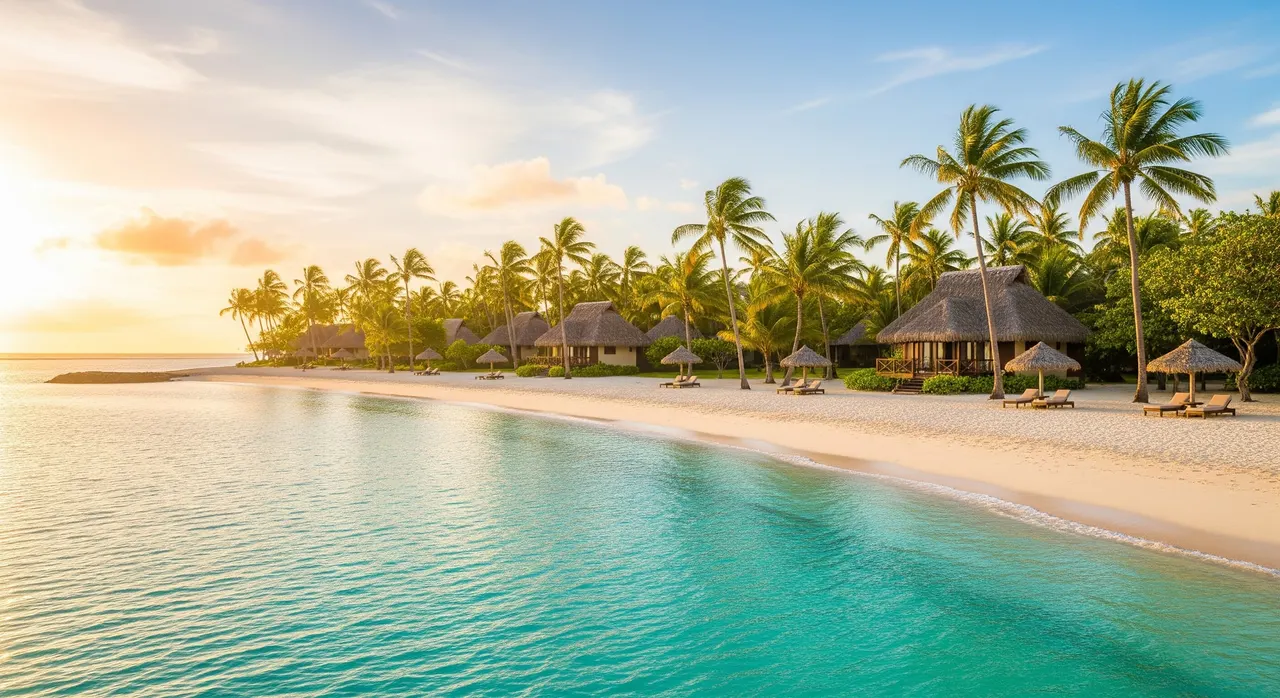
Life in Thailand — your home base on the 5-year DTV
Section 04

Where Ni-Vanuatu Expats and Nomads Settle in Thailand

Where you base yourself depends on your lifestyle. Digital nomads and freelancers gravitate to Chiang Mai for its low cost of living, thriving coworking scene, and cool mountain backdrop. Ni-Vanuatu who want the island feel of home head to Phuket , Koh Samui , or Krabi , where turquoise water and laid-back beach communities echo Vanuatu's coastline. City lovers settle in Bangkok for its endless dining, nightlife, business contacts, and direct international flights, while Pattaya and Hua Hin offer a relaxed coastal-city middle ground popular with long-term expats and retirees.

Section 05

Money and Banking: Moving Funds from Vanuatu

Managing money across borders is straightforward with a little planning. The Vanuatu vatu (VUV) is not widely traded and won't fetch a good cash rate in Thailand, so the smart approach is to hold your savings in a major currency and transfer electronically. Services like Wise and OFX typically offer far better rates and lower fees than airport currency counters or bank wires. ATMs are everywhere in Thailand, but most charge a fixed fee of around 220 THB per withdrawal on foreign cards, so larger, less frequent withdrawals save money.

To satisfy the DTV's financial requirement — proof of 500,000 THB (~$15,000) in personal funds — keep your bank statements clear, recent, and well organised. A practical routine is to use an international debit or credit card for your first weeks, then open a local Thai account once you have your visa documentation in hand for everyday spending and rent.

Pro Tip

Open a Thai bank account once you arrive to dodge repeated foreign-transaction fees. Bangkok Bank and Krungsri are among the more expat-friendly banks; bring your passport, visa paperwork, and a proof of address such as a lease or condo letter.

Section 06

Documents and Translation: The English Advantage

Here Ni-Vanuatu have a real head start. Because English is one of Vanuatu's official languages , most official paperwork — bank statements, employment letters, and police clearances — is issued in English, exactly the format Thai authorities prefer for DTV supporting documents. In most cases your Vanuatu documents will be accepted as-is, with no translation step needed.

The exception is anything issued only in Bislama or French , Vanuatu's other official languages. If a key document is in either of those, you will need a certified English translation before submission. It is a simple, inexpensive step, and our team will tell you exactly which documents (if any) require it so nothing slows down your application.

Section 07

Daily Life and Community for Ni-Vanuatu in Thailand

Thailand is safe, friendly, and easy to settle into — qualities Ni-Vanuatu often find familiar coming from their own warm island culture. Private hospitals in Bangkok and Chiang Mai deliver care on par with Australia or New Zealand at a fraction of the price, fast internet keeps remote work humming, and the food scene runs from fiery street-side noodles to international restaurants, with cheap tropical fruit year-round. The Ni-Vanuatu community itself is small, but Thailand's vast expat network — including other Pacific Islanders and Australians — means you will rarely feel isolated. Facebook groups, coworking spaces, sports clubs, and language meetups make it easy to build a circle within weeks of arriving.

Staying Connected

Search Facebook for groups like 'Vanuatu Expats in Thailand' or broader Pacific Islander communities to meet others, swap practical tips, and find local events — one of the fastest ways to build a support network after you move.

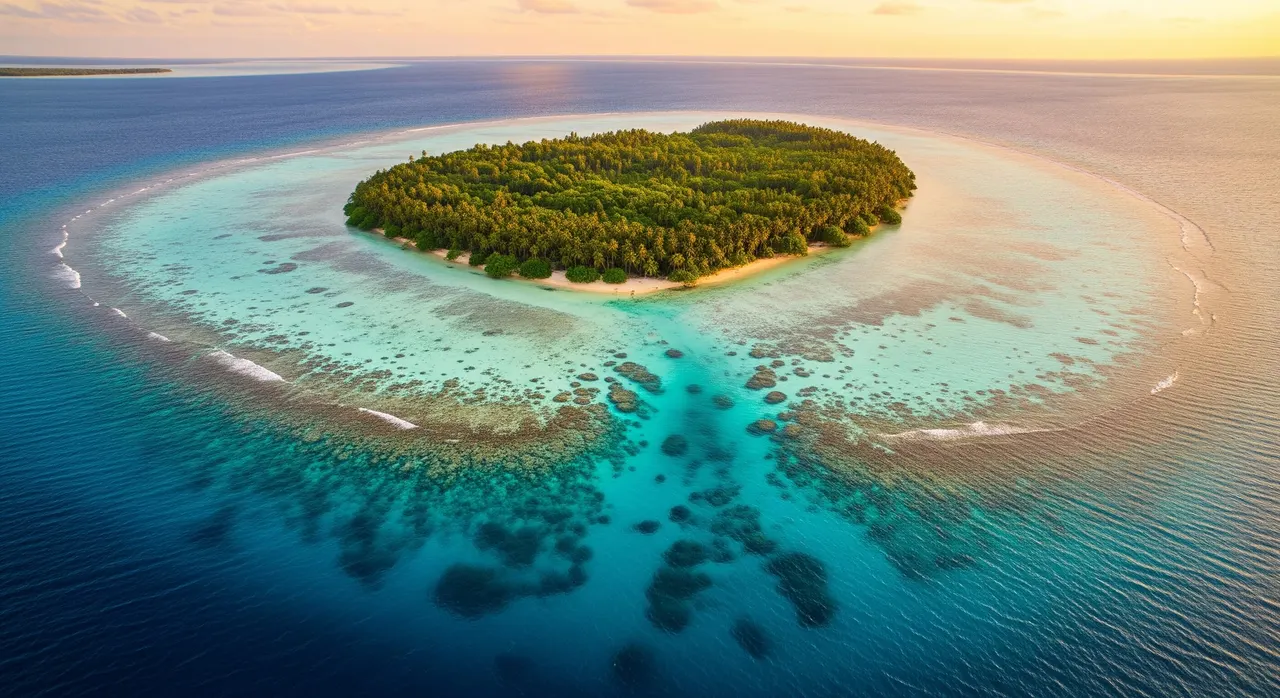
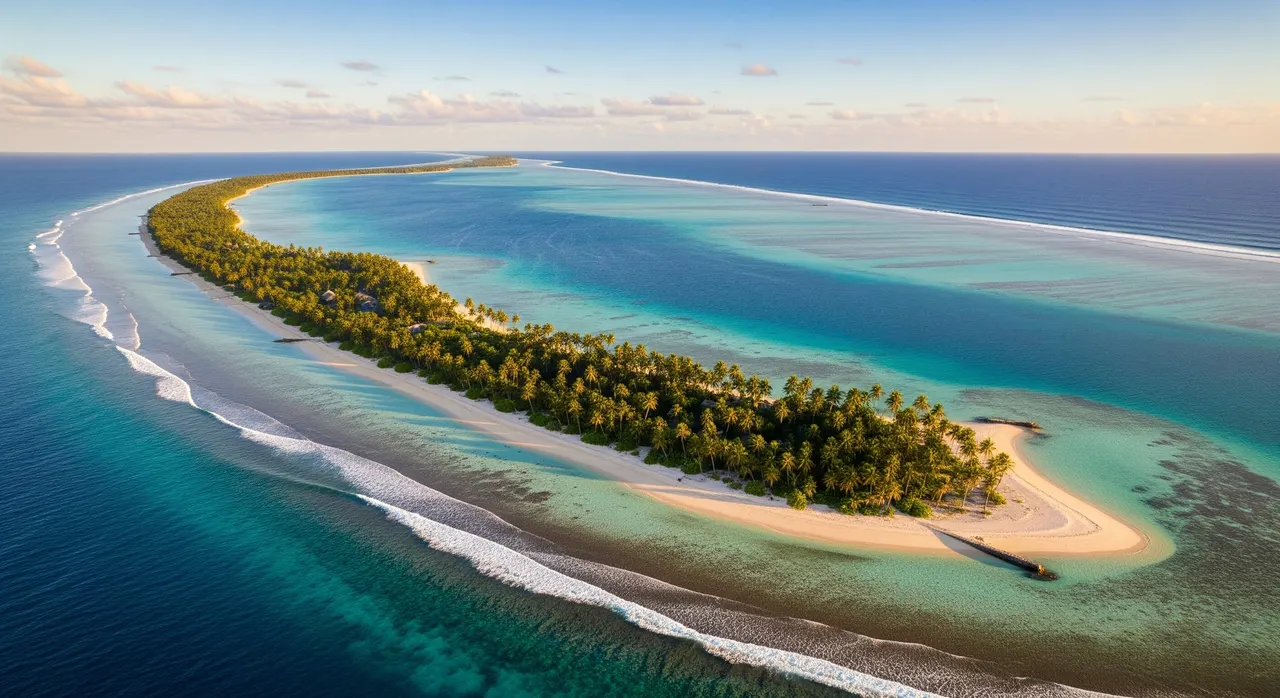
Vanuatu — your starting point before relocating to ThailandVanuatu
From Vanuatu to Thailand

Make the move from Vanuatu

Trade Vanuatu for up to five years in Thailand on the DTV. We prepare and submit your entire application from wherever you are — proof of funds, category evidence and passport — so you can focus on the move, not the paperwork.

Check eligibility
Step by step

How Ni-Vanuatu citizens apply for the DTV

1

Check you qualify

Almost every nationality can apply. Take our free 60-second eligibility checker to confirm your route — remote work, soft power, medical or family.

2

We prepare everything

We assemble and review your documents: proof of 500,000 THB (~$15,000), your category evidence and passport — so nothing gets rejected.

3

We submit for you

You apply from outside Thailand. We file at a Thai embassy or consulate (such as Hanoi, Ho Chi Minh, Jakarta, Vientiane or London) within one business day.

4

Get approved & move

On approval you get the 5-year, multiple-entry DTV — up to 180 days per stay, extendable once. Then make Thailand home.

Questions

DTV FAQ for Ni-Vanuatu citizens

How long is the flight from Vanuatu to Thailand?

There are no direct flights. The journey from Port Vila to Bangkok usually takes around 14–20 hours with one or two stops, typically connecting through Brisbane, Sydney, Auckland, or Nadi (Fiji).

What is the time difference between Vanuatu and Thailand?

Thailand (UTC+7) is 4 hours behind Vanuatu (UTC+11). When it is noon in Port Vila, it is 8:00 AM in Bangkok.

Is Thailand really cheaper than Vanuatu for daily living?

Yes, significantly. Rent, food, transport, and entertainment in Thailand generally cost far less than in import-reliant Vanuatu. A furnished studio in Chiang Mai can be as low as about 7,000 THB ($200) per month, well below comparable housing in Port Vila.

Do my Vanuatu documents need to be translated for the DTV?

Usually not. Because English is an official language of Vanuatu, most of your documents will already be in English and accepted as-is. Only paperwork issued solely in Bislama or French would need a certified English translation.

Can I work remotely for a Vanuatu or overseas company while on the DTV?

Yes. The DTV is designed for remote workers earning from foreign employers or their own business based outside Thailand. As long as your income comes from abroad, working online from Thailand is fully compliant.

How long can I stay in Thailand with the DTV?

The DTV is a 5-year multiple-entry visa. Each entry allows a stay of up to 180 days, which can be extended once for a further 180 days, giving up to roughly a year of continuous stay per entry before you need to leave and re-enter.

How much money do I need to show for the DTV?

You must show proof of 500,000 THB (approximately $15,000) in personal funds to support your stay. Clear, recent bank statements are the simplest way to demonstrate this.

How much does the DTV service cost?

Our DTV application service starts from $139. We prepare and submit your entire application for you, so you apply with confidence from Vanuatu.

Can I apply for the DTV while I am already in Thailand?

No. The Destination Thailand Visa must be applied for from outside Thailand. Our team prepares and submits everything on your behalf, and you receive approval before you travel.

What happens if my visa application is denied?

With our optional Denial Protection add-on, you receive a 100% refund of our service fee if your application is denied. We stand behind the quality of every application we submit.

Ready to move to Thailand from Vanuatu?

Check your eligibility in under a minute, or let our team prepare and submit everything — with a 100% refund if your application is denied (with the optional paid Denial Protection add-on).