Skip to content
Asia

DTV Visa for Uzbek Citizens
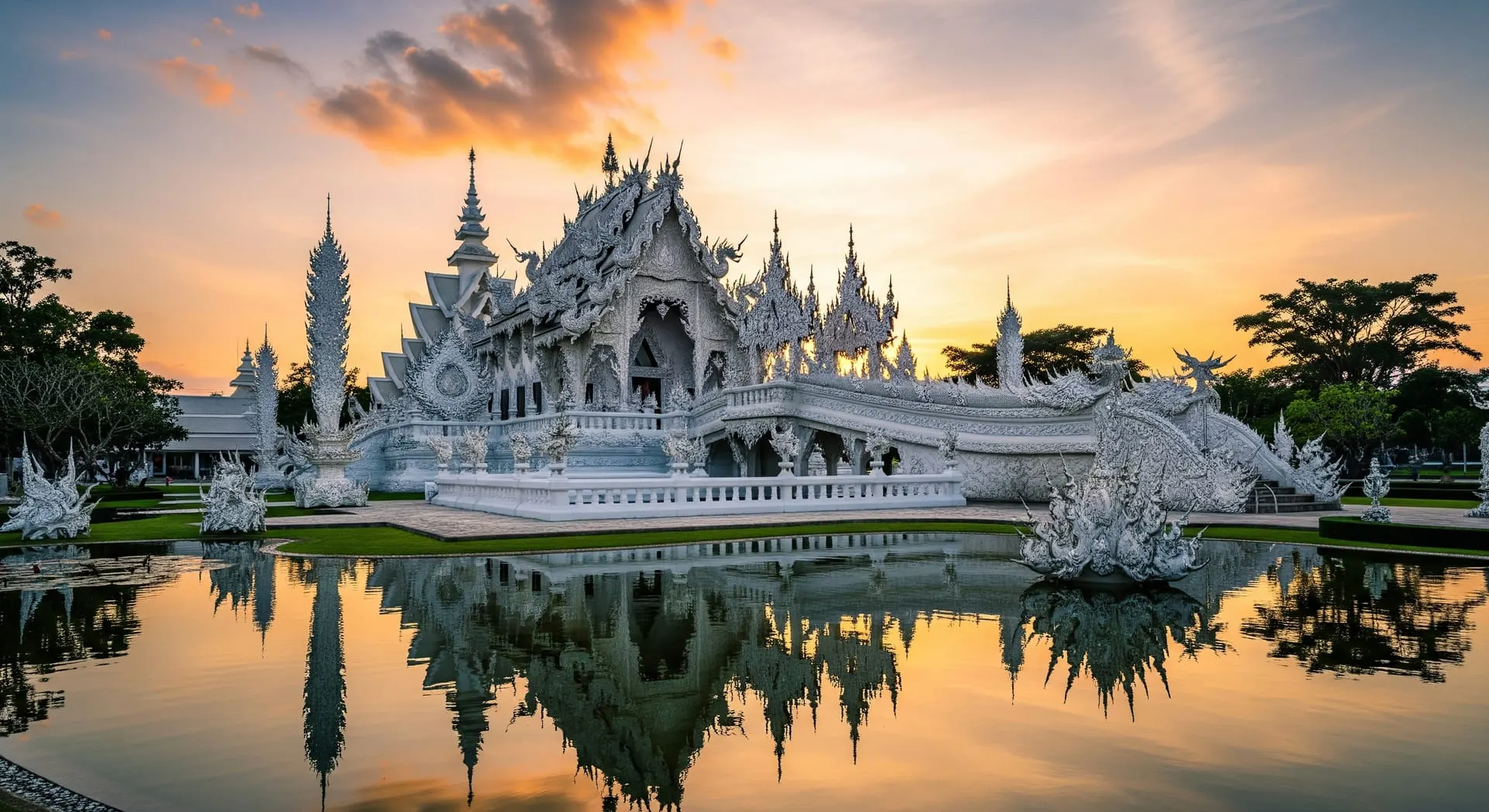
For Uzbek professionals, freelancers and remote workers, Thailand offers a rare chance to upgrade your lifestyle without giving up your earning power. Trade Tashkent's freezing winters and 40C summers for steady tropical warmth, stretch your income further, and plug into Asia's most established digital-nomad scene. The Destination Thailand Visa (DTV) is a 5-year, multiple-entry visa that finally gives Uzbek remote workers a clear, long-term way to call Thailand home, and below we cover exactly what life there looks like.

Every Uzbek citizen is eligible to apply

5

Years validity

180

Days per entry

500k

THB proof of funds

$139

Service fee from

100%

Refund if denied*

Why Uzbek citizens choose Thailand

Living in Thailand from Uzbekistan

Section 01

Why Uzbek Citizens Are Moving to Thailand

Uzbekistan's sharp continental climate, with summers above 40C in the Fergana Valley and winters that drop well below freezing in Tashkent, pushes many people to look for a gentler year-round environment. Thailand delivers exactly that: warm weather, long sunny seasons, and an end to the extreme swings of Central Asia. Beyond the climate, Uzbek professionals are drawn by Thailand's relaxed pace, low everyday costs, and the freedom to run a business or service international clients from a Chiang Mai coworking space or a Phuket beach cafe.

There is also a cultural fit. The Thai idea of sanuk , finding enjoyment in daily life, sits comfortably alongside the Uzbek love of hospitality, shared meals and community. Add modern infrastructure, affordable private healthcare, a large Muslim-friendly food scene and a visa that genuinely recognises remote workers, and it is easy to see why more Uzbeks are making the move each year.

Section 02

Cost of Living: Uzbekistan vs Thailand

For most Uzbeks, the headline figures will look familiar rather than shocking, since both countries are affordable by Western standards, but Thailand often buys you noticeably better quality for the money. A modern, furnished one-bedroom apartment in a central Bangkok neighbourhood typically runs 15,000-25,000 THB (about $420-$700) per month, with pools, gyms and security included. In Chiang Mai the same budget goes further, and a comfortable studio can be found from around 8,000-12,000 THB ($220-$340). Compared with newer apartments in central Tashkent, you generally get more amenities and a far wider rental market.

  • Meal at a local Thai restaurant: 50-80 THB ($1.40-$2.20), comparable to an inexpensive lunch in Tashkent but with huge variety
  • Monthly coworking membership: 2,000-4,000 THB ($55-$110) in the major nomad hubs, usually including coffee, fast internet and events
  • Bangkok BTS/MRT monthly travel: around 1,200-1,500 THB ($34-$42), fully air-conditioned and expanding every year
  • Home fibre internet (500+ Mbps): roughly 600-1,000 THB ($17-$28) per month, fast and very stable across the major cities

Where Your Money Goes Further

The biggest savings for Uzbeks usually come from eating out and transport. Cooking at home is cheap in both countries, but in Thailand a hot, freshly cooked street meal often costs less than buying the ingredients, so many residents barely use their kitchen.

Section 03

Getting to Thailand from Uzbekistan

Tashkent International Airport (TAS) is your main gateway, and the most reliable way to reach Bangkok is via a single connection. Common one-stop routings go through Dubai, Istanbul, Almaty, Delhi or other regional hubs, with total travel times of roughly 9-13 hours depending on the layover. Carriers such as Uzbekistan Airways, flydubai, Turkish Airlines and Gulf airlines compete on these routes, so fares and schedules are flexible. From other Uzbek cities like Samarkand, Bukhara or Namangan, you simply connect through Tashkent first.

Once you are settled, the time difference is easy to live with. Thailand (UTC+7) is just 2 hours ahead of Uzbekistan (UTC+5), so a workday in Bangkok or Chiang Mai overlaps comfortably with one in Tashkent. You can keep regular hours and still have plenty of shared working time with Uzbek employers, partners or clients, with no punishing night shifts.

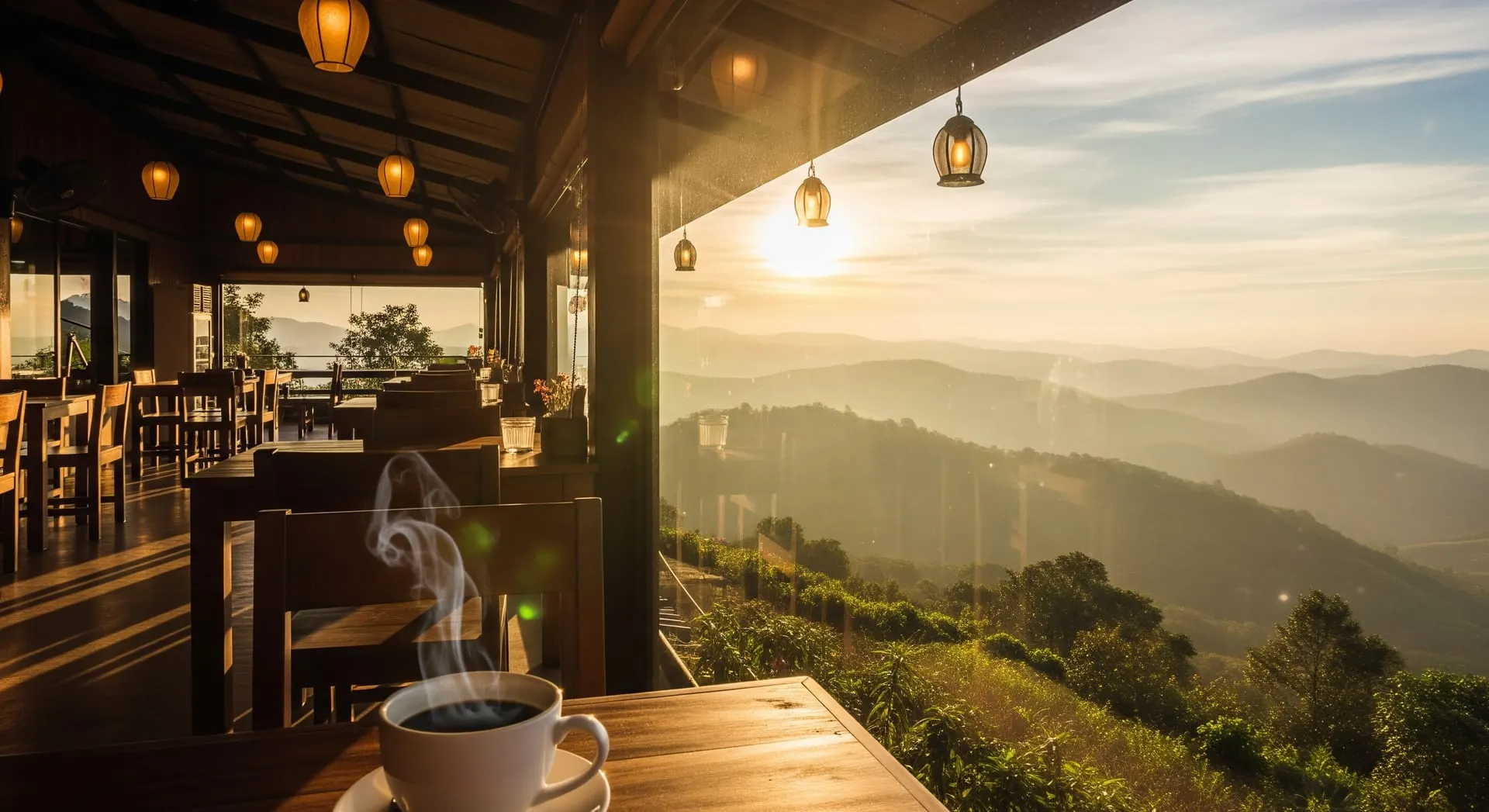
Daily life in Thailand — where Uzbek citizens settle on the DTV
Life in Thailand — your home base on the 5-year DTV
Section 04

Where Uzbek Expats and Nomads Settle

Uzbek nationals tend to gravitate to three kinds of base. Bangkok suits those who want business opportunities, international flights and a big-city buzz. Chiang Mai is the heart of the budget-friendly digital-nomad community, with cooler mountain air, a relaxed pace and a strong cafe culture that echoes Central Asian tea-house traditions. For a beach lifestyle, Phuket and Koh Samui offer island living with solid infrastructure and growing nomad scenes.

Community Tip

Search Facebook for groups such as 'Uzbeks in Thailand' and the wider Russian-speaking expat communities before you arrive. Members share trusted apartment leads, halal food spots and translation contacts, and they often organise Navruz celebrations and shared plov gatherings that keep a taste of home alive.

Section 05

Money and Banking from Uzbekistan

Day-to-day, the simplest approach is to keep your money in your existing accounts and move it as needed. International transfer services such as Wise and Paysend usually offer better exchange rates from Uzbek som to Thai baht than traditional bank wires, and they deliver funds quickly. Note that the Uzbek som is rarely accepted at Thai exchange counters, so plan to convert through your card, a transfer service, or by holding US dollars, which exchange easily everywhere in Thailand.

For cash, Thai ATMs are everywhere but charge a foreign-card fee of around 220 THB per withdrawal, on top of your home bank's charges, so it pays to take out larger amounts less often. The best in-person rates are at SuperRich and similar exchange chains in Bangkok rather than at the airport. Opening a local Thai bank account is possible for many DTV holders but is handled bank by bank and can take some patience, so do not rely on it for your first weeks.

Proof of Funds for the DTV

The DTV requires proof of 500,000 THB (about $15,000) in personal funds. This is a balance you show to qualify, not a fee you pay, and the money stays yours. You apply from outside Thailand, and our team prepares and submits the full application for you, with service from $139.

Section 06

Documents and Translation

Language and Translation

Uzbekistan's official language is Uzbek, with Russian widely used in business and banking. Because DTV supporting documents (bank statements, employment letters, contracts and similar) are reviewed in English, any Uzbek or Russian paperwork will likely need a certified English translation. Our team can point you to accredited translators so your file is consistent and ready to submit.

Section 07

Daily Life and Community

  • Healthcare: Private hospitals such as Bumrungrad and Bangkok Hospital offer international-standard care, popular with Uzbek expats for both routine visits and specialist treatment.
  • Internet: Thailand's fibre networks are among the fastest and most reliable in the region, ideal for Uzbek IT professionals, designers and freelancers working with global clients.
  • Food: Beyond pad Thai, Thailand's long-established Muslim communities mean halal restaurants are easy to find, and lovers of plov and samsa will recognise plenty of rice and baked-meat dishes.
  • Safety: Thailand is consistently among the more relaxed places to live in Asia, with low violent crime and a generally welcoming attitude toward foreign residents and families.
Health Cover Tip

Arrange international health insurance before you arrive. Thai private hospitals are excellent but charge accordingly, so a policy that covers private treatment gives real peace of mind, and several insurers now offer flexible plans aimed at nomads and remote workers from Central Asia.

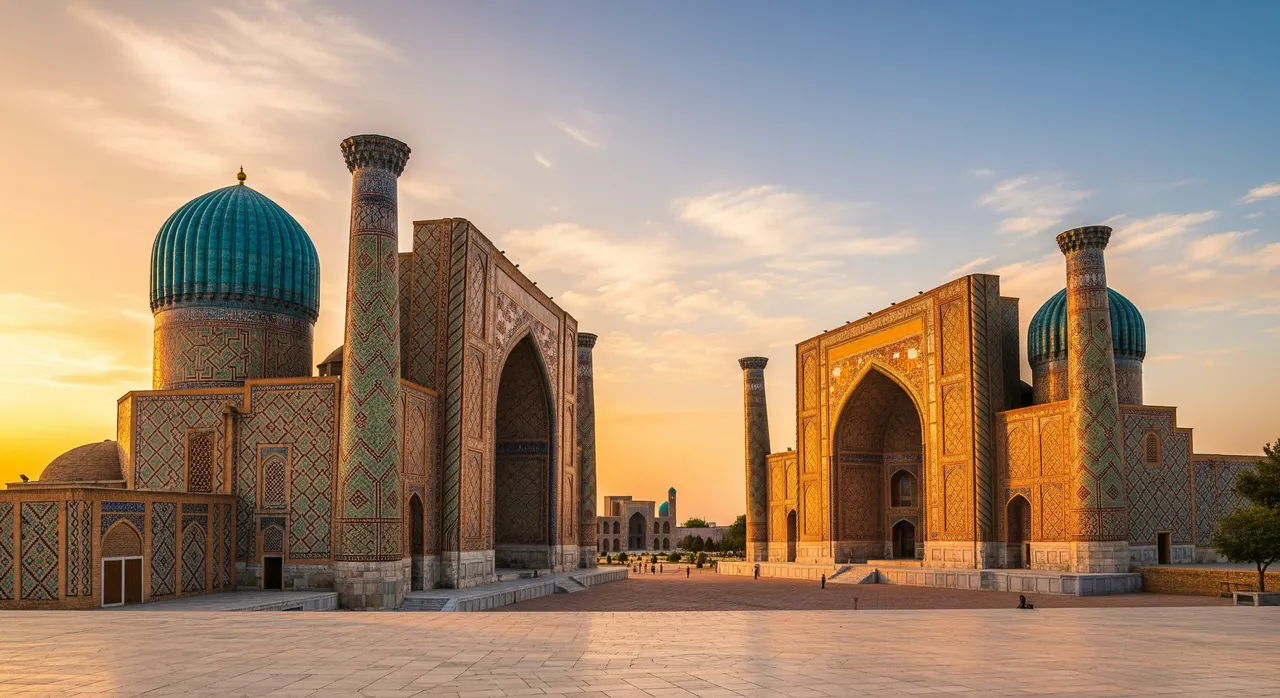
Uzbekistan — your starting point before relocating to ThailandUzbekistan
From Uzbekistan to Thailand

Make the move from Uzbekistan

Trade Uzbekistan for up to five years in Thailand on the DTV. We prepare and submit your entire application from wherever you are — proof of funds, category evidence and passport — so you can focus on the move, not the paperwork.

Check eligibility
Step by step

How Uzbek citizens apply for the DTV

1

Check you qualify

Almost every nationality can apply. Take our free 60-second eligibility checker to confirm your route — remote work, soft power, medical or family.

2

We prepare everything

We assemble and review your documents: proof of 500,000 THB (~$15,000), your category evidence and passport — so nothing gets rejected.

3

We submit for you

You apply from outside Thailand. We file at a Thai embassy or consulate (such as Hanoi, Ho Chi Minh, Jakarta, Vientiane or London) within one business day.

4

Get approved & move

On approval you get the 5-year, multiple-entry DTV — up to 180 days per stay, extendable once. Then make Thailand home.

Questions

DTV FAQ for Uzbek citizens

How long can I stay in Thailand with the DTV as an Uzbek citizen?

The Destination Thailand Visa is a 5-year multiple-entry visa. Each entry lets you stay up to 180 days, and that stay can be extended once for another 180 days, giving you up to about a year per visit before you need to leave and re-enter.

What are the financial requirements for the DTV?

You show proof of personal funds of at least 500,000 Thai Baht (approximately $15,000). This is a balance you demonstrate to qualify, not money you hand over, and it confirms you can support yourself while living in Thailand.

Can I apply for the DTV from inside Thailand?

No. The application must be submitted from outside Thailand, so you can apply from Uzbekistan or another country before you travel. Our team prepares and submits the entire application on your behalf to keep it complete and compliant.

How much does your DTV service cost for Uzbeks?

Our service starts from $139 and covers the full application process. If you add the optional Denial Protection, you receive a 100% refund in the event your visa is not approved.

What is the time difference between Uzbekistan and Thailand, and how does it affect remote work?

Thailand (UTC+7) is 2 hours ahead of Uzbekistan (UTC+5). That small gap is ideal for remote work: your day in Thailand overlaps neatly with working hours in Tashkent or Samarkand, so you keep normal hours with no early mornings or late nights.

How do I fly from Tashkent to Bangkok?

The most reliable option is a one-stop flight from Tashkent (TAS) to Bangkok (BKK) via hubs such as Dubai, Istanbul, Almaty or Delhi, with total journey times of roughly 9-13 hours depending on the connection. From other Uzbek cities, you connect through Tashkent first.

Is Thailand safe for Uzbek families and solo travellers?

Yes. Thailand is known for its hospitality and is one of the more relaxed places to live in Asia. Violent crime is uncommon, and Uzbeks generally find the local culture warm and welcoming, with many families settling comfortably in Chiang Mai and Bangkok.

Can I work remotely for my Uzbek employer while on the DTV?

Yes. The DTV is designed for digital nomads and remote workers. You can work for an employer based in Uzbekistan or serve international clients, as long as your income is not earned from Thai sources.

What documents do I need to translate for the DTV application?

Any supporting documents not already in English will likely need a certified English translation. Since Uzbek paperwork is usually in Uzbek or Russian, plan to have items like bank statements and employment letters professionally translated. We can connect you with accredited translators.

Can I send money from Uzbekistan to Thailand easily, and will Thai shops accept Uzbek som?

Transfers are straightforward using services like Wise or Paysend, which give good som-to-baht rates and arrive quickly. However, the Uzbek som is rarely accepted at Thai exchange counters, so it is best to convert via your card, a transfer service, or by carrying US dollars, which exchange easily across Thailand.

Is there an Uzbek community in Thailand?

Yes, and it is growing. Online groups such as 'Uzbeks in Thailand', along with broader Russian-speaking expat communities, are active on social media and share tips on halal food, housing and translation. Chiang Mai and Bangkok host the largest concentrations, and members often celebrate Navruz together.

Ready to move to Thailand from Uzbekistan?

Check your eligibility in under a minute, or let our team prepare and submit everything — with a 100% refund if your application is denied (with the optional paid Denial Protection add-on).