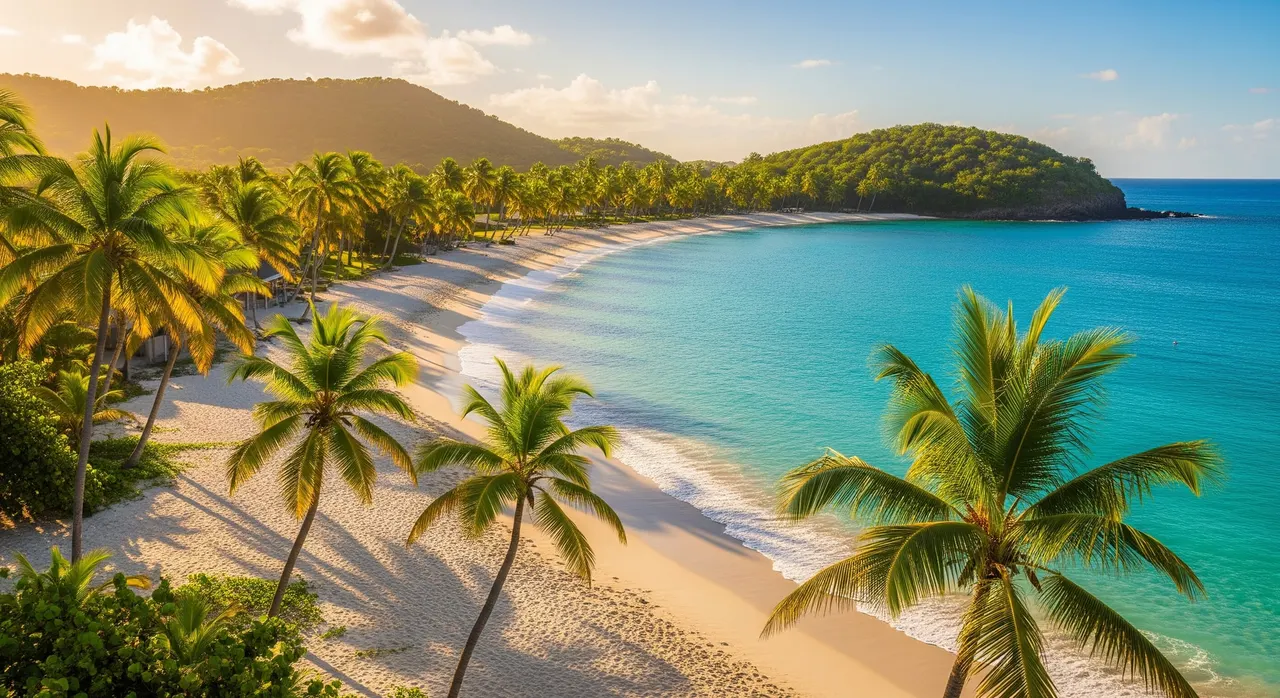
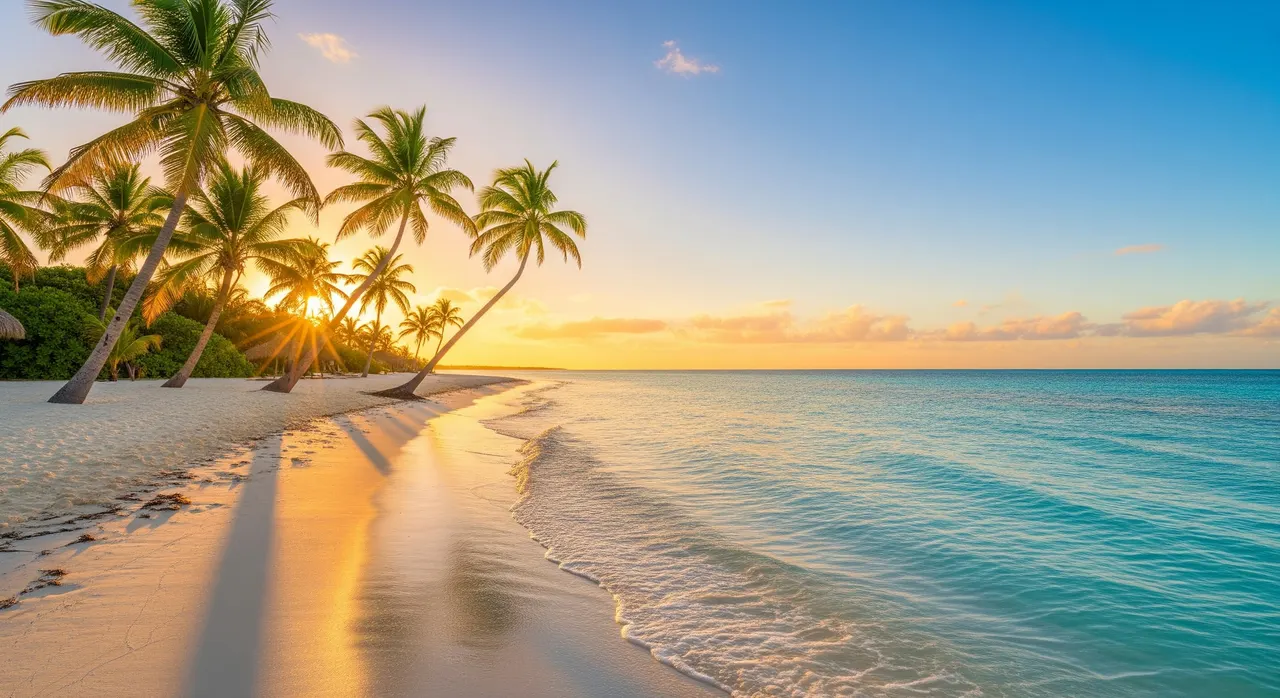
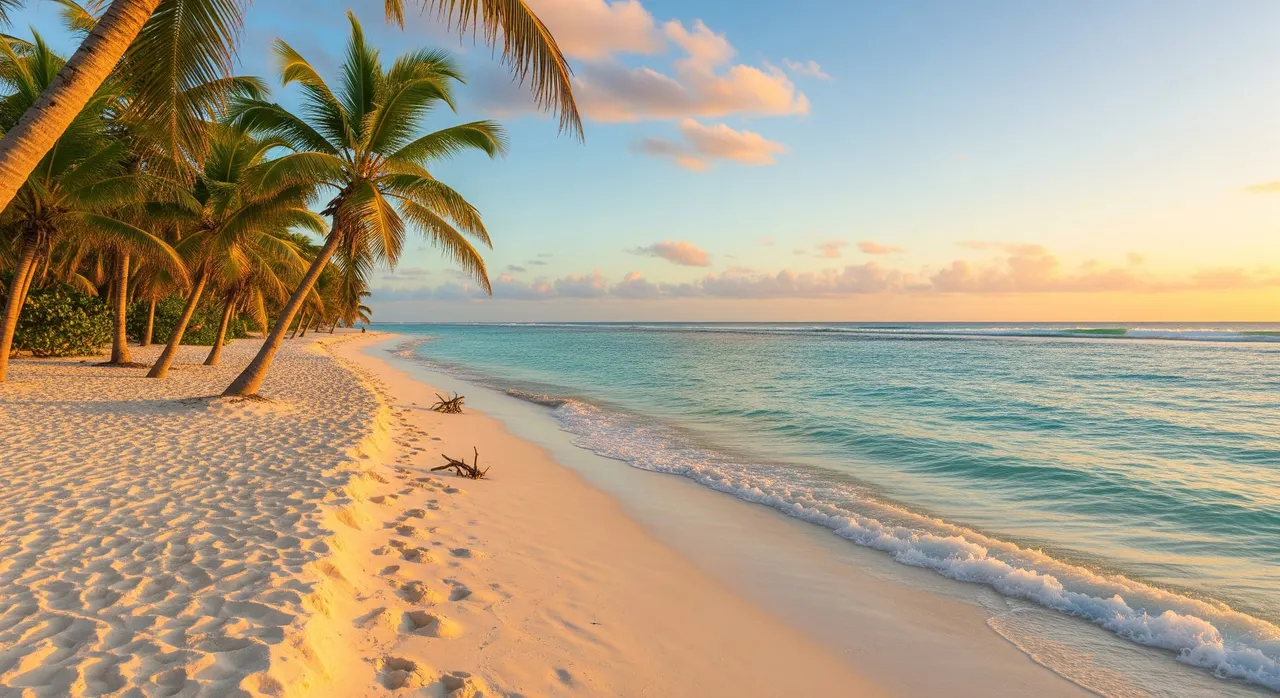
For Uruguayans seeking a transformational change of pace, Thailand is no longer just a dreamy holiday spot on the far side of the planet — it can be a genuine new home. The Destination Thailand Visa (DTV) opens a five-year window to a country where tropical beaches replace Montevideo's grey winter rambla, where your savings stretch dramatically further, and where the rhythm of daily life rewards balance over hustle. Whether you are a remote worker tired of rising costs in Pocitos, a freelancer chasing year-round sun, or a long-term traveller ready to put down roots, the DTV gives you the legal flexibility to live in Thailand for as long as five years.
Uruguay offers one of Latin America's highest qualities of life, but it comes at a price: it is consistently among the most expensive countries in the region, and the winters along the River Plate can be damp and grey. Thailand offers a striking contrast — a tropical climate that swaps June frost for endless warmth, a street-food culture for a fraction of the cost of a Montevideo parrillada, and a famously gentle society where mai pen rai ('no worries') is a daily attitude rather than just a phrase. For remote workers the appeal is practical as much as romantic: lower rent, faster internet, and a base from which the rest of Asia is just a short, cheap flight away.
Section 02
Cost of Living: Uruguay vs Thailand
The single biggest reason Uruguayans look east is value. Uruguay's strong peso and high import duties make almost everything — from electronics to a restaurant dinner — pricey by regional standards. In Thailand, the same monthly budget that covers a modest life in Montevideo can fund a comfortable, even generous lifestyle, with money left over for travel.
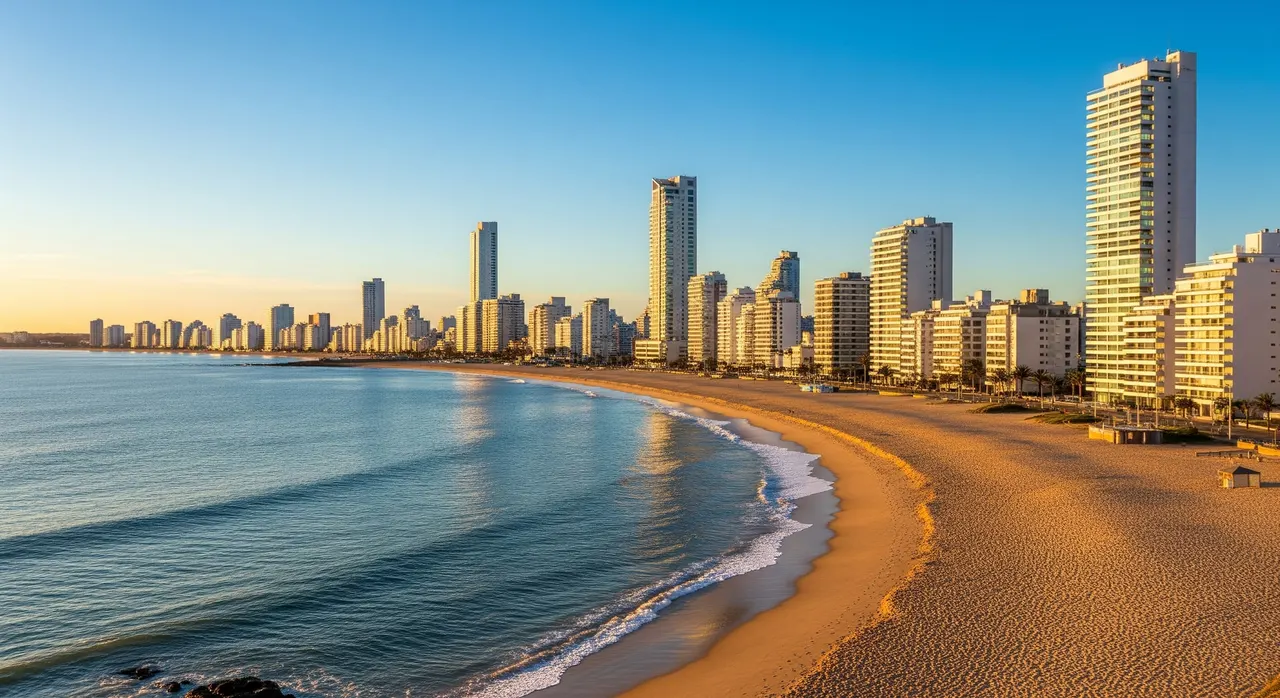
Bangkok vs Montevideo at a glance
A one-bedroom apartment in central Montevideo typically runs well over US$650 a month; a comparable condo in central Bangkok often costs US$400 or less, and in Chiang Mai US$300 or less. A casual restaurant meal in Uruguay rarely dips below US$12, while a fresh plate of pad thai or a rice-and-curry lunch from a Thai food stall costs around US$2.
Rent: A modern studio or one-bed condo in Chiang Mai starts around US$300/month — far below Punta del Este or Pocitos prices.
Coworking: A monthly hot-desk in Thailand often starts near US$50; equivalent space in Montevideo tends to run US$150 or more.
Transport: A Bangkok BTS Skytrain ride is roughly US$0.50–1.50; back home, taxis and fuel are notably pricier.
Dining out: Everyday Thai meals run US$1.50–3; a similar-quality lunch in Uruguay seldom comes in under US$10.
Groceries: Local Thai markets are cheap, though imported goods (wine, beef cuts, mate) carry a premium just as they would back home.
Section 03
Getting to Thailand from Uruguay
There are no direct flights — Uruguay to Thailand is one of the longest journeys you can make, so expect one or two stops. Most travellers leave from Carrasco International Airport (MVD) in Montevideo, often connecting first through São Paulo (GRU) or Buenos Aires, then onward to Bangkok's Suvarnabhumi (BKK) via a Gulf hub such as Dubai, Doha or Abu Dhabi, or via a European gateway like Madrid or Istanbul. Realistic total travel time runs roughly 28–34 hours door to door depending on layovers. It is a serious haul, but you typically only do it once or twice a year given the DTV's long stay periods. Thailand sits 10 hours ahead of Uruguay (UTC+7 versus UTC−3), so plan a day or two to shake off the jet lag on arrival.
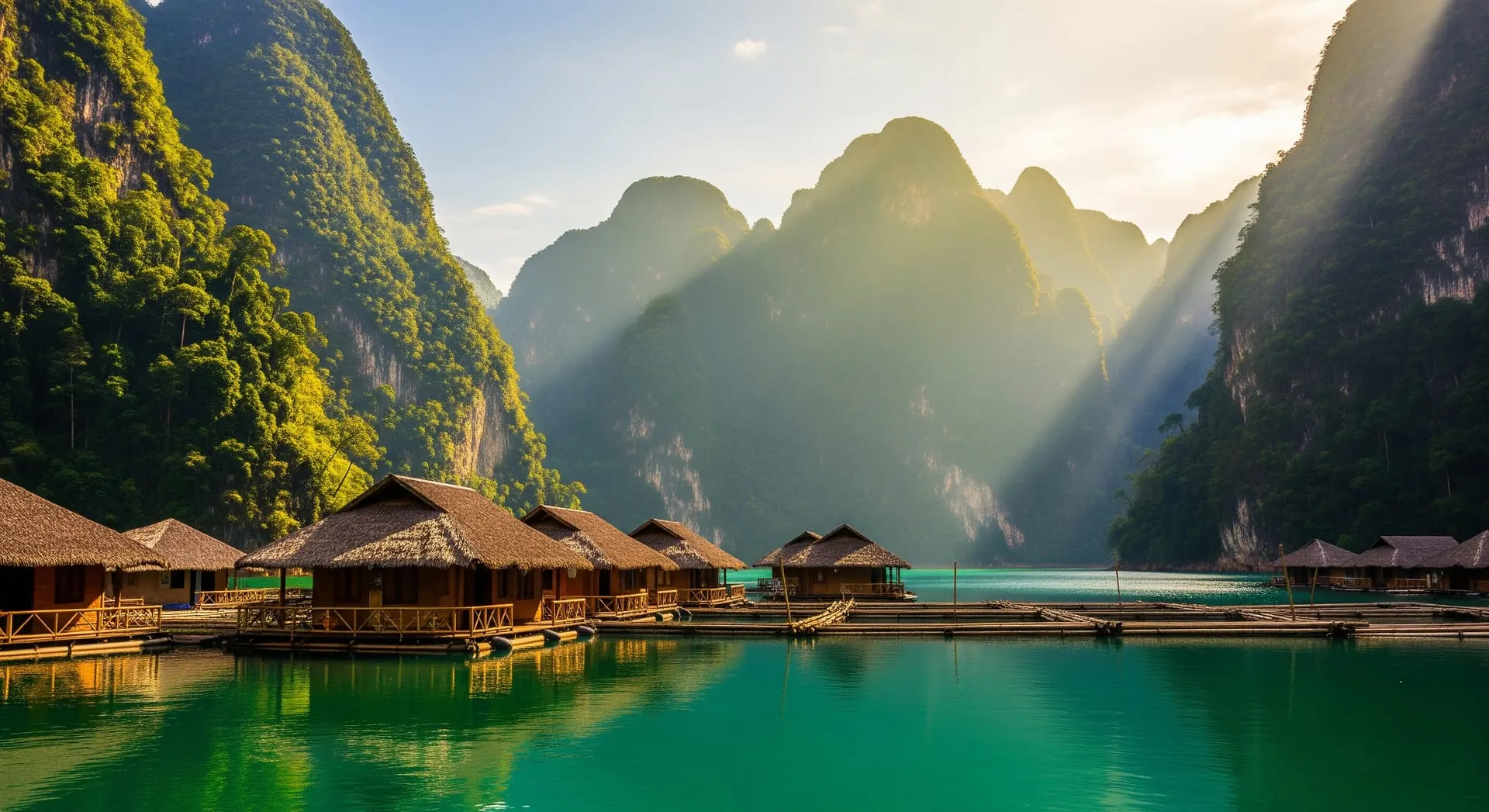
Life in Thailand — your home base on the 5-year DTV
Section 04
Where Uruguayans Settle in Thailand
Spanish-speaking newcomers tend to cluster in a handful of well-established hubs. Bangkok is the natural landing point — a 24-hour megacity with coworking spaces, international hospitals, and direct connections everywhere. Chiang Mai in the north draws those who want a slower pace, the lowest costs, and the country's biggest digital-nomad community. Phuket and islands such as Koh Samui deliver the beach life Uruguayans love from Punta del Este — but year-round and warmer. Hua Hin , an easy drive south of Bangkok, suits those after a calm, family-friendly seaside town. Wherever you land, you will find online expat networks where Spanish is increasingly common.
Try before you commit
Because the DTV lets you stay up to 180 days per entry, many Uruguayans spend their first months sampling two or three cities before signing a longer lease. A month in Chiang Mai and a month on Koh Samui will tell you far more than any blog about where you actually want to settle.
Section 05
Money & Banking from Uruguay
ATMs are everywhere in Thailand, but most foreign-card withdrawals carry a fixed fee of about 220 THB on top of your home bank's charges, so it pays to take out larger amounts less often. Credit cards are widely accepted in malls, hotels and chain restaurants, but street vendors, local markets and many small eateries are cash-only — always keep baht on hand. Once settled, many longer-term residents open a Thai bank account to avoid foreign-card fees and simplify everyday payments.
Smart money transfers
Use a service like Wise or Revolut to convert Uruguayan pesos to Thai baht at close to the real exchange rate. Traditional international bank wires tend to bury costs in poor rates and hidden fees, which adds up fast on a country-to-country move.
Section 06
Documents & Translation for Uruguayans
Because Uruguay's official language is Spanish, your supporting paperwork — bank statements, employment or income letters, and similar proof — will almost always need a certified English (or Thai) translation, since the DTV expects documents in English or Thai. This is routine: Montevideo has plenty of sworn public translators ( traductor público ), and reputable online services can handle it too. The key requirement is that the translation be certified for accuracy. To keep things simple, our team reviews your full document set before submission so nothing is missing or mistranslated.
Valid passport with at least six months' validity and blank pages.
Proof of personal funds — 500,000 THB (about US$15,000) — typically via recent bank statements.
Evidence supporting your DTV category, such as a remote-work contract or freelance/portfolio documentation.
Certified English or Thai translations of any Spanish-language documents.
Section 07
Daily Life & Community
Healthcare: Thailand's private hospitals are internationally accredited and far cheaper than equivalent private care back home; outpatient visits are very affordable, though good travel or expat insurance is still strongly recommended.
Internet: Fast, reliable fibre is standard in cities and tourist areas — ideal for video calls with clients in Uruguay.
Food: Expect aromatic curries, fresh tropical fruit and endless street eats; larger international supermarkets even stock yerba mate and dulce de leche, so you need not give up home comforts entirely.
Safety: Thailand is regarded as one of the safer countries in Southeast Asia for day-to-day life, with low rates of violent crime — something Uruguayans, used to relative safety at home, will appreciate.
Community: The Uruguayan community is small but growing; Facebook and WhatsApp groups link Spanish speakers for meetups, mate circles and football-viewing get-togethers.
Uruguayans in Thailand
You will not find a huge diaspora, but there is a warm, growing circle of Spanish speakers — including Argentines and Spaniards — who organise weekend asados, mate gatherings and football watch-parties in Bangkok and on the islands. Online expat groups are the fastest way to plug in.
Section 08
Remote Work: Time Zones & Strategy
With Thailand 10 hours ahead, the time gap can actually work in your favour. If you serve Uruguayan clients, your morning and early afternoon in Thailand are quiet hours for deep work, and you can sync up with home in the late afternoon and evening, when Uruguay is starting its day. Many Uruguayans find this split-day rhythm — exercise or explore in the cooler morning, work later, finish in the evening — healthier and more flexible than a rigid 9-to-5. Just confirm any fixed meeting times with colleagues so the overlap stays predictable.
Uruguay
From Uruguay to Thailand
Make the move from Uruguay
Trade Uruguay for up to five years in Thailand on the DTV. We prepare and submit your entire application from wherever you are — proof of funds, category evidence and passport — so you can focus on the move, not the paperwork.
Almost every nationality can apply. Take our free 60-second eligibility checker to confirm your route — remote work, soft power, medical or family.
2
We prepare everything
We assemble and review your documents: proof of 500,000 THB (~$15,000), your category evidence and passport — so nothing gets rejected.
3
We submit for you
You apply from outside Thailand. We file at a Thai embassy or consulate (such as Hanoi, Ho Chi Minh, Jakarta, Vientiane or London) within one business day.
4
Get approved & move
On approval you get the 5-year, multiple-entry DTV — up to 180 days per stay, extendable once. Then make Thailand home.
Questions
DTV FAQ for Uruguayan citizens
What exactly is the Destination Thailand Visa (DTV)?
The DTV is a 5-year multiple-entry visa that lets you stay up to 180 days per entry, extendable once for another 180 days. It is designed for remote workers, freelancers, digital nomads and long-term visitors who are paid from outside Thailand.
How does the cost of living in Thailand compare to Uruguay?
Thailand is significantly cheaper across the board. A comfortable monthly budget in Chiang Mai often runs US$800–1,000, whereas a similar lifestyle in Montevideo — one of Latin America's pricier capitals — frequently costs close to double.
What are the flight options from Uruguay to Thailand?
There are no direct flights. Most Uruguayans depart Montevideo (MVD) with one or two stops, commonly via São Paulo or Buenos Aires and then a Gulf hub (Dubai, Doha, Abu Dhabi) or a European gateway such as Madrid or Istanbul. Realistic total travel time is roughly 28–34 hours.
Is there a Uruguayan community in Thailand?
Yes, though it is small. Spanish-speaking expats — including Uruguayans, Argentines and Spaniards — gather in Bangkok and on the islands for asados, mate and football. Facebook and WhatsApp groups are the easiest way to connect.
Can I work remotely for my Uruguayan employer on this visa?
Yes. The DTV is built for remote work. As long as you are employed and paid from outside Thailand, you can live in Thailand while working for your Uruguayan company or clients.
How much money do I need to show for the DTV application?
You need to prove you hold at least 500,000 THB (about US$15,000) in personal funds, usually shown through recent bank statements. This demonstrates you can support yourself during your stay.
Do I apply from Uruguay or inside Thailand?
You apply from outside Thailand. Our team prepares and submits the entire application for you, so you do not have to navigate the process alone or travel to a specific office to file it.
How much does your DTV service cost?
Our service starts from $139. We handle document preparation and submission, and with the optional Denial Protection add-on you are eligible for a 100% refund if your application is denied.
Do my Spanish-language documents need to be translated?
Almost always. Because Uruguay's official language is Spanish, documents such as bank statements and employment letters will typically need a certified English or Thai translation. A sworn public translator in Montevideo or a reputable online service can handle this.
How does the time difference affect working with Uruguay?
Thailand is 10 hours ahead of Uruguay, so your home contacts come online in your late afternoon and evening. That leaves quiet mornings for focused work and a clear overlap window for calls and meetings with Uruguay.
Can my family join me on the DTV?
Yes. Immediate family members — a spouse and dependent children — can apply for the DTV alongside you, allowing them to live in Thailand with you for the duration of the visa.
Check your eligibility in under a minute, or let our team prepare and submit everything — with a 100% refund if your application is denied (with the optional paid Denial Protection add-on).



 Uruguay