Skip to content
Americas

DTV Visa for American Citizens
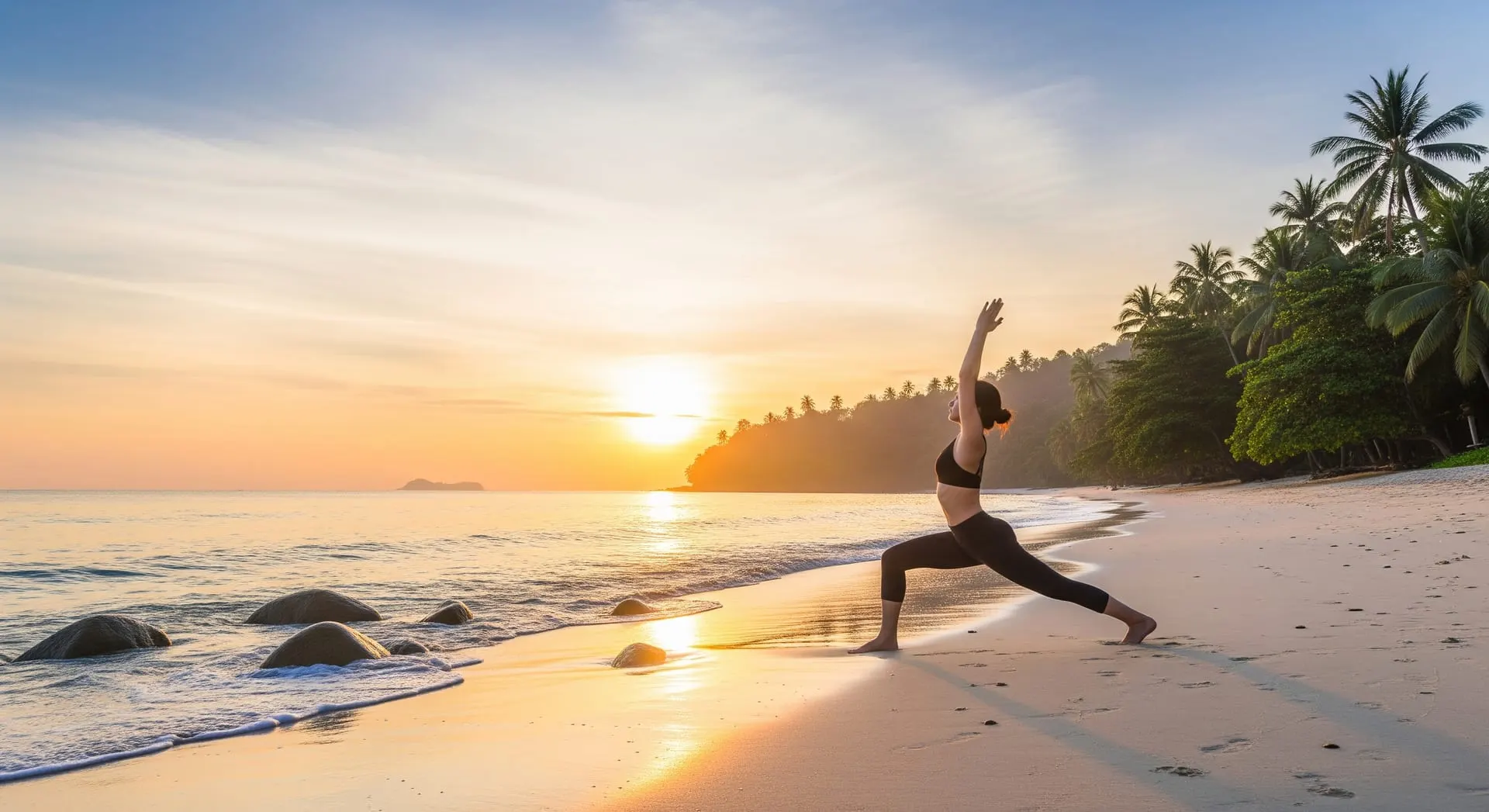
Imagine trading the high-paced, expensive grind of U.S. cities for serene beaches, vibrant street markets, and a lifestyle where the dollar stretches dramatically further. For United States citizens , Thailand offers a rare blend of adventure and comfort — modern private healthcare, fast fiber internet, and a large, established expat community of remote workers and retirees. The Destination Thailand Visa (DTV) makes that move achievable: a five-year, multiple-entry visa that lets you base yourself in the Land of Smiles while working remotely for your American employer or clients.

Every American citizen is eligible to apply

5

Years validity

180

Days per entry

500k

THB proof of funds

$139

Service fee from

100%

Refund if denied*

Why American citizens choose Thailand

Living in Thailand from United States

Section 01

Why Americans are moving to Thailand

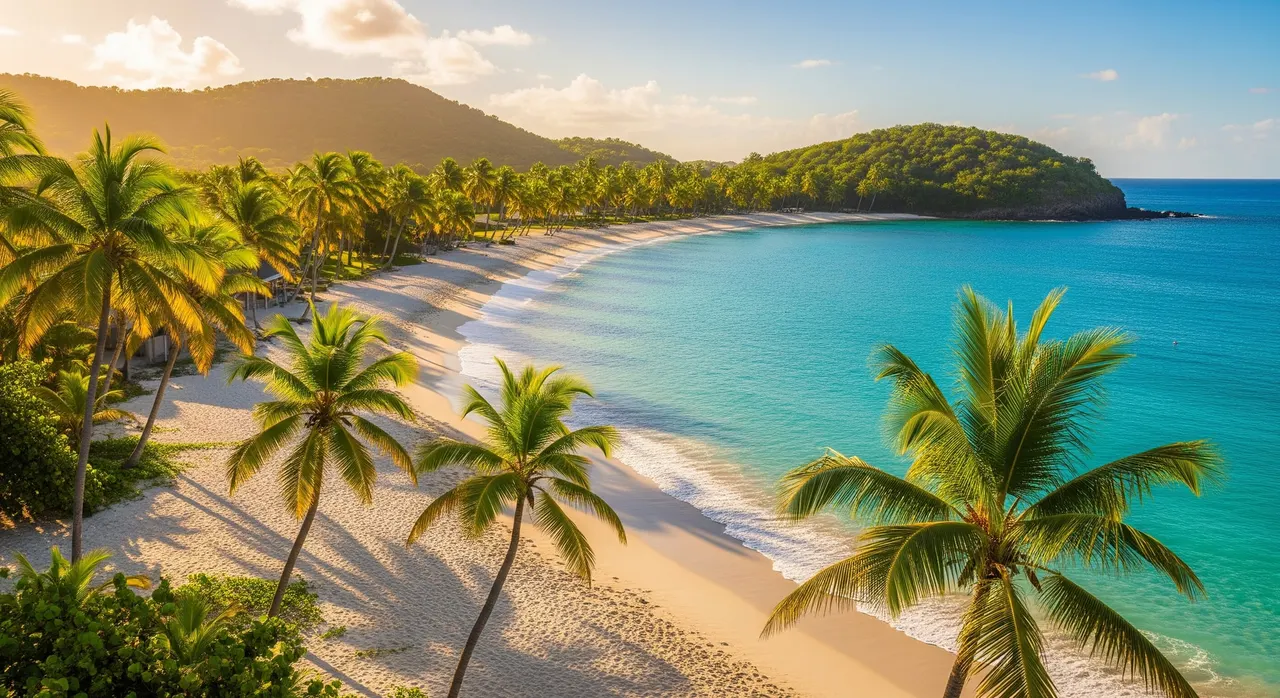
The appeal for Americans is hard to ignore. A street meal in Bangkok or Chiang Mai costs around $2, a month's rent on a smart one-bedroom condo can run a fraction of what you'd pay in New York, Los Angeles or San Francisco, and the tropical climate offers a permanent escape from northern winters. Chiang Mai's laid-back energy draws creative freelancers and founders, the southern islands suit beach-lovers, and Bangkok delivers a true world city for those who want energy and convenience. Whether you're a remote tech worker, a self-employed consultant or simply seeking a slower pace, Thailand delivers an enviable work-life balance against a backdrop of golden temples and turquoise seas.

DTV at a glance for U.S. citizens

The DTV is a 5-year, multiple-entry visa. Each entry lets you stay up to 180 days, extendable once inside Thailand for a further 180 days. You apply from outside Thailand, and you'll show proof of 500,000 THB (~$15,000) in personal funds. Our service starts from $139, with a 100% refund if your application is denied (with the optional Denial Protection add-on).

Section 02

Cost of living vs. the United States

This is where Thailand wins decisively for Americans. A single person's monthly expenses in Chiang Mai often land in the $700–$1,000 range, against $3,500–$5,000 in a major U.S. metro. Even in cosmopolitan Bangkok, a comfortable lifestyle typically runs $1,200–$1,800 a month — leaving real room for travel, dining out and savings. Healthcare is the other eye-opener: a consultation at a leading private hospital is often under $40, versus the hundreds an uninsured U.S. visit can cost. Your salary, earned in dollars and spent in baht, simply goes a great deal further.

  • Rent: a modern one-bedroom condo in central Chiang Mai often runs $300–$500/month; central Bangkok $600–$1,000.
  • Street food meal: roughly $2; a sit-down Western restaurant dinner $10–$20.
  • Domestic SIM with generous data: around $10–$15/month.
  • Monthly transport: cheap BTS/MRT rides in Bangkok or scooter rental from about $60/month elsewhere.
  • A doctor's visit at a top private hospital: frequently under $40.
Section 03

Getting to Thailand from the United States
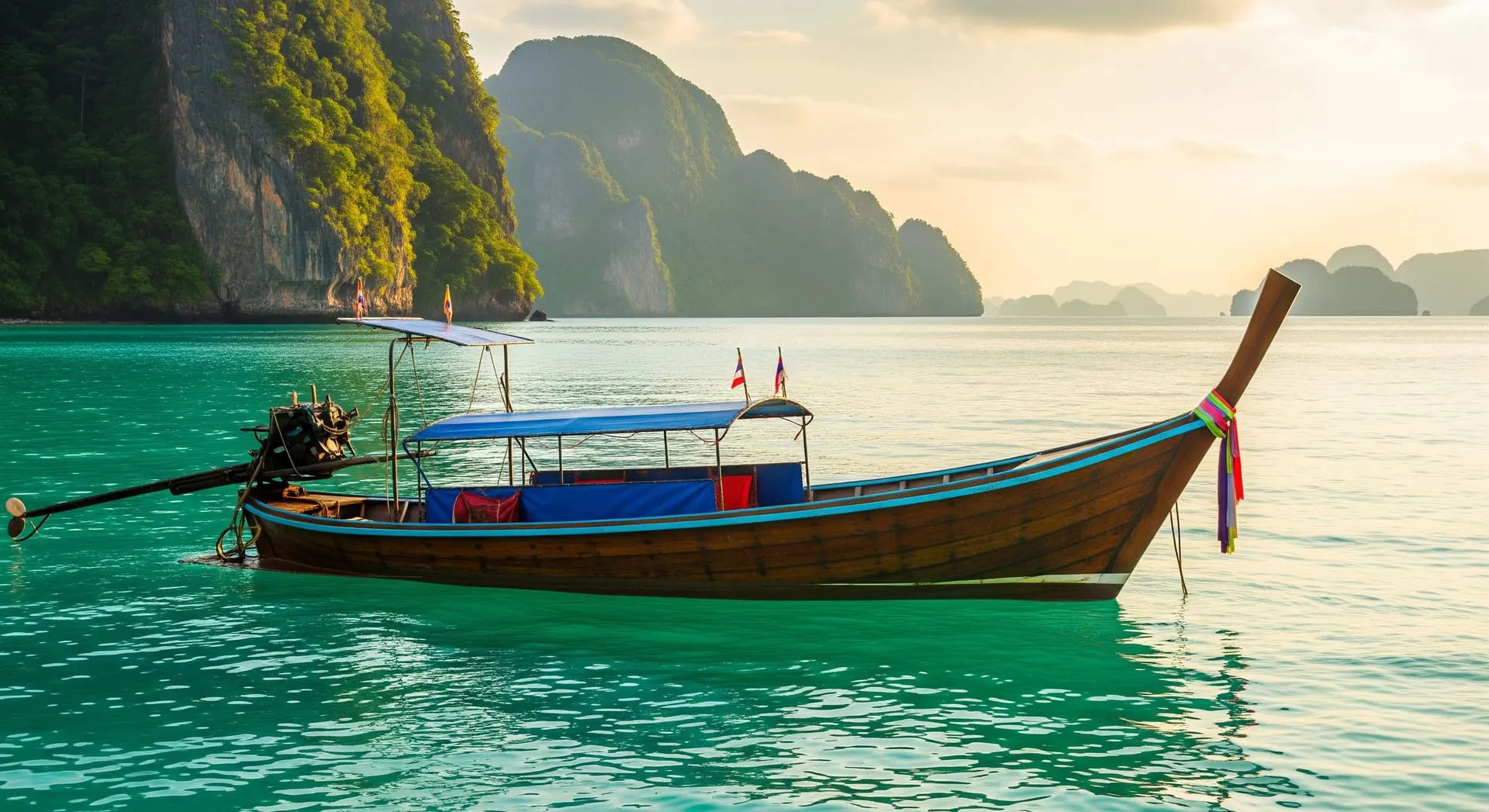
There are no nonstop flights between the U.S. mainland and Thailand, but connections are plentiful. From the West Coast, Los Angeles or San Francisco to Bangkok typically runs 18–20 hours total with one stop in a hub like Tokyo, Seoul, Taipei or Doha. From the East Coast, New York or Washington to Bangkok is usually 20–24 hours with one or two stops. Once you're settled, Bangkok is 11 hours ahead of U.S. Eastern Time and 14 hours ahead of Pacific Time (it shifts by an hour when the U.S. is on daylight saving). That effectively flips the workday: when it's 9 AM in New York, it's 8 PM in Thailand.

Pro tip for remote workers

Lean into the time gap rather than fighting it. Many American nomads in Bangkok and Chiang Mai work late-afternoon-to-evening to overlap with U.S. mornings, then keep their daytime free for the gym, errands and exploring. Async tools (Slack, Loom, shared docs) make the rest manageable.

Daily life in Thailand — where American citizens settle on the DTV
Life in Thailand — your home base on the 5-year DTV
Section 04

Where to settle

Chiang Mai is the classic digital-nomad base: affordable, walkable, packed with cafes and coworking spaces, and ringed by mountains and temples. Bangkok suits those who want a fast-moving capital with the best transport, shopping, hospitals and international flights. For beach life, Phuket offers the most infrastructure and direct regional flights, while Koh Samui and Koh Phangan trade some convenience for a calmer, more scenic pace. Many Americans split their year — Chiang Mai in the cool months, an island when they want the sea.

Section 05

Money and banking

Thailand is increasingly cashless in the cities, but cash still rules at markets and in smaller towns. Most Thai ATMs charge a fixed foreign-card fee of about 220 THB per withdrawal, so it pays to take out larger amounts less often, or to use a U.S. account that reimburses ATM fees. Cards from Visa and Mastercard are widely accepted in malls, hotels and chain restaurants. Many Americans keep earning in dollars and simply transfer to baht via low-cost services like Wise as needed. Opening a local Thai bank account is possible for longer-term residents but generally easier once you're established on the ground.

Proof of funds

For the DTV you'll show 500,000 THB (~$15,000) in personal funds, typically via recent bank statements. As an American, your statements are already in English, so they're usually accepted as-is — no translation hurdle to worry about.

Section 06

Documents and translation

Because English is the official language of the United States in practice and U.S. bank and financial documents are issued in English, American applicants usually avoid the translation step that trips up many other nationalities — your statements and supporting paperwork are typically accepted as submitted. You apply from outside Thailand, and our team prepares and submits the full application package for you, checking that your proof of funds, passport and supporting documents are complete and correctly formatted before anything is filed.

Section 07

Daily life and community

Settling in is smooth. English is widely spoken in tourist and expat areas, ride-hailing and food-delivery apps (Grab, LINE MAN) cover daily errands, and high-speed fiber is standard in condos. The American expat scene is one of the largest in the country: coworking spaces such as Punspace in Chiang Mai and The Hive in Bangkok double as social hubs, and active Facebook groups and weekly meetups make it easy to find your people. Add famously warm Thai hospitality and you have one of the easiest soft landings anywhere in Asia.

  • Reliable high-speed fiber internet in most urban areas and on the major islands.
  • Modern private healthcare at a fraction of U.S. costs, with English-speaking doctors at top hospitals.
  • Large American and international expat communities in Bangkok, Chiang Mai and Phuket.
  • Everyday apps (Grab, LINE MAN, food delivery) that make life frictionless in English.
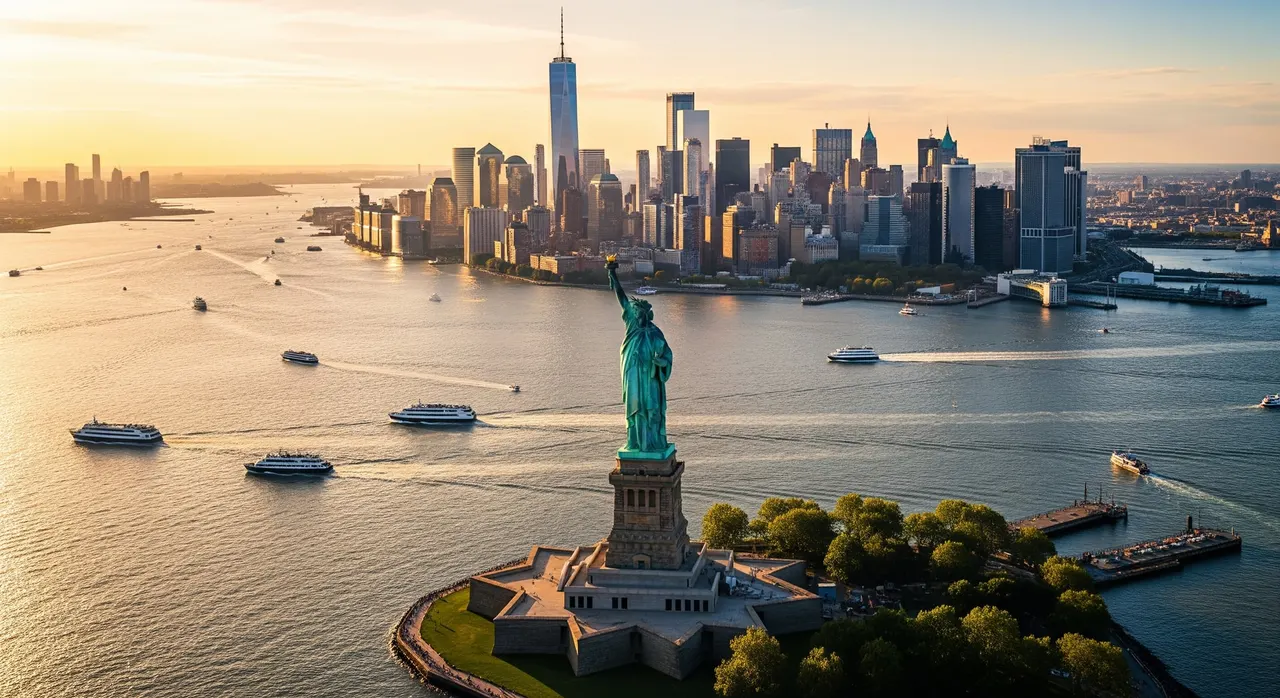
United States — your starting point before relocating to ThailandUnited States
From United States to Thailand

Make the move from United States

Trade United States for up to five years in Thailand on the DTV. We prepare and submit your entire application from wherever you are — proof of funds, category evidence and passport — so you can focus on the move, not the paperwork.

Check eligibility
Step by step

How American citizens apply for the DTV

1

Check you qualify

Almost every nationality can apply. Take our free 60-second eligibility checker to confirm your route — remote work, soft power, medical or family.

2

We prepare everything

We assemble and review your documents: proof of 500,000 THB (~$15,000), your category evidence and passport — so nothing gets rejected.

3

We submit for you

You apply from outside Thailand. We file at a Thai embassy or consulate (such as Hanoi, Ho Chi Minh, Jakarta, Vientiane or London) within one business day.

4

Get approved & move

On approval you get the 5-year, multiple-entry DTV — up to 180 days per stay, extendable once. Then make Thailand home.

Questions

DTV FAQ for American citizens

How long can I stay in Thailand with the DTV as a U.S. citizen?

The Destination Thailand Visa is valid for 5 years with multiple entries. Each entry lets you stay up to 180 days, and you can extend that once from inside Thailand for a further 180 days — so you can effectively base yourself in Thailand long-term.

Do I need to show proof of funds when applying for the DTV?

Yes. You must demonstrate at least 500,000 THB (approximately $15,000) in personal funds, usually through recent bank statements. This shows you can support yourself while living in Thailand.

Can I work remotely for a U.S. company while on the DTV?

Yes. The DTV is built for digital nomads and remote workers. You can work for your overseas employer or your own clients while residing in Thailand, making it ideal for keeping your American job or freelance business.

Do I apply for the DTV from inside Thailand?

No — you apply from outside Thailand. Our team prepares your full application and submits everything on your behalf, so you can be in the U.S. (or anywhere abroad) while the process runs.

Do my U.S. bank statements need to be translated?

Generally no. U.S. financial documents are issued in English, so your bank statements are usually accepted as-is without a certified translation — one less hurdle compared with many other nationalities.

How do flights and time zones from the U.S. work?

There are no nonstop flights, but one-stop connections are common. Los Angeles or San Francisco to Bangkok runs about 18–20 hours total; New York to Bangkok about 20–24 hours. Bangkok is 11 hours ahead of U.S. Eastern Time and 14 hours ahead of Pacific Time, which puts the Thai evening in line with the U.S. morning.

How much money do I realistically need each month in Thailand?

Many single Americans live comfortably on $700–$1,000/month in Chiang Mai and $1,200–$1,800/month in Bangkok, covering rent, food, transport and leisure. Couples and families scale up from there, but it remains far below typical U.S. costs.

Where do most American expats settle in Thailand?

Chiang Mai is the top digital-nomad base for its low cost and community; Bangkok suits those wanting a full-service capital; and Phuket, Koh Samui and Koh Phangan are favorites for beach living. Many Americans split time between the north and the islands.

Can I access good healthcare in Thailand as an American?

Yes. Thailand's leading private hospitals offer modern, English-speaking care at a fraction of U.S. prices — a consultation is often under $40. Most expats pair this with private international health insurance for larger procedures.

What happens if my DTV application is denied?

With the optional Denial Protection add-on, you receive a 100% refund if your application is not approved. Our service starts from $139, so you can apply with confidence.

Where you apply

The Thai mission for United States

You submit the DTV online via the Thai e-Visa portal — but the office below covers applicants in United States and may review your file.

Ready to move to Thailand from United States?

Check your eligibility in under a minute, or let our team prepare and submit everything — with a 100% refund if your application is denied (with the optional paid Denial Protection add-on).