Skip to content
Europe

DTV Visa for British Citizens

Dreaming of swapping grey Manchester drizzle and the London grind for year-round warmth, street-food feasts, and a far lower cost of living? You're in good company. Thousands of British citizens have already made the move to Thailand, drawn by a relaxed pace, stunning beaches, and one of Asia's oldest and most welcoming expat communities. The Destination Thailand Visa (DTV) makes it easier than ever to live, work remotely, and explore the Land of Smiles for up to five years.

Every British citizen is eligible to apply

5

Years validity

180

Days per entry

500k

THB proof of funds

$139

Service fee from

100%

Refund if denied*

Why British citizens choose Thailand

Living in Thailand from United Kingdom

Section 01

Why British Citizens Are Choosing Thailand

The appeal is immediate: while the UK shivers through damp winters and counts the cost of soaring energy bills, Thailand basks in tropical sunshine. But it is about more than the weather. Many Brits are worn down by the rising cost of living, long hours, and the relentless pace of life back home. Thailand offers a genuine lifestyle upgrade, a place where your pound stretches dramatically further, private healthcare is excellent and affordable, and the culture quietly insists on a better work-life balance. For remote workers, freelancers, and anyone seeking a second chapter, it represents real freedom.

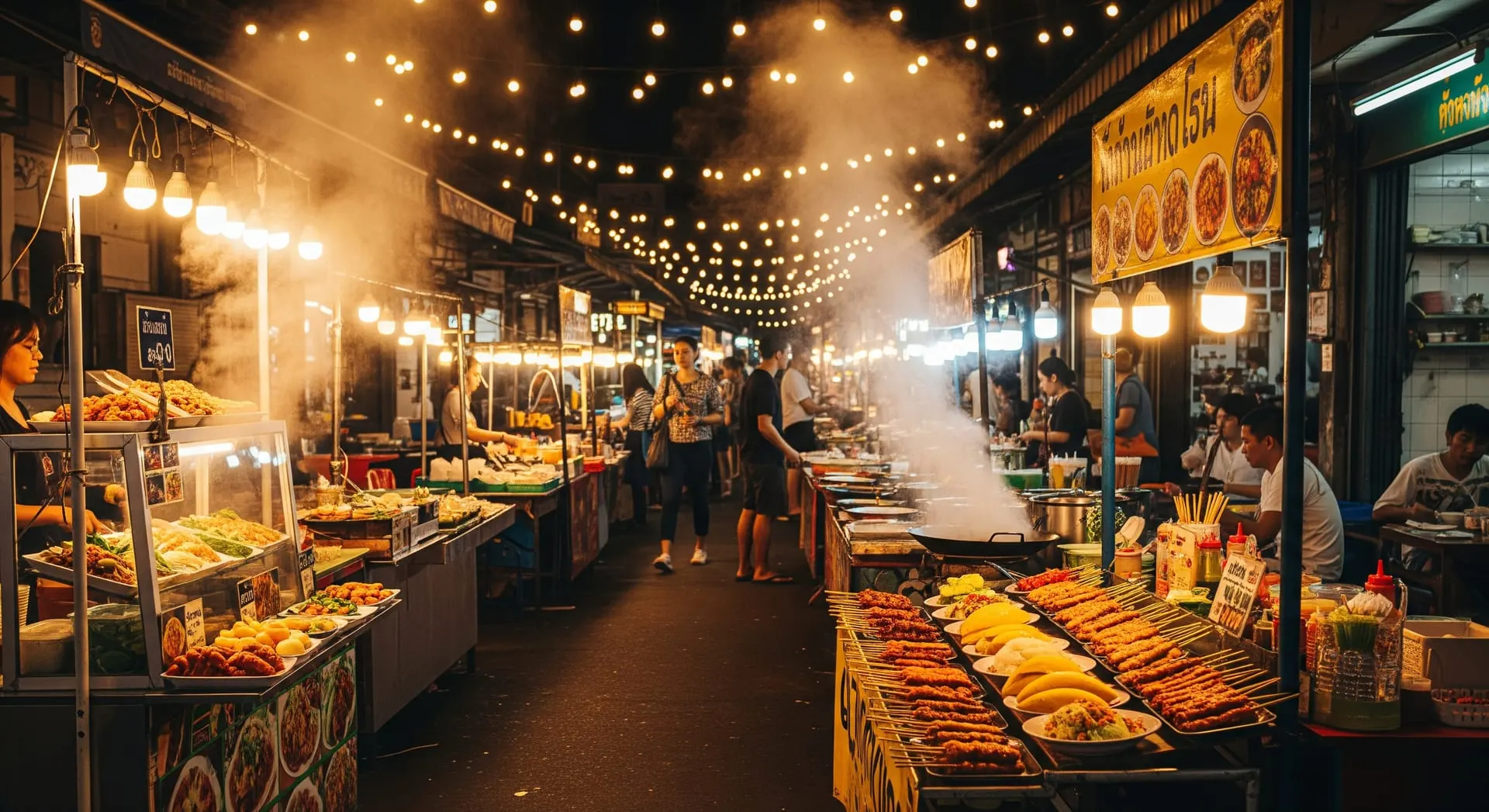
From the moment you land at Suvarnabhumi, the sensory shift is profound: the scent of jasmine and lemongrass, the cheerful chaos of a wet market, and the easy warmth of Thai hospitality. Whether you crave the buzz of a megacity or the hush of an island bay, Thailand delivers a quality of life that feels both exotic and surprisingly attainable on a British income.

Section 02

Cost of Living: United Kingdom vs Thailand

Your money goes a remarkably long way in Thailand. While rents in London and the South East keep climbing, a modern condo with a pool and gym in central Bangkok can be had for a fraction of the price, and even less in Chiang Mai. Eating out is where the savings really shine: a plate of pad thai or a bowl of boat noodles from a street stall costs around 50 to 70 THB (roughly £1.20 to £1.60), while a sit-down meal at a smart restaurant rarely tops £15 a head. Across the board, day-to-day costs run 50 to 70% below the UK.

A comfortable single person's monthly budget in Chiang Mai can start around £700 to £900, with Bangkok and Phuket closer to £900 to £1,300 once central rent and a co-working membership are included. In much of Britain that barely covers a small flat-share, let alone food and travel. For British remote workers earning in pounds, that gap means immediate breathing room: the chance to save, invest, or simply enjoy a life that feels permanently like a long holiday.

Pound for Baht: A Quick Snapshot

A pint of domestic lager in a British pub runs £4 to £6; in a local Thai bar it is 70 to 90 THB (about £1.70 to £2.20). A one-hour intercity train in the UK can cost £25 or more; a cross-town ride on Bangkok's BTS Skytrain or MRT is under £1. A monthly co-working membership in Chiang Mai rarely exceeds £100, against £250 to £350 in major UK cities.

Section 03

Getting to Thailand from the UK

Thailand is well connected to Britain. London Heathrow has non-stop flights to Bangkok with carriers such as Thai Airways and EVA Air, with a typical flight time of around 11 hours 30 minutes eastbound. Many travellers instead pick a one-stop route via the Gulf hubs (Dubai, Doha or Abu Dhabi with Emirates, Qatar Airways or Etihad), which is often cheaper and breaks the journey nicely. From Manchester, Birmingham, Edinburgh and Glasgow, one-stop itineraries are the norm, usually landing you in Bangkok in 13 to 16 hours including the layover.

Thailand runs on Indochina Time (ICT, UTC+7), which is 6 hours ahead of the UK in winter (GMT) and 7 hours ahead during British Summer Time. That offset works well for remote workers: by the time UK colleagues are logging on, you have already had your coffee and a wander round the market. Many British DTV holders describe the overlap as ideal, a focused afternoon work window that leaves the evening free for a sunset swim or dinner out.

Daily life in Thailand — where British citizens settle on the DTV
Life in Thailand — your home base on the 5-year DTV
Section 04

Where British Expats and Nomads Settle

  • Bangkok: The capital draws Brits who want urban energy, world cuisine, and abundant co-working space. Sukhumvit, Sathorn and Ari are popular for condos and a cosmopolitan crowd, all linked by the BTS and MRT.
  • Chiang Mai: A long-time favourite of digital nomads for its laid-back mood, mountain backdrop, and very low costs. The Nimmanhaemin district is wall-to-wall cafes, co-working spaces, and a supportive expat network.
  • Phuket: Island life with full amenities, from sailing and golf to international schools. Rawai, Kata and Cherng Talay attract long-term British stayers, and the international airport keeps the UK within easy reach.
  • Koh Samui and Koh Phangan: These Gulf islands suit a more bohemian, beach-led life. Samui has its own airport, while neighbouring Koh Phangan offers a slower pace and a strong wellness and remote-worker scene.
  • Hua Hin: A quieter coastal town three hours from Bangkok, long popular with British and European retirees and remote workers who want the beach without the party crowd.
Section 05

Money, Banking and Transfers from the UK

Opening a Thai bank account as a DTV holder is possible and well worth it for paying rent and bills locally, though branch requirements vary so it may take a couple of visits. In the meantime you will lean on ATMs and international cards. Cash machines are everywhere, but most charge a fixed fee of around 220 THB per withdrawal on foreign cards, so it pays to take out larger sums less often. For moving money from Britain, specialist apps like Wise and Revolut offer far keener exchange rates and lower fees than the high-street banks. Keep a UK current account open to receive your GBP income, then transfer to Thailand as you need it.

Avoid the Double-Conversion Trap

When paying by card in a shop or restaurant, never accept Dynamic Currency Conversion (being billed in pounds rather than baht). Always choose to pay in Thai Baht, as your own bank or Wise card will almost always give a better rate than the merchant's terminal.

Section 06

Documents and the English Advantage

One real advantage for British applicants is language. The UK's official language is English, and the Destination Thailand Visa accepts supporting documents in English or Thai. That means your bank statements, proof of remote income, and other paperwork are typically accepted as they are, with no certified translation required. Unlike applicants from many non-English-speaking countries, you can skip that extra layer of cost and admin. Our team reviews every document up front so nothing is missing before submission.

DTV at a Glance for British Applicants

The DTV is a 5-year multiple-entry visa allowing up to 180 days per entry, extendable once for a further 180 days. You must show proof of 500,000 THB (~$15,000) in personal funds, and you apply from outside Thailand while our team prepares and submits everything for you. Service starts from $139, with a 100% refund if your application is denied when you add optional Denial Protection.

Section 07

Daily Life and the British Community

  • Healthcare: Private hospitals such as Bumrungrad and Samitivej in Bangkok are world-class, with English-speaking staff and costs far below UK private fees. Most expats take out local or international health insurance.
  • Internet and connectivity: Reliable high-speed fibre and 5G are widespread in cities and tourist areas, making video calls and large uploads painless. AIS and True are the main providers, with cheap pay-as-you-go SIMs on arrival.
  • Food: Beyond the famous street food, Thailand serves every cuisine imaginable. Expat hubs stock British staples, from Sunday roasts to imported tea and Marmite, though the local food is so good and so cheap you may stop missing the meal deal.
  • Safety: Thailand is generally very safe, with low rates of violent crime. As anywhere, common-sense care guards against petty theft, and the expat community is quick to help newcomers find their feet.
  • Community: British groups thrive online and in person, from Bangkok football and rugby clubs to Chiang Mai quiz nights. It is easy to find a familiar accent and shared references while staying fully immersed in a new culture.
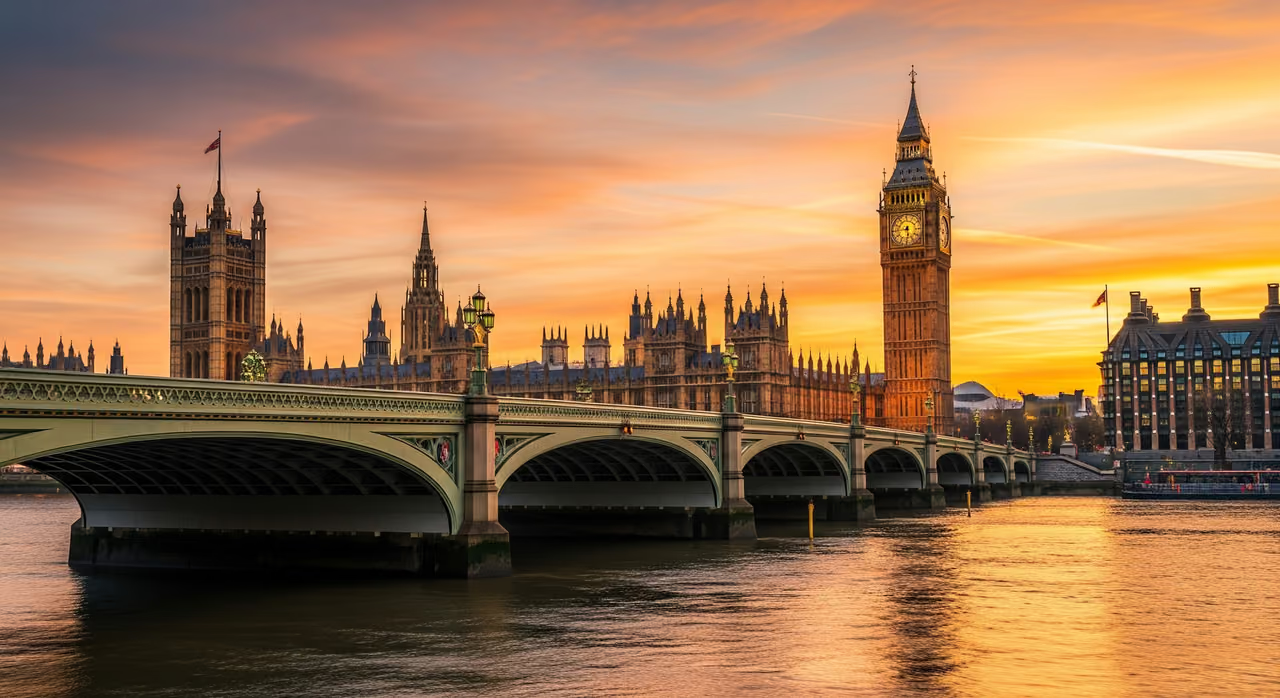
United Kingdom — your starting point before relocating to ThailandUnited Kingdom
From United Kingdom to Thailand

Make the move from United Kingdom

Trade United Kingdom for up to five years in Thailand on the DTV. We prepare and submit your entire application from wherever you are — proof of funds, category evidence and passport — so you can focus on the move, not the paperwork.

Check eligibility
Step by step

How British citizens apply for the DTV

1

Check you qualify

Almost every nationality can apply. Take our free 60-second eligibility checker to confirm your route — remote work, soft power, medical or family.

2

We prepare everything

We assemble and review your documents: proof of 500,000 THB (~$15,000), your category evidence and passport — so nothing gets rejected.

3

We submit for you

You apply from outside Thailand. We file at a Thai embassy or consulate (such as Hanoi, Ho Chi Minh, Jakarta, Vientiane or London) within one business day.

4

Get approved & move

On approval you get the 5-year, multiple-entry DTV — up to 180 days per stay, extendable once. Then make Thailand home.

Questions

DTV FAQ for British citizens

How long is the flight from the UK to Thailand?

Non-stop flights from London Heathrow to Bangkok take around 11 hours 30 minutes. One-stop routes from cities such as Manchester, Birmingham, Edinburgh or Glasgow typically take 13 to 16 hours including a layover, often via a Gulf hub like Dubai, Doha or Abu Dhabi.

What is the time difference between the UK and Thailand, and how does it affect remote work?

Thailand is 6 hours ahead of the UK in winter (GMT) and 7 hours ahead during British Summer Time. UK colleagues tend to start their day in your early afternoon, leaving you a calm morning and a focused work block until evening, a rhythm many British remote workers find ideal.

How much cheaper is Thailand compared to the UK?

A single person can live comfortably in Thailand for roughly £700 to £1,300 a month depending on the city, covering rent, food, transport and co-working. The same lifestyle in popular UK cities would easily cost two to three times as much. Rent, eating out and everyday goods are all markedly cheaper.

What is the Destination Thailand Visa (DTV)?

The DTV is a 5-year multiple-entry visa allowing up to 180 days per entry, extendable once for a further 180 days. It is designed for remote workers, freelancers and digital nomads who want to use Thailand as a long-term base without seeking permanent residency.

How much money do I need to prove for the DTV?

You must show proof of 500,000 THB (approximately $15,000) in personal funds as evidence of financial stability. Because the UK's official language is English, your bank statements are normally accepted as they are, with no certified translation needed.

Can I work legally on the DTV?

The DTV does not allow you to take a job with a Thai employer, but it expressly permits remote work for companies and clients based outside Thailand. You can live in Thailand while working for your UK employer or serving freelance clients abroad.

Where do I apply for the DTV?

You apply from outside Thailand rather than from within the country. Our team prepares your full application and submits everything on your behalf, so you do not have to navigate the paperwork or logistics alone.

What does your service include, and what does it cost?

We prepare and submit your complete DTV application and make sure every document meets requirements. Our service starts from $139, and with the optional Denial Protection add-on you receive a 100% refund of the service fee if your application is denied.

Do my UK documents need to be translated into Thai?

No. Because the UK's official language is English and the DTV accepts documents in English or Thai, your UK-issued documents such as bank statements are accepted as they are, with no certified translation required. This saves both time and expense.

Is there a large British community in Thailand?

Yes. Thailand has one of the largest and longest-established British expat communities in Asia. From social groups and sports clubs to business networks, you will find familiar faces and ready support, especially in Bangkok, Phuket, Chiang Mai and Hua Hin.

Where you apply

The Thai mission for United Kingdom

You submit the DTV online via the Thai e-Visa portal — but the office below covers applicants in United Kingdom and may review your file.

Ready to move to Thailand from United Kingdom?

Check your eligibility in under a minute, or let our team prepare and submit everything — with a 100% refund if your application is denied (with the optional paid Denial Protection add-on).