Skip to content
Europe

DTV Visa for Ukrainian Citizens
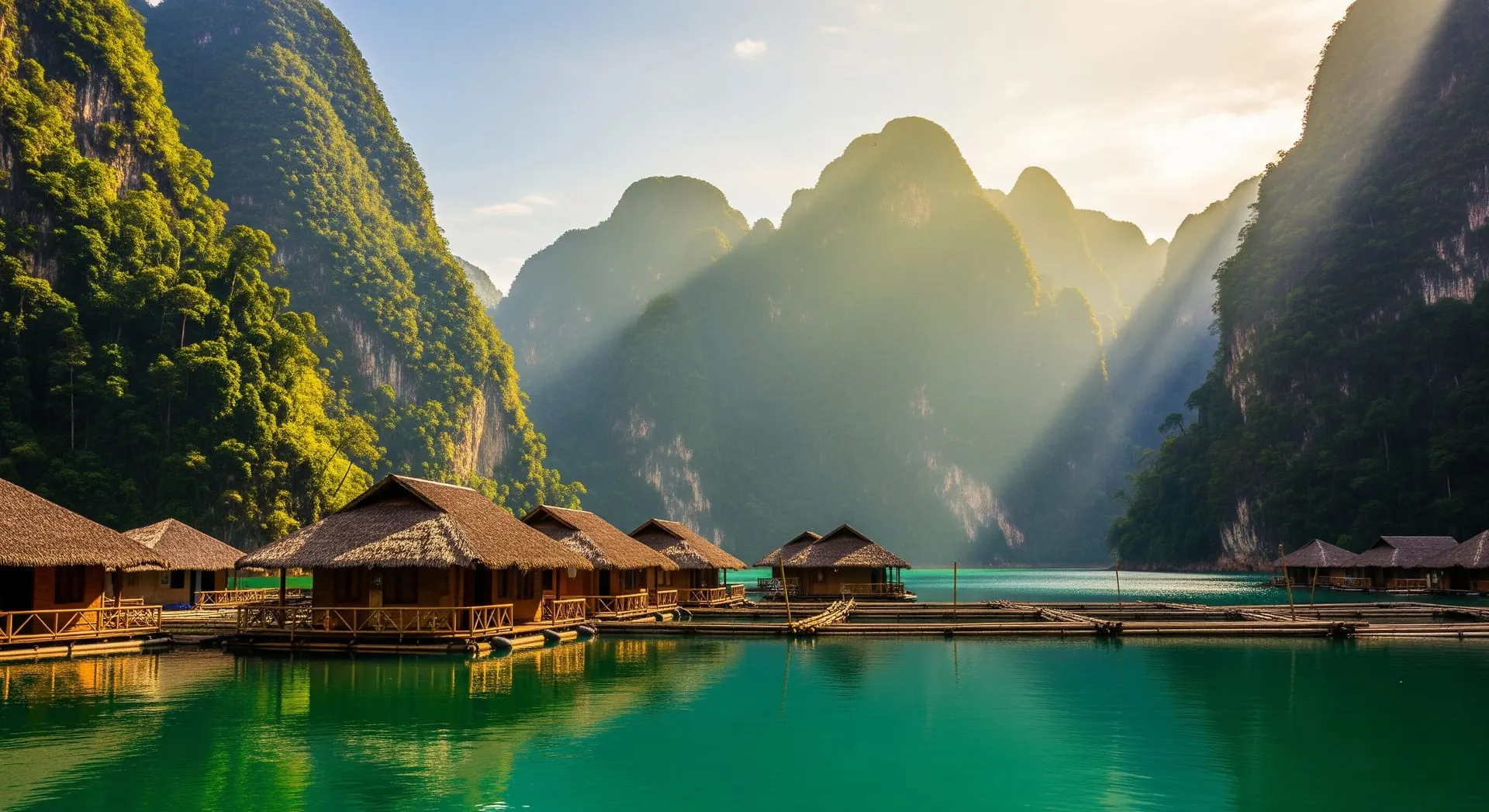
Imagine trading icy winters and heavy coats for year-round warmth, coconut palms, and a laptop on the beach. For Ukrainian digital nomads, freelancers, entrepreneurs, and families, Thailand offers exactly that: a life where your money stretches further, the internet is genuinely fast, and a welcoming community is already in place. The 5-year Destination Thailand Visa (DTV) makes it possible to turn that daydream into a real address under the sun, with up to 180 days per visit and the freedom to come and go as you please.

Every Ukrainian citizen is eligible to apply

5

Years validity

180

Days per entry

500k

THB proof of funds

$139

Service fee from

100%

Refund if denied*

Why Ukrainian citizens choose Thailand

Living in Thailand from Ukraine

Section 01

Why Ukrainians Are Moving to Thailand

For many Ukrainians, the appeal is straightforward: swap harsh continental winters for a tropical climate and upgrade your lifestyle while spending less. Thailand's warm weather, affordable fresh produce, and vibrant street culture feel a world away from the grey, crowded months back home in Kyiv, Kharkiv, or Lviv. Remote workers especially appreciate that they can log in from a Bangkok or Chiang Mai co-working space at midday and still overlap comfortably with morning meetings in Ukraine. Add Thailand's strong record on personal safety, excellent private healthcare, and a growing Ukrainian-speaking community, and it is easy to see why the Land of Smiles is becoming a second home for so many.

The DTV at a glance

The Destination Thailand Visa is a 5-year multiple-entry visa. Each entry lets you stay up to 180 days, and you can extend that once for a further 180 days without leaving the country. To qualify you show proof of 500,000 THB (~$15,000) in personal funds. You apply from outside Thailand, and our team prepares and submits the entire application for you. Service starts from $139, with an optional Denial Protection add-on that guarantees a 100% refund if your visa is denied.

Section 02

Cost of Living: Ukraine vs Thailand

Ukraine is already an affordable country by European standards, so the cost gap with Thailand is smaller than it is for Western Europeans, but it still works in your favour, especially once you factor in lifestyle. The hryvnia (UAH) tends to be volatile, while costs in Thailand are paid in baht (THB) and are relatively stable, which makes monthly budgeting far more predictable. Here is how everyday spending compares.

  • Accommodation: A modern one-bedroom apartment in central Kyiv runs roughly $500-$700 a month; in Chiang Mai or Pattaya a comparable furnished studio is around $250-$400, and even Bangkok offers good value outside the prime districts.
  • Food: A restaurant dinner for two in Lviv averages about $25, while a generous Thai street-food meal for two rarely tops $8. Fresh tropical fruit and vegetables from local markets cost a fraction of European prices.
  • Co-working: Monthly hot-desk memberships in Kyiv or Odesa run $120-$150, versus roughly $50-$90 in Thailand's main nomad hubs.
  • Transport: A one-way Bangkok BTS SkyTrain ticket is about $0.80, similar to the Kyiv metro but with newer trains and air conditioning. A typical ATM cash withdrawal in Thailand carries a fixed fee of around 220 THB, so withdraw larger amounts less often.
  • Utilities & internet: Fibre internet in Thailand is cheap and fast, and air-conditioning rather than heating becomes your main seasonal cost, often lower overall than a Ukrainian winter heating bill.
Section 03

Getting to Thailand from Ukraine

There are currently no direct flights, so most Ukrainians travel overland to a neighbouring hub before flying on. A common route is a train or bus to Warsaw, Krakow, Budapest, or Chisinau, then a one-stop flight to Bangkok via Istanbul, Doha, Dubai, or a major European city on carriers such as Turkish Airlines, Qatar Airways, Emirates, or LOT. Total travel time from Ukraine to Bangkok is typically 16-24 hours door to door depending on your connection. Thailand runs on Indochina Time (UTC+7), while Ukraine uses EET (UTC+2) in winter and EEST (UTC+3) in summer, so Bangkok is only 4-5 hours ahead. That gentle time gap is one of the biggest practical advantages for remote workers: start your day a little later and you still overlap with colleagues and clients in Ukraine.

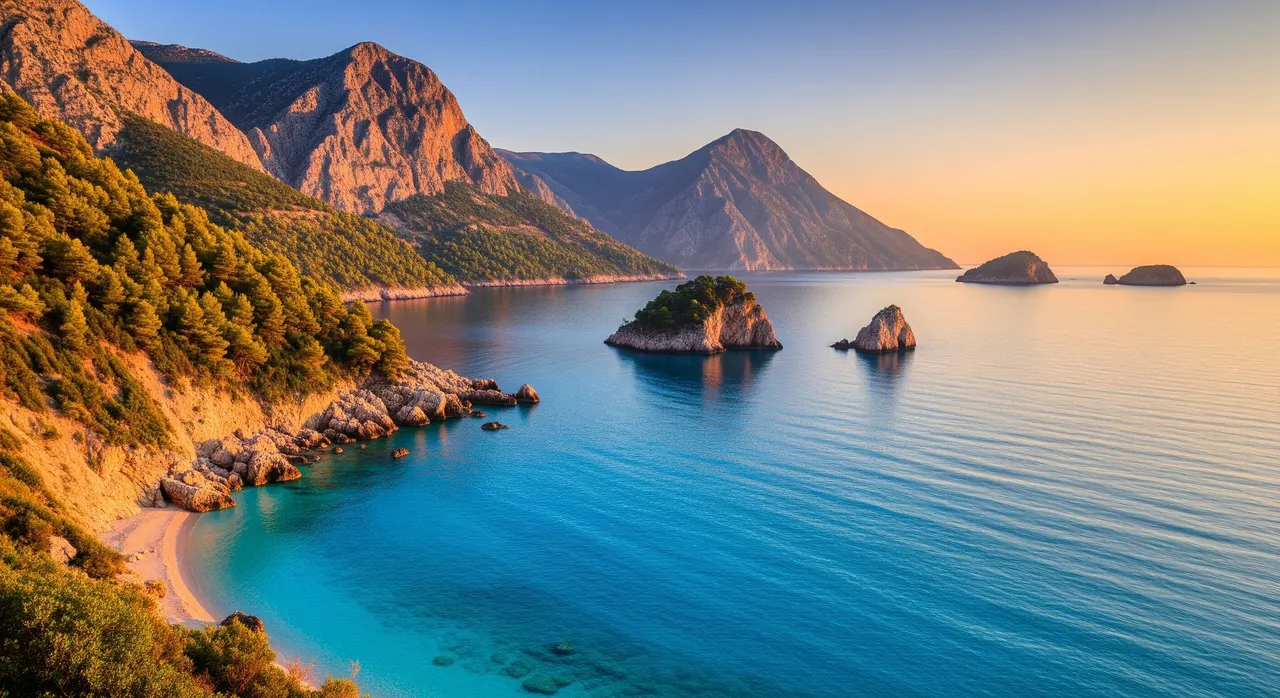
Daily life in Thailand — where Ukrainian citizens settle on the DTV
Life in Thailand — your home base on the 5-year DTV
Section 04

Where Ukrainian Expats & Nomads Settle

Thailand offers a settling spot for every budget and lifestyle. Chiang Mai in the north is the classic digital-nomad base: laid-back, green, cheap, and packed with cafes and co-working spaces. Bangkok suits those who want a true big city with international business, top hospitals, and direct connections everywhere. Beach lovers gravitate to Phuket for amenities or Koh Samui for a slower pace, while Pattaya remains popular for its affordability and easy access to the capital. Many Ukrainians start in Chiang Mai or Pattaya to keep costs low, then move once they know which region fits them best.

Ukrainian community in Chiang Mai

Chiang Mai's Nimmanhaemin district has become a hub for Ukrainian-speaking nomads, with cafes, language exchanges, and active Telegram and Facebook groups that organise meetups and help newcomers find apartments, SIM cards, and trusted services. You will also find Orthodox communities and the occasional bakery turning out syrniki and paska, so a taste of home is rarely far away.

Section 05

Money & Banking from Ukraine

Smart money moves for your first month

Bring a mix of US dollars and a multi-currency card such as Wise or Revolut. There is rarely a direct hryvnia-baht exchange rate, so converting through USD or EUR usually gives a better result. Note that Ukrainian banks apply currency controls on overseas card spending and transfers, so check your limits before you fly and keep a backup card. Once you arrive on your DTV, opening a Thai bank account becomes more practical, after which you can top up cheaply via apps when the rate is favourable.

Day to day, Thailand is increasingly cashless thanks to the PromptPay QR system used in shops, markets, and taxis, but cash is still essential at small vendors and rural stalls. Most Thai ATMs charge a flat fee of around 220 THB for foreign cards, so plan fewer, larger withdrawals. A multi-currency card paired with a small dollar buffer covers almost every situation in your early weeks.

Section 06

Documents & Translation: What You Need

Because Ukraine's official language is Ukrainian rather than English, any Ukrainian-language documents you submit for the DTV, such as bank statements, proof of income, or civil-status certificates, will likely need a certified English or Thai translation. A sworn translator or a reputable translation agency can prepare these, and we will tell you exactly which documents need translating so nothing is missed. Keep each original together with its translation when you submit. The core financial requirement is unchanged for every nationality: proof of 500,000 THB (~$15,000) in personal funds, shown via bank statements, payslips, or an investment portfolio.

  • A passport valid well beyond your intended stay, with blank pages for stamps.
  • Proof of funds of 500,000 THB (~$15,000) in your name, for example recent bank statements.
  • Evidence supporting your purpose of stay, such as a remote-work contract, freelance client agreements, or proof of enrolment in a course.
  • Certified English or Thai translations of any Ukrainian-language documents.
  • A passport-style photo and your completed application, which our team prepares and submits for you from outside Thailand.
Section 07

Daily Life & Community

Healthcare is a pleasant surprise for many Ukrainians: private hospitals such as Bumrungrad and Bangkok Hospital offer English-speaking doctors and modern facilities at prices well below Western Europe. Internet speeds are among the best in the world, with widespread fibre and strong 5G coverage that easily support video calls and uploads. When you miss home, Ukrainian-speaking communities across Bangkok, Chiang Mai, Pattaya, and Phuket run social media groups, organise gatherings, and point newcomers to the right schools, clinics, and apartments. Personal safety is another major draw, with violent crime far lower than in most large cities, which matters whether you are travelling solo or relocating with a family.

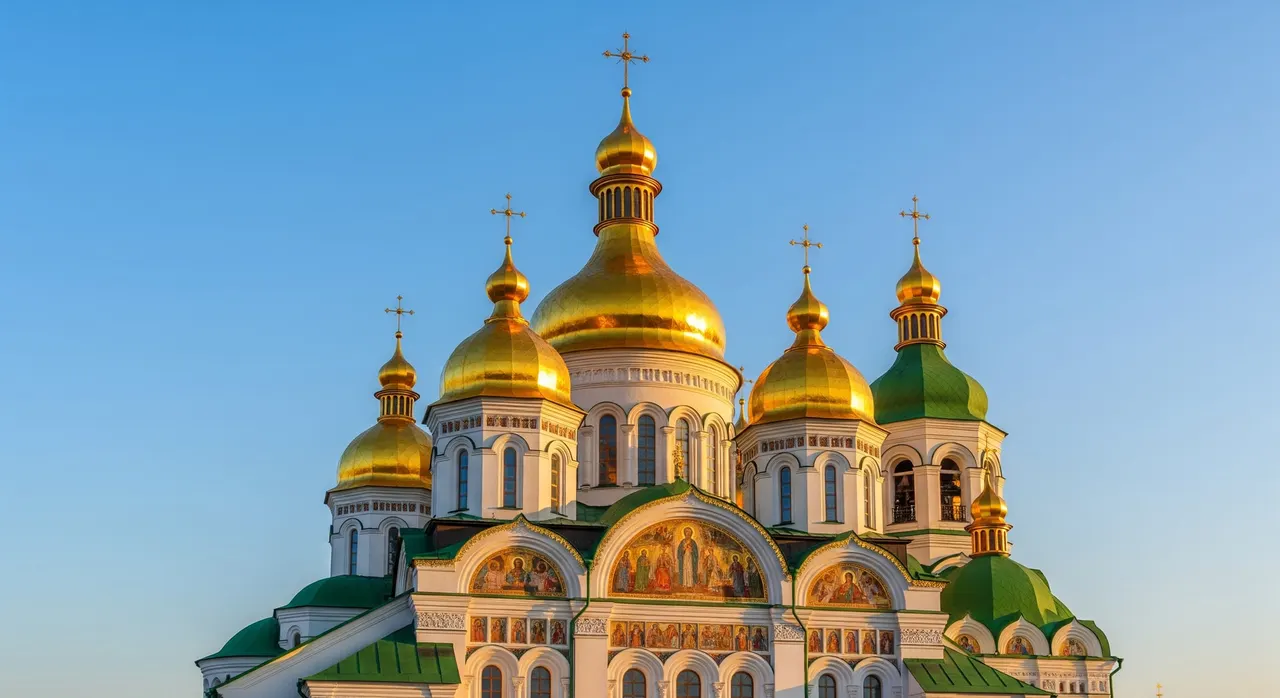
Ukraine — your starting point before relocating to ThailandUkraine
From Ukraine to Thailand

Make the move from Ukraine

Trade Ukraine for up to five years in Thailand on the DTV. We prepare and submit your entire application from wherever you are — proof of funds, category evidence and passport — so you can focus on the move, not the paperwork.

Check eligibility
Step by step

How Ukrainian citizens apply for the DTV

1

Check you qualify

Almost every nationality can apply. Take our free 60-second eligibility checker to confirm your route — remote work, soft power, medical or family.

2

We prepare everything

We assemble and review your documents: proof of 500,000 THB (~$15,000), your category evidence and passport — so nothing gets rejected.

3

We submit for you

You apply from outside Thailand. We file at a Thai embassy or consulate (such as Hanoi, Ho Chi Minh, Jakarta, Vientiane or London) within one business day.

4

Get approved & move

On approval you get the 5-year, multiple-entry DTV — up to 180 days per stay, extendable once. Then make Thailand home.

Questions

DTV FAQ for Ukrainian citizens

How long is the Destination Thailand Visa valid for Ukrainians?

The DTV is a 5-year multiple-entry visa. You can enter and leave Thailand as often as you like, and each entry lets you stay up to 180 days. You can extend a stay once more for another 180 days without leaving the country.

What financial proof do I need as a Ukrainian citizen?

You need to show proof of funds of at least 500,000 Thai Baht (roughly $15,000 USD) in your name. This can be a bank statement, payslips, or an investment portfolio, translated into English or Thai if the originals are in Ukrainian.

Can I apply for the DTV while already in Thailand?

No. The application must be submitted from outside Thailand. We prepare and submit the entire application for you, so you simply wait at home until approval arrives, then travel.

What does your DTV service cost, and is there a refund?

Our service starts from $139. With the optional Denial Protection add-on, you receive a 100% refund if your visa is not granted, so there is no financial risk on your side.

How do I travel from Ukraine to Thailand, since there are no direct flights?

Most Ukrainians travel overland to a hub such as Warsaw, Krakow, Budapest, or Chisinau, then fly to Bangkok with one stop via Istanbul, Doha, Dubai, or a European city. Total door-to-door travel is usually 16-24 hours depending on the connection.

What is the time difference between Ukraine and Thailand?

Bangkok is on UTC+7, while Ukraine is on UTC+2 in winter and UTC+3 in summer. That makes Thailand only 4-5 hours ahead, so you can keep up with clients and family back home with very little disruption to your schedule.

Do I need a certified translation of my Ukrainian documents?

Most likely, yes. Since Ukrainian is not English, any Ukrainian-language documents you submit, such as bank statements or civil-status certificates, will usually need a certified English or Thai translation. We will tell you which documents this applies to and can point you to trusted translation services.

Is there a Ukrainian community in Thailand?

Yes. You will find active Ukrainian-speaking communities in Bangkok, Chiang Mai, Pattaya, and Phuket. Many run social media and Telegram groups, organise cultural events, and help newcomers settle in, so it is easy to find a taste of home when you need it.

Can I work remotely for my Ukrainian employer on the DTV?

Yes. The DTV is designed for remote workers. You can work online for a company or clients based in Ukraine or anywhere else, as long as your work is conducted remotely and does not involve taking up local employment in the Thai job market.

Can entrepreneurs, freelancers, and those on sabbatical apply, or is it only for employees?

The DTV welcomes remote employees, freelancers, digital entrepreneurs, and people on a career break. As long as you can show the required proof of funds and a qualifying purpose of stay, such as remote work or activities like a Thai cooking course or Muay Thai training, you are likely eligible.

Ready to move to Thailand from Ukraine?

Check your eligibility in under a minute, or let our team prepare and submit everything — with a 100% refund if your application is denied (with the optional paid Denial Protection add-on).