Skip to content
Africa

DTV Visa for Ugandan Citizens
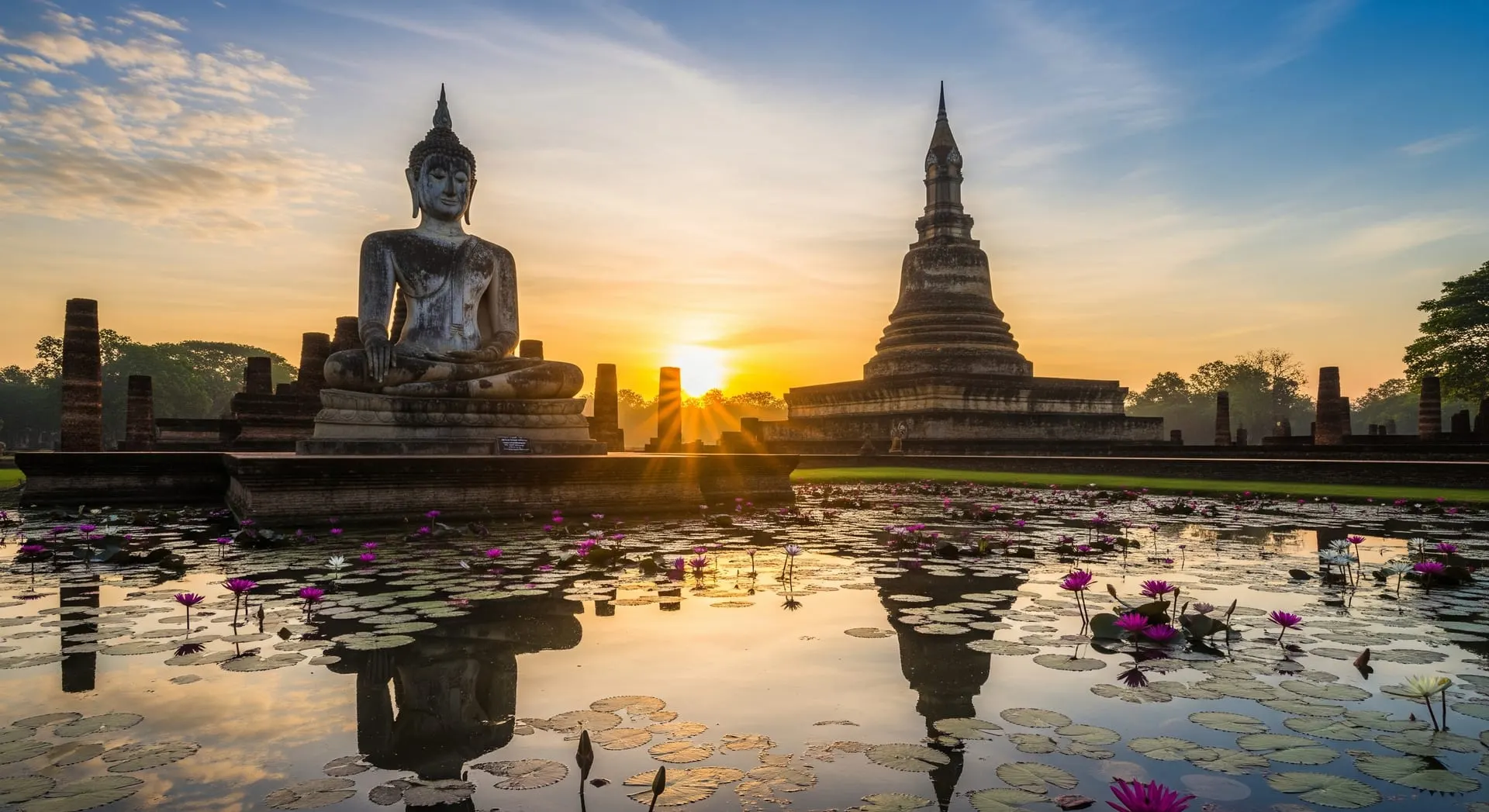
Imagine swapping the red-earth hills around Kampala for the neon energy of Bangkok or the palm-lined coast of Krabi. For Ugandans, the Destination Thailand Visa (DTV) turns that idea into a five-year reality: a long-stay visa built for remote workers, freelancers, and soft-power applicants who want a tropical base without the visa-run treadmill. With strong infrastructure, fast internet, and a friendly, growing community of Africans in the kingdom, Thailand is an accessible and exciting next chapter for Ugandan professionals and families alike.

Every Ugandan citizen is eligible to apply

5

Years validity

180

Days per entry

500k

THB proof of funds

$139

Service fee from

100%

Refund if denied*

Why Ugandan citizens choose Thailand

Living in Thailand from Uganda

Section 01

Why Ugandans Are Moving to Thailand

The DTV solves the biggest frustration of life abroad: it lets you settle for the long term. Instead of short tourist stamps and constant border hops, you get a single visa valid for five years , with each entry allowing a stay of up to 180 days that can be extended once inside Thailand for a further 180. For a remote worker billing clients in Kampala, Nairobi, Dubai, or London, that stability is transformative. Thailand pairs a familiar warm, equatorial climate with reliable electricity, modern transport, world-class private hospitals, and a cost base that lets a middle-income Ugandan salary stretch into a genuinely comfortable lifestyle.

DTV at a Glance

A 5-year multiple-entry visa. Stay up to 180 days per entry, extendable once by another 180 days. You show proof of 500,000 THB (~$15,000) in personal funds. You apply from outside Thailand and we prepare and submit the entire application for you. Service starts from $139, with a 100% refund if your application is denied (with the optional Denial Protection add-on).

Section 02

Cost of Living: Thailand vs Uganda

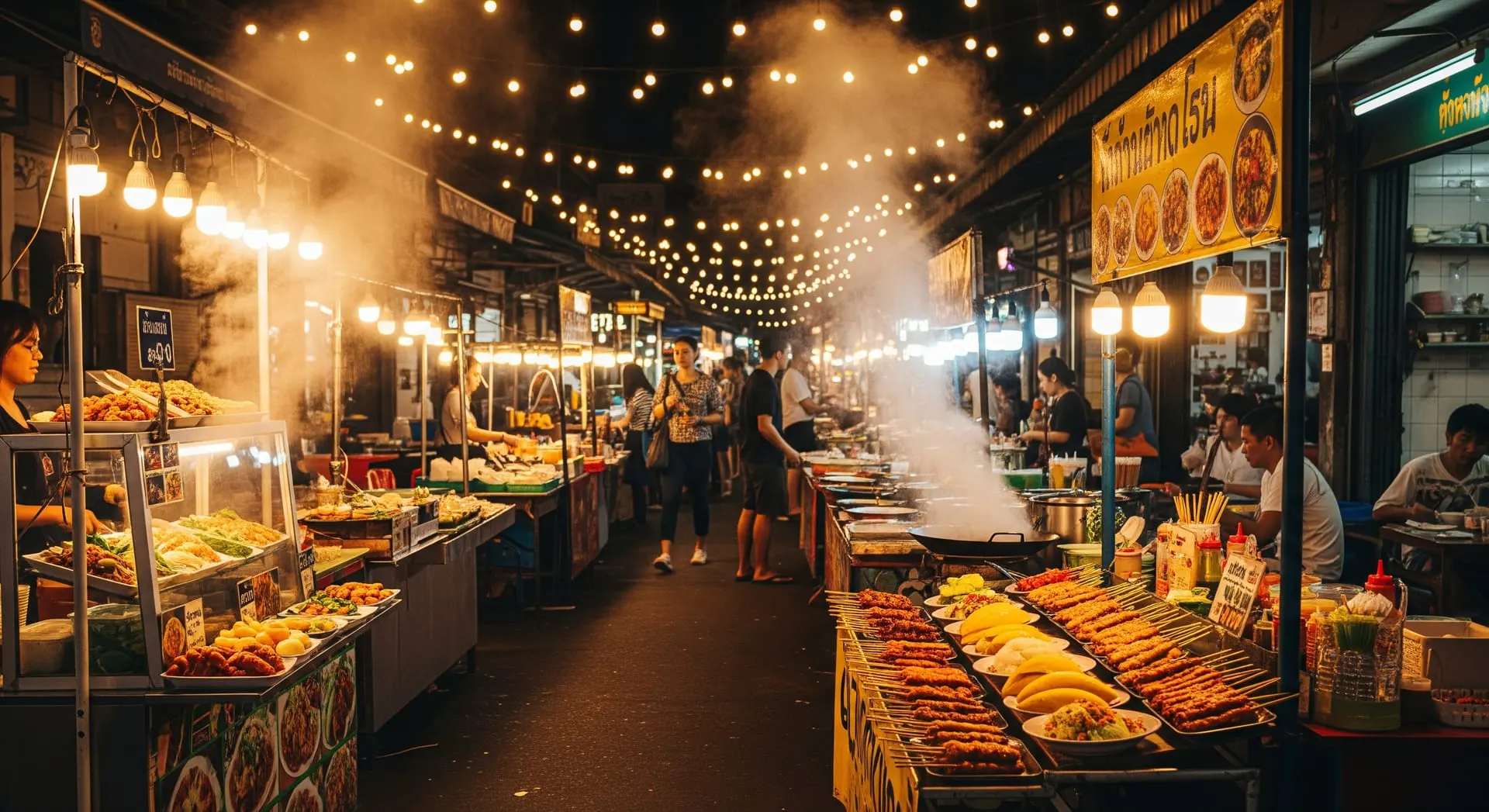
Day to day, Thailand often feels like better value than people expect, especially outside the priciest parts of Bangkok. Rent for a modern one-bedroom condo with a pool and gym runs roughly 12,000-20,000 THB a month in Chiang Mai and 18,000-35,000 THB in central Bangkok, which is broadly comparable to a good apartment in Kampala's Kololo or Naguru, but with newer buildings and amenities baked in. Street food is the real win: a hot plate of pad krapow or a bowl of noodle soup costs 50-70 THB, far cheaper than eating out in Kampala, and local markets keep grocery bills low.

  • Local meal at a Thai street stall or food court: roughly 50-70 THB.
  • Monthly transport: BTS Skytrain and MRT in Bangkok, plus cheap Grab rides and motorbike taxis nationwide.
  • Fast home fibre internet (300-500 Mbps): around 600-800 THB per month, typically more reliable than in Kampala.
  • A SIM with generous data from AIS, TrueMove, or dtac: a few hundred baht per month.
  • Private health insurance and out-of-pocket clinic visits cost far less than equivalent Western care.
Section 03

Getting to Thailand from Uganda

There are no direct flights from Entebbe International Airport (EBB) to Thailand, but several smooth one-stop routings make the trip easy. Ethiopian Airlines via Addis Ababa, Emirates and flydubai via Dubai, Qatar Airways via Doha, and Kenya Airways via Nairobi all connect Entebbe to Bangkok's Suvarnabhumi (BKK). Total journey time is usually 14-18 hours including the layover, with the actual flying time split between a roughly 4-5 hour first leg to the Gulf or Addis and a 6-9 hour onward hop to Bangkok. Once you land, budget airlines like Thai AirAsia, Thai Lion Air, and Nok Air whisk you to Chiang Mai, Phuket, or Krabi for very little.

Time Zone Advantage

Thailand (UTC+7) is 4 hours ahead of Uganda (UTC+3). Start work mid-morning Bangkok time and you still have a full overlap with East African business hours, while an early Thai start lines up nicely with Gulf and European clients later in the day.

Daily life in Thailand — where Ugandan citizens settle on the DTV
Life in Thailand — your home base on the 5-year DTV
Section 04

Where Ugandans Settle in Thailand

Each region suits a different lifestyle, so it pays to match the city to how you actually live and work.

  • Bangkok: The capital and business hub, with international supermarkets, co-working spaces, top hospitals, and a visible African community around Sukhumvit and Nana. Best for networking and direct international flights.
  • Chiang Mai: The northern digital-nomad favourite, known for low rents, cool evenings, leafy old-town cafes, and an easy, friendly pace ideal for focused remote work.
  • Phuket and Krabi: Beach life on the Andaman coast, with strong expat support networks, water sports, and a relaxed island rhythm.
  • Pattaya: An affordable, well-connected coastal city a couple of hours from Bangkok, popular with long-stay residents who want sea air without big-city prices.
Section 05

Money & Banking

Thailand is increasingly cashless in the cities, but cash still rules at markets and small eateries. Your Ugandan or international cards work at most ATMs, though Thai banks charge a fixed foreign-card withdrawal fee of about 220 THB on top of your home bank's charges, so withdraw larger amounts less often. Many Ugandans living in Thailand rely on multi-currency apps like Wise or Revolut to convert shillings and dollars at fair rates and to fund a local wallet. Once you hold a DTV and a long-term address, opening a Thai bank account becomes far easier, which unlocks the PromptPay QR system that nearly every vendor accepts.

Smart Money Move

Keep the funds that satisfy your 500,000 THB (~$15,000) proof-of-funds requirement in a clearly named personal account with a clean recent history. Steady, traceable balances are far simpler to document than a last-minute lump-sum deposit.

Section 06

Documents & Translation

English is an official language of Uganda, and most Ugandan bank statements, employment letters, and identity documents are already issued in English. That is a real advantage: in most cases your paperwork is accepted as-is, with no certified translation required. We review every document before submission so nothing is missing, formatted incorrectly, or out of date. Because you apply from outside Thailand, you can complete the whole process from Kampala, Entebbe, or wherever you happen to be, and we handle the preparation and submission end to end.

Section 07

Daily Life & Community

Settling in is quicker than most newcomers fear. Thailand's private healthcare is excellent and affordable, with JCI-accredited hospitals and English-speaking staff in every major city. Getting around is effortless thanks to the Grab app, the Bangkok rail network, and cheap intercity buses and trains. Foodies will love mixing fiery Thai curries with familiar staples; international supermarkets and African grocers in Bangkok stock items that make a Sunday matoke, posho, or groundnut stew possible when homesickness strikes. Active Facebook and WhatsApp groups of Ugandans and other Africans in Thailand are generous with advice on housing, schools, and getting set up.

Land Softly

Before you fly, join groups like 'Africans in Thailand' and 'Ugandans in Bangkok'. Members share trusted condo agents, hospital recommendations, and where to find your favourite ingredients, so your first weeks feel a lot less like starting from scratch.

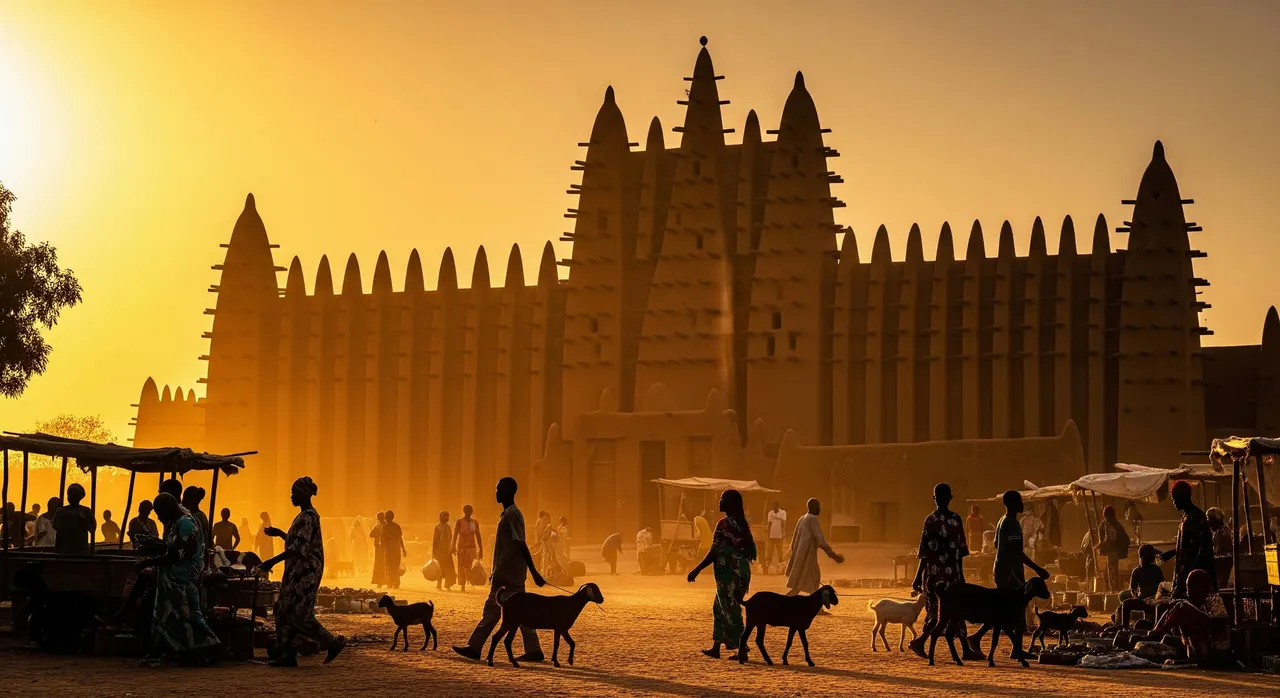
Uganda — your starting point before relocating to ThailandUganda
From Uganda to Thailand

Make the move from Uganda

Trade Uganda for up to five years in Thailand on the DTV. We prepare and submit your entire application from wherever you are — proof of funds, category evidence and passport — so you can focus on the move, not the paperwork.

Check eligibility
Step by step

How Ugandan citizens apply for the DTV

1

Check you qualify

Almost every nationality can apply. Take our free 60-second eligibility checker to confirm your route — remote work, soft power, medical or family.

2

We prepare everything

We assemble and review your documents: proof of 500,000 THB (~$15,000), your category evidence and passport — so nothing gets rejected.

3

We submit for you

You apply from outside Thailand. We file at a Thai embassy or consulate (such as Hanoi, Ho Chi Minh, Jakarta, Vientiane or London) within one business day.

4

Get approved & move

On approval you get the 5-year, multiple-entry DTV — up to 180 days per stay, extendable once. Then make Thailand home.

Questions

DTV FAQ for Ugandan citizens

What is the Destination Thailand Visa (DTV) for Ugandan citizens?

It is a 5-year multiple-entry visa that lets Ugandans live in Thailand and work remotely for clients or an employer abroad. Each entry allows a stay of up to 180 days, extendable once inside Thailand for a further 180 days. You must show proof of 500,000 THB (~$15,000) in personal funds.

How do I apply for the DTV from Uganda?

Applications must be submitted from outside Thailand. We handle the entire process for you, from document preparation to submission, so you never have to navigate the bureaucracy alone. Service starts from $139, and with the optional Denial Protection add-on you receive a 100% refund if your application is denied.

How much money do I need to show for the DTV?

You need to demonstrate access to 500,000 THB (about $15,000) in personal funds. Keeping this balance in a clearly named personal account with a stable recent history makes it far easier to evidence than a sudden one-off deposit.

Are there direct flights from Uganda to Thailand?

No direct flights exist yet. Most travellers fly from Entebbe (EBB) with a single stop, using Ethiopian Airlines via Addis Ababa, Emirates or flydubai via Dubai, Qatar Airways via Doha, or Kenya Airways via Nairobi. The total journey usually takes 14-18 hours including the layover, and budget carriers connect Bangkok to Chiang Mai, Phuket, and Krabi once you arrive.

What is the time difference between Uganda and Thailand?

Thailand (UTC+7) is 4 hours ahead of Uganda (UTC+3). The overlap works well for remote workers: you can keep East African business hours in your morning and still catch Gulf or European clients later in the day.

Do my Ugandan documents need to be translated for the DTV?

Usually not. English is an official language of Uganda, so bank statements, employment letters, and identity documents are typically issued in English and accepted as-is. We review everything beforehand to confirm your paperwork is complete and correctly formatted.

How does the cost of living in Thailand compare to Uganda?

Many Ugandans find Thailand delivers a higher standard of living for similar or lower spending. A modern one-bedroom condo in Chiang Mai runs around 12,000-20,000 THB a month, street meals cost 50-70 THB, and fast home internet is around 600-800 THB. Bangkok is pricier but still strong value for a world capital.

Can I open a bank account in Thailand as a Ugandan on the DTV?

Yes. Holding a long-stay DTV and a Thai address makes opening a local account much more straightforward, which gives you access to PromptPay QR payments accepted almost everywhere. In the meantime, multi-currency apps like Wise or Revolut are popular for moving shillings and dollars at fair rates.

Will my ATM card work in Thailand?

Yes, Ugandan and international cards work at most Thai ATMs. Be aware that Thai banks add a fixed foreign-card withdrawal fee of about 220 THB per transaction on top of your home bank's charges, so it is cheaper to withdraw larger amounts less frequently.

Can my family join me in Thailand on the DTV?

The DTV includes provisions for eligible dependants to accompany the main applicant. We can advise on the supporting documents needed for spouses and children as part of preparing your application.

Ready to move to Thailand from Uganda?

Check your eligibility in under a minute, or let our team prepare and submit everything — with a 100% refund if your application is denied (with the optional paid Denial Protection add-on).