Skip to content
Asia

DTV Visa for Turkmen Citizens
Are you a Turkmen citizen dreaming of swapping the Karakum Desert and the marble avenues of Ashgabat for tropical beaches and year-round green? Thailand's Destination Thailand Visa (DTV) makes it possible to live and work remotely from Southeast Asia for up to five years. Picture starting your day with a fresh coconut, logging into your global projects on fast fibre internet, and ending it with a sunset over the Andaman Sea, all while enjoying a cost of living that feels like a permanent holiday. The DTV is a five-year, multiple-entry visa, and you apply from outside Thailand while our team prepares and submits everything for you, with service from $139.

Every Turkmen citizen is eligible to apply

5

Years validity

180

Days per entry

500k

THB proof of funds

$139

Service fee from

100%

Refund if denied*

Why Turkmen citizens choose Thailand

Living in Thailand from Turkmenistan

Section 01

Why Thailand Is Calling Turkmen Citizens

Turkmenistan's sharp continental climate, with scorching summers above 40C in the Karakum and cold desert winters, contrasts completely with Thailand's steady tropical warmth. The lush landscapes, from northern jungles and rice terraces to the limestone islands of the Andaman Sea, feel a world away from the arid plains beneath the Kopet Dag. Beyond the weather, Thailand offers something Turkmenistan's tightly controlled economy rarely does for remote professionals: open infrastructure, fast internet, a huge international community and affordable comfort. For Turkmen entrepreneurs, freelancers and online workers, the DTV simply formalises a dream that has been growing for years, a simpler and sunnier base from which to build a global career.

DTV at a glance

The Destination Thailand Visa is a 5-year, multiple-entry visa. Each entry allows a stay of up to 180 days, extendable once for a further 180 days. You must show proof of 500,000 THB (~$15,000) in personal funds, apply from outside Thailand, and our company prepares and submits the full application. Service starts from $139, with a 100% refund if your application is denied when you add optional Denial Protection.

Section 02

Cost of Living: Ashgabat vs. Bangkok & Beyond

One of the trickiest things about budgeting from Turkmenistan is the gap between the official and unofficial value of the manat, which makes imported goods and travel feel expensive at home. In Thailand your money behaves more predictably: prices are transparent, card and QR payments are everywhere, and an ATM withdrawal carries a fixed local fee of around 220 THB. Day to day, most Turkmen find that food, local transport and rent stretch noticeably further in Thailand than in Ashgabat.

  • Rent: A central one-bedroom apartment in Ashgabat runs roughly $400-$600 a month; in Bangkok expect $350-$600, while Chiang Mai can be as low as $250-$400.
  • Dining: A mid-range meal for two in Ashgabat is around $20-$30; in Thailand a delicious local feast for two often costs $10-$15, and street-food plates are $2-$4.
  • Coworking: Dedicated coworking is scarce in Ashgabat; Thai hubs in Bangkok and Chiang Mai start at about $40-$80 per month with strong wifi and air-con.
  • Transport: Getting around Ashgabat relies on buses and taxis, while Bangkok's BTS and MRT cover the city efficiently, and a Grab ride or motorbike taxi across town is just a few dollars.
Section 03

Getting to Thailand from Turkmenistan

There are no direct flights between Turkmenistan and Thailand, so you will connect through a regional hub. From Ashgabat International Airport (ASB), the most common routes go via Dubai (flydubai or Emirates onward connections) or Istanbul (Turkish Airlines) before landing at Bangkok's Suvarnabhumi (BKK). With a sensible layover, total journey time is typically around 12-16 hours. The time change is gentle: Thailand is just 2 hours ahead of Turkmenistan (UTC+7 versus UTC+5), so jet lag is minimal and you can stay in sync with family and colleagues back home while working from a beachside cafe.

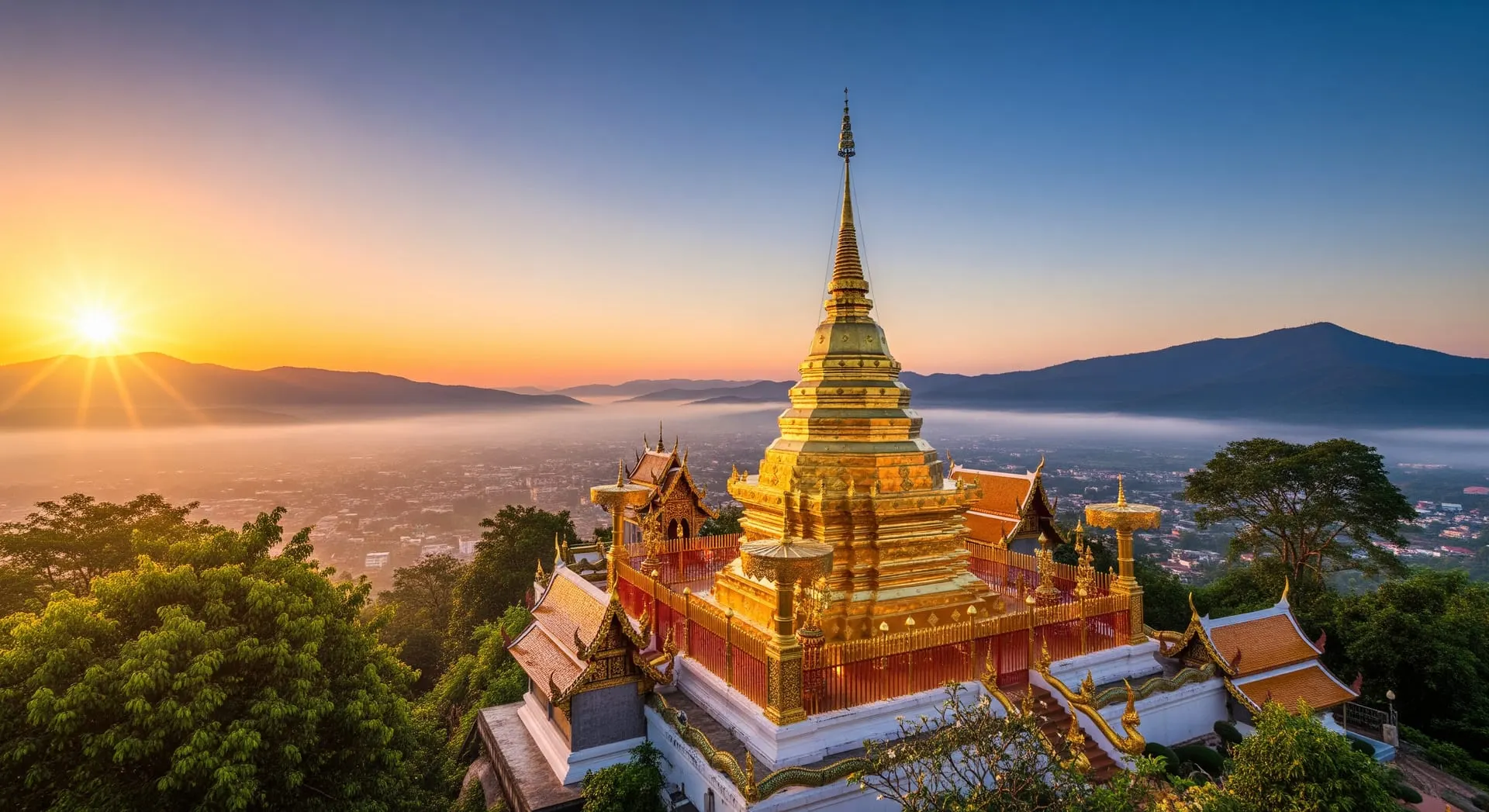
Daily life in Thailand — where Turkmen citizens settle on the DTV
Life in Thailand — your home base on the 5-year DTV
Section 04

Where Turkmen Expats Put Down Roots

Bangkok's energy appeals to urbanites, with its rooftop bars, mega malls and the air-conditioned BTS and MRT lines. Digital nomads gravitate to Chiang Mai for its relaxed pace, low costs and tight-knit remote-work community. Beach lovers head to Phuket for resort-style living and international schools, while islands like Koh Samui and Koh Phangan offer a quieter tropical retreat. Thais are famously welcoming, and as a Turkmen you will find genuine curiosity wherever you settle. Central Asian residents are still a small group, but Bangkok and Phuket both have established Muslim neighbourhoods and mosques that make settling in easier.

Pro tip: start in Chiang Mai

If you are unsure where to base yourself, many first-time arrivals from Central Asia start in Chiang Mai for a month or two. It is affordable, easy to navigate, full of remote workers, and a low-stress place to learn the ropes before committing to a long lease in Bangkok or on the islands.

Section 05

Money & Banking in Thailand

Thailand runs largely on the Thai baht (THB) and on instant QR payments through the PromptPay system, which most shops, markets and taxis accept. In the early days you can simply use your home cards and withdraw cash from ATMs, keeping in mind the standard local withdrawal fee of around 220 THB per transaction, so larger, less frequent withdrawals save money. Once your DTV is active and you are settled with an address, opening a Thai account with a bank such as Kasikorn (K Bank) or Bangkok Bank makes everyday life far smoother, unlocking local mobile banking, fee-free domestic transfers and seamless QR payments. For the 500,000 THB (~$15,000) personal-funds requirement, you do not need the money sitting in a Thai account; documented personal savings are what matter, and our team will explain exactly how to present them.

Section 06

Documents & Translation

Translate your Turkmen paperwork

Turkmenistan's official language is Turkmen, and many documents are issued in Turkmen or Russian. Any supporting document not already in English or Thai, such as bank statements, employment letters or certificates, will likely need a certified English or Thai translation. Plan ahead and use a reputable sworn or certified translator so your evidence is accepted without back-and-forth. Our team checks every document with you before submission.

Section 07

Daily Life & Community

Thailand's private healthcare is internationally accredited and far more accessible than many Turkmen are used to, with English-speaking doctors at major hospitals in Bangkok, Chiang Mai and Phuket, though comprehensive expat health insurance is strongly recommended. Internet is excellent, with widespread fibre and 5G, so remote work is reliable. The food is a daily highlight, from fiery tom yum to mild massaman curry, and halal options are easy to find in tourist areas and Muslim neighbourhoods, which matters to many Turkmen households. Thailand is generally safe, with low rates of violent crime. The formal Turkmen community is small, but active Central Asian groups on Facebook and Telegram, plus the mosques of Bangkok and Phuket, make it easy to find familiar faces and practical advice.

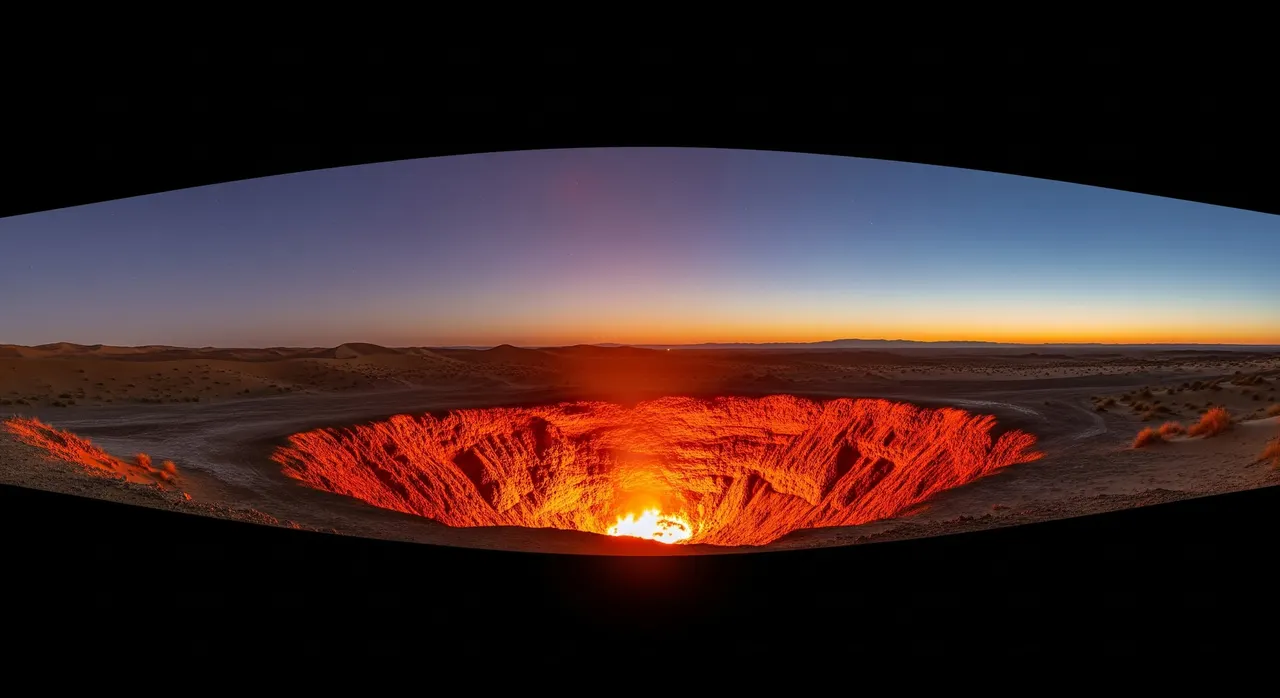
Turkmenistan — your starting point before relocating to ThailandTurkmenistan
From Turkmenistan to Thailand

Make the move from Turkmenistan

Trade Turkmenistan for up to five years in Thailand on the DTV. We prepare and submit your entire application from wherever you are — proof of funds, category evidence and passport — so you can focus on the move, not the paperwork.

Check eligibility
Step by step

How Turkmen citizens apply for the DTV

1

Check you qualify

Almost every nationality can apply. Take our free 60-second eligibility checker to confirm your route — remote work, soft power, medical or family.

2

We prepare everything

We assemble and review your documents: proof of 500,000 THB (~$15,000), your category evidence and passport — so nothing gets rejected.

3

We submit for you

You apply from outside Thailand. We file at a Thai embassy or consulate (such as Hanoi, Ho Chi Minh, Jakarta, Vientiane or London) within one business day.

4

Get approved & move

On approval you get the 5-year, multiple-entry DTV — up to 180 days per stay, extendable once. Then make Thailand home.

Questions

DTV FAQ for Turkmen citizens

What is the Destination Thailand Visa (DTV)?

The DTV is a 5-year multiple-entry visa that lets you stay in Thailand for up to 180 days per entry, extendable once for another 180 days. It is designed for remote workers, digital nomads, freelancers and long-term travellers. You apply from outside Thailand, and our team prepares and submits all the paperwork for you, with service from $139.

As a Turkmen citizen, do I need to show proof of funds?

Yes. You must demonstrate at least 500,000 THB (approximately $15,000) in personal funds. The money does not need to be held in a Thai bank account; documented personal savings are what counts, and we will guide you on acceptable evidence and how to present it.

Can I work remotely for a foreign company while in Thailand on the DTV?

Yes. The DTV is built for remote professionals, so you can work online for clients or employers based overseas. You are free to maintain your career while enjoying the Thai lifestyle.

Do I need to translate my Turkmen documents?

Most likely, yes. Since Turkmenistan's official language is Turkmen and many records are in Turkmen or Russian, any document not already in English or Thai, such as bank statements, letters or certificates, should be accompanied by a certified English or Thai translation. We can advise you on trusted translation services.

What is the time difference between Turkmenistan and Thailand?

Thailand is 2 hours ahead of Turkmenistan (UTC+7 versus UTC+5). This small gap is ideal for remote workers, letting you stay in sync with colleagues and family at home without disrupting your sleep schedule.

How do I fly from Ashgabat to Bangkok?

There are no direct flights, but convenient one-stop routes exist via Dubai (flydubai and onward connections) or Istanbul (Turkish Airlines). With a reasonable layover, total travel time is roughly 12-16 hours. You will arrive at Suvarnabhumi Airport (BKK) and enter on your DTV.

Is it really cheaper to live in Thailand than in Turkmenistan?

In most everyday categories, yes. While some imported goods carry a premium, food, local transport and rent are generally more affordable and far more transparent to price than in Ashgabat. Many Turkmen enjoy a higher standard of living for the same money or less.

What happens if my visa application gets rejected?

With the optional Denial Protection add-on, you receive a 100% refund if your DTV application is denied. We work meticulously on every file to give your application the best chance, and the add-on means you are covered just in case.

How can I connect with other Turkmen or Central Asians in Thailand?

There is no large formal Turkmen association yet, but active Central Asian expat groups on Facebook and Telegram are welcoming to newcomers. The mosques of Bangkok and Phuket are also natural meeting points, and many Turkmen take part in wider Muslim community events.

Can I open a local bank account in Thailand with the DTV?

Yes. Once you are in Thailand on your DTV and have a local address, you can open a Thai bank account with a bank such as Kasikorn or Bangkok Bank. This makes daily transactions and QR payments easy and helps you avoid repeated international withdrawal fees. We can point you to recommended banks and the documents you will need.

Ready to move to Thailand from Turkmenistan?

Check your eligibility in under a minute, or let our team prepare and submit everything — with a 100% refund if your application is denied (with the optional paid Denial Protection add-on).