Skip to content
Middle East

DTV Visa for Turkish Citizens
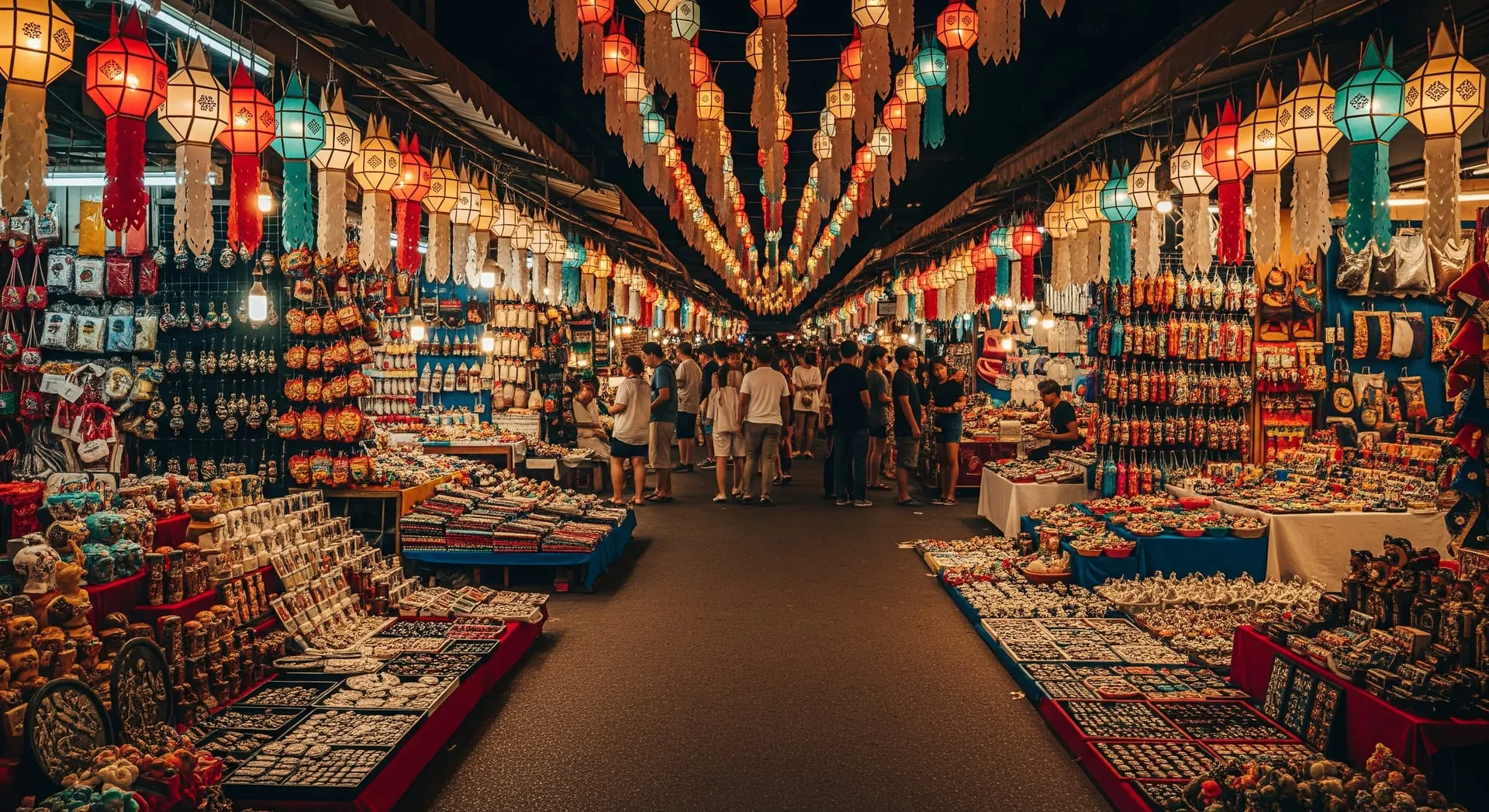
For Turkish citizens dreaming of year-round tropical warmth, world-class street food, and a vibrant yet affordable lifestyle, Thailand has become a standout destination. Whether you are escaping the grey winters of Istanbul or simply seeking a slower, sunnier pace of life, the Land of Smiles blends modern comfort with everyday adventure. The Destination Thailand Visa (DTV) makes it realistic to base yourself in a Bangkok high-rise or a Phuket beach town long term, working remotely without the constant border runs and short-stay shuffle of older visa routes.

Every Turkish citizen is eligible to apply

5

Years validity

180

Days per entry

500k

THB proof of funds

$139

Service fee from

100%

Refund if denied*

Why Turkish citizens choose Thailand

Living in Thailand from Turkey

Section 01

Why Turkish Citizens Are Choosing Thailand

Turkey has plenty to love, but a growing number of Turks are drawn to Thailand's mix of tropical climate, lower living costs, and a mature digital-nomad ecosystem. The contrast is striking: while Ankara dips below freezing and Istanbul turns wet and grey for months, much of Thailand stays warm and bright year-round. Beyond the weather, the day-to-day upgrade is tangible. Imagine swapping a packed Metrobus commute for a short scooter ride to a co-working space, or trading a tight city budget for a serviced apartment with a pool. Thai culture, with its deep hospitality and emphasis on respect, resonates with Turkish values of warmth and community, which makes the move feel surprisingly natural.

The DTV at a Glance

The Destination Thailand Visa is a 5-year, multiple-entry visa. Each entry allows a stay of up to 180 days, extendable once for another 180 days. You need to show proof of 500,000 THB (~$15,000) in personal funds, and you apply from outside Thailand. Our service prepares and submits everything for you, starting from $139.

Section 02

Cost of Living: Turkey vs Thailand

For most Turkish remote workers, Thailand stretches a budget further while raising the standard of comfort, especially outside the priciest Bangkok neighbourhoods. The everyday wins add up quickly: cheap and excellent food, affordable transport, and rents that buy more space and better amenities than the equivalent in Istanbul or Izmir. Because the Turkish lira has moved sharply against major currencies in recent years, many Turks also value holding day-to-day spending money in baht.

  • Rent: A modern one-bedroom in central Istanbul keeps climbing, while in Chiang Mai a comparable furnished condo with a pool and gym often runs around 12,000–18,000 THB (~$350–520) per month.
  • Eating out: A simple street-food plate of pad thai or rice with curry is typically 50–80 THB (~$1.50–2.50); a sit-down meal at a mid-range restaurant is around 250–400 THB.
  • Coffee and co-working: A flat white runs 80–120 THB, and a monthly hot-desk in Bangkok or Chiang Mai is roughly 3,000–6,000 THB.
  • Getting around: Bangkok's BTS Skytrain covers most cross-city trips for under 60 THB, and a metered city taxi ride is usually 60–150 THB.
  • Utilities and internet: Electricity, water, and fast home fibre together commonly land around 2,000–3,500 THB per month.

Baht vs Lira

The Thai baht has been far more stable than the lira in recent years. Keeping a baht balance for rent, food, and daily expenses can shield your spending power from currency swings, so for many Turkish expats Thailand is both a lifestyle choice and a practical financial buffer.

Section 03

Getting to Thailand from Turkey

Getting to Thailand from Turkey is straightforward. Turkish Airlines flies non-stop from Istanbul (IST) to Bangkok's Suvarnabhumi Airport (BKK) in roughly 9 to 9.5 hours, which makes Istanbul one of the better-connected European cities for Thailand. If you prefer a one-stop routing or a cheaper fare, frequent connections through Gulf hubs like Doha, Dubai, and Abu Dhabi bring the total journey to around 12 to 15 hours including the layover. From Ankara (ESB), you will usually connect via Istanbul or a Gulf hub. Once you land in Bangkok, Thailand's busy domestic network puts Chiang Mai, Phuket, and Koh Samui just a short, affordable hop away.

Time Zone Advantage

Thailand (UTC+7) is 4 hours ahead of Turkey (UTC+3). If you keep Turkish clients, their morning lines up with your midday in Thailand, so you can take calls without late nights, then wrap up by early evening and still catch a sunset by the pool.

Daily life in Thailand — where Turkish citizens settle on the DTV
Life in Thailand — your home base on the 5-year DTV
Section 04

Where Turks Settle in Thailand

Turkish expats tend to cluster in Thailand's most livable hubs. Bangkok is the obvious magnet for its cosmopolitan energy, with the Sukhumvit and Thonglor districts offering international restaurants, sleek malls, and a buzzing nightlife that can feel like a tropical cousin of Istanbul. Chiang Mai draws the digital-nomad crowd with its relaxed pace, mountain backdrop, leafy old town, and notably low costs. For beach lovers, Phuket and the nearby islands deliver a resort lifestyle with great diving and a small but growing Turkish presence. Wherever you land, halal options, Turkish coffee, and kebab spots are increasingly easy to find in the major centres.

Section 05

Money and Banking

Moving funds from Turkey to Thailand is easier than ever. Fintech services such as Wise and Revolut convert lira to baht near the mid-market rate with transparent fees, usually beating traditional bank wires. In Thailand, ATMs are everywhere but typically charge a 220 THB fee per foreign-card withdrawal, so larger, less frequent withdrawals make sense. Card payments are widely accepted in malls, hotels, and mid-range restaurants, and the QR-based PromptPay system is ubiquitous, but street markets and small vendors remain cash-first. Many Turks keep their Turkish account for income and open a Thai bank account once settled for rent and recurring bills, bridging the two with a borderless multi-currency account.

Section 06

Documents and Translation

Because Turkey's official language is Turkish, supporting documents such as bank statements, employment contracts, or proof of income will likely need a certified English or Thai translation so reviewers can read them without ambiguity. Certified translation services are widely available across Istanbul, Ankara, Izmir, and other cities, and many can be arranged online. It is an easy step to overlook, so our team reviews your file in advance, tells you exactly which documents need translating, and can point you to trusted providers before anything is submitted.

Section 07

Daily Life and the Turkish Community

  • Healthcare: Thailand's private hospitals are excellent and far cheaper than equivalent private care in Turkey, and many doctors trained or specialised abroad.
  • Internet: Home fibre is standard in the cities, with reliable high-speed plans that handle video calls, large uploads, and streaming with ease.
  • Food: Beyond outstanding Thai cuisine, you will find Turkish restaurants and kebab houses in Bangkok and Phuket, plus growing access to halal food and Middle Eastern groceries.
  • Safety: Thailand is generally very safe day to day, with low violent crime; ordinary common-sense precautions are enough.
  • Community: Active Facebook groups and WhatsApp chats for Turks in Thailand organise regular meetups, from iftar dinners during Ramadan to casual coffee mornings and beach days.
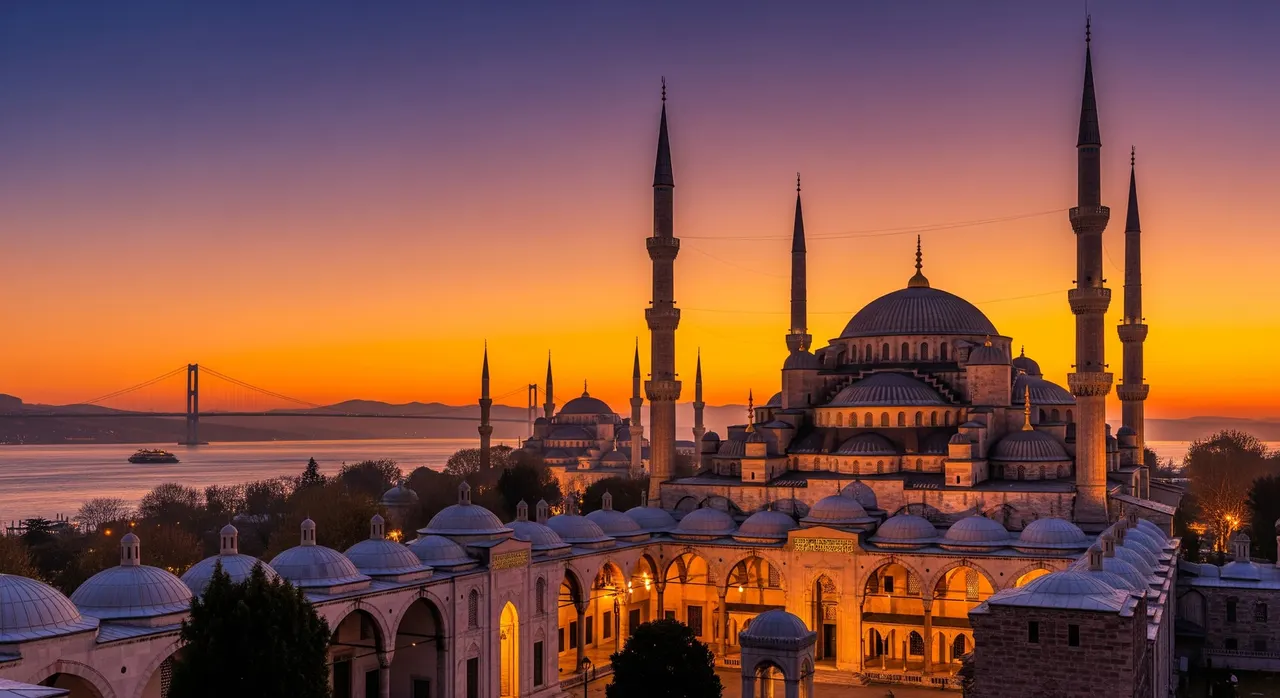
The Turkish footprint in Thailand is still modest, but it is friendly and growing, and you will quickly find people who understand both the joys and the small frustrations of life abroad. Whether you are sharing tea on a condo balcony or wandering a floating market with new friends, the sense of belonging tends to arrive faster than you expect.

Turkey — your starting point before relocating to ThailandTurkey
From Turkey to Thailand

Make the move from Turkey

Trade Turkey for up to five years in Thailand on the DTV. We prepare and submit your entire application from wherever you are — proof of funds, category evidence and passport — so you can focus on the move, not the paperwork.

Check eligibility
Step by step

How Turkish citizens apply for the DTV

1

Check you qualify

Almost every nationality can apply. Take our free 60-second eligibility checker to confirm your route — remote work, soft power, medical or family.

2

We prepare everything

We assemble and review your documents: proof of 500,000 THB (~$15,000), your category evidence and passport — so nothing gets rejected.

3

We submit for you

You apply from outside Thailand. We file at a Thai embassy or consulate (such as Hanoi, Ho Chi Minh, Jakarta, Vientiane or London) within one business day.

4

Get approved & move

On approval you get the 5-year, multiple-entry DTV — up to 180 days per stay, extendable once. Then make Thailand home.

Questions

DTV FAQ for Turkish citizens

How long is the flight from Turkey to Thailand?

Turkish Airlines flies non-stop from Istanbul to Bangkok in roughly 9 to 9.5 hours. One-stop options through Gulf hubs such as Doha, Dubai, or Abu Dhabi take around 12 to 15 hours including the layover.

What is the time difference between Turkey and Thailand, and how does it affect remote work?

Thailand (UTC+7) is 4 hours ahead of Turkey (UTC+3). Morning in Turkey overlaps with midday in Thailand, so you can schedule calls with Turkish clients comfortably and still finish your day by early evening.

Can Turkish citizens apply for the DTV from within Thailand?

No. The DTV must be applied for from outside Thailand. We prepare and submit your application before you travel, making sure it meets all requirements first.

How long is the DTV valid and how long can I stay per entry?

The Destination Thailand Visa is a 5-year, multiple-entry visa. Each entry grants up to 180 days of stay, and that can be extended once for a further 180 days, giving up to about a year of continuous stay per entry.

Do I need to show proof of funds as a Turkish applicant?

Yes. You will need to demonstrate personal funds of at least 500,000 THB (~$15,000). We guide you on how to present this requirement smoothly.

Do my Turkish documents need to be translated?

Most likely, yes. Because Turkey's official language is Turkish, documents such as bank statements and employment letters will usually need a certified English or Thai translation. We tell you exactly which documents need it before you submit.

Is there a Turkish community in Thailand?

Yes. There are active Turkish expat groups in Bangkok and Phuket with regular social events, plus Turkish restaurants, halal food, and Middle Eastern grocery options in the major cities, so it is easy to feel at home.

Can I keep working for a Turkish employer or clients on the DTV?

The DTV is designed for remote workers and digital nomads who earn from outside Thailand, so working online for Turkish employers or clients fits the visa's purpose. We will advise on the supporting documents that best demonstrate your remote work.

What happens if my application is denied?

With the optional Denial Protection add-on, you receive a 100% refund of our service fee if your application is denied for any reason.

How much does the DTV service cost?

Our professional preparation and submission service starts from $139. We handle everything from document review to lodging the application so you can focus on planning your move.

Where you apply

The Thai mission for Turkey

You submit the DTV online via the Thai e-Visa portal — but the office below covers applicants in Turkey and may review your file.
More in Middle East

Other DTV country guides

Ready to move to Thailand from Turkey?

Check your eligibility in under a minute, or let our team prepare and submit everything — with a 100% refund if your application is denied (with the optional paid Denial Protection add-on).