Skip to content
Africa

DTV Visa for Tunisian Citizens

For Tunisian professionals, creatives and remote workers, Thailand is fast becoming a destination of choice — a place where tropical beauty, modern infrastructure and a strikingly low cost of living come together. Whether you are tired of the swing between chilly winters and blistering Saharan summers, want to stretch your income further, or simply crave a lifestyle upgrade, the Destination Thailand Visa (DTV) opens the door to up to five years of living and working remotely in the Land of Smiles.

Every Tunisian citizen is eligible to apply

5

Years validity

180

Days per entry

500k

THB proof of funds

$139

Service fee from

100%

Refund if denied*

Why Tunisian citizens choose Thailand

Living in Thailand from Tunisia

Section 01

Why Tunisian Citizens Are Moving to Thailand

Tunisians are no strangers to balancing Mediterranean charm with modern ambition, but Thailand offers something uniquely liberating: a long-stay visa built specifically for remote workers and digital nomads. The DTV is valid for five years , lets you enter as many times as you like, and grants a stay of up to 180 days per entry — extendable once for a further 180 days at a local immigration office. After Tunisia's seasonal extremes, Thailand's year-round warmth and a predictable rainy season feel like a revelation. Add a culture that prizes hospitality almost as much as Tunisia's own famed welcome, and it is easy to see why more Tunisians are trading Carthage for Chiang Mai.

The lifestyle upgrade is tangible: imagine swapping the congested streets of Tunis for the calm mountain landscapes of the north, or exchanging the rising cost of La Marsa for a sea-view apartment in Phuket that costs roughly half as much. Thailand is famously remote-work friendly, with fast fibre internet, abundant coworking spaces, and a large community of international professionals who make settling in painless.

Section 02

Cost of Living: Tunisia vs Thailand

If you live in Tunis, Sfax or Sousse, you know that while Tunisia is affordable by European standards, prices have climbed sharply in recent years. Thailand, especially outside central Bangkok, often beats it on value for money. A modern one-bedroom apartment in a trendy Chiang Mai neighbourhood runs about $300–$450 a month — comparable to a flat in a Tunis suburb, but typically with a pool, a gym and on-site security. In Bangkok you might pay $500–$700 for a condo you would struggle to match in Berges du Lac, while gaining access to world-class transit and a genuine 24/7 lifestyle.

Food is where the gap really shows. A delicious Thai street meal costs $1.50–$3 , and a sit-down dinner for two with drinks runs $12–$20. In Tunisia, a similar dinner for two easily reaches TND 60–100 (around $20–$33). Coworking memberships in Thailand average $80–$150 a month, and getting around is cheap: Bangkok's BTS Skytrain is fast and inexpensive, while a scooter on Koh Phangan or Koh Samui rents for roughly $100–$150 a month. For Tunisians used to driving everywhere, moving around Thailand without a car is a pleasant surprise.

Monthly Budget Snapshot

A single Tunisian remote worker can live comfortably in Chiang Mai for around $800–$1,200 a month, covering rent, food, coworking, transport and a social life. A comparable lifestyle in Tunis would typically cost closer to $1,500–$2,000.

Section 03

Getting to Thailand from Tunisia

There are no direct flights between Tunisia and Thailand, but the journey is straightforward with a single stop. From Tunis-Carthage International Airport (TUN) , the most efficient routes run via Istanbul (Turkish Airlines) or Dubai (Emirates) to Bangkok's Suvarnabhumi (BKK), with total travel time of roughly 12–16 hours depending on the layover. From Djerba (DJE) or Monastir (MIR), you will usually connect through Tunis or a European hub first, so the overall duration is similar. Once you land, Thailand runs on Indochina Time (ICT), UTC+7 . Tunisia stays on UTC+1 all year and does not observe daylight saving, so Thailand is a constant 6 hours ahead . That gap suits North African remote workers nicely: enjoy a slow morning, catch European and Tunisian clients through the afternoon, and keep your evenings free for night markets and friends.

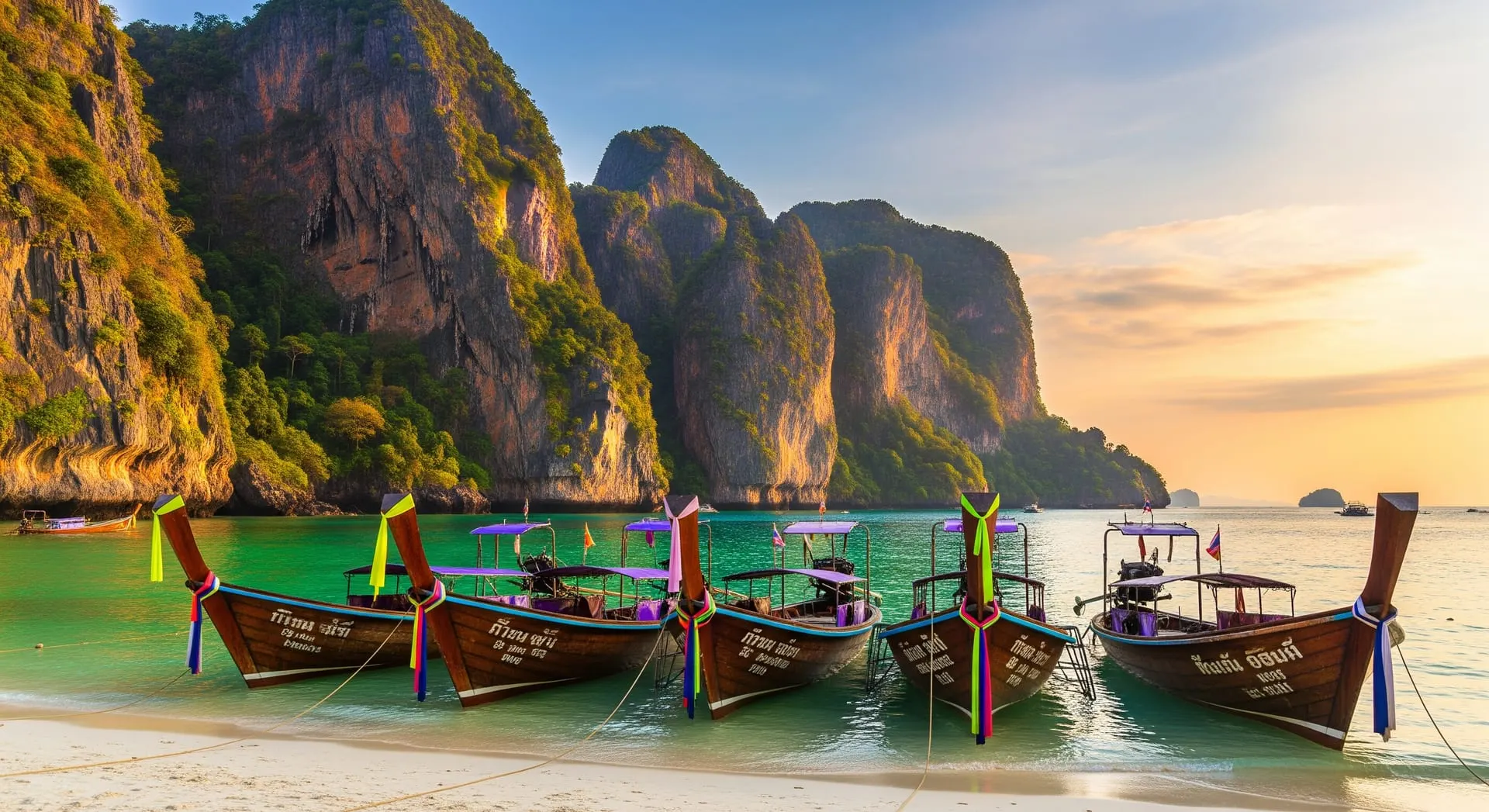
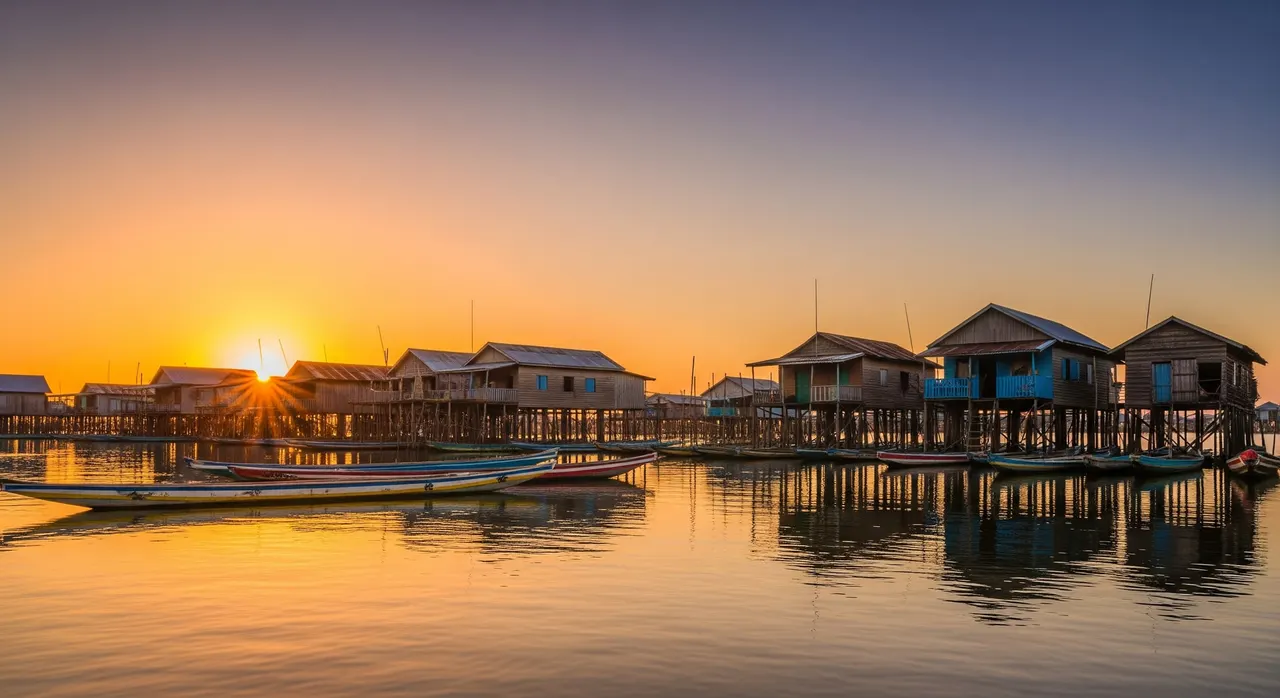
Daily life in Thailand — where Tunisian citizens settle on the DTV
Life in Thailand — your home base on the 5-year DTV
Section 04

Where Tunisian Expats and Nomads Settle in Thailand

Tunisian remote workers tend to cluster in a few key spots, each with its own character:

  • Bangkok — for maximum connectivity, international food (including a growing halal scene around Ramkhamhaeng and Nana), and round-the-clock energy. The Sukhumvit corridor is especially popular.
  • Chiang Mai — the digital-nomad capital, with cool mountain air, an established Muslim community, and a very low cost of living. Many Tunisians find its calm pace a refreshing change from Tunis.
  • Phuket — if you miss the Mediterranean, Phuket's beaches and expat-friendly vibe are the closest match, but with warmer water and a more laid-back rhythm.
  • Koh Phangan and Koh Samui — island living draws Tunisians who want a slower, beach-centric lifestyle, with a thriving wellness and yoga scene.
Section 05

Money and Banking from Tunisia

Moving funds from Tunisia to Thailand takes a little planning. The Tunisian dinar (TND) is a non-convertible, restricted currency, so it is easiest to hold and send money from a foreign-currency account (EUR or USD) or to use an international transfer service. Wise is a popular choice, offering low fees and mid-market rates straight into Thai baht (THB). Once in Thailand, daily life gets much smoother: you can pay instantly with PromptPay, go cashless at 7-Eleven, and skip foreign-transaction fees. ATMs are everywhere but charge a flat fee of about 220 THB (around $6) per foreign-card withdrawal, so it pays to take out larger amounts at once.

The DTV asks you to show proof of personal funds of 500,000 THB (~$15,000) , evidenced through bank statements. Tunisian banks can often issue these in French or English on request, though an English or Thai translation may still be needed — more on that below.

Smart Money Move

Open a foreign-currency (EUR or USD) account with a Tunisian bank that has strong EU correspondent links, then transfer to a Thai account via Wise. You sidestep the dinar's convertibility limits and lock in a near mid-market rate.

Section 06

Documents and Translation for Tunisian Applicants

The official language of Tunisia is Arabic (with French and English common in business), so any supporting document issued in Arabic — bank statements, proof of funds, employment letters, a family record book or government attestations — will likely need a certified English or Thai translation to satisfy DTV requirements. Documents that your bank already issues in French or English are generally fine as-is, but Arabic-language paperwork should be handled by a certified translator. This is routine for applicants from non-English-speaking countries, and our team prepares and submits the full file for you, so you are never guessing about what is acceptable.

Quick Tip

Major Tunisian banks such as BIAT, Attijari Bank and Amen Bank can usually issue English-language statements on request. Ask for these in advance to cut down on translation costs and turnaround.

Section 07

Daily Life and Community: Tunisia in Thailand

Thailand is easy to adapt to: warm people, deep cultural pride, and a cuisine that, while different, shares some Mediterranean instincts — fresh herbs, grilled meats and plenty of seafood. For Tunisian Muslims, Thailand is more welcoming than many expect. Bangkok, Phuket and Chiang Mai all have halal restaurants, prayer rooms and mosques, and during Ramadan expat communities often organise iftars together. The Tunisian community here is small but tight-knit; you will find informal Facebook and WhatsApp groups where people swap tips, meet for brik or kafteji cravings, and help each other through the occasional bit of paperwork. Healthcare is another major draw — Bangkok's private hospitals rank among the best in the world, and routine treatment costs a fraction of a top Tunisian clinic. Internet is reliable too, with speeds well above 30 Mbps in most urban areas and widespread 5G, making remote work seamless.

  • Thailand is one of the safest countries in Asia: violent crime is rare and solo travellers, including women, report feeling secure day and night.
  • Street food is a way of life — affordable halal options such as chicken biryani (Khao Mok Gai) and satay skewers are easy to find.
  • The Tunisian community organises gatherings in Bangkok and Chiang Mai around national holidays and during Ramadan, so a familiar table is rarely far away.
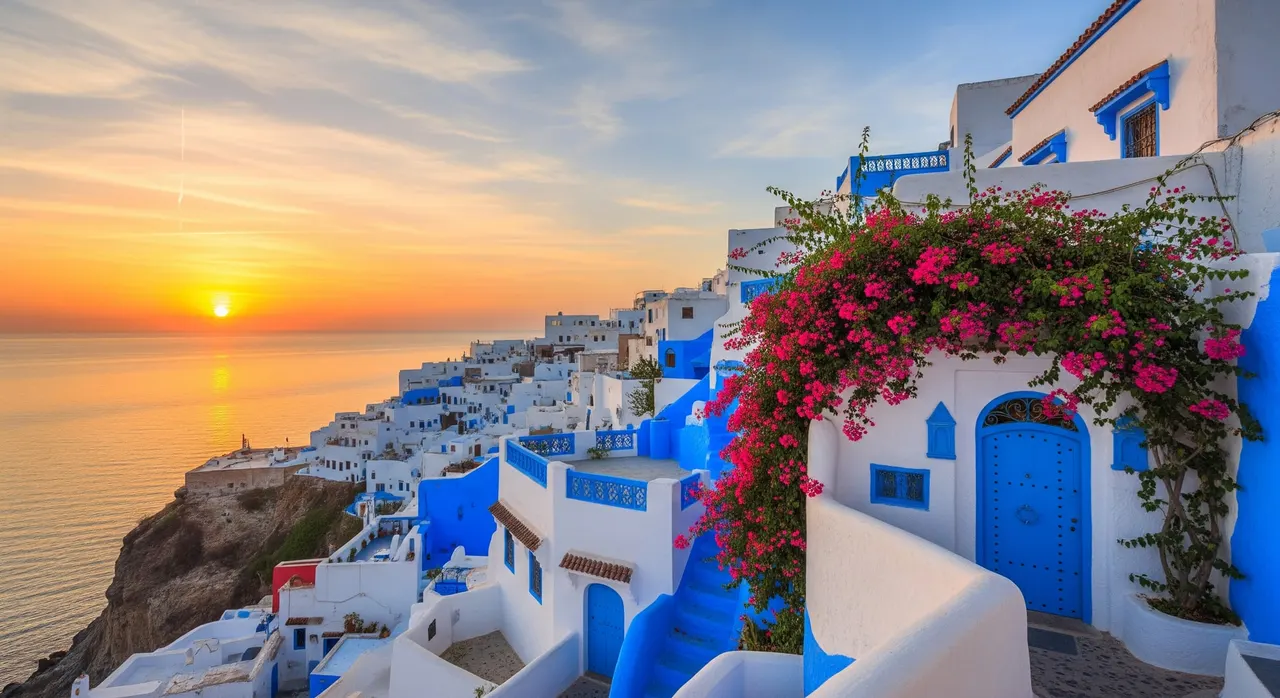
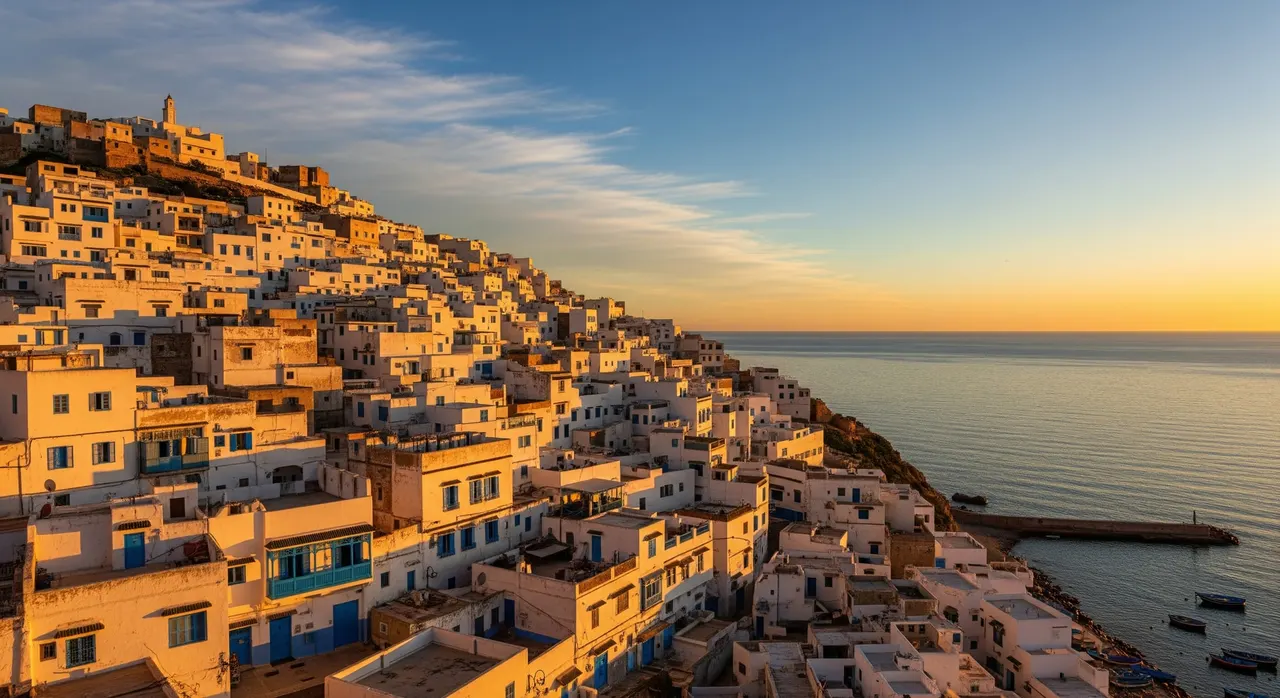
Tunisia — your starting point before relocating to ThailandTunisia
From Tunisia to Thailand

Make the move from Tunisia

Trade Tunisia for up to five years in Thailand on the DTV. We prepare and submit your entire application from wherever you are — proof of funds, category evidence and passport — so you can focus on the move, not the paperwork.

Check eligibility
Step by step

How Tunisian citizens apply for the DTV

1

Check you qualify

Almost every nationality can apply. Take our free 60-second eligibility checker to confirm your route — remote work, soft power, medical or family.

2

We prepare everything

We assemble and review your documents: proof of 500,000 THB (~$15,000), your category evidence and passport — so nothing gets rejected.

3

We submit for you

You apply from outside Thailand. We file at a Thai embassy or consulate (such as Hanoi, Ho Chi Minh, Jakarta, Vientiane or London) within one business day.

4

Get approved & move

On approval you get the 5-year, multiple-entry DTV — up to 180 days per stay, extendable once. Then make Thailand home.

Questions

DTV FAQ for Tunisian citizens

What exactly is the Destination Thailand Visa (DTV) and how long can Tunisian citizens stay?

The DTV is a 5-year multiple-entry visa that lets you enter Thailand as often as you like. Each entry grants a stay of up to 180 days, which can be extended once per entry by a further 180 days at a local immigration office. In practice, this lets you live in Thailand long-term without constant border runs.

Do I need to be in Tunisia to apply, or can I apply from anywhere?

You apply from outside Thailand. Our team prepares and submits the entire application on your behalf, so you do not need to be in Tunisia specifically — you can be anywhere in the world, as long as you are outside Thai borders at the time of application.

How much does the DTV service cost for Tunisian applicants?

Our service fee starts from $139 and covers document preparation, checks and submission. If you add the optional Denial Protection, you receive a 100% refund in the unlikely event your application is denied.

Is the cost of living in Thailand really cheaper than in Tunisia?

For most people, yes. A typical monthly budget in a popular expat city like Chiang Mai is $800–$1,200, covering a modern apartment, coworking, food and transport. A comparable lifestyle in Tunis usually costs 30–50% more. Street food in Thailand can be as little as $1.50 a meal, and long-term rent is generally cheaper than in coastal Tunisian cities.

How long is the flight from Tunis to Bangkok, and what is the time difference?

With one stop in Istanbul or Dubai, total travel time from Tunis-Carthage to Bangkok is roughly 12–16 hours. Thailand is UTC+7 and Tunisia stays on UTC+1 all year, so Thailand is a constant 6 hours ahead — a very workable gap for serving European or African clients.

Do I need to translate my Tunisian documents for the DTV application?

Any official document originally in Arabic — bank statements, proof of funds or government certificates — should be accompanied by a certified English or Thai translation. Many Tunisian banks issue statements in English or French on request, which can save you translation time and cost.

Is there a Tunisian community in Thailand?

Yes. The Tunisian community is small but warm and active. You will find fellow Tunisians in Bangkok, Chiang Mai and Phuket, often connecting through social media groups and meeting for national holidays and Ramadan. It is a supportive network that makes the move feel like a home away from home.

Can I work remotely for my Tunisian employer or freelance clients while on the DTV?

Yes. The DTV is purpose-built for remote work. You can legally work for a company or clients based in Tunisia or anywhere else, as long as your work is not for a Thai employer or Thai clients.

What proof of funds do I need to show for the DTV as a Tunisian citizen?

You need to show proof of 500,000 THB (approximately $15,000) in personal funds, typically via bank statements. Tunisian statements in Arabic should be accompanied by a certified English or Thai translation; statements already issued in English or French are usually accepted as-is.

Is Thailand safe and welcoming for Tunisian Muslims?

Thailand is safe and tolerant. Many Tunisians settle in areas with well-established Muslim communities, such as parts of Bangkok (Ramkhamhaeng), Chiang Mai and Phuket. Halal food is easy to find, mosques are present in all major cities, and the overall atmosphere is respectful and welcoming.

Ready to move to Thailand from Tunisia?

Check your eligibility in under a minute, or let our team prepare and submit everything — with a 100% refund if your application is denied (with the optional paid Denial Protection add-on).