Skip to content
Oceania

DTV Visa for Tongan Citizens
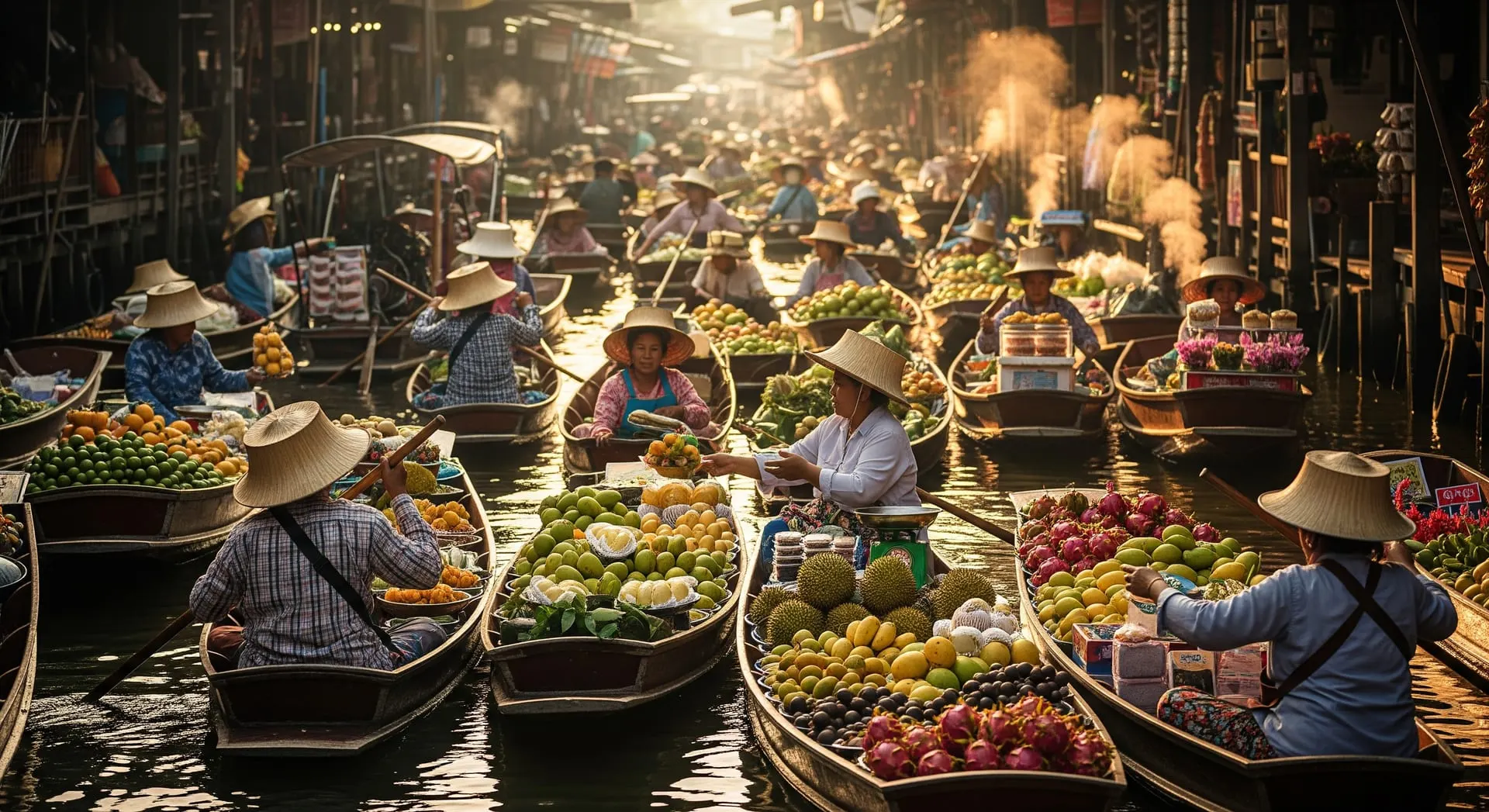
For Tongan citizens dreaming of a vibrant overseas base, Thailand is fast becoming the destination of choice. The Destination Thailand Visa (DTV) opens a five-year door to working remotely, exploring bustling cities and serene islands, and enjoying a dramatically lower cost of living — without giving up the tropical lifestyle you grew up with. Imagine swapping long, costly trips to Auckland or Sydney for short weekend getaways across Southeast Asia, all while your career runs smoothly from a beachside café in Phuket or a polished co-working space in Bangkok.

Every Tongan citizen is eligible to apply

5

Years validity

180

Days per entry

500k

THB proof of funds

$139

Service fee from

100%

Refund if denied*

Why Tongan citizens choose Thailand

Living in Thailand from Tonga

Section 01

Why Tongan Citizens Are Packing Their Bags for Thailand

Tonga's laid-back island rhythm is hard to beat, but a growing number of Tongans are drawn to Thailand for its mix of affordability, modern amenities and career flexibility. Where the Kingdom of Tonga offers a close-knit Pacific community spread across 170-odd islands, Thailand layers on a dynamic blend of cultures, world-class private healthcare at a fraction of Auckland or Sydney prices, and a digital-nomad infrastructure that is genuinely world-leading. The warm tropical climate feels like home, yet your horizon for food, entertainment and onward travel expands enormously. For remote workers, freelancers and entrepreneurs who want a change of scenery without burning through savings, Thailand is the logical next move.

Tonga vs Thailand: Liquid Sunshine

Both nations bask in tropical warmth, but Thailand's climate is more varied — from the cooler highlands around Chiang Mai to the near-perpetual summer of Phuket and Krabi. Tonga sits squarely in the South Pacific cyclone belt from roughly November to April; Thailand's main weather worry is the green-season monsoon, and the DTV's multiple entries make it easy to relocate within the country to suit the season.

Section 02

Cost of Living: Nukuʻalofa vs Bangkok & Beyond

If you have ever tallied up monthly bills in Tonga, the savings in Thailand can be startling. Rent is the clearest example: a comfortable one-bedroom in central Nukuʻalofa often costs several hundred Paʻanga more per month than a sleek Bangkok studio on a Skytrain line. Eating out is another game-changer — a plate of pad thai from a street stall runs around 50 THB, while a comparable meal at home leaves a far bigger dent in your wallet. Add cheap public transport, affordable 4G/5G data, and fibre-connected co-working memberships, and you can enjoy a high standard of living for noticeably less than you spend in the Friendly Islands.

  • Rent: A modern condo in a popular Bangkok expat neighbourhood runs roughly 12,000–20,000 THB per month; Chiang Mai is cheaper still, while Nukuʻalofa's limited rental stock tends to cost more for less.
  • Meals: A filling local dish costs 40–60 THB, and a sit-down restaurant dinner with drinks 300–500 THB — Tongan dining out is far more limited and pricier.
  • Co-working: A hot-desk in Chiang Mai starts near 2,500 THB monthly with fast fibre included, a fraction of what comparable connectivity costs in Tonga.
  • Transport: Bangkok's BTS Skytrain, MRT metro and motorcycle taxis keep daily travel quick and cheap — most trips stay under 100 THB.
  • Cash: ATMs are everywhere, though foreign cards typically incur a fixed withdrawal fee of about 220 THB, so larger, less frequent withdrawals save money.
Section 03

Flights & Time Zones: Bridging the South Pacific and Southeast Asia
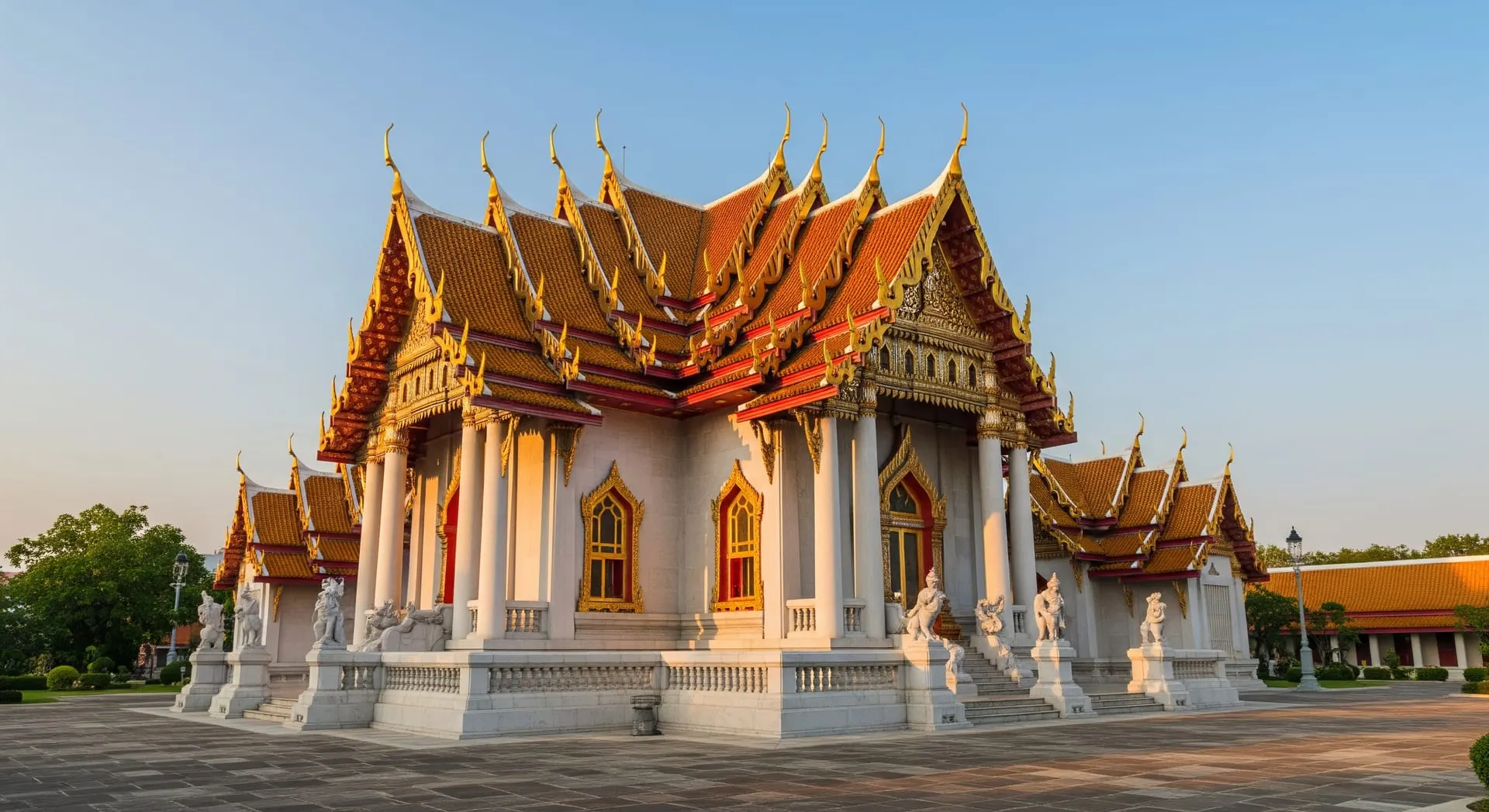
Reaching Thailand from Tonga is not a quick hop, but it is a well-trodden path. From Fuaʻamotu International Airport (TBU) near Nukuʻalofa, you will usually connect through Auckland, Nadi (Fiji) or Sydney before flying on to Bangkok. Air New Zealand and Fiji Airways handle most of the Pacific legs, while Thai Airways flies non-stop between Auckland and Bangkok in around 11–12 hours. Counting layovers, total door-to-door travel time typically lands in the 18–28 hour range. Once you arrive you will be on Indochina Time (UTC+7), a full six hours behind Tonga (UTC+13). For remote workers serving Pacific clients that gap is a quiet superpower: your Thai mornings overlap with Tonga's late afternoon, letting you wrap up the workday and still have your evenings free.

Beat the Lag: Remote Work Routine

If you collaborate with Tongan-based teams, schedule core overlap between roughly 10am–2pm Thailand time (4pm–8pm in Tonga). You handle critical tasks while keeping your mornings free for temple visits, Thai language classes or the gym.

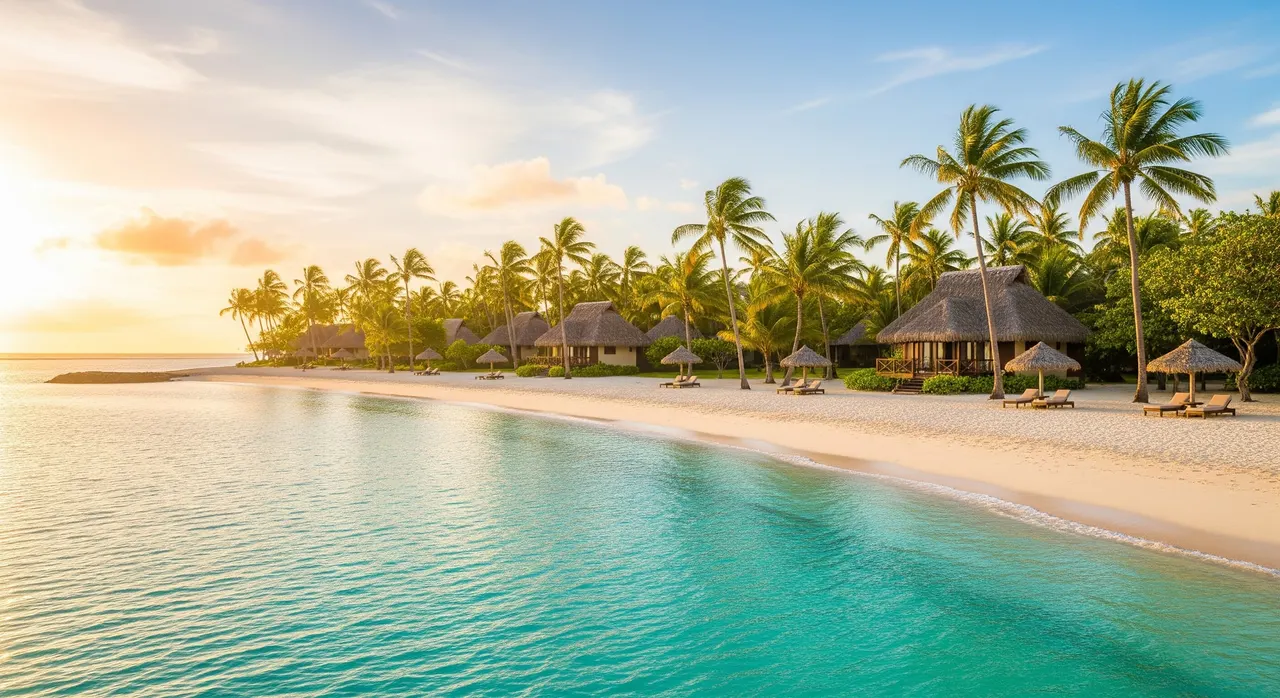
Daily life in Thailand — where Tongan citizens settle on the DTV
Life in Thailand — your home base on the 5-year DTV
Section 04

Where Tongan Nomads Feel at Home in Thailand

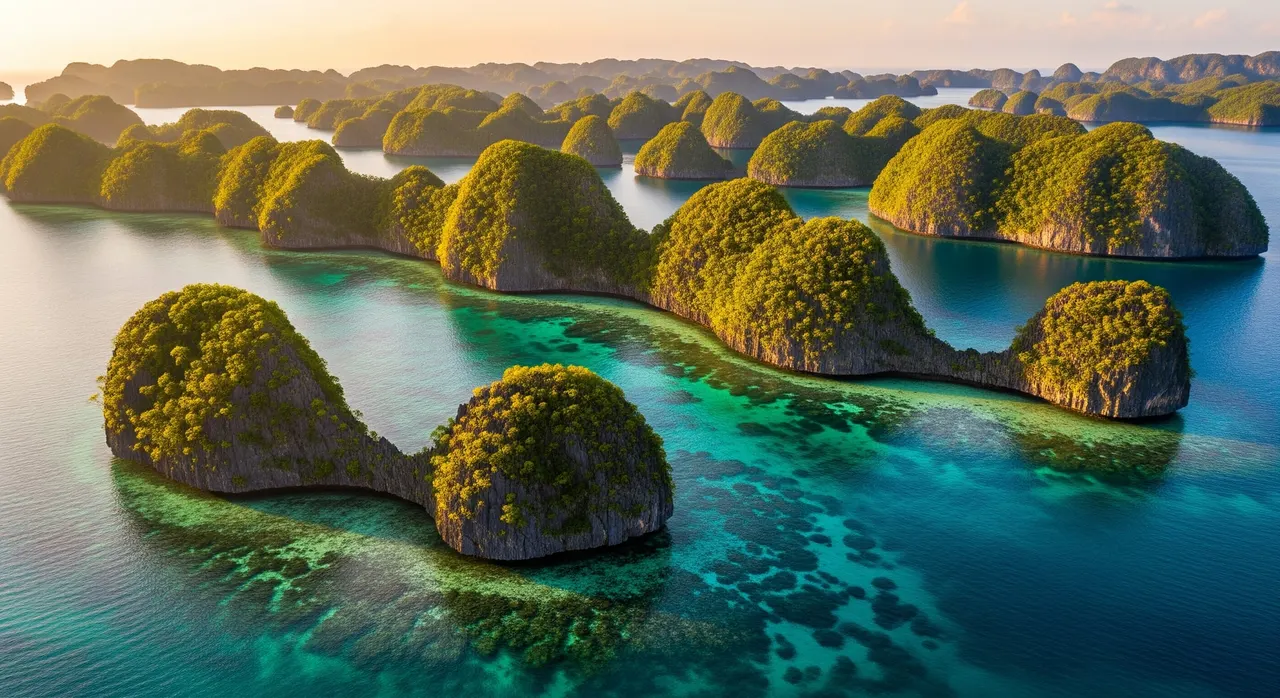
From the urban pulse of Bangkok to the mountainous calm of Chiang Mai and the island charm of Phuket, Thailand has a setting for every lifestyle. Tongans often gravitate toward Bangkok's Sukhumvit corridor for its convenience, transport links and expat energy, or toward Chiang Mai for a slower, community-oriented pace and a thriving digital-nomad scene. If you are missing the ocean, the southern provinces of Phuket and Krabi serve up that familiar sea breeze and reef diving — only here it comes framed by dramatic limestone cliffs and a global food scene.

  • Bangkok: Affordable high-rise condos, 24/7 convenience, top hospitals and the easiest place to meet other Pacific Islanders.
  • Chiang Mai: The lowest cost of living of the major hubs, friendly locals and a cool, dry season ideal for outdoor life.
  • Phuket & Krabi: Tropical weather, water sports and a relaxed coastal pace that echoes Tonga's island soul.
Section 05

Managing Your Money: From Paʻanga to Thai Baht

Moving funds from Tonga to Thailand is straightforward, but the details matter. Tongan banks such as ANZ, BSP and the Bank of South Pacific handle international wires, though fees and exchange margins can quietly eat into your capital. Many expats route money through multi-currency services like Wise or OFX to convert Paʻanga (TOP) to Thai baht (THB) at sharper rates. Once you land, ATMs are plentiful but cash still rules at street stalls and fresh markets. After your visa is sorted, it is worth opening a Thai bank account so you can hold baht locally and tap into the country's slick mobile-payment apps.

Smart Transfers from Tonga

Before you fly out, set up a multi-currency account or register with a reputable transfer service so you can lock in favourable rates and dodge hidden intermediary-bank fees — useful when you assemble the 500,000 THB (~$15,000) in personal funds the DTV asks you to show.

Section 06

Your Documents: Smooth Sailing for Tongan Applicants

Here is some good news: because English is one of Tonga's official languages, the great majority of your bank statements, employment letters and government records are already issued in English. The Destination Thailand Visa asks for supporting documents in English or Thai, so you will most likely need no translations at all — simply provide clear, current statements or certified copies. That removes a step that applicants from many other countries cannot skip, and it makes assembling your file refreshingly simple.

Tonga's Official Languages

Both Tongan and English are official in the Kingdom of Tonga, and banking and government paperwork is routinely produced in English. In practice this means your proof of funds and other records are already in a language Thai authorities accept, with no certified translation required.

Section 07

Daily Life & Community: Healthcare, Internet and the Tongan Connection

Thailand's private hospitals often rival those in Australia and New Zealand, and costs are a fraction of what you would pay overseas — a real draw for Tongans used to limited specialist care at home. Internet is fast and cheap in cities and co-working spaces, comfortably handling video calls back to the Pacific. For a taste of home, international supermarkets in Bangkok stock familiar Pacific and Western staples, and the small but warm Tongan and broader Pasifika community gathers for kava sessions and Sunday church. Day-to-day safety is high, and the respect and faith woven through Thai culture resonate naturally with Tongan values.

  • Healthcare: World-class private hospitals in Bangkok and Phuket with English-speaking staff; a routine consultation often runs 500–1,000 THB.
  • Connectivity: Widespread 5G in urban areas plus reliable fibre broadband — ideal for remote work and Pacific time-zone calls.
  • Food: Endless Thai street eats alongside Western and Pacific-friendly restaurants, with fresh-produce markets as good as any back home.
  • Safety: Thailand is generally very safe with low violent crime; ordinary big-city caution is enough.
  • Community: Facebook groups such as Tongan and Pasifika expats in Thailand help newcomers find church services, kava nights and practical tips.

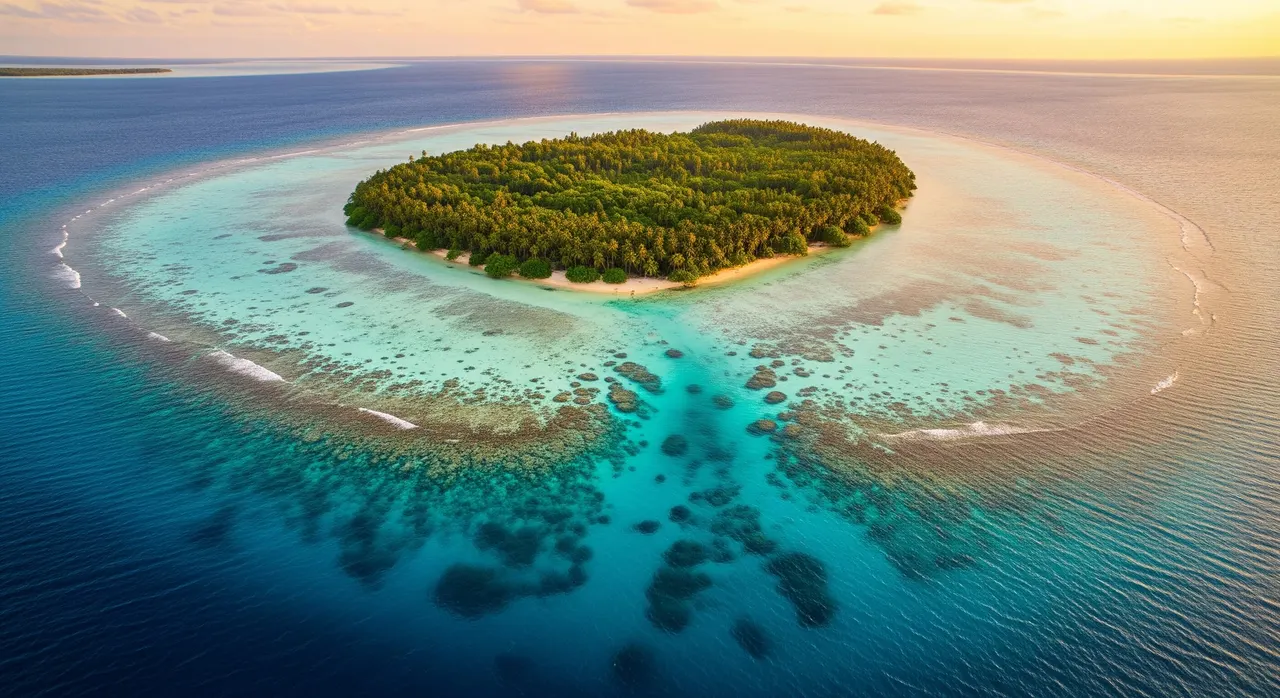
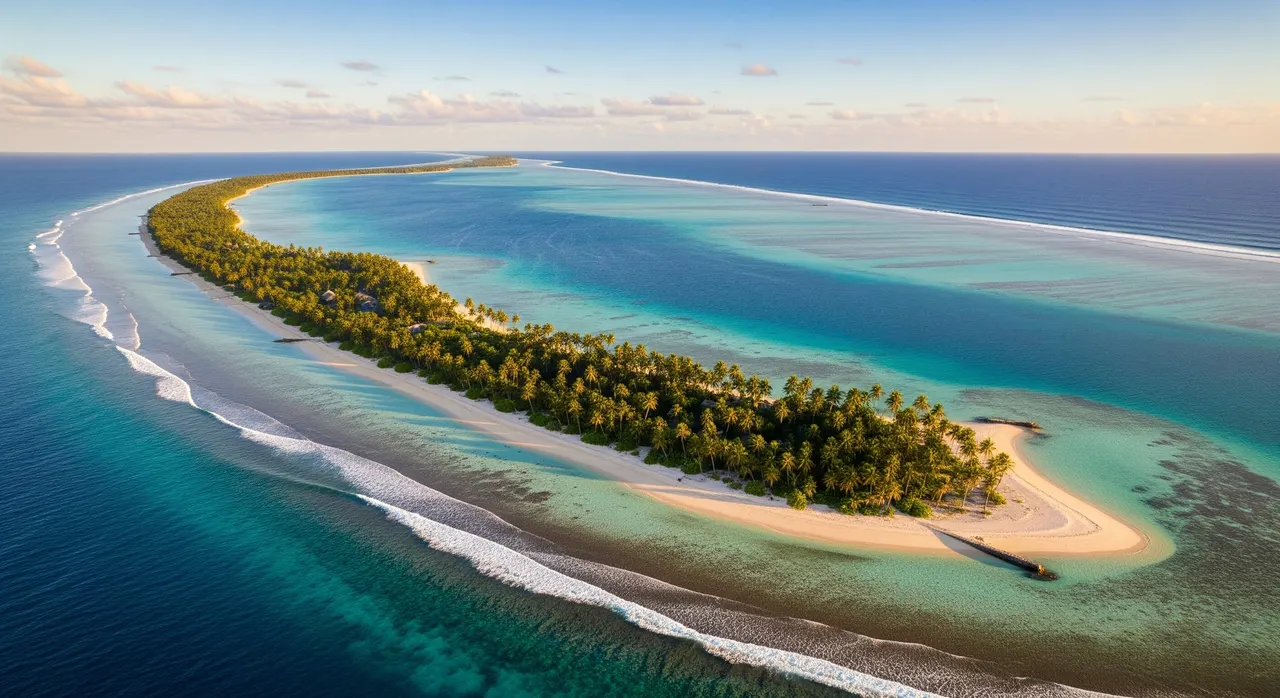
Tonga — your starting point before relocating to ThailandTonga
From Tonga to Thailand

Make the move from Tonga

Trade Tonga for up to five years in Thailand on the DTV. We prepare and submit your entire application from wherever you are — proof of funds, category evidence and passport — so you can focus on the move, not the paperwork.

Check eligibility
Step by step

How Tongan citizens apply for the DTV

1

Check you qualify

Almost every nationality can apply. Take our free 60-second eligibility checker to confirm your route — remote work, soft power, medical or family.

2

We prepare everything

We assemble and review your documents: proof of 500,000 THB (~$15,000), your category evidence and passport — so nothing gets rejected.

3

We submit for you

You apply from outside Thailand. We file at a Thai embassy or consulate (such as Hanoi, Ho Chi Minh, Jakarta, Vientiane or London) within one business day.

4

Get approved & move

On approval you get the 5-year, multiple-entry DTV — up to 180 days per stay, extendable once. Then make Thailand home.

Questions

DTV FAQ for Tongan citizens

How long is the Destination Thailand Visa valid for Tongan citizens?

The DTV grants a five-year multiple-entry stay, letting Tongan passport holders enter and exit Thailand as often as they like. Each entry allows a stay of up to 180 days, and you can extend that once per entry for a further 180 days at a local immigration office.

Do I need to prove funds in Tongan Paʻanga or Thai Baht?

You need to show proof of 500,000 THB (~$15,000) in personal funds. The money can sit in any currency, so a Tongan bank statement showing the equivalent in Paʻanga (or another major currency) is perfectly acceptable.

Can I apply for the DTV while I'm already in Thailand on a tourist visa?

No — the DTV application must be submitted from outside Thailand. Our team prepares and submits everything on your behalf while you remain overseas, and you travel to Thailand once the visa is approved.

How long does the flight from Tonga to Thailand take, and which route is best?

Routes from Fuaʻamotu (TBU) to Bangkok (BKK) involve one or two connections, usually through Auckland, Nadi or Sydney. Total travel time is typically 18–28 hours. Many Tongans fly via Auckland, where Thai Airways offers a non-stop service to Bangkok of around 11–12 hours.

I work remotely for a Tongan company. How does the time difference affect me?

Thailand is six hours behind Tonga (UTC+7 versus UTC+13). So when it is 9am in Thailand, it is 3pm in Tonga — a comfortable overlap for morning video calls and team updates. Many remote workers find the shift lets them finish early and enjoy their Thai afternoons.

Are there any Tongan communities or churches in Thailand?

Yes. There is a small but active Tongan and wider Pasifika expat community in Bangkok, with informal kava nights and gatherings. Several Christian denominations popular among Tongans hold English-language services around the city, so it is easy to stay connected to your faith and culture.

What does your DTV service include, and what is the cost?

Our service starts from $139 and covers full preparation and submission of your DTV application, including document checks, guidance and follow-up. For extra peace of mind you can add the optional Denial Protection add-on, which guarantees a 100% refund of our service fee if your visa is not approved.

Will I need to translate my Tongan documents for the visa?

Almost certainly not. Because English is an official language of Tonga, bank statements and government documents are routinely issued in English. As long as your paperwork is in English or Thai, Thai authorities accept it without translation.

How does the cost of living in Thailand compare to Tonga?

Everyday expenses are dramatically lower. Rent for a modern Bangkok condo can come in well below comparable housing in Nukuʻalofa, and a tasty street-food meal costs around 50 THB versus limited, pricier options at home. Across food, transport and rent, your money simply goes further.

Can I leave and re-enter Thailand multiple times with the DTV?

Absolutely. The DTV is a multiple-entry visa valid for five years, so you can travel freely — including trips back to Tonga for family events and holidays — without jeopardising your visa status.

Ready to move to Thailand from Tonga?

Check your eligibility in under a minute, or let our team prepare and submit everything — with a 100% refund if your application is denied (with the optional paid Denial Protection add-on).