Skip to content
Africa

DTV Visa for Tanzanian Citizens

Karibu! For ambitious Tanzanian professionals, digital nomads and remote workers, Thailand is no longer a far-off dream — it is an attainable, sun-soaked reality. The Destination Thailand Visa (DTV) opens the door to five years of tropical living, modern infrastructure and a cost of living that makes your shillings stretch dramatically further. Whether you are escaping the traffic of Dar es Salaam, leaving the campus life of Dodoma, or seeking a fresh chapter from Zanzibar, this guide shows exactly how Tanzanian citizens can build a vibrant new life in the Land of Smiles.

Every Tanzanian citizen is eligible to apply

5

Years validity

180

Days per entry

500k

THB proof of funds

$139

Service fee from

100%

Refund if denied*

Why Tanzanian citizens choose Thailand

Living in Thailand from Tanzania

Section 01

Why Tanzanian Citizens Are Moving to Thailand

More and more Tanzanians are swapping the familiar rhythm of East Africa for the dynamic energy of Southeast Asia. The appeal is immediate: Thailand offers a compelling blend of tropical climate, modern conveniences and deep-rooted culture that feels both exotic and welcoming. Like Tanzania's coast, Thailand sits on the warm Indian Ocean rim and shares that easy tropical pace — but its infrastructure, from fast fibre internet to the air-conditioned BTS Skytrain, is a clear lifestyle upgrade over what most are used to back home.

Beyond the practical, there is a sense of liberation. Thailand is famously safe, foreigner-friendly and built for long-term stays. Remote workers from Tanzania find they can keep their careers and clients while enjoying a far lower cost of living, some of the best street food on earth, and an aviation hub that puts the rest of Asia within a short weekend hop. It is not an escape — it is an upgrade.

  • Year-round tropical warmth with a genuinely cool, dry season up north (November–February) — a pleasant change from Dar es Salaam's coastal humidity.
  • Infrastructure that outperforms: reliable mains electricity with few cuts, widespread 5G, and modern hospitals with English-speaking staff.
  • One of the lowest costs of living among major digital-nomad destinations, so your earnings go further than in Dar, Arusha or Dodoma.
  • An unbeatable food scene, from fiery green curry and som tam to global cuisine, much of it at street-food prices.
  • A strategic Asian hub: cheap flights to Vietnam, Bali, Singapore and beyond for a quick getaway or border trip.
Section 02

Cost of Living: Tanzania vs Thailand

The financial case is the most persuasive of all. Even in Thailand's priciest city, Bangkok, a comfortable lifestyle typically costs less than the equivalent standard in upscale Dar es Salaam. A modern one-bedroom apartment in a central Bangkok district often starts around 12,000–18,000 THB a month, while a comparable place in Masaki or Oysterbay can run noticeably higher in US-dollar terms. In Chiang Mai, the digital-nomad capital, a spacious studio can be found for roughly 8,000–10,000 THB.

Everyday spending tells the same story. A freshly cooked Thai meal from a street vendor usually costs 50–80 THB — far less than a sit-down lunch in central Dar. A coworking desk in Chiang Mai or Bangkok, with fast internet and a ready-made community, runs about 3,000–5,000 THB a month. Transport is a bargain too: a single BTS Skytrain ride starts around 17 THB, and metered taxis or app rides across town are cheap by any global standard. Many Tanzanians find they simply have more left over each month after relocating.

Your Shilling Stretches Further

A single professional who needs a fairly generous budget in central Dar es Salaam can often live very comfortably in Chiang Mai on 30,000–40,000 THB a month — rent, meals out, coworking and weekend trips included. That gap is money you can put toward travel, savings, or sending support back home.

Section 03

Getting to Thailand from Tanzania

The journey from Tanzania to Thailand is surprisingly straightforward. Most travellers depart from Julius Nyerere International Airport (DAR) in Dar es Salaam or Abeid Amani Karume International Airport (ZNZ) on Zanzibar, connecting through a Gulf or Horn-of-Africa hub such as Doha, Dubai, Addis Ababa or Nairobi. There are no direct flights, so reckon on a total door-to-door journey of roughly 14 to 18 hours including the layover. You will land at Bangkok's Suvarnabhumi Airport (BKK), the main long-haul gateway.

Time-wise, Tanzania runs on East Africa Time (EAT, UTC+3) while Thailand keeps Indochina Time (ICT, UTC+7) — a steady four-hour difference with no daylight-saving shifts. When it is 9am in Dar es Salaam it is 1pm in Bangkok. For remote workers serving Tanzanian or European employers, that overlap is a gift: you can knock out the working day in Thai daytime and still have your clients' afternoon, then keep your evenings free.

Smart Routing Tip

Qatar Airways (via Doha), Emirates (via Dubai) and Ethiopian Airlines (via Addis Ababa) all link Dar es Salaam to Bangkok. Compare a Zanzibar departure too — a Gulf connection from ZNZ is sometimes cheaper, and you start your trip from the islands rather than the mainland traffic.

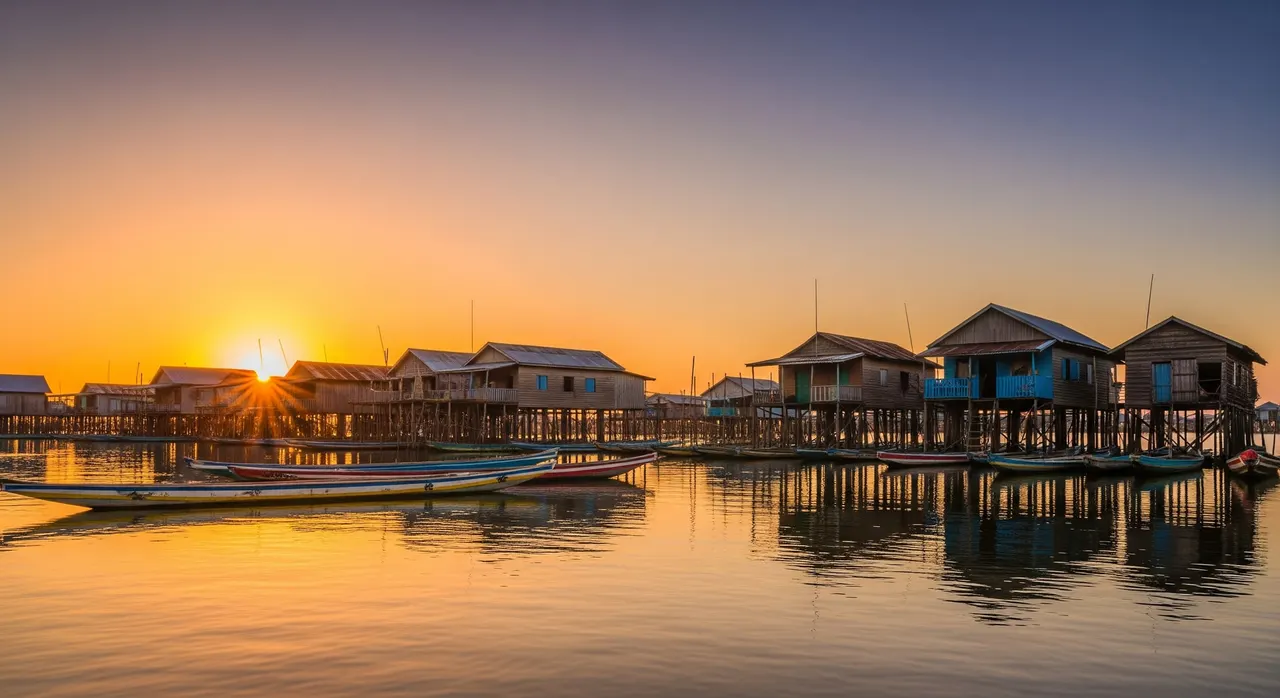
Daily life in Thailand — where Tanzanian citizens settle on the DTV
Life in Thailand — your home base on the 5-year DTV
Section 04

Where Tanzanian Expats Settle in Thailand

Tanzanians in Thailand are still a small but growing group, and you will find pockets of familiarity in all the popular expat hubs. Most newcomers base themselves in one of three places, depending on the lifestyle they are after.

  • Bangkok: The mega-city for urban professionals — endless networking, dining and entertainment, plus the best international flight links. Sukhumvit and Silom are long-standing expat favourites.
  • Chiang Mai: The relaxed northern city beloved by digital nomads. Low rent, a cooler mountain climate and a tight-knit community make it ideal for focused remote work at a slower pace.
  • Phuket & the islands: If you miss Zanzibar's beaches, Phuket, Koh Samui and Krabi will feel like home — with even more amenities. Perfect for anyone who can work with a sea view.
Section 05

Money & Banking from Tanzania

Managing money across continents is easier than ever. The Tanzanian shilling (TZS) is rarely exchanged directly for Thai baht (THB), so the cleanest approach is to hold funds in US dollars or euros and move them with a service like Wise, XE or Remitly . These give you sharper exchange rates than most traditional banks and land funds quickly into a Thai account once you are set up as a long-stay visitor.

Day-to-day spending is effortless. Thailand still loves cash, but QR payments via PromptPay are everywhere, even at market stalls. ATMs are plentiful, though they charge a flat foreign-card fee of about 220 THB per withdrawal, so take out larger amounts less often. It is also worth carrying some US dollars as a backup — you can exchange them at SuperRich or Vasu booths in Bangkok for excellent rates.

Avoid Hidden Currency Fees

When you transfer money, always choose to send in your source currency and let the provider convert to THB at the mid-market rate — never let an intermediary or the receiving bank do the conversion, as their rates are poor. Set up online banking and confirm your international transfer limits with your Tanzanian bank before you leave.

Section 06

Documents & Translation

Tanzania is bilingual: Kiswahili is the national language and English is the second official language , widely used in business, banking and higher education. That works in your favour. Many Tanzanian banks can issue statements directly in English, and most professional and company documents are produced in English already, so the DTV's requirement that supporting paperwork be in English or Thai is often easy to meet.

The one thing to watch is any document issued only in Kiswahili — some bank statements, government certificates or notarised letters come in Swahili by default. Where that happens, arrange a certified English translation before you apply, so every figure and name is clear to the reviewing officer. Make sure your bank statements plainly show your name and balance, and that company letters are properly stamped and signed.

Document Checklist Essentials

A valid Tanzanian passport, proof of personal funds of at least 500,000 THB (~$15,000), and evidence of your remote work or freelance activity (an employment letter, client contracts or business registration). English versions are ideal; certified English translations cover any Kiswahili-only paperwork.

Section 07

Daily Life & Community

Thailand excels at the small things that make daily life pleasant. Healthcare is excellent and remarkably affordable: private hospitals like Bumrungrad and Bangkok Hospital match anything in Europe at a fraction of the price, and many doctors trained abroad. Connectivity is fast and reliable, with 5G and fibre almost everywhere — a real upgrade for anyone used to patchy coverage back home. Food is a daily adventure, from mild khao soi to blistering som tam, and when you crave a taste of home you will find pilau, biryani and grilled meats at halal and African eateries around Bangkok's Nana and Pratunam areas.

Safety is a genuine standout. Violent crime is rare, people are courteous, and many solo travellers — women included — rate Thailand among the safest places they have lived. The Tanzanian community is small but warm, and a quick search on Facebook will connect you with fellow citizens swapping apartment leads, advice and the occasional plate of nyama choma.

Connect with Fellow Tanzanians

Look for 'Tanzanians in Thailand' and broader 'Africans in Bangkok' Facebook groups, where expats from Dar, Arusha and Zanzibar share housing tips, work leads and meet-ups. They are a great way to feel at home before you even land.

Tanzania — your starting point before relocating to ThailandTanzania
From Tanzania to Thailand

Make the move from Tanzania

Trade Tanzania for up to five years in Thailand on the DTV. We prepare and submit your entire application from wherever you are — proof of funds, category evidence and passport — so you can focus on the move, not the paperwork.

Check eligibility
Step by step

How Tanzanian citizens apply for the DTV

1

Check you qualify

Almost every nationality can apply. Take our free 60-second eligibility checker to confirm your route — remote work, soft power, medical or family.

2

We prepare everything

We assemble and review your documents: proof of 500,000 THB (~$15,000), your category evidence and passport — so nothing gets rejected.

3

We submit for you

You apply from outside Thailand. We file at a Thai embassy or consulate (such as Hanoi, Ho Chi Minh, Jakarta, Vientiane or London) within one business day.

4

Get approved & move

On approval you get the 5-year, multiple-entry DTV — up to 180 days per stay, extendable once. Then make Thailand home.

Questions

DTV FAQ for Tanzanian citizens

How long is the DTV valid for Tanzanian citizens?

The Destination Thailand Visa is valid for 5 years from the date of issue. It is a multiple-entry visa, so you can leave and re-enter Thailand as often as you like during that period.

How long can I stay in Thailand on each entry with the DTV?

Each entry allows a stay of up to 180 days. You can then extend that stay once by a further 180 days at a local immigration office, giving you close to a full year per trip if you wish.

Can I work remotely for my Tanzanian employer while living in Thailand?

Yes. The DTV is designed for remote workers, freelancers and digital nomads. You can legally work for a company or clients based in Tanzania, or anywhere outside Thailand, while living in the country.

Do I need to show proof of funds?

Yes. DTV applicants must show proof of at least 500,000 THB (approximately $15,000) in personal funds. This can sit in a Tanzanian or international account, and it is a straightforward part of the application.

Where do I apply for the DTV as a Tanzanian citizen?

You apply from outside Thailand. You do not need to travel to a Thai embassy yourself — our team at DTVThaiVisa.com prepares your full application and submits everything to the appropriate Thai authorities on your behalf. You simply send us your documents.

Will my Tanzanian bank statements need translation for the DTV?

Tanzania has English as an official language, so many banks can issue statements directly in English, which are usually accepted as-is. If your statement or any supporting document is issued only in Kiswahili, arrange a certified English translation before applying.

What is the best flight route from Tanzania to Thailand?

There are no direct flights. The most convenient routes depart Dar es Salaam (DAR) or Zanzibar (ZNZ) and connect through Doha, Dubai, Addis Ababa or Nairobi with airlines like Qatar Airways, Emirates or Ethiopian Airlines. Plan on roughly 14–18 hours door to door, arriving at Bangkok's Suvarnabhumi (BKK).

Is there a Tanzanian community in Thailand?

The Tanzanian community is still small but growing, mainly in Bangkok and Chiang Mai. You can connect through Facebook groups such as 'Tanzanians in Thailand' and wider African expat networks, where members share housing, advice and meet-ups.

What does DTVThaiVisa.com offer?

We provide a complete done-for-you DTV application service. Our experts prepare your entire application package, submit it to the authorities and guide you through every step. Our service starts from $139, and with the optional Denial Protection add-on you receive a 100% refund if your application is denied.

Can my family join me in Thailand on the DTV?

The DTV is issued per person, so each family member applies for their own visa. We can handle several applications at once, so a couple or family can move together smoothly.

What is the Denial Protection add-on?

Denial Protection is an optional extra that guarantees a 100% refund of our service fee if the Thai authorities deny your DTV application. It is a low-risk way to apply with full peace of mind.

Ready to move to Thailand from Tanzania?

Check your eligibility in under a minute, or let our team prepare and submit everything — with a 100% refund if your application is denied (with the optional paid Denial Protection add-on).