Skip to content
Asia

DTV Visa for Taiwanese Citizens

Taiwan has given you a vibrant life of bustling night markets, dramatic mountains, and one of Asia's most dynamic economies, but the high cost of a Taipei apartment and the island's relentless pace can wear on anyone. With the Destination Thailand Visa (DTV), Taiwanese citizens can spend up to five years exploring Thailand, working remotely, and stretching their New Taiwan dollars far further than at home. Whether you are a digital nomad escaping Taipei's rents, a freelancer chasing warmer winters, or a soft-landing retiree, Thailand is barely a three-and-a-half-hour flight away and ready to welcome you.

Every Taiwanese citizen is eligible to apply

5

Years validity

180

Days per entry

500k

THB proof of funds

$139

Service fee from

100%

Refund if denied*

Why Taiwanese citizens choose Thailand

Living in Thailand from Taiwan

Section 01

Why Taiwanese Are Moving to Thailand

Life in Taipei comes with a price tag that quietly squeezes most budgets, and the same is true to a lesser degree in Taichung, Kaohsiung, and Hsinchu. Thailand offers a meaningfully lower cost of living across the board, from rent and street food to transport and healthcare. A one-bedroom condo in central Bangkok typically rents for roughly half what you would pay near Taipei Main Station, and a plate of pad krapow from a street vendor costs less than a coffee at a Taipei chain cafe.

Beyond the numbers, the climate and the culture are a draw. Instead of Taiwan's grey, drizzly winters and typhoon season, you wake to year-round tropical warmth. Thailand's mai pen rai (never mind, no worries) attitude is a genuine contrast to Taiwan's high-pressure work culture, letting you slow down without giving up reliable internet, modern hospitals, or great food.

Time Zone Advantage

Thailand (UTC+7) is just one hour behind Taiwan (UTC+8). Remote work stays effortless: start your day an hour later and you still overlap almost completely with Taipei business hours, with none of the brutal jet lag of nomad hubs in Europe or the Americas.

Section 02

Cost of Living: Thailand vs. Taiwan

For most Taiwanese, the day-to-day savings in Thailand are the headline. Housing is the biggest gap: a furnished one-bedroom condo with a pool and gym in a good Bangkok neighbourhood often rents for far less than a comparable studio near central Taipei, and Chiang Mai is cheaper still. Eating out is where Thailand truly shines, with hot, fresh street-food meals available for a fraction of a Taiwanese restaurant bill, while imported Western groceries cost roughly what they do at a Taiwanese supermarket.

Transport, domestic travel, and leisure all stretch further too. Ride-hailing across the city, a long-distance train, or a domestic flight to the islands rarely dents the budget the way an equivalent outing would in Taiwan, leaving more room for weekend trips and dining out.

  • Rent: a furnished one-bedroom condo in a central Bangkok district commonly runs around 15,000 to 30,000 THB per month; Chiang Mai is often half that.
  • Street food: a filling local meal such as pad krapow or boat noodles is typically 50 to 70 THB.
  • Coffee: a flat white in a trendy cafe is usually 80 to 130 THB.
  • Local transport: an MRT or BTS ride in Bangkok is roughly 20 to 50 THB, and a metered taxi start is about 35 THB.
  • Utilities and fast home internet for a one-bedroom apartment generally total around 2,000 to 3,500 THB per month.
Section 03

Getting to Thailand from Taiwan

Reaching Thailand from Taiwan is genuinely easy. Direct flights from Taiwan Taoyuan International Airport (TPE) to Bangkok's Suvarnabhumi (BKK) and Don Mueang (DMK) take roughly 3.5 to 4 hours. Carriers including EVA Air, China Airlines, Thai Airways, STARLUX, and budget operators such as Tigerair Taiwan run frequent services, so fares stay competitive year-round. Kaohsiung International Airport (KHH) in the south offers direct and seasonal connections to Bangkok as well, handy if you are based in southern Taiwan. There are also direct flights from Taipei to Phuket and Chiang Mai at peak times, so you can fly almost straight to the beach or the mountains. The short hop home means family gatherings, Lunar New Year, and Tomb-Sweeping visits stay well within reach.

Daily life in Thailand — where Taiwanese citizens settle on the DTV
Life in Thailand — your home base on the 5-year DTV
Section 04

Where Taiwanese Settle in Thailand

  • Bangkok: the top choice for professionals and food lovers, with an established Taiwanese and Chinese-speaking community, international schools, and endless amenities. Sukhumvit, Silom, Sathorn, and Ari are perennial favourites.
  • Chiang Mai: beloved by digital nomads for its cooler air, low costs, cafe culture, and dense co-working scene around the Nimmanhaemin (Nimman) area.
  • Phuket: for island life, with beaches, diving, and a relaxed international vibe; Rawai, Laguna, and Cherng Talay draw families and semi-retirees.
  • Pattaya: an easy two-hour drive from Bangkok with a large foreign community, beachfront condos, and a lower cost base than the capital.
Section 05

Money & Banking

The Thai baht (THB) is the local currency, so it helps to think in baht rather than constantly converting from New Taiwan dollars. Thailand is increasingly cashless in the cities thanks to PromptPay QR payments, but cash is still king at street stalls and in smaller towns. Your Taiwanese debit and credit cards work at most ATMs and card terminals, though Thai ATMs charge a fixed foreign-card withdrawal fee of around 220 THB on top of your home bank's fees, so larger, less frequent withdrawals make sense.

For the DTV itself, you do not need a Thai bank account: you simply prove access to your own funds, and your existing Taiwanese accounts are fine for this. Many DTV holders later open a Thai account or rely on multi-currency cards and apps to manage spending once they are settled.

The DTV Financial Requirement

The DTV asks you to show proof of 500,000 THB (~$15,000) in personal funds. This demonstrates you can support yourself in Thailand; it is not a fee and the money stays yours. Our service prepares and submits the full application for you, starting from $139.

Section 06

Documents & Translation

Because Taiwan's official language is Mandarin Chinese, your supporting paperwork (such as bank statements and proof of funds) will likely need a certified English or Thai translation before it is submitted. This is straightforward, but it is the single detail most Taiwanese applicants forget to plan for. The good news is that you apply from outside Thailand and our team handles the preparation and submission end to end, telling you exactly which documents to gather and arranging certified translations where needed, so nothing gets bounced for a formatting or language issue.

Translate Before You Travel

Sort certified English translations of your key financial documents while you are still in Taiwan, where notary and translation services are familiar and quick. Bring clean digital scans of everything, and you will sail through the process without scrambling for paperwork later.

Section 07

Daily Life & Community

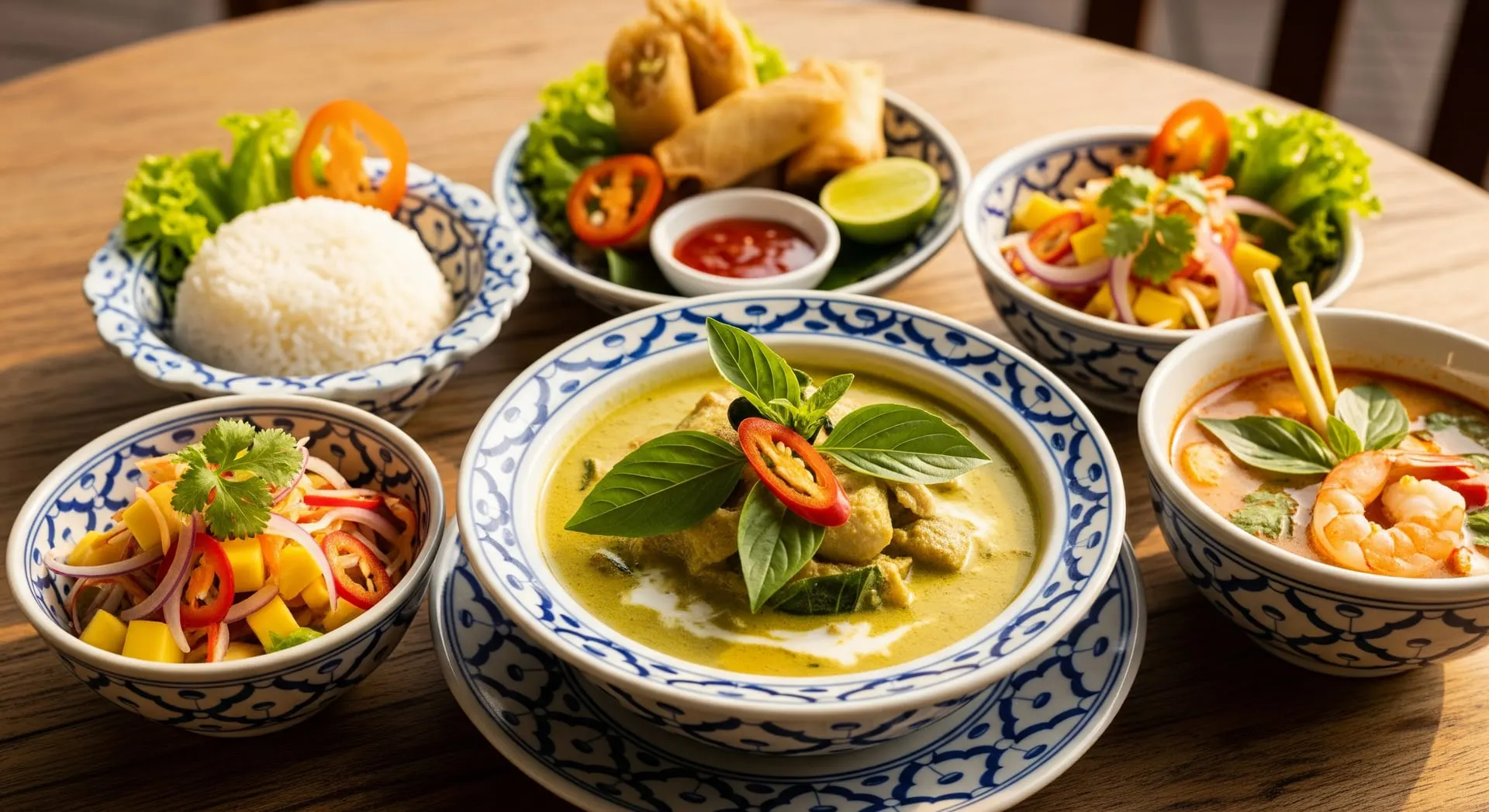
Settling in is smooth for most Taiwanese. Bangkok and Chiang Mai have visible Chinese-speaking communities, and Mandarin will get you surprisingly far in tourist areas, malls, and many restaurants, while basic Thai phrases earn warm smiles. If you have missed home-style food, Bangkok's import stores stock Taiwanese snacks and bubble tea is everywhere, but most newcomers quickly fall for Thai street food, mango sticky rice, and the weekend markets.

Healthcare is a standout: Thailand's private hospitals are modern, affordable, and used to international patients, with English- and sometimes Mandarin-speaking staff. Add fast internet, cheap domestic travel, and an easygoing pace, and it is easy to see why so many Taiwanese remote workers and early retirees end up extending their stay year after year.

Proximity Perk

Lean into the short flight home. Many Taiwanese DTV holders keep strong family ties by visiting for Lunar New Year and major holidays, then return to Thailand for the sunshine, the savings, and the slower rhythm of daily life.

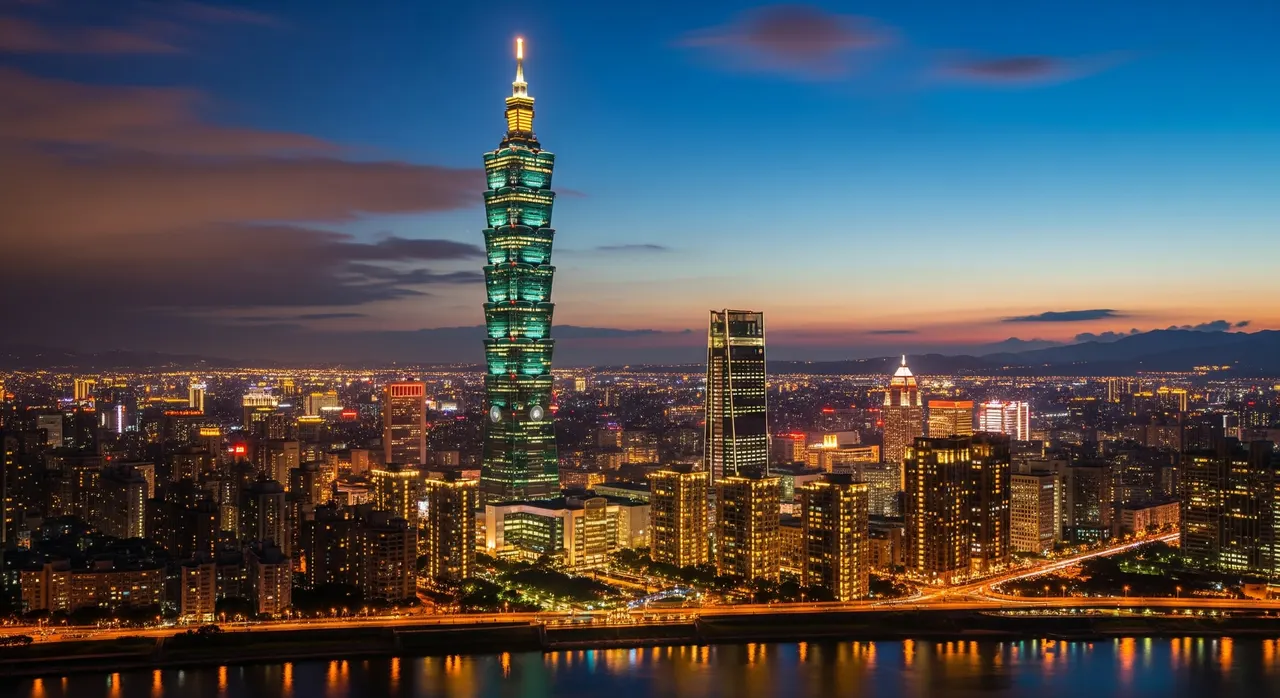
Taiwan — your starting point before relocating to ThailandTaiwan
From Taiwan to Thailand

Make the move from Taiwan

Trade Taiwan for up to five years in Thailand on the DTV. We prepare and submit your entire application from wherever you are — proof of funds, category evidence and passport — so you can focus on the move, not the paperwork.

Check eligibility
Step by step

How Taiwanese citizens apply for the DTV

1

Check you qualify

Almost every nationality can apply. Take our free 60-second eligibility checker to confirm your route — remote work, soft power, medical or family.

2

We prepare everything

We assemble and review your documents: proof of 500,000 THB (~$15,000), your category evidence and passport — so nothing gets rejected.

3

We submit for you

You apply from outside Thailand. We file at a Thai embassy or consulate (such as Hanoi, Ho Chi Minh, Jakarta, Vientiane or London) within one business day.

4

Get approved & move

On approval you get the 5-year, multiple-entry DTV — up to 180 days per stay, extendable once. Then make Thailand home.

Questions

DTV FAQ for Taiwanese citizens

What is the Destination Thailand Visa (DTV)?

The DTV is a 5-year multiple-entry visa that lets you stay in Thailand for up to 180 days per entry, extendable once for a further 180 days. It is designed for remote workers, digital nomads, freelancers, and long-term explorers. You apply from outside Thailand, and we prepare and submit the entire application for you.

Can Taiwanese citizens apply for the DTV?

Yes. The DTV is open to Taiwanese passport holders, and the requirements are the same as for every other nationality. You apply from outside Thailand, for example from Taiwan, and our team handles the preparation and submission from start to finish.

How long is the flight from Taiwan to Thailand?

Direct flights from Taiwan Taoyuan (TPE) to Bangkok take roughly 3.5 to 4 hours, with frequent services on EVA Air, China Airlines, STARLUX, Thai Airways, and budget carriers. Kaohsiung (KHH) also offers direct connections, so weekend trips home are easy whether you live in the north or south of Taiwan.

Is Thailand's cost of living cheaper than Taiwan's?

Yes, clearly. Compared with Taipei, Taichung, Kaohsiung, or Hsinchu, daily expenses in Thailand are noticeably lower. You can rent a modern condo, eat out for nearly every meal, and access high-quality private healthcare for far less than you would pay at home, leaving more of your budget for travel and leisure.

How much money do I need to show for the DTV?

You need to show proof of 500,000 THB (approximately $15,000) in personal funds. This demonstrates you can support yourself during your stay. It is not a fee, and the money remains yours.

Do my Taiwanese documents need to be translated?

Most likely, yes. Because Taiwan's official language is Mandarin Chinese, supporting documents such as bank statements will usually need a certified English or Thai translation before submission. Our team will tell you exactly what is required and help arrange certified translations so nothing is rejected.

Do I need a Thai bank account for the DTV?

No. You prove access to your own funds, and your existing Taiwanese accounts are perfectly acceptable for showing the 500,000 THB requirement. Many DTV holders open a Thai account or use multi-currency cards later, once they are settled in Thailand.

Where do most Taiwanese expats live in Thailand?

Bangkok is the most popular base thanks to its amenities and Chinese-speaking community, followed by Chiang Mai for digital nomads, Phuket for island living, and Pattaya for an affordable beachfront option close to the capital.

How much does the DTV service cost?

Our service starts from $139, and we take care of the entire preparation and submission process on your behalf. The 500,000 THB you must show is your own money to support yourself, not a charge.

What if my DTV application is denied?

With our optional Denial Protection add-on, you receive a 100% refund of our service fee if your application is refused. We manage the whole process for you, from gathering documents to final submission.

Ready to move to Thailand from Taiwan?

Check your eligibility in under a minute, or let our team prepare and submit everything — with a 100% refund if your application is denied (with the optional paid Denial Protection add-on).