Skip to content
Americas

DTV Visa for Surinamese Citizens

For Surinamese citizens dreaming of a vibrant life abroad, Thailand offers an irresistible blend of tropical beauty, deep-rooted culture, and modern convenience. Whether you are a digital nomad in Paramaribo, a freelancer in Nieuw Nickerie, or a family ready for a fresh start, the Destination Thailand Visa (DTV) opens a flexible five-year pathway to the Land of Smiles. With warm weather year-round, a familiar multicultural mix, a cost of living that stretches your money further, and a welcoming international community, it is no wonder more Surinamese are calling Thailand home.

Every Surinamese citizen is eligible to apply

5

Years validity

180

Days per entry

500k

THB proof of funds

$139

Service fee from

100%

Refund if denied*

Why Surinamese citizens choose Thailand

Living in Thailand from Suriname

Section 01

Why Surinamese Citizens Are Moving to Thailand

Suriname's tropical rhythm and rich blend of Creole, Hindustani, Javanese, Maroon, and Indigenous cultures make it special, but many Surinamese are drawn to Thailand's dynamic lifestyle and upgraded infrastructure. The climate will feel familiar — hot, humid, and green — yet Thailand layers on golden temples, world-class beaches, and bustling night markets that feel both exotic and oddly comforting if you grew up around Paramaribo's mix of mosques, mandirs, and synagogues side by side.

The practical upgrade is real: modern private hospitals, reliable high-speed internet, efficient city transport, and a vast spread of affordable international cuisine. For remote professionals, Thailand's mature digital-nomad scene is a genuine draw. The DTV lets you combine remote work with adventure while spending far less than you would for an equivalent standard of living back home.

The DTV at a glance

The Destination Thailand Visa is a 5-year multiple-entry visa. Each entry allows a stay of up to 180 days, extendable once inside Thailand for a further 180 days. You apply from outside Thailand, and our team prepares and submits the entire application for you. Service starts from $139, with an optional Denial Protection add-on that provides a 100% refund if your application is denied.

Section 02

Cost of Living: Suriname vs Thailand

Suriname's economy has seen heavy currency depreciation and stubborn inflation in recent years, which makes imported goods and quality housing expensive in real terms. Thailand often delivers more comfort for less, especially outside the priciest tourist zones. Here is a realistic comparison once you are settled.

  • A modern one-bedroom apartment in central Bangkok rents for roughly 15,000–25,000 THB ($450–$750) per month; in Chiang Mai you can find similar quality for 8,000–15,000 THB ($240–$450).
  • A street-food meal costs just 50–80 THB ($1.50–$2.50), while a mid-range restaurant dinner for two runs about 600–1,200 THB ($18–$36).
  • Coworking spaces with fast, reliable fibre internet average 3,000–5,000 THB ($90–$150) per month, often with unlimited coffee included.
  • Bangkok's BTS Skytrain and MRT metro are clean and efficient; single rides cost 17–62 THB, far cheaper than running a car against Suriname's fuel and import costs.
  • Fresh tropical produce — mango, papaya, coconut, pineapple — is cheap and abundant at local markets, much as it is in Paramaribo's Centrale Markt.
  • Many Surinamese expats report saving a meaningful share of their budget each month while enjoying a noticeably higher standard of living.

Did You Know?

Surinamese favourites like roti, pom, bami, and nasi are easy to recreate in Thailand thanks to abundant fresh produce and a strong Indian-Thai and Indonesian-influenced food scene. Bangkok's Little India (Phahurat) and Indonesian eateries will feel like a taste of home, and Thai curries share more than a little spice-route DNA with Surinamese cooking.

Section 03

Getting to Thailand from Suriname

There are no direct flights between Suriname and Thailand, so plan on at least one or two connections from Johan Adolf Pengel International Airport (PBM) near Paramaribo to Bangkok's Suvarnabhumi Airport (BKK). The most common route is to fly to Amsterdam (Schiphol) — served by KLM and Surinam Airways — and then take a one-stop connection onward to Bangkok through a hub such as Doha, Dubai, Istanbul, or another European city. Other travellers route through the United States via Miami or via a Caribbean hub. Expect a total door-to-door journey of roughly 24–32 hours depending on layovers.

Time zone note: Thailand runs on Indochina Time (UTC+7), which is 10 hours ahead of Suriname (UTC-3). Late morning in Bangkok is the very early hours in Paramaribo, so a practical overlap with Surinamese clients or family falls in Thailand's evening and Suriname's morning. Many remote workers structure their day around that window.

Travel Tip

Book 4–8 weeks ahead and consider a deliberate overnight stop in Amsterdam or your Gulf/European hub. Breaking such a long trip eases jet lag, and routing through Schiphol keeps you on familiar Dutch-speaking ground for the longest leg of the journey.

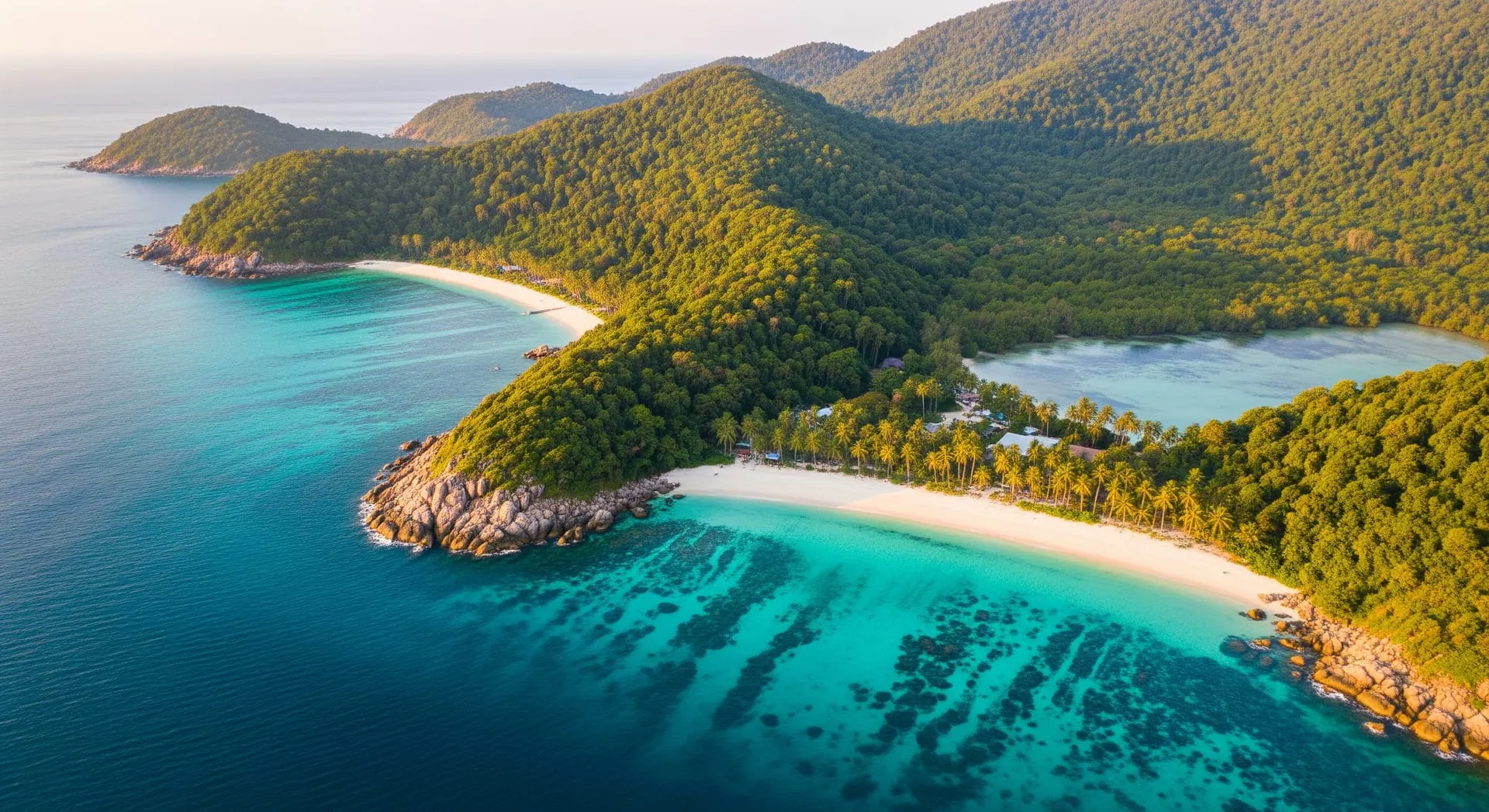
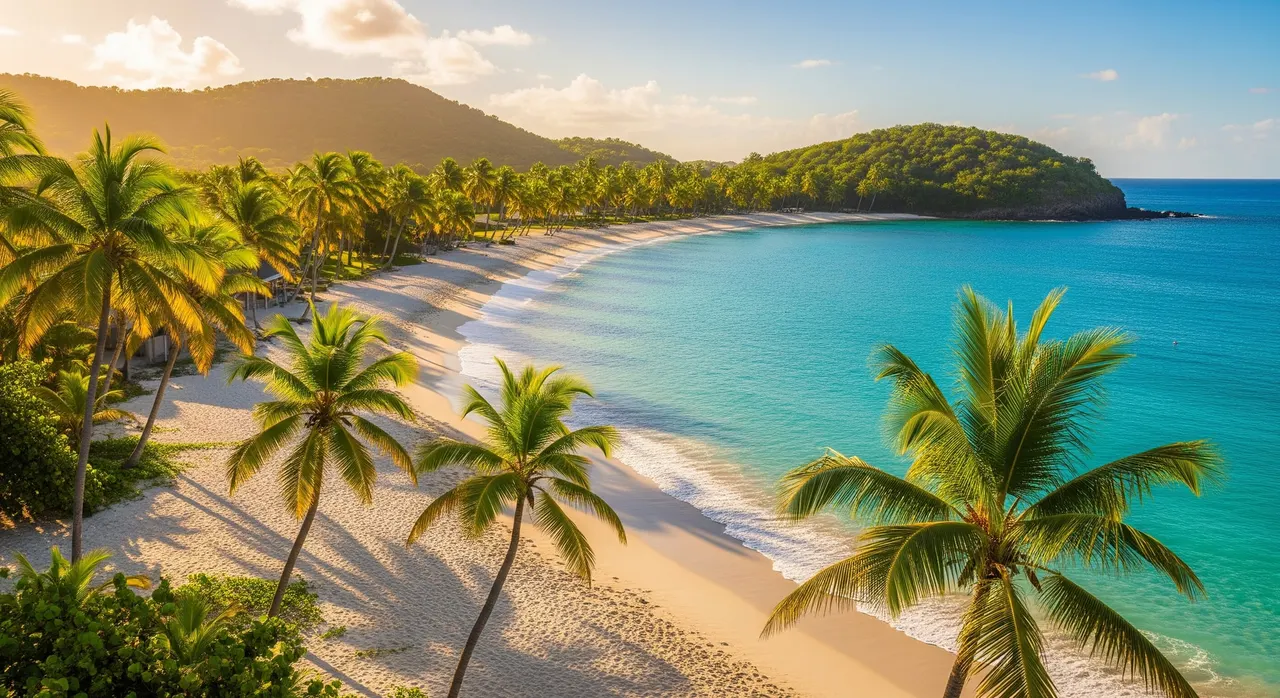
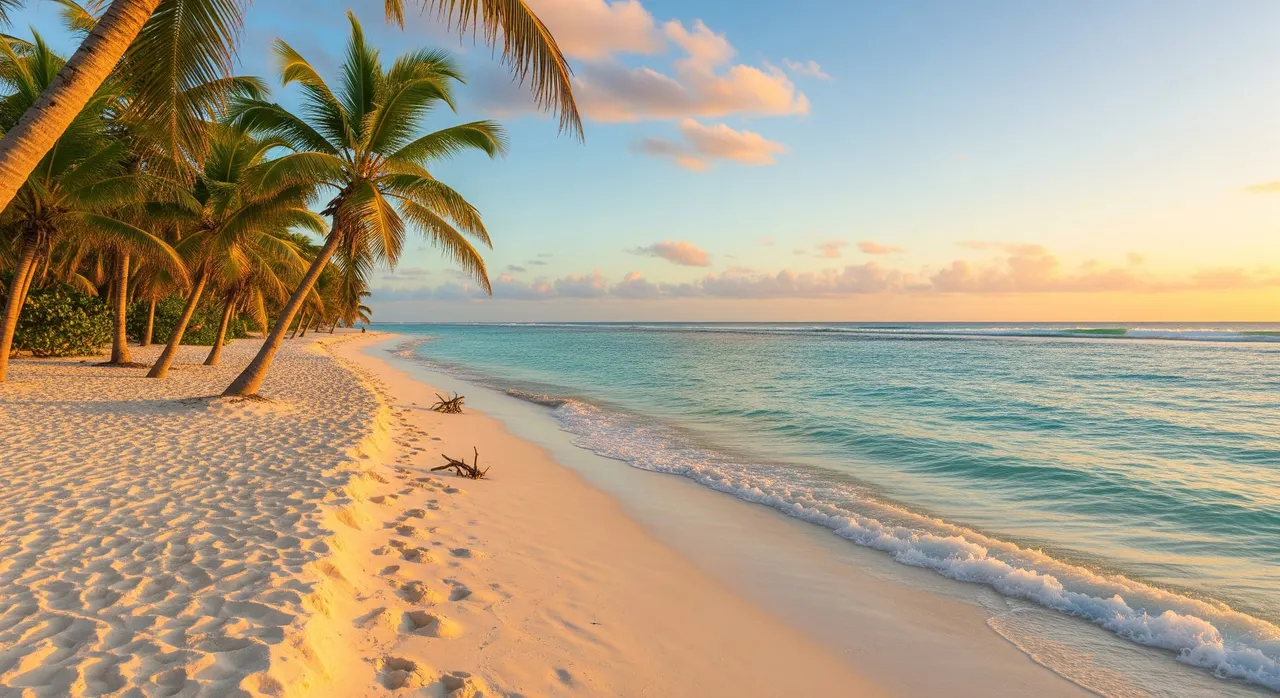
Daily life in Thailand — where Surinamese citizens settle on the DTV
Life in Thailand — your home base on the 5-year DTV
Section 04

Where Surinamese Expats and Nomads Settle in Thailand

The Surinamese community in Thailand is small but growing, and people tend to gravitate toward areas that fit their pace and budget:

  • Bangkok: The capital offers urban energy, the largest international community, and endless networking. Neighbourhoods like Sukhumvit, Sathorn, and Ari are packed with condos and coworking spaces ideal for remote workers.
  • Chiang Mai: A relaxed northern city with low costs, a huge long-stay community, and rich culture. Nimmanhaemin is the nomad heartland, full of cafes and coworking spots.
  • Phuket, Koh Samui & Krabi: Beach lovers settle here for stunning coastlines and water sports. The tropical island life feels reminiscent of Suriname's coast but with far stronger infrastructure.
  • Pattaya & Hua Hin: Coastal towns that mix Thai life with expat comforts at gentler price points than the islands, popular with families and longer-term residents.
Section 05

Money & Banking from Suriname

Managing money across continents is straightforward with a little planning. The Surinamese dollar (SRD) is not traded at most Thai banks, so the practical approach is to hold a stable currency — US dollars or euros — and move funds using a service such as Wise or Revolut, or a traditional SWIFT bank wire, which usually offer better rates than airport exchange counters. ATMs are everywhere in Thailand, but foreign-card cash withdrawals carry a fixed fee of around 220 THB on top of your home bank's charges, so withdraw larger amounts less often.

Once you are settled, you can work toward a Thai bank account with the right documentation, and most locals and businesses use the PromptPay QR system for everyday payments. For the DTV itself, proof of funds can be shown in any major currency — the requirement is the same for every nationality, and we make sure your statements are presented in the format the application expects.

Proof of funds, simplified

The DTV requires proof of 500,000 THB (approximately $15,000) in personal funds. You do not need to hold this in baht or move it to Thailand — recent statements from your Surinamese, Dutch, or international account showing accessible, verifiable funds are what matter. We review your documents before submission so nothing is missed.

Section 06

Documents & Translation: What Surinamese Need to Know

Suriname's official language is Dutch, so most of your supporting paperwork — bank statements, identity documents, and proof of remote work or income — will likely need a certified English (or Thai) translation, since the DTV application is processed in English or Thai. Using a professional translator avoids back-and-forth and keeps your file clean. Our team tells you exactly which documents to gather, arranges translation where needed, and checks every page before it is submitted on your behalf.

Document Tip

Request your bank statements with an official bank stamp or letterhead and, where possible, ask whether your Surinamese bank can issue them in English directly — some can, which saves a translation step. Keep digital scans of your passport, statements, and any work or income proof in one folder so we can move quickly.

Section 07

Daily Life & Community in Thailand

Healthcare is one of Thailand's standout advantages. Private hospitals such as Bumrungrad and Bangkok Hospital deliver internationally accredited care, many doctors trained abroad and speak excellent English, and costs are a fraction of what comparable care runs in Europe. Connectivity is excellent too — fast fibre at home and widespread 5G make remote work seamless from a beach cafe or a city condo.

Safety and warmth are real draws. Thailand has low rates of violent crime, especially in expat-friendly districts, and the famed Thai hospitality makes settling in easier. The Surinamese community is small and tight-knit, often connecting through Dutch-speaking and Caribbean social-media groups, and Suriname's deep Dutch ties mean you will rarely feel far from a familiar language online. Between the food, the climate, and the easygoing pace, most Surinamese newcomers find Thailand feels surprisingly like home — just with more to explore.

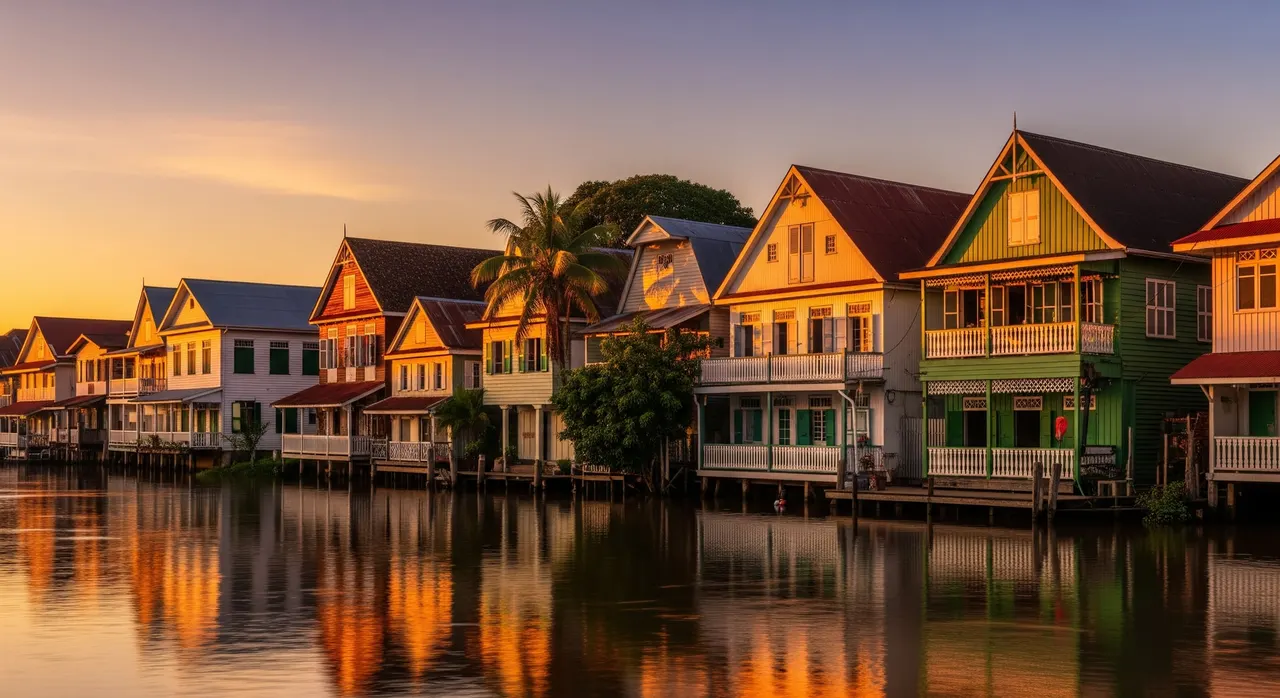
Suriname — your starting point before relocating to ThailandSuriname
From Suriname to Thailand

Make the move from Suriname

Trade Suriname for up to five years in Thailand on the DTV. We prepare and submit your entire application from wherever you are — proof of funds, category evidence and passport — so you can focus on the move, not the paperwork.

Check eligibility
Step by step

How Surinamese citizens apply for the DTV

1

Check you qualify

Almost every nationality can apply. Take our free 60-second eligibility checker to confirm your route — remote work, soft power, medical or family.

2

We prepare everything

We assemble and review your documents: proof of 500,000 THB (~$15,000), your category evidence and passport — so nothing gets rejected.

3

We submit for you

You apply from outside Thailand. We file at a Thai embassy or consulate (such as Hanoi, Ho Chi Minh, Jakarta, Vientiane or London) within one business day.

4

Get approved & move

On approval you get the 5-year, multiple-entry DTV — up to 180 days per stay, extendable once. Then make Thailand home.

Questions

DTV FAQ for Surinamese citizens

What is the Destination Thailand Visa (DTV) for Surinamese citizens?

The DTV is a 5-year multiple-entry visa that lets Surinamese citizens live in Thailand, work remotely, and travel freely in and out. Each entry permits a stay of up to 180 days, which can be extended once inside Thailand for an additional 180 days.

How much money do I need to prove as a Surinamese applicant?

You must show proof of 500,000 THB (approximately $15,000) in personal funds, typically through recent bank statements. This requirement is the same for every nationality, and we help you present your Surinamese or international financial documents correctly.

Can I apply for the DTV from inside Thailand?

No, you must apply from outside Thailand. Our service handles everything remotely — we prepare your documents, submit the application on your behalf, and guide you through each step from Suriname or wherever you happen to be.

How long is the flight from Paramaribo to Bangkok, and is the time difference hard for remote work?

There are no direct flights; expect roughly 24–32 hours with layovers, usually routing through Amsterdam and a Gulf or European hub. Thailand is 10 hours ahead of Suriname (UTC+7 vs UTC-3), so a workable overlap with Surinamese contacts falls in Thailand's evening and Suriname's morning. Many remote workers plan their key calls around that window.

Do I need to translate my Surinamese documents for the DTV?

Most likely yes. Because Suriname's official language is Dutch, bank statements and other supporting documents generally need a certified English (or Thai) translation, since the application is processed in English or Thai. We tell you what is required and arrange translation where needed.

Are there Surinamese communities in Thailand?

The Surinamese community is small but growing, concentrated in Bangkok and Chiang Mai. Most connecting happens through Dutch-speaking and Caribbean social-media groups and occasional meetups. Dedicated Surinamese restaurants are rare, but the strong Indian, Indonesian, and Thai food scenes offer flavours that will feel familiar.

How does Thailand's cost of living compare to Suriname?

Most everyday categories — rent, dining out, transport, and entertainment — tend to cost noticeably less in Thailand than equivalent quality in Paramaribo, especially given Suriname's currency pressures and high import costs. Many expats find their money goes meaningfully further while their standard of living rises.

Can I open a Thai bank account as a Surinamese DTV holder?

It is possible once you are settled and have the right documentation, though requirements vary by branch. In the meantime, services like Wise or Revolut let you transfer and spend easily, and the PromptPay QR system is used almost everywhere for daily payments.

What happens if my visa application is denied?

With our optional Denial Protection add-on, you receive a 100% refund if your DTV application is denied. Our team prepares your file carefully to give it the strongest possible chance from the start.

What does your service cost and what is included?

Our preparation and submission service starts from $139. It covers document review, guidance on translation where needed, and full support throughout the process, so you never have to visit an embassy in person or navigate the paperwork alone.

Ready to move to Thailand from Suriname?

Check your eligibility in under a minute, or let our team prepare and submit everything — with a 100% refund if your application is denied (with the optional paid Denial Protection add-on).