Skip to content
Africa

DTV Visa for Sudanese Citizens
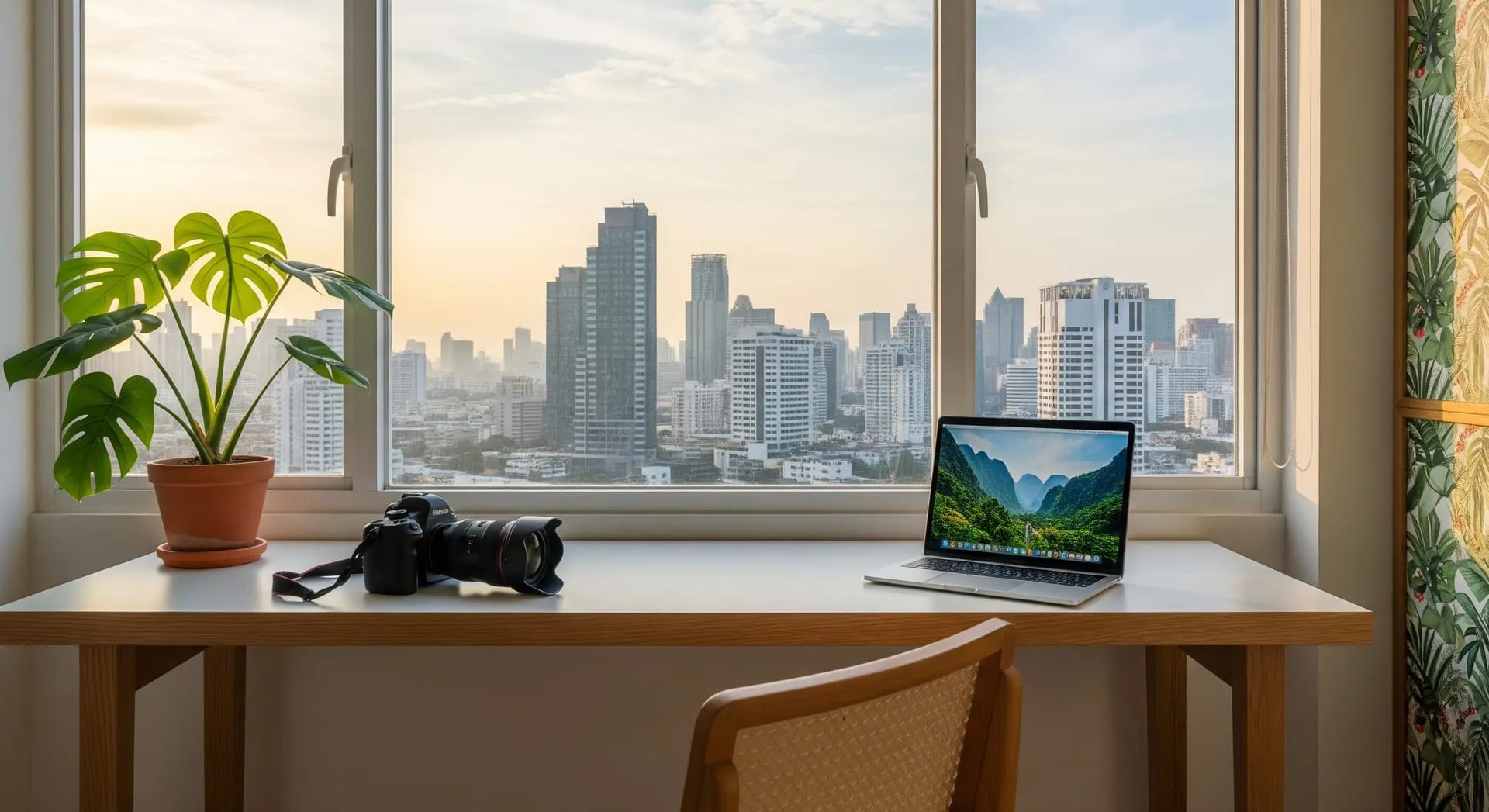
For many Sudanese citizens , building a stable life abroad has become a pressing goal amid years of conflict, currency volatility, and a soaring cost of living at home. Thailand offers a compelling alternative: a safe, affordable, and welcoming base with excellent infrastructure and a thriving international community. The Destination Thailand Visa (DTV) makes the move realistic, giving you a long-term, flexible way to live, work remotely, and settle in the Land of Smiles for up to five years.

Every Sudanese citizen is eligible to apply

5

Years validity

180

Days per entry

500k

THB proof of funds

$139

Service fee from

100%

Refund if denied*

Why Sudanese citizens choose Thailand

Living in Thailand from Sudan

Section 01

Why Sudanese Are Choosing Thailand

Sudan has faced extraordinary upheaval, with conflict displacing millions and the Sudanese pound losing much of its value against the US dollar. For Sudanese professionals who can earn online or who hold savings abroad, the priority is stability, safety, and a predictable place to rebuild. Thailand delivers all three: a peaceful environment, dependable utilities, fast internet, and a modern healthcare system, all at a fraction of what comparable safety and comfort would cost in the Gulf or Europe.

From the energy of Bangkok to the calm of Chiang Mai and the beaches of the south, Sudanese remote workers, entrepreneurs, and families are establishing new routines. The country's digital-nomad ecosystem, co-working spaces, networking meetups, and strong English-language services in the cities make settling in far smoother than most newcomers expect.

DTV at a Glance

The Destination Thailand Visa is a 5-year, multiple-entry visa. Each entry allows a stay of up to 180 days, extendable once for a further 180 days. You must show proof of 500,000 THB (~$15,000) in personal funds. You apply from outside Thailand, and our team prepares and submits the entire application for you, with service from $139.

Section 02

Cost of Living: Thailand vs Sudan

Comparing prices is complicated by Sudan's high inflation and the gap between official and market exchange rates, but the practical picture is clear: in Thailand, the same US-dollar budget buys dramatically more security and comfort. A modern, furnished one-bedroom apartment in Chiang Mai typically rents for 9,000-15,000 THB ($260-430) per month, while in central Bangkok expect 15,000-30,000 THB ($430-860). Reliable electricity, water, and high-speed fibre internet are inexpensive and, crucially, consistent, something that cannot be taken for granted in Khartoum.

Day-to-day spending is gentle on the wallet. A filling Thai meal at a local restaurant costs 50-80 THB, a coffee in a nice cafe 60-90 THB, and a month of unlimited mobile data runs around 300-400 THB. Many single Sudanese expats live comfortably on $900-1,300 a month, while couples and small families find $1,500-2,200 covers a high standard of living including private healthcare.

  • Furnished 1-bed apartment, Chiang Mai: ~9,000-15,000 THB/month ($260-430)
  • Furnished 1-bed apartment, central Bangkok: ~15,000-30,000 THB/month ($430-860)
  • Local restaurant meal: ~50-80 THB; mid-range cafe coffee: ~60-90 THB
  • Monthly mobile data plan: ~300-400 THB
  • ATM cash withdrawal fee for foreign cards: ~220 THB per transaction
Section 03

Getting to Thailand from Sudan

There are no direct flights between Sudan and Thailand, so journeys to Bangkok (BKK) involve at least one connection. The most common routings go through Gulf hubs such as Dubai, Doha, or Abu Dhabi, or via Addis Ababa or Cairo. Total travel time, including the layover, usually runs from about 13 to 18 hours depending on the connection. With the disruption to Khartoum International Airport (KRT), many travellers currently depart from Port Sudan or route through a neighbouring country first, so build in extra flexibility when planning.

The time difference is convenient for remote work. Sudan (UTC+2) is 5 hours behind Thailand (UTC+7). When it is late morning in Khartoum it is mid-afternoon in Bangkok, giving you a comfortable daily overlap for calls with Sudan, the Gulf, and Europe while still keeping your evenings free.

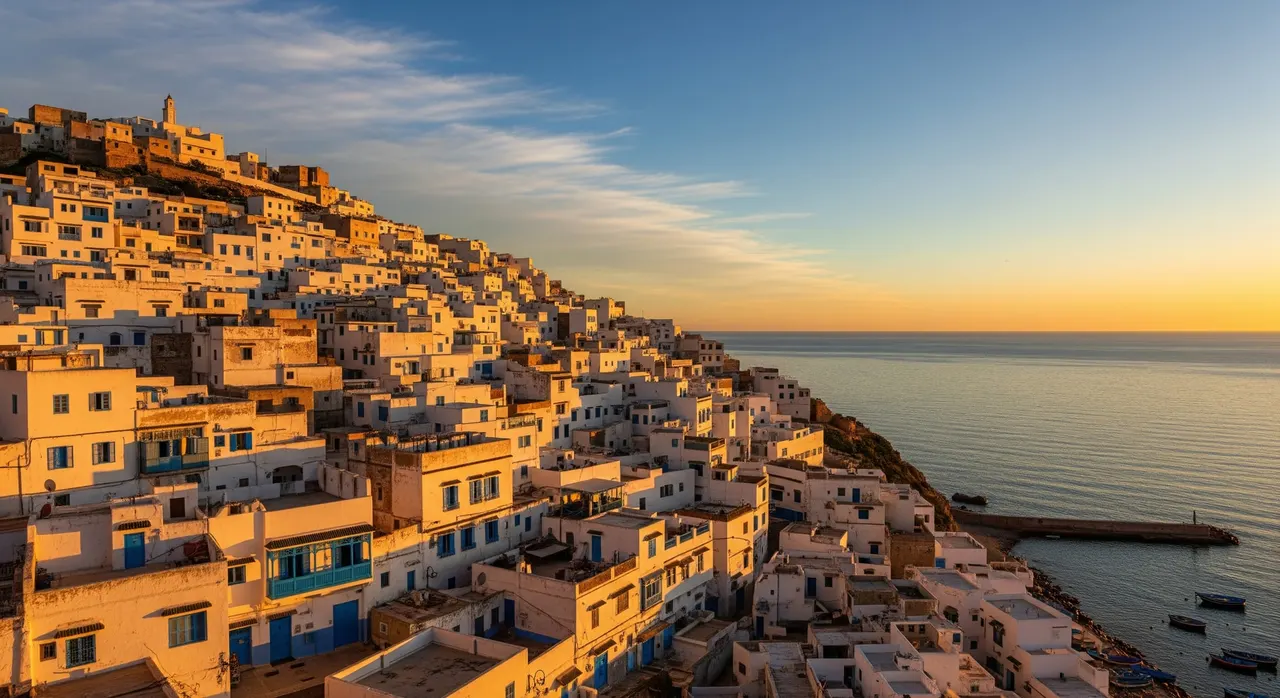
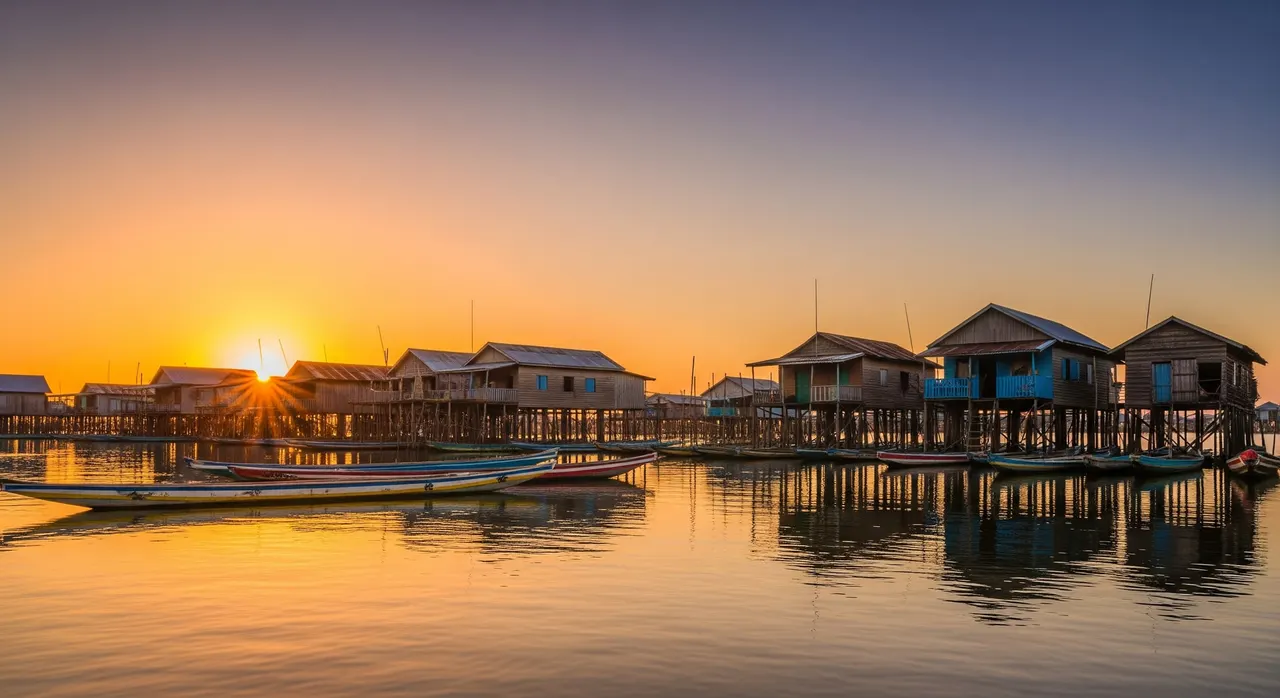
Daily life in Thailand — where Sudanese citizens settle on the DTV
Life in Thailand — your home base on the 5-year DTV
Section 04

Where to Settle in Thailand

Chiang Mai is the favourite for first-time movers: it is calm, green, very affordable, and home to the largest remote-worker community in the country, with abundant co-working spaces and an easy pace of life. Bangkok suits those who want a true global city, with the best international schools, hospitals, business connections, and the widest range of halal restaurants and prayer facilities. For coast and beach living, Phuket offers an established international scene, while Pattaya and the island of Koh Samui are popular for their lower costs and relaxed lifestyle.

Relocation Tip

Plan your first arrival during the cool season (November to February), when temperatures are most comfortable and it is easiest to view apartments and explore different cities before committing to a base. Connect with groups like 'Sudanese in Thailand' and broader 'Africans in Bangkok' communities beforehand for on-the-ground advice.

Section 05

Money & Banking

Thailand is largely a cashless-friendly society in the cities, with cards and the PromptPay QR system widely accepted, though smaller vendors and rural areas still prefer cash. International ATMs are everywhere but charge a flat fee of around 220 THB per foreign-card withdrawal, so it is more economical to take out larger sums less often. Because moving funds out of Sudan can be difficult, many Sudanese expats rely on accounts and cards held in a third country (often a Gulf bank) and use multi-currency services such as Wise or Revolut to manage day-to-day spending.

Opening a Thai bank account as a foreigner is possible but typically easier once you are settled with a long-term visa and a local address; requirements vary by branch, so it helps to bring your passport, visa documentation, and proof of residence. For DTV proof of funds, keep clear, recent statements showing the required balance readily available.

Section 06

Documents & Translation

Sudan's official languages are Arabic and English, and many Sudanese banks and institutions already issue documents in English. Where your bank statements, employment letters, or financial records are in Arabic only, you should expect to provide a certified English (or Thai) translation so Thai authorities can verify them. Documents already issued in English are usually accepted as they are. It is wise to gather everything early, your passport with adequate validity, recent bank statements demonstrating the 500,000 THB (~$15,000) in personal funds, and proof of your remote income, so that nothing holds up your application.

Translation Checklist

If any financial or supporting document is in Arabic only, arrange a certified English or Thai translation before applying. Keep both the original and the certified translation together. Documents already in English are generally accepted without translation.

Section 07

Daily Life & Community

Everyday life in Thailand is comfortable and well-served. Healthcare is a major draw: private hospitals in Bangkok, Chiang Mai, and Phuket are modern, affordable by international standards, and staffed with English-speaking doctors. For the Muslim majority among Sudanese expats, Thailand has a long-established Muslim community, mosques in every major city, and plentiful halal food, especially in Bangkok's Nana and Ramkhamhaeng areas and across the south.

The Sudanese community in Thailand is still relatively small but growing and supportive, often connecting through faith networks, university circles, and online groups alongside the wider African and Arab diaspora. Between the warm climate, friendly locals, low crime, and the ease of regional travel, most newcomers find that they settle into a calmer, more predictable rhythm of life within their first few weeks.

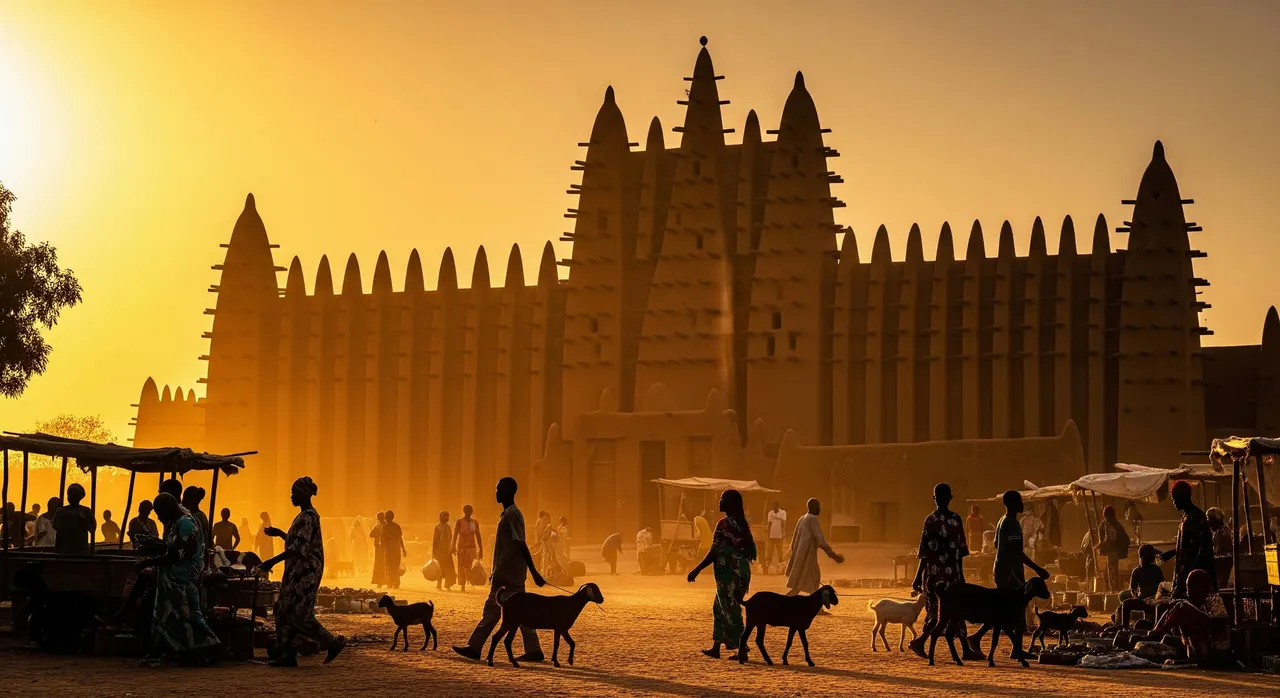
Sudan — your starting point before relocating to ThailandSudan
From Sudan to Thailand

Make the move from Sudan

Trade Sudan for up to five years in Thailand on the DTV. We prepare and submit your entire application from wherever you are — proof of funds, category evidence and passport — so you can focus on the move, not the paperwork.

Check eligibility
Step by step

How Sudanese citizens apply for the DTV

1

Check you qualify

Almost every nationality can apply. Take our free 60-second eligibility checker to confirm your route — remote work, soft power, medical or family.

2

We prepare everything

We assemble and review your documents: proof of 500,000 THB (~$15,000), your category evidence and passport — so nothing gets rejected.

3

We submit for you

You apply from outside Thailand. We file at a Thai embassy or consulate (such as Hanoi, Ho Chi Minh, Jakarta, Vientiane or London) within one business day.

4

Get approved & move

On approval you get the 5-year, multiple-entry DTV — up to 180 days per stay, extendable once. Then make Thailand home.

Questions

DTV FAQ for Sudanese citizens

What is the Destination Thailand Visa (DTV) and how does it work for Sudanese citizens?

The DTV is a 5-year multiple-entry visa that lets Sudanese citizens live in Thailand and work remotely for employers or clients based outside the country. You apply from outside Thailand, and our team prepares and submits the entire application for you, with service packages starting from $139.

How long can I stay in Thailand per entry with the DTV as a Sudanese passport holder?

Each entry grants a stay of up to 180 days, which you can extend once for a further 180 days at a local immigration office, allowing close to a full year of continuous stay before a brief exit and re-entry.

How much money do I need to show, and what happens if my application is denied?

You need to show proof of 500,000 THB (about $15,000) in personal funds, such as savings or income. With our optional Denial Protection add-on, you receive a 100% refund of our service fee if your application is not approved, so there is no financial risk to you.

Can I work remotely for a Sudan-based or Gulf-based company while living in Thailand on the DTV?

Yes. The DTV is designed for remote workers and digital nomads. As long as your employer, clients, or business are based outside Thailand, you can legally earn your income while living in Thailand, whether that work is for a company in Sudan, the Gulf, or anywhere else.

What are the best flight routes from Sudan to Thailand?

There are no direct flights. Most journeys to Bangkok connect through Gulf hubs such as Dubai, Doha, or Abu Dhabi, or via Addis Ababa or Cairo, with total travel time of roughly 13 to 18 hours including the layover. Given disruption at Khartoum airport, many travellers currently route via Port Sudan or a neighbouring country, so allow extra flexibility.

Do my Sudanese bank statements need to be translated?

Sudan's official languages include English, and many Sudanese banks issue documents in English, which are usually accepted as they are. If your statements or supporting documents are in Arabic only, you should arrange a certified English or Thai translation so Thai authorities can verify them.

Where do most Sudanese expats choose to live in Thailand?

Chiang Mai is popular for its low cost and large remote-worker community, Bangkok for its international schools, hospitals, and the widest range of halal food and prayer facilities, and Phuket, Pattaya, or Koh Samui for beachside living. Many newcomers spend their first months in Chiang Mai or Bangkok before deciding on a long-term base.

Is halal food and a Muslim community easy to find in Thailand?

Yes. Thailand has a long-established Muslim community with mosques in every major city and plentiful halal restaurants, particularly in Bangkok's Nana and Ramkhamhaeng districts and throughout the south. Most Sudanese Muslims find it straightforward to maintain their dietary and faith practices.

How does the time difference between Sudan and Thailand affect remote work?

Thailand (UTC+7) is 5 hours ahead of Sudan (UTC+2). This is convenient: when it is late morning in Khartoum it is mid-afternoon in Bangkok, giving a comfortable daily overlap for calls with Sudan, the Gulf, and Europe while still leaving your evenings free.

How should I manage money and banking as a Sudanese expat in Thailand?

Cards and the PromptPay QR system are widely accepted in cities, while cash is still useful for small vendors. Foreign-card ATM withdrawals carry a fee of around 220 THB each, so larger, less frequent withdrawals save money. Because moving funds out of Sudan can be difficult, many expats rely on accounts held in a third country and multi-currency services such as Wise or Revolut.

Ready to move to Thailand from Sudan?

Check your eligibility in under a minute, or let our team prepare and submit everything — with a 100% refund if your application is denied (with the optional paid Denial Protection add-on).