Skip to content
Asia

DTV Visa for Sri Lankan Citizens

For Sri Lankans ready to broaden their horizons, Thailand is one of the most natural next steps in Asia. A short hop east of Colombo, the Land of Smiles pairs a familiar tropical climate and shared Theravada Buddhist culture with world-class infrastructure, fast internet, excellent private hospitals, and a deep, well-established expat community. The Destination Thailand Visa (DTV) finally makes a genuinely long-term base possible: a 5-year multiple-entry visa built for remote workers, freelancers, and digital nomads who want to settle in without the annual visa scramble.

Every Sri Lankan citizen is eligible to apply

5

Years validity

180

Days per entry

500k

THB proof of funds

$139

Service fee from

100%

Refund if denied*

Why Sri Lankan citizens choose Thailand

Living in Thailand from Sri Lanka

Section 01

Why Sri Lankans Are Moving to Thailand

Sri Lanka and Thailand share a great deal: warm weather, rice-and-curry food cultures, deep Buddhist roots, and a relaxed pace of life. What Thailand adds is scale and convenience. After the economic turbulence of recent years at home, many Sri Lankans value Thailand's stable currency, reliable utilities, abundant imported goods, and a job market for foreigners centred on remote and online work rather than local employment.

The DTV is what makes a real move feasible. Instead of repeated tourist entries, you get a single visa valid for five years, letting you treat Thailand as a genuine home base while you keep earning from Sri Lankan or international clients. For families, the strong international schools, modern shopping, and short flights back to Colombo make the transition far less daunting than relocating to Europe, the Gulf, or Australia.

DTV at a Glance

The Destination Thailand Visa is a 5-year multiple-entry visa. Each entry allows a stay of up to 180 days, extendable once inside Thailand for a further 180 days. You apply from outside Thailand, you show proof of 500,000 THB (~$15,000) in personal funds, and DTVThaiVisa.com prepares and submits the entire application for you. Service starts from $139, with an optional Denial Protection add-on that provides a 100% refund if your application is denied.

Section 02

Cost of Living: Sri Lanka vs. Thailand

Be realistic about the comparison: in pure rupee-to-baht terms, day-to-day living in Sri Lanka is often cheaper than in Bangkok, especially for rent in Colombo versus a central condo in the Thai capital. Where Thailand wins is value and consistency — you pay more, but you get dependable electricity and water, fibre internet almost everywhere, well-stocked supermarkets, modern transport, and far fewer shortages or price shocks.

Outside Bangkok, the gap narrows or disappears. A comfortable lifestyle in Chiang Mai or a smaller city can cost roughly the same as a good standard of living in Colombo, while delivering newer infrastructure. Budget around 15,000–30,000 THB a month for a modern one-bedroom condo (less up-country, more in prime Bangkok or Phuket), with street meals from 50–80 THB and a mid-range restaurant dinner around 300–500 THB.

  • Rent: a modern 1-bed condo runs about 15,000–30,000 THB/month in Bangkok; expect noticeably less in Chiang Mai and more in beach hotspots like Phuket.
  • Local meals: Thai street food and rice dishes cost roughly 50–80 THB; a sit-down meal at a casual restaurant is around 300–500 THB for two.
  • Transport: Bangkok's BTS Skytrain and MRT fares run about 20–60 THB per trip; metered taxis and ride-hailing (Grab) are cheap by global standards.
  • Utilities & internet: electricity, water, and 300–500 Mbps fibre together typically come to 1,500–3,000 THB/month — fast and reliable.
  • ATM withdrawals: most Thai banks charge around 220 THB per foreign-card withdrawal, so take out larger amounts at once to save on fees.
Section 03

Getting to Thailand from Sri Lanka

Travel between the two countries is quick and well-served. Direct flights from Bandaranaike International Airport (CMB) in Colombo to Bangkok's Suvarnabhumi Airport (BKK) take roughly 3.5 hours, with SriLankan Airlines and Thai carriers operating the route, plus budget and one-stop options via hubs like Kuala Lumpur or Singapore. That makes popping home for a wedding, a Sinhala/Tamil New Year visit, or a family emergency entirely practical.

Time zones add to the convenience: Thailand is UTC+7, just 1.5 hours ahead of Sri Lanka's UTC+5:30. If you work with Colombo-based clients or employers, your days overlap almost completely — you can keep the same business hours with barely any adjustment, and from Bangkok you're also within a few hours' flight of most of Southeast Asia for travel.

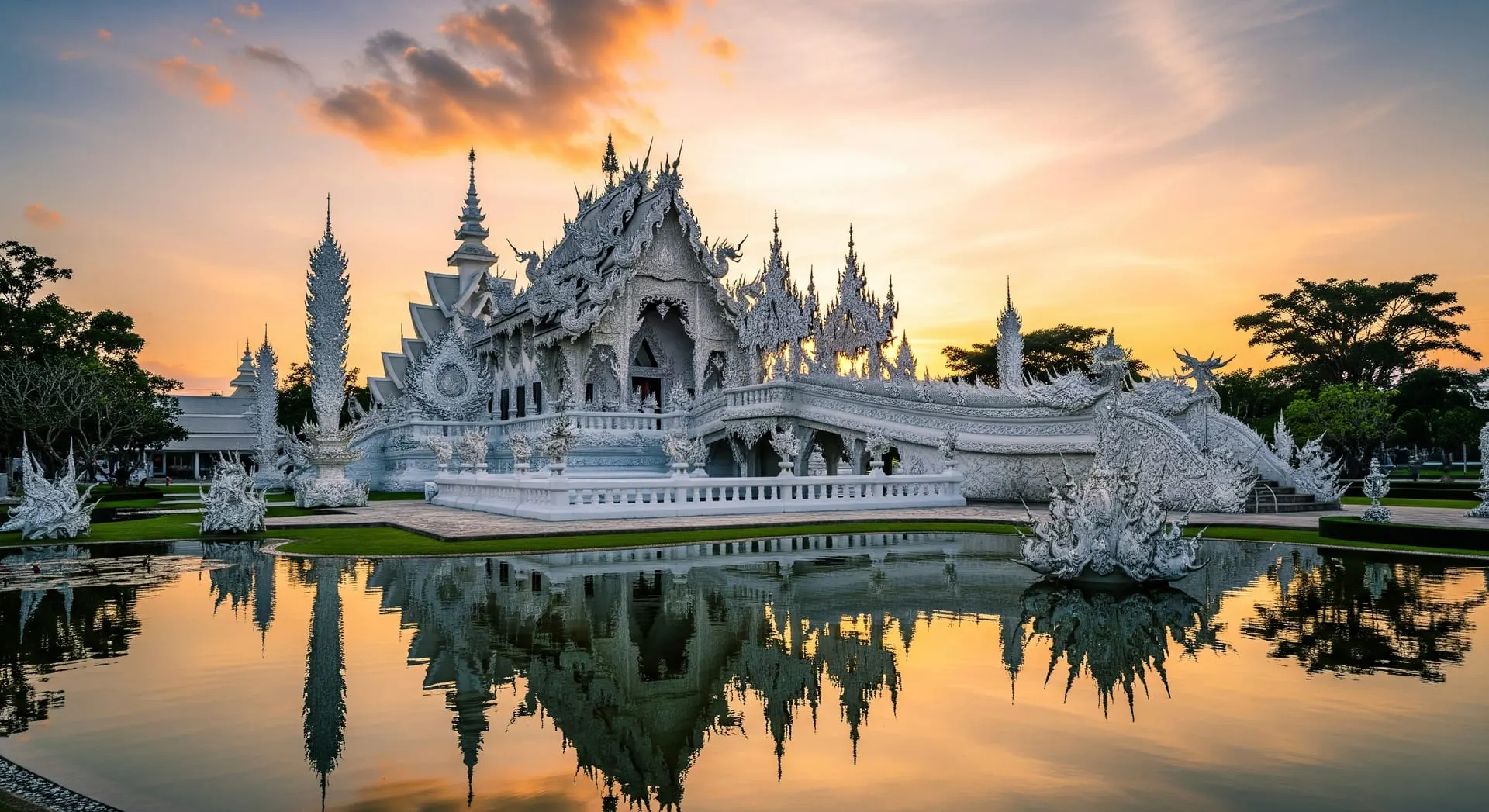
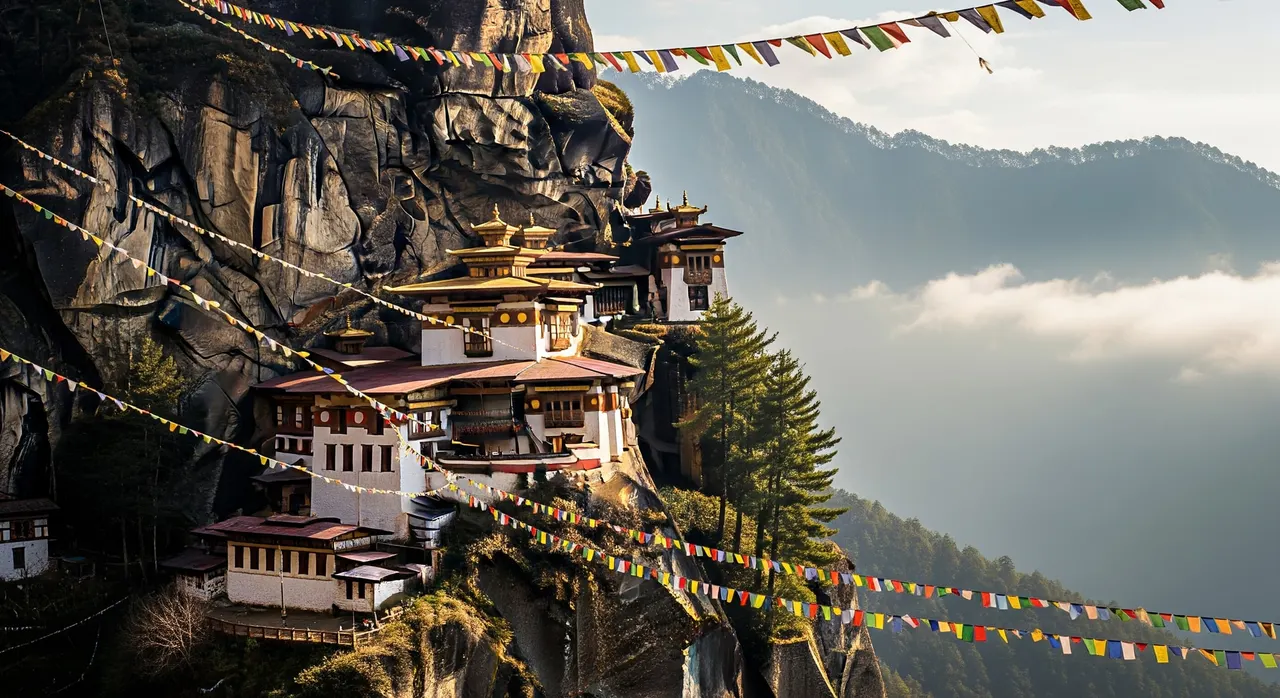
Daily life in Thailand — where Sri Lankan citizens settle on the DTV
Life in Thailand — your home base on the 5-year DTV
Section 04

Where Sri Lankans Settle in Thailand

Bangkok is the obvious landing point: a true global city with high-rise condos, dozens of coworking spaces, top private hospitals, and South Asian grocery stores and restaurants in areas like Sukhumvit, Phra Khanong, and Pratunam where you can still find familiar spices and dhal. It suits anyone who wants nightlife, networking, and seamless international connections.

Chiang Mai, in the cooler north, is the digital-nomad favourite — lower costs, a tight expat community, leafy surroundings, and an easy pace. For beach living, Phuket offers full city amenities alongside the coast, while Koh Samui and Hua Hin appeal to those wanting quieter seaside life. Many Sri Lankans start in Bangkok to get set up, then relocate to Chiang Mai or the islands once they know the country.

Section 05

Money & Banking

The currency is the Thai baht (THB). Sri Lankan debit and credit cards work at Thai ATMs and most card terminals, though the roughly 220 THB per-withdrawal fee and your home bank's FX margin make large, infrequent withdrawals smarter than many small ones. Multi-currency accounts and services like Wise are popular with nomads for moving funds and getting fair exchange rates from rupees to baht.

Opening a Thai bank account as a foreigner is possible but varies by branch and your documentation; many DTV holders keep most savings offshore and simply top up a Thai account or e-wallet for daily spending. Thailand is increasingly cashless — PromptPay QR payments are everywhere — but always carry some cash for street vendors, markets, and smaller towns.

Section 06

Documents & Translation

For the DTV you'll primarily need a valid passport, recent bank statements or financial records evidencing 500,000 THB (~$15,000) in personal funds, and supporting documents for your remote work or freelance activity. DTVThaiVisa.com reviews everything, tells you exactly what's required for your situation, and prepares and submits the application so you don't have to navigate the paperwork alone.

Translation Tip for Sri Lankan Applicants

Sri Lanka's official languages are Sinhala and Tamil, so any bank statements or supporting documents issued in those languages will likely need a certified English (or Thai) translation. If your bank can provide statements in English directly, that usually saves a step. We'll confirm the exact format needed before submission.

Section 07

Daily Life & Community

Daily life in Thailand will feel both familiar and refreshingly easy for Sri Lankans. The Buddhist calendar, temple culture, tropical fruit, and respect for elders all echo home, while world-class malls, food delivery apps, and efficient public transport remove a lot of everyday friction. English is widely spoken in tourist and business areas, and the local Thai you'll pick up for markets and taxis comes quickly.

You won't be starting from scratch socially, either. There are active Sri Lankan and wider South Asian communities, plus large international expat networks for remote workers. Between coworking meetups, temple festivals, and Facebook groups, it's straightforward to build a circle — and to track down a good kottu roti or string hoppers when homesickness hits.

Pro Tip

Join Sri Lankan and South Asian expat groups on social media before you move. They're a goldmine for honest advice on neighbourhoods, condo rentals, reliable doctors, and where to find the spices and snacks you'll miss from home.

Sri Lanka — your starting point before relocating to ThailandSri Lanka
From Sri Lanka to Thailand

Make the move from Sri Lanka

Trade Sri Lanka for up to five years in Thailand on the DTV. We prepare and submit your entire application from wherever you are — proof of funds, category evidence and passport — so you can focus on the move, not the paperwork.

Check eligibility
Step by step

How Sri Lankan citizens apply for the DTV

1

Check you qualify

Almost every nationality can apply. Take our free 60-second eligibility checker to confirm your route — remote work, soft power, medical or family.

2

We prepare everything

We assemble and review your documents: proof of 500,000 THB (~$15,000), your category evidence and passport — so nothing gets rejected.

3

We submit for you

You apply from outside Thailand. We file at a Thai embassy or consulate (such as Hanoi, Ho Chi Minh, Jakarta, Vientiane or London) within one business day.

4

Get approved & move

On approval you get the 5-year, multiple-entry DTV — up to 180 days per stay, extendable once. Then make Thailand home.

Questions

DTV FAQ for Sri Lankan citizens

What is the Destination Thailand Visa (DTV)?

The DTV is a 5-year multiple-entry visa that lets you stay in Thailand for up to 180 days per entry, extendable once inside Thailand for a further 180 days. It's designed for remote workers, freelancers, and digital nomads — ideal for Sri Lankans who want to live in Thailand long term while earning from Sri Lankan or international clients.

How can Sri Lankans apply for the DTV?

You apply from outside Thailand — you can do the whole thing from Sri Lanka. DTVThaiVisa.com handles the entire process for you, from document preparation to submission. Service starts from $139, and an optional Denial Protection add-on provides a 100% refund if your application is denied.

What are the financial requirements for the DTV?

You'll need to show proof of at least 500,000 THB (approximately $15,000) in personal funds, typically via bank statements or financial records. This demonstrates you can support yourself while living in Thailand.

Will my Sri Lankan bank statements need to be translated?

Sri Lanka's official languages are Sinhala and Tamil, so statements issued in those languages will likely need a certified English or Thai translation. If your bank can issue statements directly in English, that usually keeps things simpler. We'll confirm the exact requirements for your documents before submitting.

How long is the flight from Colombo to Bangkok?

Direct flights from Colombo (CMB) to Bangkok's Suvarnabhumi Airport (BKK) take around 3.5 hours, with SriLankan Airlines and Thai carriers on the route plus one-stop options via Kuala Lumpur or Singapore. Frequent, affordable connections make it easy to visit family or have guests come to you.

Is Thailand cheaper than Sri Lanka?

It depends. In rupee terms, everyday costs in Sri Lanka — especially rent in Colombo — can be lower than central Bangkok. Thailand's advantage is value and reliability: stable prices, dependable utilities, fast internet, and modern infrastructure. Outside Bangkok, in places like Chiang Mai, costs are very competitive with a good standard of living in Sri Lanka.

What's the time difference between Sri Lanka and Thailand?

Thailand (UTC+7) is just 1.5 hours ahead of Sri Lanka (UTC+5:30). Your working days overlap almost entirely, so remote workers can keep Colombo business hours with virtually no adjustment.

Where do most Sri Lankans live in Thailand?

Bangkok is the main hub, with South Asian groceries and restaurants in areas like Sukhumvit and Pratunam. Chiang Mai is the top choice for digital nomads thanks to lower costs and a strong community, while Phuket, Koh Samui, and Hua Hin attract those wanting beach life. Many start in Bangkok and relocate once they know the country.

Can I travel in and out of Thailand with the DTV?

Yes. The multiple-entry feature lets you leave and re-enter Thailand as often as you like throughout the 5-year validity — perfect for visiting family in Sri Lanka or exploring the rest of Southeast Asia, all on the same visa.

Can I open a Thai bank account as a Sri Lankan on the DTV?

It's possible, though requirements vary by branch and the documents you can provide. Many DTV holders keep most of their savings offshore and use a Thai account or e-wallet for daily spending. Sri Lankan cards work at ATMs and terminals, and services like Wise are popular for moving money from rupees to baht at fair rates.

Where you apply

The Thai mission for Sri Lanka

You submit the DTV online via the Thai e-Visa portal — but the office below covers applicants in Sri Lanka and may review your file.

Ready to move to Thailand from Sri Lanka?

Check your eligibility in under a minute, or let our team prepare and submit everything — with a 100% refund if your application is denied (with the optional paid Denial Protection add-on).