Skip to content
Africa

DTV Visa for South Sudanese Citizens
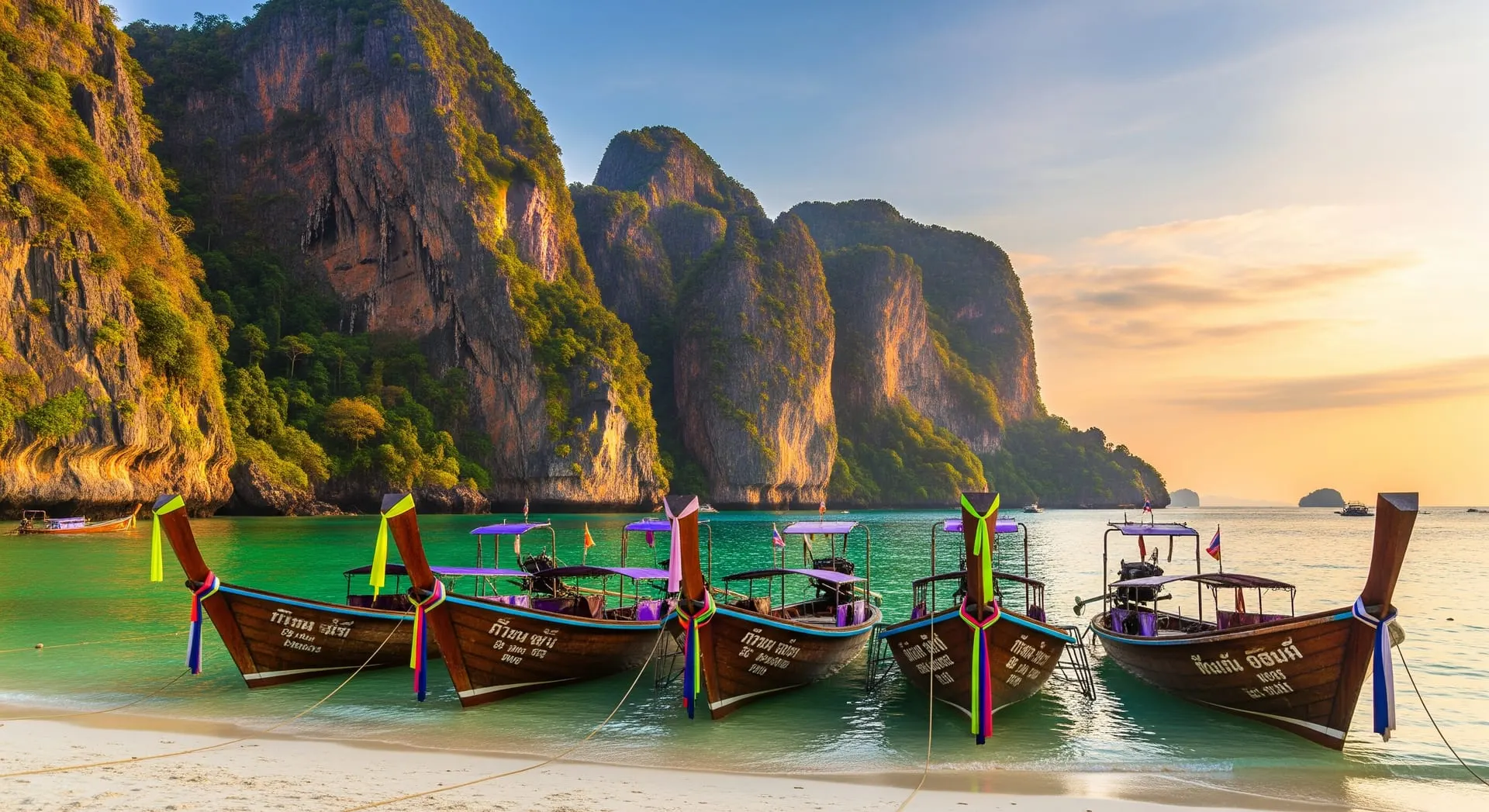
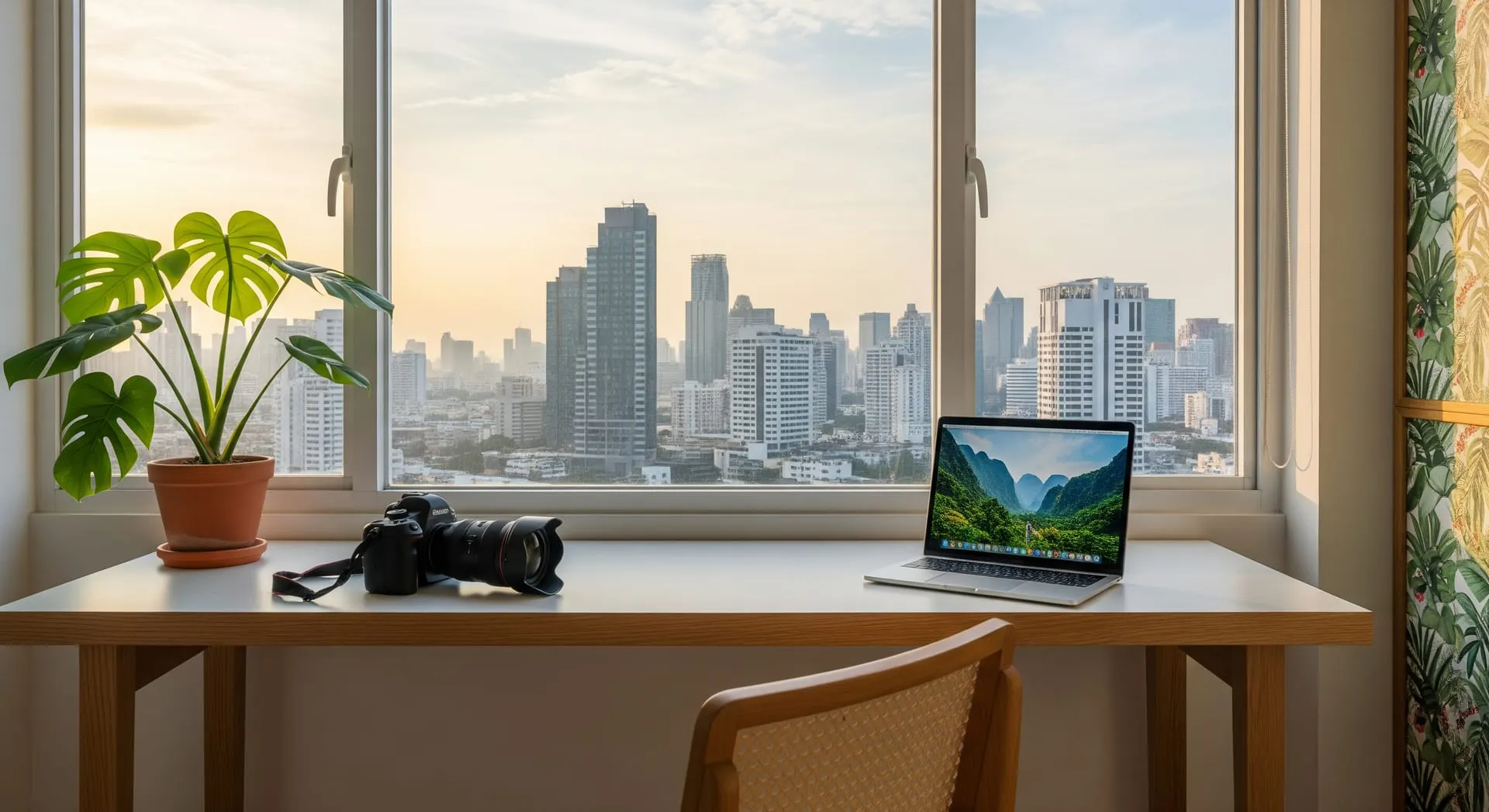
For South Sudanese professionals, entrepreneurs, and families looking for an affordable, well-connected, and secure base abroad, Thailand has become a standout choice. Picture swapping Juba's dry-season heat for the sea breezes of Phuket, trading dusty roads for Bangkok's air-conditioned Skytrain, and stretching your income in a country where a good meal costs a fraction of what you pay at home. The Destination Thailand Visa (DTV) makes this realistic: a single visa that gives you five years of flexible stays without the usual paperwork grind. Whether you are a remote worker, freelancer, or simply ready for a major lifestyle upgrade, the DTV opens the door — and a specialist team handles the entire application for you, with service starting from $139.

Every South Sudanese citizen is eligible to apply

5

Years validity

180

Days per entry

500k

THB proof of funds

$139

Service fee from

100%

Refund if denied*

Why South Sudanese citizens choose Thailand

Living in Thailand from South Sudan

Section 01

Why South Sudanese citizens are moving to Thailand

For many South Sudanese, relocation is driven by a wish for greater stability, modern infrastructure, and a higher quality of life. Thailand offers a clear contrast to daily logistics in Juba — reliable electricity, fast internet, clean water, and a healthcare system that is both accessible and genuinely affordable. The tropical climate feels familiar yet gentler than South Sudan's scorching dry season, swapping it for a warm wet-and-dry pattern rather than relentless heat. Culturally, Thailand's emphasis on hospitality, respect for elders, and family ties echoes South Sudanese values. Combine that with a thriving digital-nomad scene and the DTV's five-year flexibility, and the appeal is obvious.

The DTV at a glance

A 5-year multiple-entry visa. Each entry allows a stay of up to 180 days, extendable once inside Thailand for a further 180 days. You need to show proof of 500,000 THB (~$15,000) in personal funds, and you apply from outside Thailand — the company prepares and submits everything, with service from $139.

Section 02

Cost of living: South Sudan vs Thailand

The financial advantage is perhaps the biggest pull. Juba is, surprisingly, an expensive city for imported goods and secure housing: a modest one-bedroom apartment in a guarded compound can run well over $1,000 a month, while a comparable modern condo in Bangkok might be $400–$600. A simple sit-down meal in Juba easily costs $10–$15; in Thailand, a fresh street-food dish is $2–$3. Electronics and imported groceries — often eye-wateringly priced in South Sudan — are widely stocked at normal retail rates across Thailand's megamalls. For anyone earning in US dollars or another major currency, the gap means you save more, invest more, and live more comfortably than the same income would allow back home.

  • Rent: modern one-bed condo in Bangkok from $400/month, versus $1,000+ in Juba for a similar secure standard.
  • Dining out: Thai street meal $2–$3 and a sit-down restaurant dinner around $10, versus $15–$25 in Juba.
  • Coworking space: $80–$150/month with fast fibre Wi-Fi, versus limited and pricey options in Juba.
  • Transport: a Bangkok Skytrain ride is roughly $0.50–$1.50, versus costly private cars in Juba.
  • Cash withdrawals: Thai ATMs charge a flat foreign-card fee of about 220 THB per transaction, so withdraw larger sums at once.

Budgeting tip

A comfortable monthly budget for a single person in Thailand is roughly $800–$1,200, covering rent, food, transport, and entertainment — frequently less than many South Sudanese professionals spend on housing and basics alone in Juba.

Section 03

Getting to Thailand from South Sudan

There are no direct flights between South Sudan and Thailand, so the trip from Juba International Airport (JUB) to Bangkok's Suvarnabhumi (BKK) runs through one or two hubs. The most reliable routings are via Addis Ababa on Ethiopian Airlines, via Nairobi on Kenya Airways, or via a Gulf hub such as Dubai (Emirates) or Doha (Qatar Airways). Total door-to-door travel time generally falls between 14 and 20 hours depending on layovers. Thailand runs on Indochina Time (UTC+7), four hours ahead of South Sudan's East Africa Time (UTC+3), so you lose four hours flying east. That gap is small enough to keep a comfortable working overlap: your Thai late afternoon still lines up with a Juba mid-morning, which makes it easy to stay in sync with clients or colleagues back home.

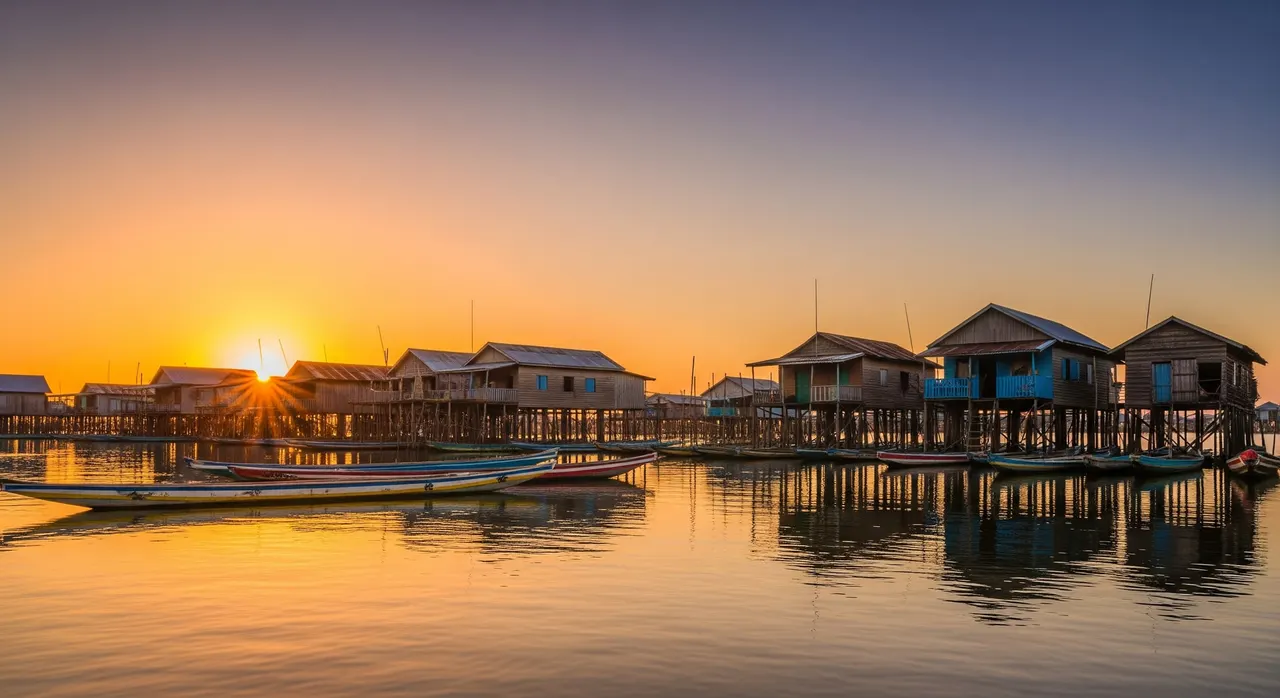
Daily life in Thailand — where South Sudanese citizens settle on the DTV
Life in Thailand — your home base on the 5-year DTV
Section 04

Where South Sudanese expats and nomads settle in Thailand

Most South Sudanese newcomers start in Bangkok for its international community, top-tier hospitals, and dense web of flights and amenities. Chiang Mai, in the northern hills, is a favourite among families and budget-minded nomads thanks to cooler air, lower rents, and a famously relaxed pace. The southern coast — Phuket and Koh Samui — draws those who want island life and a resort atmosphere, while Pattaya offers a coastal base a short drive from the capital. Every one of these hubs has English-speaking services, fast internet, and an established expat scene, so settling in is rarely lonely.

  • Bangkok: the bustling capital, with diverse neighbourhoods, leading hospitals, and endless networking.
  • Chiang Mai: affordable and serene, packed with coworking spaces and a tight-knit nomad crowd.
  • Phuket: island living with international schools and a strong remote-work community.
  • Pattaya: a coastal city close to Bangkok, popular for expat amenities and lower costs.
Section 05

Money and banking from South Sudan

Managing money across borders is straightforward. The South Sudanese Pound (SSP) is not traded in Thailand, so the standard approach is to hold funds in US dollars or another major currency and convert to Thai Baht (THB) as needed. Most people move money with international transfer services such as Wise or WorldRemit rather than costly traditional wires. Once you hold a long-term visa and a Thai address, opening a local account at a bank like Bangkok Bank or Kasikornbank is usually possible. ATMs are everywhere but charge a flat foreign-card fee of about 220 THB per withdrawal, so take out larger amounts at a time. For the DTV, your proof of 500,000 THB (~$15,000) in personal funds can be shown from an account held in any major currency.

Currency exchange

Skip airport exchange counters — their rates are poor. For the best THB rates in Bangkok, use a well-known exchange chain such as SuperRich, or move money digitally inside Thailand through apps like DeeMoney.

Section 06

Documents and translation

English is an official language of South Sudan, so most of the paperwork you will need — bank statements, academic certificates, and government-issued IDs — is typically issued in English already, or can be obtained in English on request. In practice that means you usually will not need certified translations for your DTV documents, which saves both time and money. The exception: any supporting document issued only in Arabic or a local language should be accompanied by a certified English translation. Before you apply, confirm that your bank can produce statements in English, since these are the documents most often used to show proof of funds.

Section 07

Daily life and community

Thailand's healthcare is respected across Asia — private hospitals such as Bumrungrad and Bangkok Hospital deliver international-standard care at a fraction of European or North American prices, a real reassurance for families with young children. Internet is fast and dependable, easily handling video calls and remote work. The food scene is wonderfully varied, from aromatic Thai curries to familiar grilled and fried staples, with East African and Ethiopian restaurants in the larger cities for when you miss home cooking. The South Sudanese community in Thailand is still small but growing, usually connecting through broader African expat networks, church congregations, and social media groups. With excellent day-to-day safety and the warm, courteous Thai approach to newcomers, integration tends to be smooth.

Internet connectivity

Thailand's average fixed broadband speed is well over 200 Mbps, and 5G is widespread across urban areas — more than enough to work remotely for employers or clients in South Sudan or anywhere else in the world.

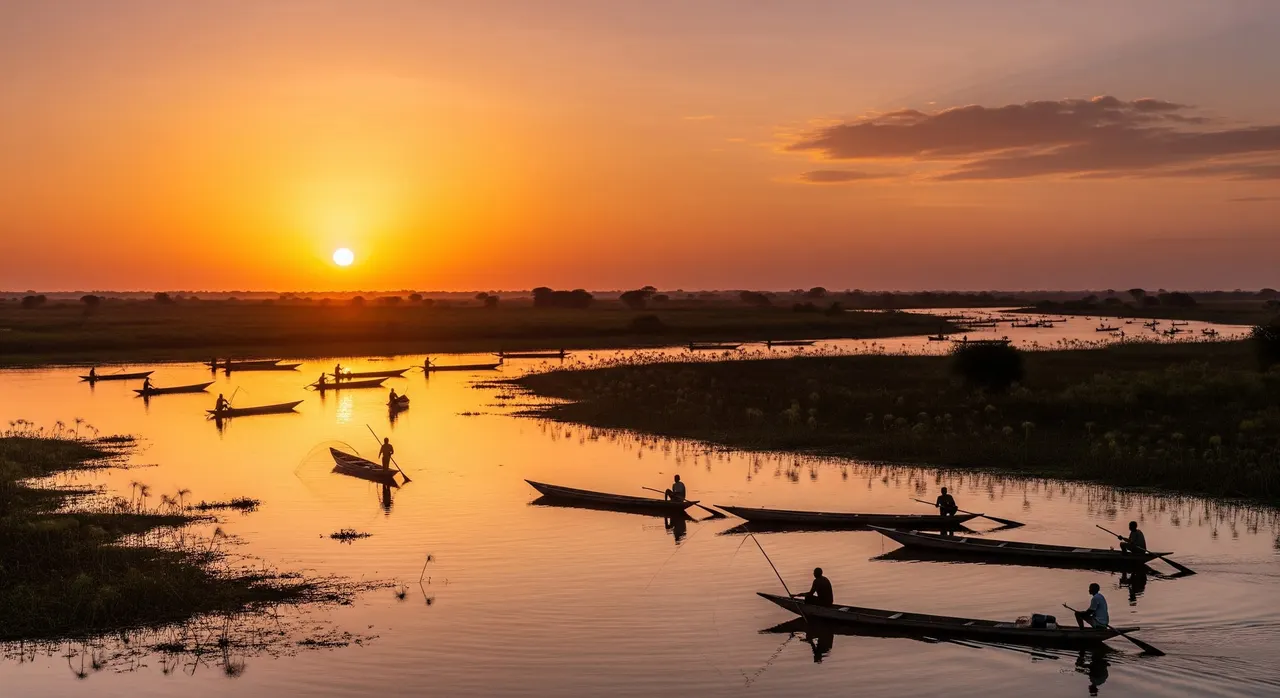
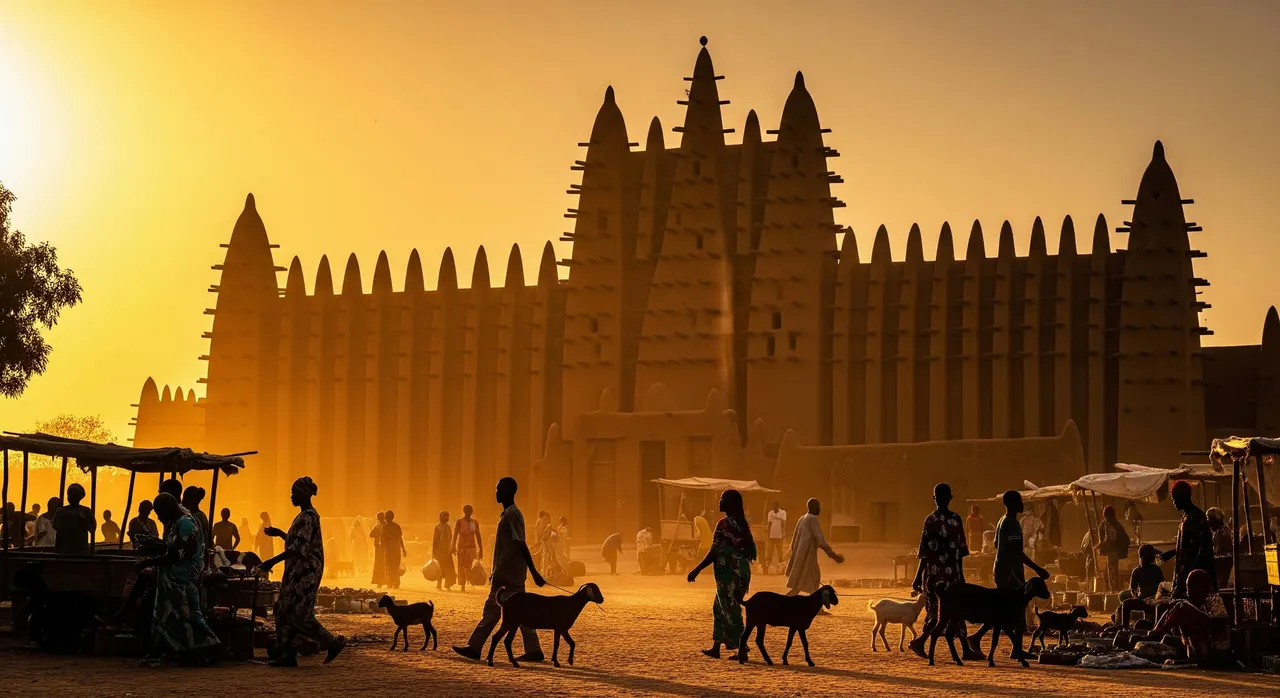
South Sudan — your starting point before relocating to ThailandSouth Sudan
From South Sudan to Thailand

Make the move from South Sudan

Trade South Sudan for up to five years in Thailand on the DTV. We prepare and submit your entire application from wherever you are — proof of funds, category evidence and passport — so you can focus on the move, not the paperwork.

Check eligibility
Step by step

How South Sudanese citizens apply for the DTV

1

Check you qualify

Almost every nationality can apply. Take our free 60-second eligibility checker to confirm your route — remote work, soft power, medical or family.

2

We prepare everything

We assemble and review your documents: proof of 500,000 THB (~$15,000), your category evidence and passport — so nothing gets rejected.

3

We submit for you

You apply from outside Thailand. We file at a Thai embassy or consulate (such as Hanoi, Ho Chi Minh, Jakarta, Vientiane or London) within one business day.

4

Get approved & move

On approval you get the 5-year, multiple-entry DTV — up to 180 days per stay, extendable once. Then make Thailand home.

Questions

DTV FAQ for South Sudanese citizens

Do South Sudanese citizens qualify for the Destination Thailand Visa?

Yes. The DTV is open to all nationalities, including South Sudanese passport holders. You apply from outside Thailand, and the company prepares and submits the entire application on your behalf, with service starting from $139.

How long is the DTV valid, and how long can I stay per entry?

The visa is valid for 5 years and is multiple-entry. Each entry allows a stay of up to 180 days, and you can extend that stay once for an additional 180 days at a local immigration office in Thailand.

How much money do I need to show for the DTV application?

You need to demonstrate proof of 500,000 THB (approximately $15,000) in personal funds. This can be held in any major currency, including a foreign account, since the South Sudanese Pound is not used in Thailand.

How much does it cost to apply, and what if I'm denied?

Service starts from $139, and the company handles preparation and submission for you. With the optional Denial Protection add-on, you receive a 100% refund of the service fee if your application is denied — designed to give you complete peace of mind.

What is the time difference between South Sudan and Thailand, and will it affect my remote work?

Thailand (UTC+7) is four hours ahead of South Sudan (UTC+3). The gap is small enough to keep a comfortable working overlap: your Thai afternoon lines up with a Juba mid-morning, so it is easy to handle meetings back home and still enjoy the rest of your day.

What are the best flight routes from Juba to Bangkok?

There are no direct flights. The most reliable routings are via Addis Ababa (Ethiopian Airlines), Nairobi (Kenya Airways), or a Gulf hub such as Dubai (Emirates) or Doha (Qatar Airways). Total travel time is roughly 14–20 hours with one or two layovers.

Will my documents need to be translated for the DTV?

Because English is an official language of South Sudan, most documents — including bank statements and certificates — are usually available in English and are accepted as-is. Any document issued only in Arabic or a local language should include a certified English translation.

Can I open a Thai bank account as a South Sudanese citizen?

Yes. Once you hold a long-term visa and a Thai address, opening an account at a bank such as Bangkok Bank or Kasikornbank is generally possible. In the meantime, digital transfers from South Sudan are easy through services like Wise or WorldRemit.

Is Thailand safe for South Sudanese expats?

Generally, yes. Thailand has low levels of violent crime, and South Sudanese expats tend to feel secure in the major cities and tourist areas. As anywhere, common-sense precautions with valuables and late-night travel are sensible.

Can I bring my family with me on the DTV?

Yes. The DTV allows you to include your spouse and dependent children as dependants on your application. As the main applicant, you show the 500,000 THB (~$15,000) proof of funds, and your family is linked to your visa.

How does the cost of living in Thailand compare to Juba?

Thailand is significantly more affordable in nearly every category. Housing, food, transport, and entertainment cost a fraction of Juba's prices, letting South Sudanese expats enjoy a noticeably higher standard of living for the same or less money.

Ready to move to Thailand from South Sudan?

Check your eligibility in under a minute, or let our team prepare and submit everything — with a 100% refund if your application is denied (with the optional paid Denial Protection add-on).