Skip to content
Africa

DTV Visa for South African Citizens
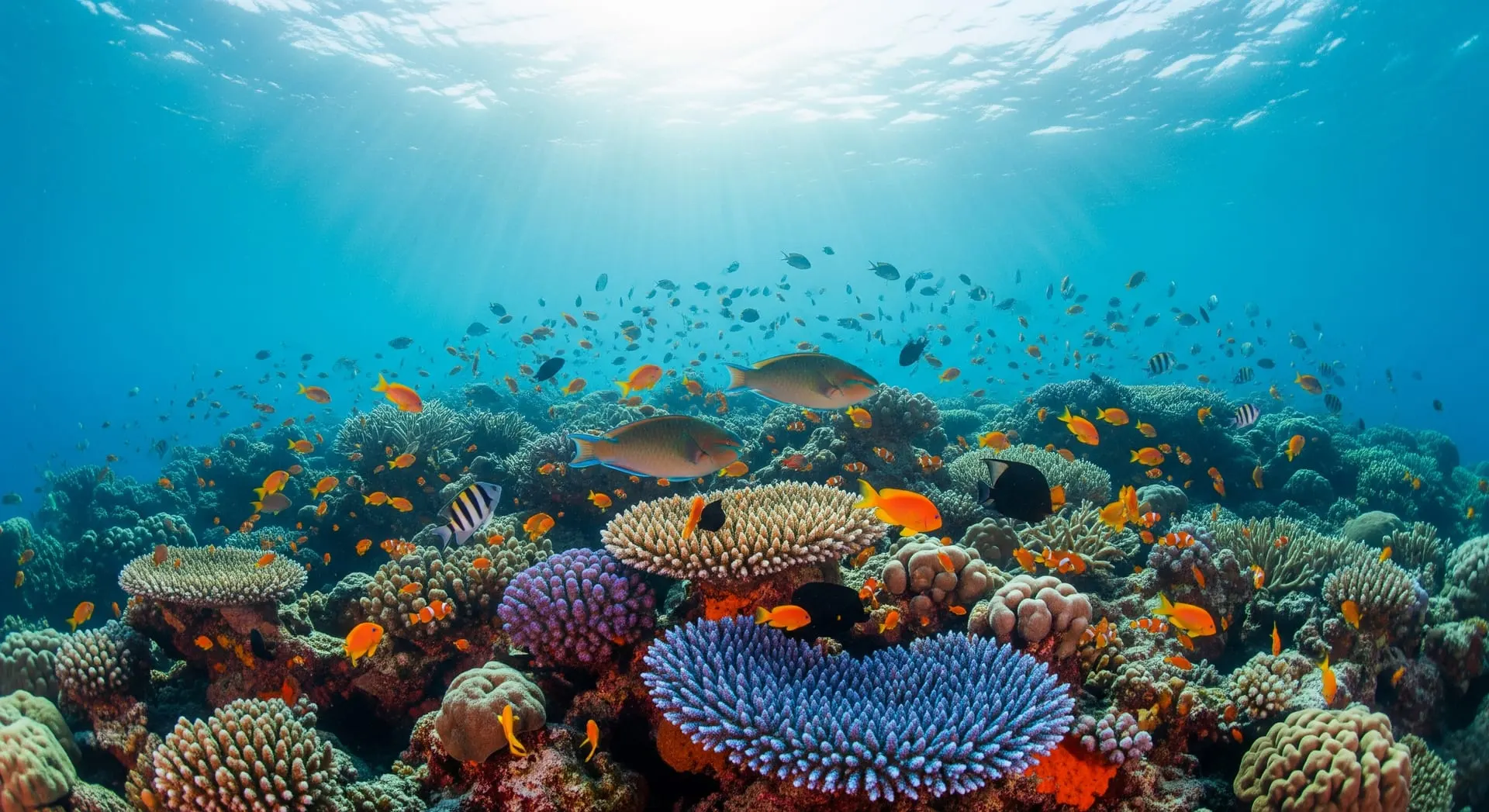
Dreaming of swapping the Highveld's afternoon thunderstorms for the warm turquoise water of the Andaman Sea? A growing number of South African professionals, families, and digital nomads are making Thailand their base. With the Destination Thailand Visa (DTV) — a 5-year multiple-entry visa — you can spend up to 180 days per entry in the Land of Smiles, while your rands stretch further and your work-life balance transforms.

Every South African citizen is eligible to apply

5

Years validity

180

Days per entry

500k

THB proof of funds

$139

Service fee from

100%

Refund if denied*

Why South African citizens choose Thailand

Living in Thailand from South Africa

Section 01

Why South Africans Are Moving to Thailand

South Africans are drawn to Thailand for a compelling blend of affordability, day-to-day ease, and year-round warmth. The tropical climate means no more chilly winter mornings in Gauteng or a soggy Cape Town cold front — you trade them for palm-fringed beaches and endless summers. Many also cite the lifestyle upgrade: respected private hospitals at a fraction of South African medical-aid costs, delicious street food for the price of a takeaway coffee back home, and reliable infrastructure where load shedding simply isn't part of the day.

The booming digital-nomad scene and Thailand's remote-work-friendly visa are the final push. Whether you're a software developer, marketer, consultant, or founder, fast fibre and an abundance of co-working spaces let you earn in stronger currencies while living for far less — and explore Southeast Asia's vibrant cultures on weekends.

Section 02

Cost of Living: South Africa vs Thailand

Thailand generally offers a lower cost of living than South Africa's major metros. A modern one-bedroom apartment in central Bangkok rents for roughly ฿15,000–25,000 (about R7,500–R12,500) per month, while a comparable place in Cape Town's City Bowl can easily reach R14,000–R20,000. In Chiang Mai, comfortable studios start near ฿8,000 (around R4,000).

Daily expenses tell the same story. A satisfying Thai street-food meal runs ฿50–80 (about R25–R45), a cappuccino in a stylish café around ฿80–120 (R45–R65), and short rides on the BTS Skytrain or in a taxi rarely break the bank. A single professional lives comfortably on roughly ฿35,000–50,000 (about R18,000–R26,000) per month including rent — often 30–50% less than an equivalent lifestyle in Johannesburg or Cape Town.

Rand vs baht: quick reference

As a rough rule of thumb, ฿1 ≈ R0.50, so ฿100 is about R50. Exchange rates move daily, but this makes mental maths easy: just halve the baht price to get a ballpark figure in rand.

Tip: Stretch your rands even further

Shop at fresh markets for fruit, vegetables, and seafood, and eat where the locals eat. A bowl of noodles or a plate of rice and curry from a street vendor can cost a fraction of what you'd pay in a tourist restaurant — and it's usually tastier.

Section 03

Getting to Thailand from South Africa

There are no non-stop flights from South Africa to Thailand, but several smooth one-stop connections get you from Johannesburg, Cape Town, or Durban to Bangkok in roughly 15–20 hours of total travel. Popular routings go via Dubai (Emirates), Doha (Qatar Airways), Addis Ababa (Ethiopian Airlines), or Singapore. The great-circle distance from Johannesburg to Bangkok is about 8,900 km.

Thailand runs on Indochina Time (ICT, UTC+7) and South Africa on South African Standard Time (SAST, UTC+2), so Thailand is 5 hours ahead . Neither country observes daylight saving, so the gap is constant year-round. For remote workers that's manageable: a 9:00 am stand-up with SA colleagues lands at 2:00 pm in Thailand, freeing your mornings for focused work and your evenings for the beach.

Your typical travel day

A common itinerary: depart OR Tambo (Johannesburg) in the evening, connect through Dubai or Doha for a couple of hours, then land at Bangkok's Suvarnabhumi (BKK) the following evening, local time. Sleeping on the long leg is the easiest way to arrive feeling fresh.

Daily life in Thailand — where South African citizens settle on the DTV
Life in Thailand — your home base on the 5-year DTV
Section 04

Where South African Expats Settle in Thailand

South Africans have found their feet across the kingdom. Bangkok is the economic and cultural heart, where many professionals live in Sukhumvit or Sathorn — close to co-working spaces, international schools, and the city's electric food scene. Chiang Mai in the north draws digital nomads with its relaxed pace, mountain backdrop, and tight-knit expat community; the Nimmanhaemin (Nimman) area is especially popular. Phuket appeals to ocean lovers, balancing beach life with modern amenities in areas like Rawai and Laguna. Koh Samui and quieter islands attract surfers, yogis, and anyone after a slower, tropical rhythm.

  • Bangkok — fast-paced city living, best for networking, schools, and air links
  • Chiang Mai — affordable, creative, and the heart of the nomad scene
  • Phuket — beaches plus big-city conveniences and direct regional flights
  • Koh Samui — island life with a steady, year-round expat community
  • Hua Hin — calmer seaside town that's popular with families and retirees
Section 05

Money and Banking for South Africans in Thailand

Moving money from South Africa to Thailand is straightforward. Specialist services such as Wise often give sharper rand-to-baht rates than a traditional bank wire. Once you arrive, a local Thai account (for example with Bangkok Bank or Kasikornbank) makes daily payments, rent, and ATM use far cheaper. Be aware that Thai ATMs charge a fixed fee of about ฿220 per withdrawal on foreign cards, so it pays to draw larger amounts less often.

Cash is still king at local markets and street stalls, while cards and QR-code payments (Thailand's PromptPay system) are standard in malls and cafés. When you need to move a lump sum — for instance, to demonstrate your DTV proof of funds — a transfer service like Wise can save you a meaningful amount versus a SWIFT wire.

DTV proof of funds

The DTV requires you to show personal funds of 500,000 THB (about $15,000). Plan how you'll evidence this on your bank statements well before you apply, and keep the funds in place rather than moving them around right before submission.

Section 06

Documents and Translation for Your DTV Application

Good news for South African applicants: official documents such as bank statements, police clearances, and proof of employment are routinely issued in English , one of the country's official languages. Because DTV supporting documents are expected in English (or Thai), your paperwork is generally accepted as-is — no certified translation needed. Just make sure each document is current, clearly shows your name and the relevant details, and is properly certified by the issuing institution where required.

We handle the heavy lifting from there. You apply from outside Thailand, and our team prepares and submits the complete application package on your behalf, checking that every document meets the requirements before it goes in.

Section 07

Daily Life and the South African Community in Thailand

Thailand's healthcare is a major draw: internationally accredited private hospitals such as Bumrungrad in Bangkok offer high standards, and a consultation costs a fraction of what you'd pay at a South African private clinic. Connectivity is excellent too — fibre packages of several hundred Mbps are common and inexpensive, so working online is effortless and there's no load shedding to plan around.

Food is a daily highlight. Thai cuisine's bold flavours are everywhere, but when you crave biltong, droëwors, or Mrs Ball's chutney, expat shops and online stores in Bangkok and Chiang Mai stock familiar South African brands. The community is active and welcoming: Springbok rugby matches are screened in pubs, casual braais pop up regularly, and Facebook groups such as "South Africans in Thailand" make it easy to find advice, friends, and even a game of cricket.

  • Respected private healthcare with many English-speaking doctors
  • Reliable, high-speed fibre internet — no load shedding
  • Incredible street food and vibrant night markets
  • A generally relaxed, easygoing day-to-day pace
  • An active SA expat network with regular social meetups
  • Easy access to stunning beaches, mountains, and temples
Tip: Finding your tribe

Join a group like 'South Africans in Thailand' on Facebook before you fly. It's the go-to hub for Springbok screenings, expat braais, school recommendations, and tips on where to track down boerewors or a cold Castle.

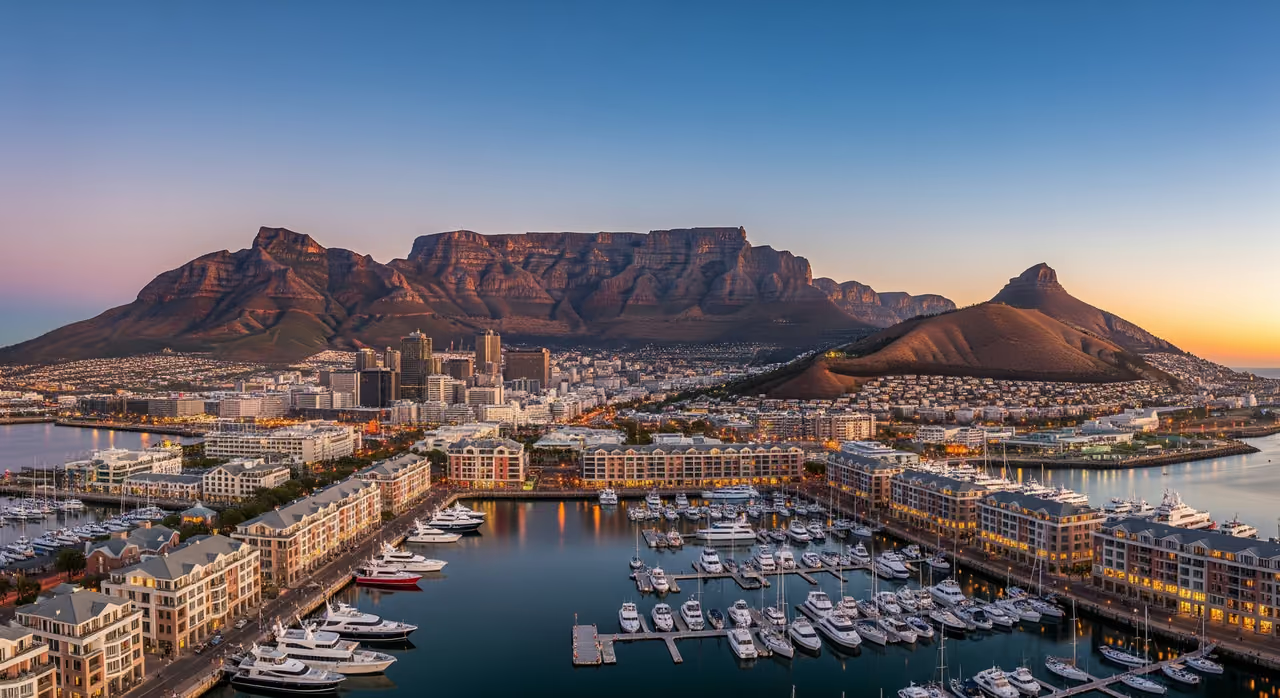
South Africa — your starting point before relocating to ThailandSouth Africa
From South Africa to Thailand

Make the move from South Africa

Trade South Africa for up to five years in Thailand on the DTV. We prepare and submit your entire application from wherever you are — proof of funds, category evidence and passport — so you can focus on the move, not the paperwork.

Check eligibility
Step by step

How South African citizens apply for the DTV

1

Check you qualify

Almost every nationality can apply. Take our free 60-second eligibility checker to confirm your route — remote work, soft power, medical or family.

2

We prepare everything

We assemble and review your documents: proof of 500,000 THB (~$15,000), your category evidence and passport — so nothing gets rejected.

3

We submit for you

You apply from outside Thailand. We file at a Thai embassy or consulate (such as Hanoi, Ho Chi Minh, Jakarta, Vientiane or London) within one business day.

4

Get approved & move

On approval you get the 5-year, multiple-entry DTV — up to 180 days per stay, extendable once. Then make Thailand home.

Questions

DTV FAQ for South African citizens

What exactly is the Destination Thailand Visa (DTV)?

The DTV is a 5-year multiple-entry visa that lets you stay in Thailand for up to 180 days per entry, which you can extend once for a further 180 days. It's designed for remote workers, digital nomads, and people who want to experience long-term life in the kingdom.

Can I apply for the DTV while I'm still in South Africa?

Yes. You must apply from outside Thailand, and South Africa is the natural place to do it. We prepare and submit your entire application package on your behalf, so you can handle everything from home in Cape Town, Johannesburg, or anywhere else.

How much does your DTV service cost?

Our service starts from $139. We also offer an optional Denial Protection add-on that gives you a 100% refund of our service fee if your visa is not granted.

Are there direct flights from South Africa to Thailand?

No, there are no non-stop flights. One-stop connections via hubs like Dubai, Doha, Addis Ababa, or Singapore are convenient, taking roughly 15–20 hours of total travel from Johannesburg, Cape Town, or Durban to Bangkok.

What is the time difference between South Africa and Thailand, and how will it affect remote work?

Thailand is 5 hours ahead of South Africa (UTC+7 vs UTC+2), and neither country observes daylight saving, so the gap stays constant. If you work with South African clients, their mid-morning meetings fall in your early afternoon, leaving your mornings free for deep work.

How does the cost of living in Thailand compare to South Africa?

Most South Africans find Thailand cheaper overall. Accommodation, meals, transport, and healthcare can cost 30–50% less than in Johannesburg or Cape Town. A comfortable monthly budget for a single person is around R18,000–R26,000, including rent.

Do I need to show proof of funds for the DTV?

Yes. You must show personal funds of at least 500,000 THB (about $15,000), typically via bank statements. Because English is an official South African language, your statements are usually accepted as-is without a certified translation.

Will my South African documents need to be translated?

Usually not. South African bank statements, police clearances, and employment letters are normally issued in English, which is accepted for the DTV, so certified translation is generally unnecessary. Just make sure each document is current and properly certified by the issuer where required.

What happens if my DTV application is denied?

If you purchased our Denial Protection add-on and your application is denied, we refund 100% of our service fee. You're then free to reapply or explore other visa options.

Is there a South African community in Thailand?

Yes. Active South African expat groups exist in Bangkok, Chiang Mai, and on the islands, organising Springbok rugby viewings, braais, and social meetups. Facebook groups make it easy to connect before you even land.

Can I bring my family with me on the DTV?

Yes. The DTV allows you to bring your legal spouse and dependent children, each on a corresponding visa. We can assist with the whole family's applications so you can settle in Thailand together.

Where you apply

The Thai mission for South Africa

You submit the DTV online via the Thai e-Visa portal — but the office below covers applicants in South Africa and may review your file.

Ready to move to Thailand from South Africa?

Check your eligibility in under a minute, or let our team prepare and submit everything — with a 100% refund if your application is denied (with the optional paid Denial Protection add-on).