Skip to content
Africa

DTV Visa for Somali Citizens
For many Somali citizens , the idea of a calm, affordable base abroad — somewhere with reliable internet, modern healthcare and a respectful attitude toward Muslims — is increasingly within reach in Thailand. Whether you are a freelancer, remote employee, online entrepreneur or simply want an extended change of scene, the Destination Thailand Visa (DTV) grants up to five years of access to a country known for its warm climate, abundant halal food and famously friendly culture. This guide walks Somalis through the practical side of making the move: what the DTV offers, what it costs to live in Thailand versus back home, how to get there, where to settle and how to handle money and paperwork.

Every Somali citizen is eligible to apply

5

Years validity

180

Days per entry

500k

THB proof of funds

$139

Service fee from

100%

Refund if denied*

Why Somali citizens choose Thailand

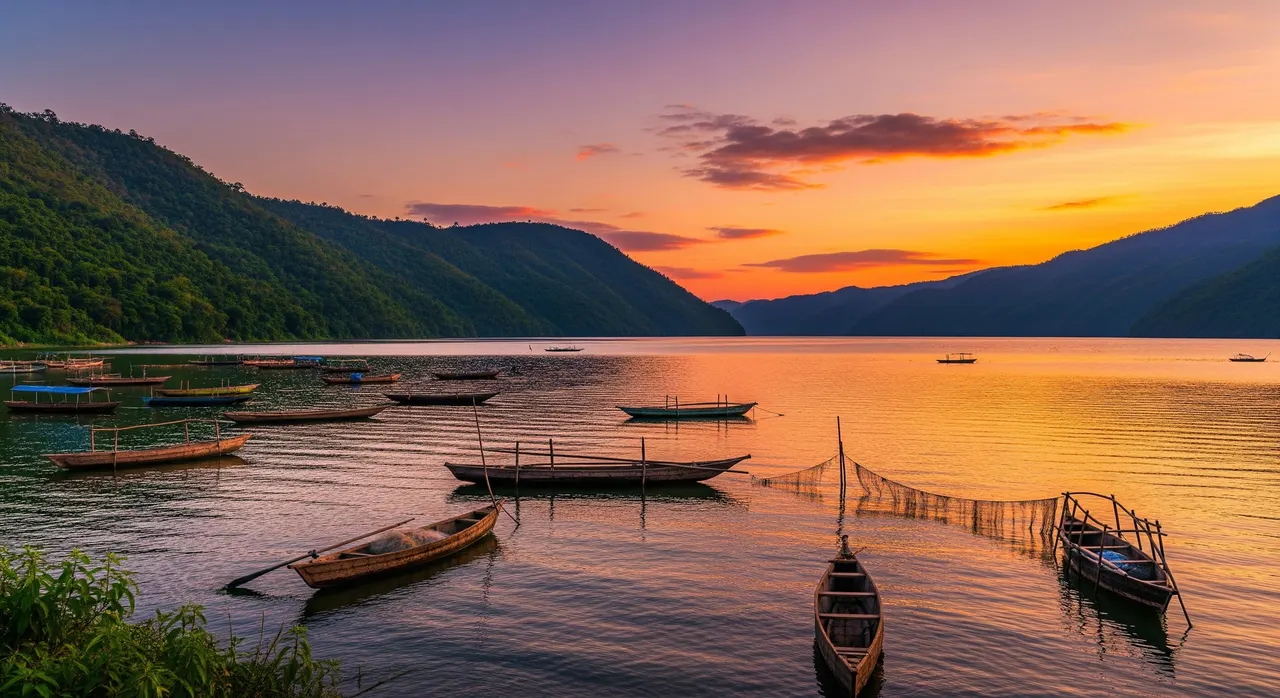
Living in Thailand from Somalia

Section 01

Why Somali Citizens Are Choosing Thailand

Thailand offers Somalis a stable, well-connected environment that can be hard to find at home. Modern infrastructure, dependable electricity and water, fast fibre internet and internationally accredited hospitals are everyday realities here. The cost of living is moderate, the tropical climate is a welcome change from Somalia's long dry seasons, and the country's strong tourism culture means foreigners are common and rarely treated as outsiders. Crucially for Muslim arrivals, Thailand has a sizeable Muslim minority of its own, mosques in every major city, and halal food that is genuinely easy to find. For a remote worker, the combination of low overheads, good connectivity and a five-year visa runway is hard to beat — and the DTV is the visa built precisely for that lifestyle.

Section 02

Cost of Living: Somalia vs Thailand

Somalia is heavily reliant on imports, which pushes up the price of housing, electronics and many everyday goods, especially in Mogadishu. Thailand produces much of its own food and has a deep, competitive rental market, so day-to-day spending tends to stretch further. A comfortable single person can live well in Chiang Mai on roughly $900–$1,200 a month including rent, while Bangkok and the islands run higher. The biggest savings for most Somalis show up in food, domestic transport and healthcare.

Monthly cost snapshot

A modern one-bedroom apartment in central Bangkok typically rents for around 15,000–25,000 THB ($420–$700) a month, and noticeably less in Chiang Mai. A filling meal at a local Thai restaurant costs 50–100 THB ($1.50–$3), and street food less. Coworking memberships in Chiang Mai start near 1,800 THB ($50) a month. A typical ATM withdrawal of foreign cards carries a fixed fee of about 220 THB. Compared with import-priced Mogadishu, rent, food and transport are generally cheaper in Thailand.

Section 03

Getting to Thailand from Somalia

There are no direct flights between Somalia and Thailand, so the journey runs through a Gulf or East African hub. The most common one-stop routes connect Mogadishu (MGQ) and Hargeisa (HGA) to Bangkok via Addis Ababa, Dubai, Doha or Nairobi. Door-to-door, expect roughly 12–16 hours of total travel time depending on the layover. Bangkok has two airports — Suvarnabhumi (BKK) handles most full-service carriers and Don Mueang (DMK) most low-cost flights — and both link easily onward to Chiang Mai, Phuket and Pattaya.

Time zone advantage

Thailand is 4 hours ahead of Somalia (Bangkok is UTC+7; Somalia is UTC+3). When it is 9 AM in Mogadishu it is 1 PM in Bangkok. That gentle gap is friendly for remote work: you can finish a focused Thai morning, then still catch the Somali business day in your afternoon.

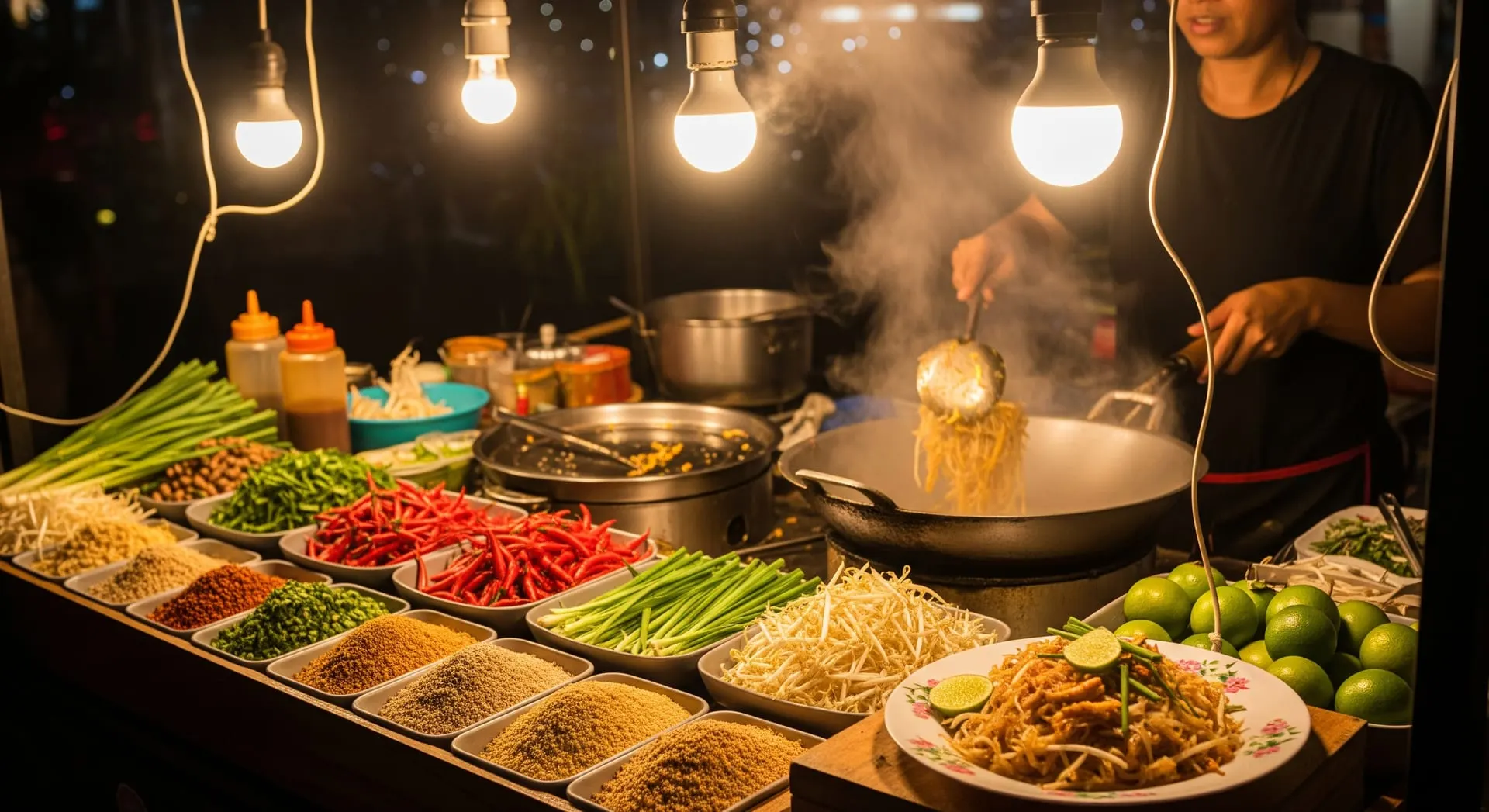
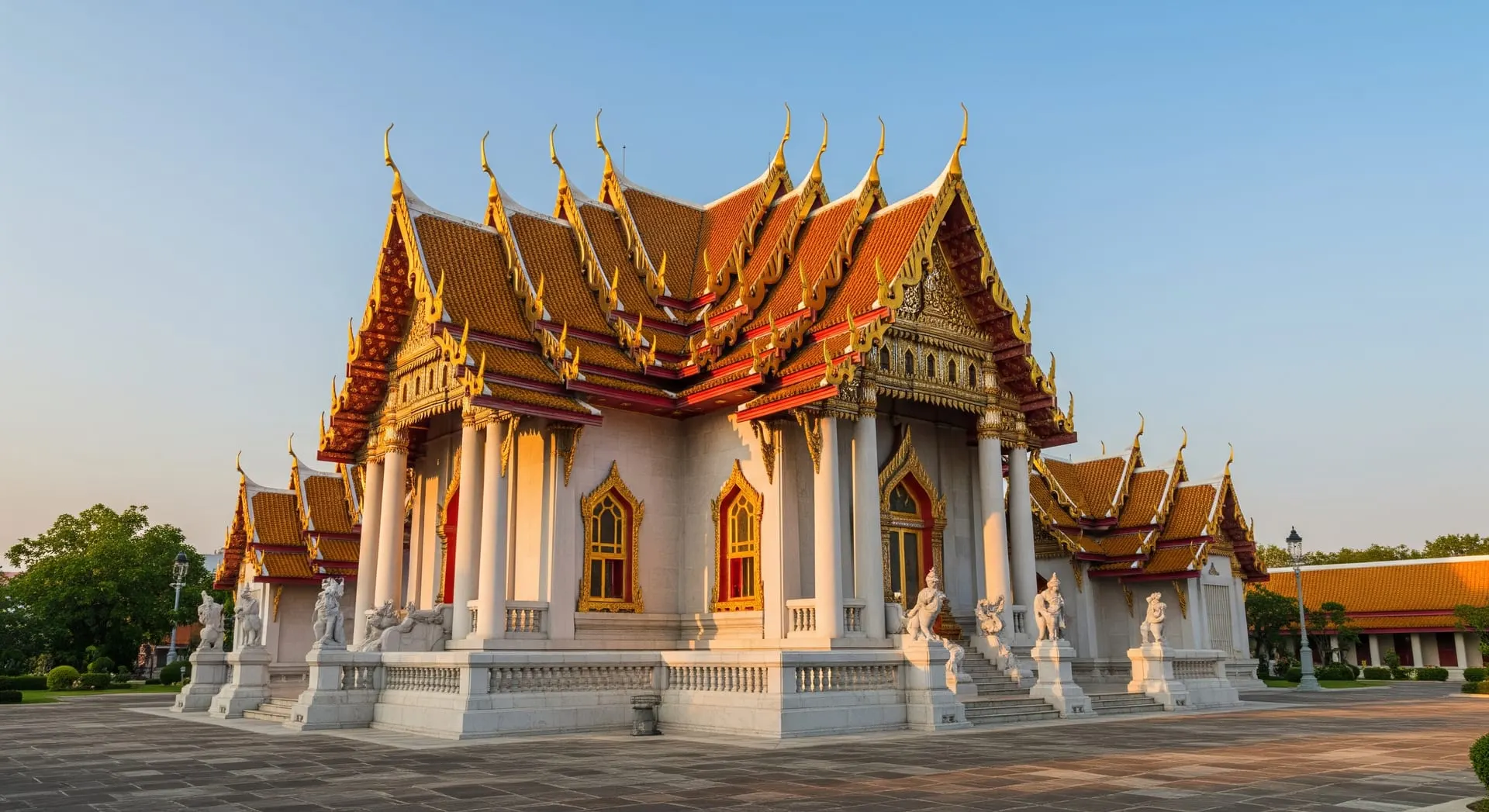
Daily life in Thailand — where Somali citizens settle on the DTV
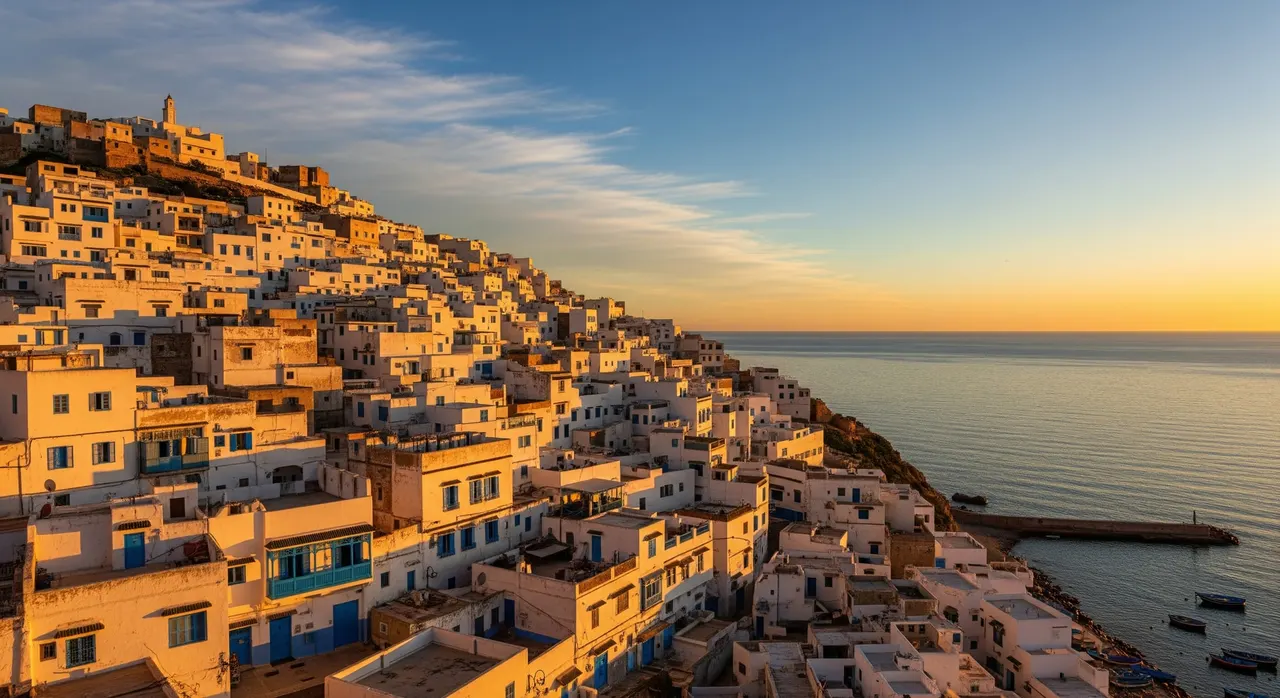
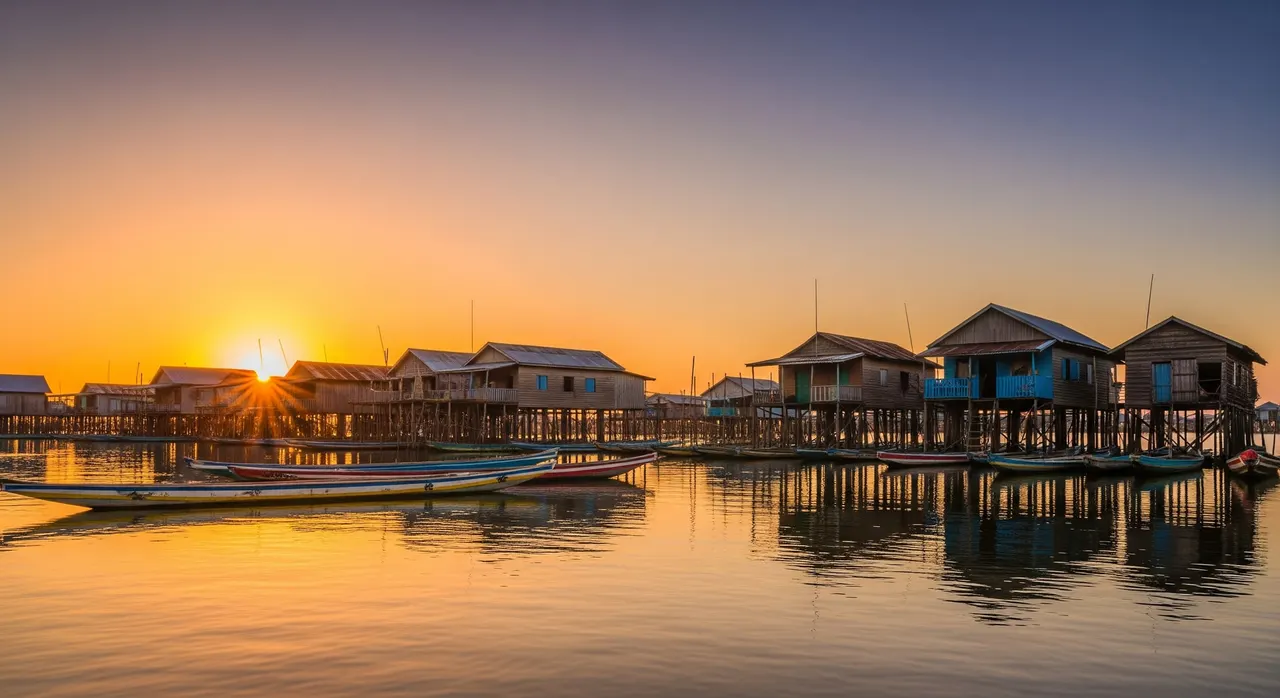
Life in Thailand — your home base on the 5-year DTV
Section 04

Where Somali Expats and Nomads Settle in Thailand

Most Somalis gravitate toward Bangkok first, for its international flights, large Muslim-friendly neighbourhoods and the country's widest selection of halal restaurants. Chiang Mai, in the cooler north, is the long-standing favourite of digital nomads thanks to its low rents, relaxed pace and strong coworking scene. Those who want beaches choose Phuket — which also has an established Muslim community and several mosques — or Pattaya for its lively, affordable coastal living. Wherever you land, a few weeks on a short-term lease before committing to a longer one is the smart way to test a neighbourhood.

  • Bangkok — best for flight connections, halal dining and big-city amenities; look at the Sukhumvit, Silom and Ramkhamhaeng areas.
  • Chiang Mai — lowest cost of living, cool climate and the densest nomad and coworking community.
  • Phuket — beaches plus an established Muslim community and mosques on the island.
  • Pattaya — affordable seaside living within easy reach of Bangkok.
Section 05

Money & Banking for Somalis in Thailand

Thailand still runs largely on cash for small daily purchases, though the local PromptPay mobile-payment system and card acceptance are growing fast in cities. International debit and credit cards work at most ATMs, but a fixed foreign-card withdrawal fee of around 220 THB applies on top of your home bank's charges, so larger, less frequent withdrawals are more economical. Many Somali arrivals bring some USD as a buffer and then open a Thai bank account once settled, which makes paying rent and receiving funds far simpler. A long-stay visa such as the DTV, plus proof of a local address, generally improves your chances when applying to open an account.

Proof of funds

The DTV requires you to show personal funds of 500,000 THB (~$15,000) — for example in a bank account or investment portfolio — to demonstrate you can support yourself during your stay. This is a financial-capacity check, not a payment; the money stays yours.

Section 06

Documents & Translation for Somali Applicants

Plan for certified translations

Somalia's official languages are Somali and Arabic, so supporting documents such as bank statements are likely to need a certified English or Thai translation before submission. Build a little extra time into your preparation for this, and keep both originals and translations together. When you apply through us, we review every document up front and point you to trusted translation services so nothing is rejected for a technicality.

Section 07

Daily Life & Community

  • Halal food is widely available — from street-side grilled chicken and seafood to full-service restaurants, with the deepest choice in Bangkok's Sukhumvit and Silom districts and on Phuket.
  • Mosques are present in all major cities, and Thailand's own Muslim minority makes Islamic practice straightforward.
  • International hospitals such as Bumrungrad and Bangkok Hospital offer high-quality, English-speaking care at prices well below Western countries.
  • Fast, reliable fibre internet across the cities supports video calls, large uploads and heavy remote-work use.
  • Thailand is among the safer countries in the region for day-to-day life, and a strong service culture makes settling in easier.
  • A growing Somali and wider African diaspora connects through mosques, WhatsApp groups and expat meetups, smoothing the first few months.
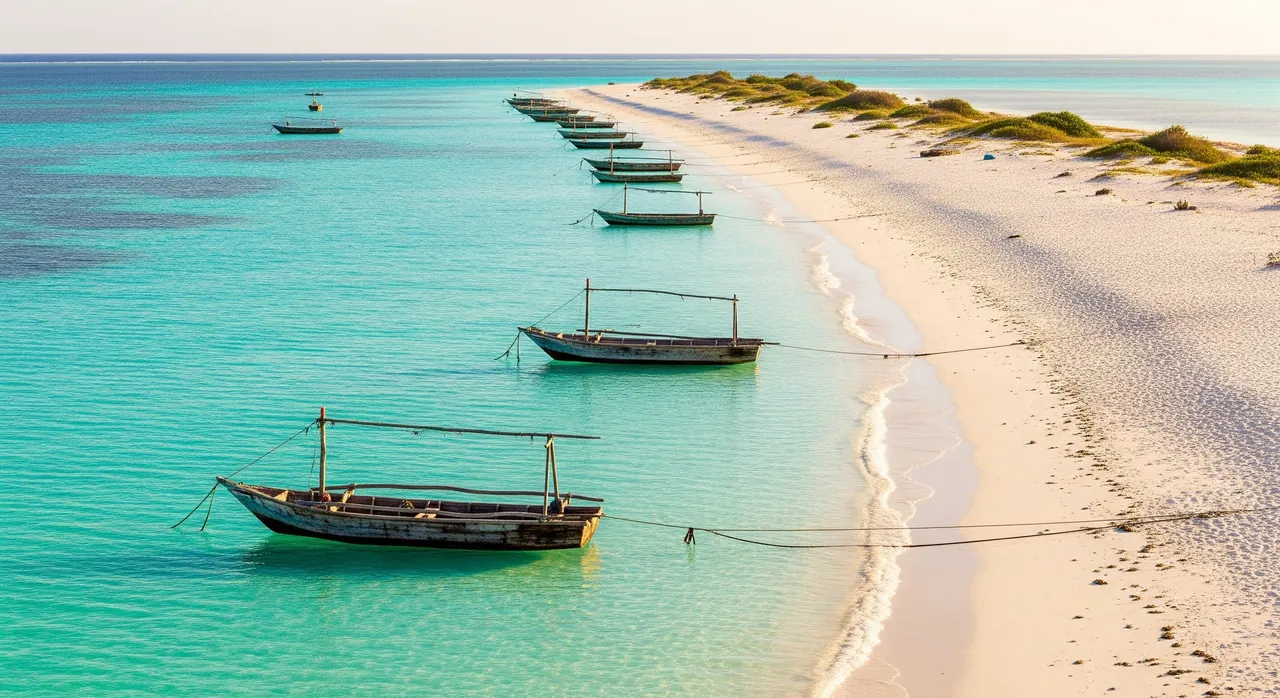
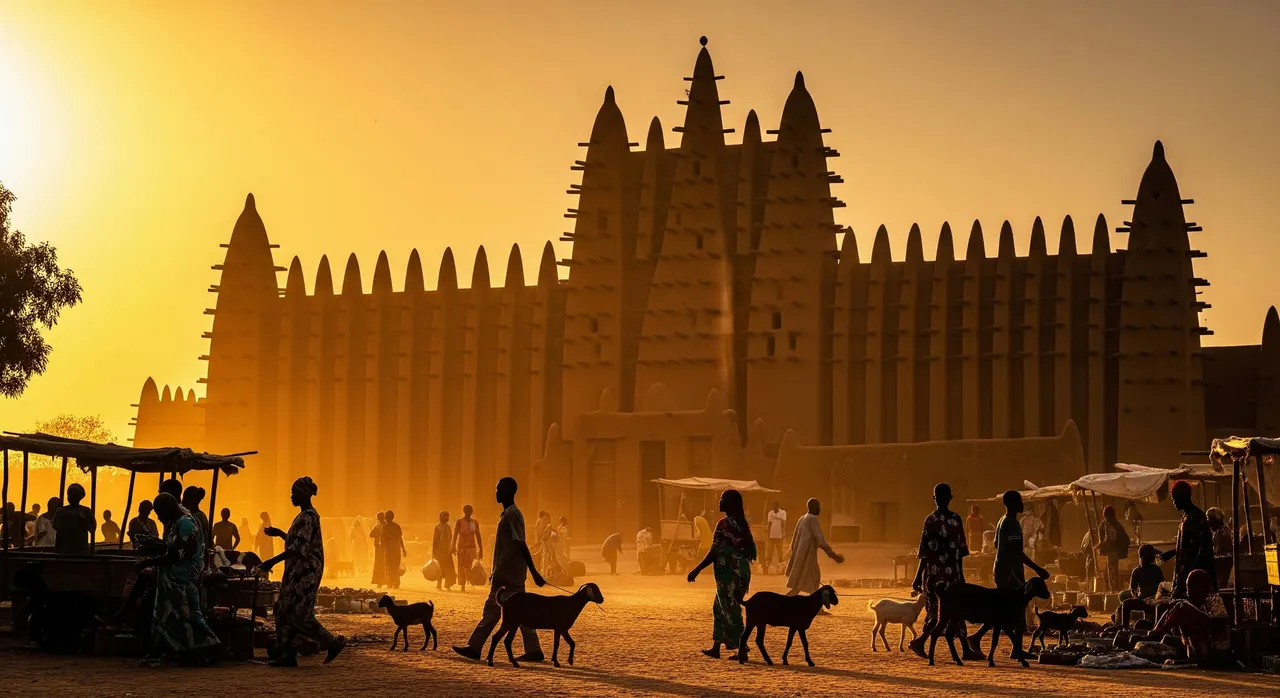
Somalia — your starting point before relocating to ThailandSomalia
From Somalia to Thailand

Make the move from Somalia

Trade Somalia for up to five years in Thailand on the DTV. We prepare and submit your entire application from wherever you are — proof of funds, category evidence and passport — so you can focus on the move, not the paperwork.

Check eligibility
Step by step

How Somali citizens apply for the DTV

1

Check you qualify

Almost every nationality can apply. Take our free 60-second eligibility checker to confirm your route — remote work, soft power, medical or family.

2

We prepare everything

We assemble and review your documents: proof of 500,000 THB (~$15,000), your category evidence and passport — so nothing gets rejected.

3

We submit for you

You apply from outside Thailand. We file at a Thai embassy or consulate (such as Hanoi, Ho Chi Minh, Jakarta, Vientiane or London) within one business day.

4

Get approved & move

On approval you get the 5-year, multiple-entry DTV — up to 180 days per stay, extendable once. Then make Thailand home.

Questions

DTV FAQ for Somali citizens

What is the Destination Thailand Visa (DTV) and how long is it valid?

The DTV is a 5-year multiple-entry visa. It lets you stay in Thailand for up to 180 days per entry, and you can extend that stay once for an additional 180 days, giving you close to a full year per visit with great flexibility to come and go.

Can I apply for the DTV from inside Somalia?

You apply from outside Thailand — Somalia is perfectly fine. Our team prepares and submits the entire application on your behalf, so you handle the visa from home and only travel to Thailand once it is in order.

Can I work remotely for my Somali or overseas employer while living in Thailand on the DTV?

Yes. The DTV is designed for remote workers, freelancers and digital nomads. You can work for clients or an employer based outside Thailand while living there on the visa.

What are the financial requirements for the DTV?

You must show proof of personal funds of at least 500,000 THB (approximately $15,000). This can sit in a bank account, an investment portfolio, or a combination, and simply demonstrates that you can support yourself during your stay.

As a Somali citizen, do I need to have my documents translated?

Most likely, yes. Because Somalia's official languages are Somali and Arabic rather than English, supporting documents such as bank statements will usually need a certified English or Thai translation. We review your paperwork in advance and point you to trusted translators so it meets Thai requirements.

What happens if my DTV application is denied?

With our optional Denial Protection add-on, you receive a 100% refund of our service fee if your application is denied — so there is no financial risk in applying through us.

How much does your DTV application service cost?

Our service starts from $139. For that we handle the full process — document review, preparation and submission — to give you a smooth, low-stress experience.

What is the time difference between Somalia and Thailand, and will it affect my remote work?

Thailand is 4 hours ahead of Somalia. When it is 9 AM in Mogadishu, it is 1 PM in Bangkok. The modest gap works well for remote work — you can put in a focused Thai morning and still reach Somali contacts in your afternoon.

How do I get from Somalia to Thailand?

There are no direct flights, so you connect through a hub such as Addis Ababa, Dubai, Doha or Nairobi. One-stop routes link Mogadishu and Hargeisa to Bangkok in roughly 12–16 hours of total travel time, depending on the layover.

Is Thailand really more affordable than living in Somalia?

For most people, yes. Somalia depends heavily on imports, which raises prices, while Thailand produces much of its own food and has a competitive rental market. A comfortable single person can live well in Chiang Mai on roughly $900–$1,200 a month, with food, transport and healthcare typically cheaper than in Mogadishu.

Do I need to speak Thai to live in Thailand on the DTV?

No. In the major cities and tourist areas English is widely spoken, and there are large foreign communities. Learning a few basic Thai phrases will enrich daily life and help at local markets, but it is not a requirement.

Ready to move to Thailand from Somalia?

Check your eligibility in under a minute, or let our team prepare and submit everything — with a 100% refund if your application is denied (with the optional paid Denial Protection add-on).