Skip to content
Europe

DTV Visa for Slovenian Citizens

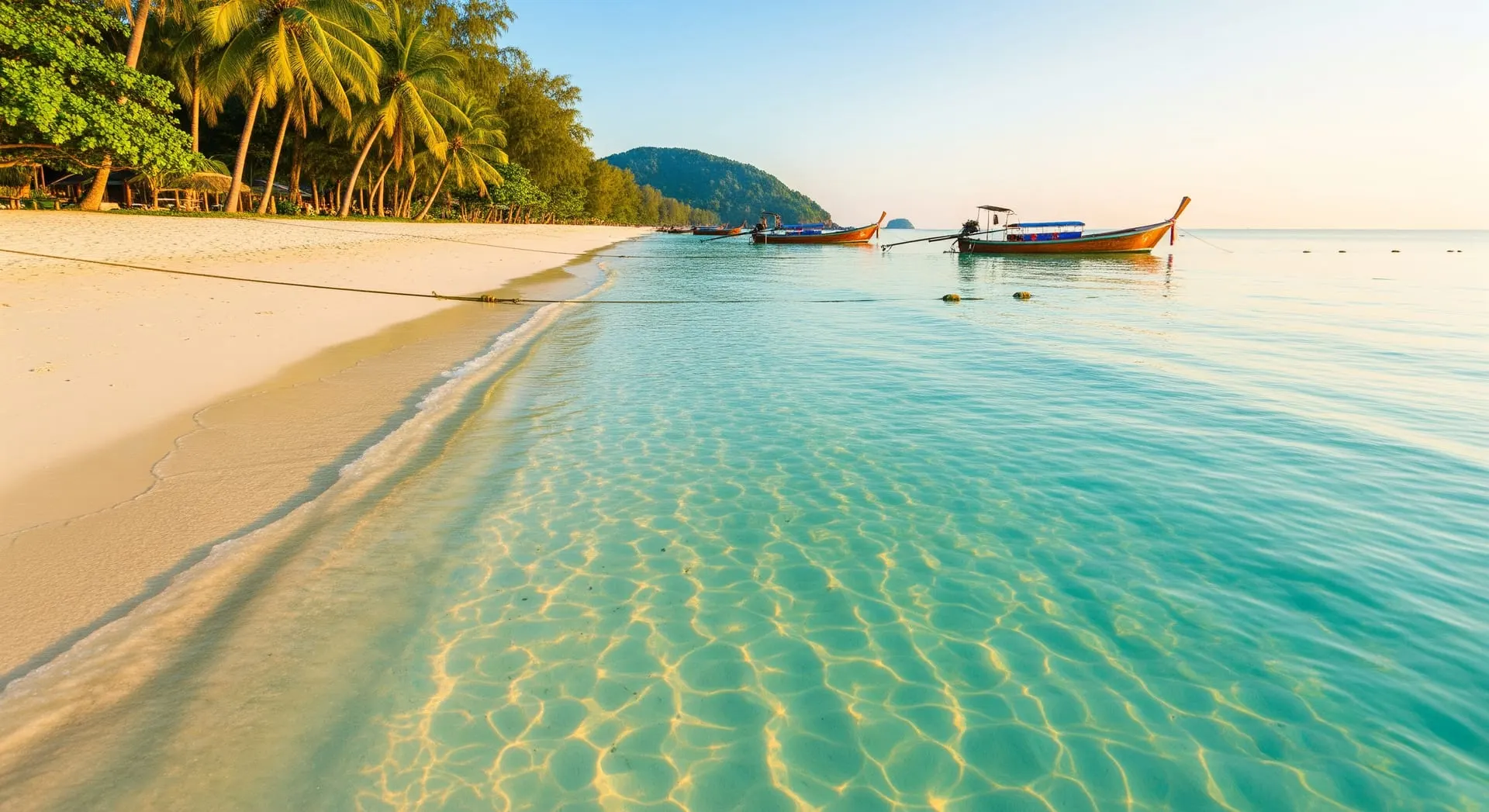
Tired of grey winters and high living costs? More Slovenians than ever are trading the Julian Alps for the Andaman Sea, drawn by Thailand’s year-round sunshine, its thriving digital nomad scene, and a cost of living that makes your euros go much further. Whether you’re a freelancer from Ljubljana, a developer in Maribor, or a remote worker craving an adventurous change of scenery, Thailand offers a rare blend of comfort, culture and connectivity. With the Destination Thailand Visa (DTV), the dream of living and working from the Land of Smiles has never been more attainable for Slovenian citizens.

Every Slovenian citizen is eligible to apply

5

Years validity

180

Days per entry

500k

THB proof of funds

$139

Service fee from

100%

Refund if denied*

Why Slovenian citizens choose Thailand

Living in Thailand from Slovenia

Section 01

Why Slovenians Are Moving to Thailand

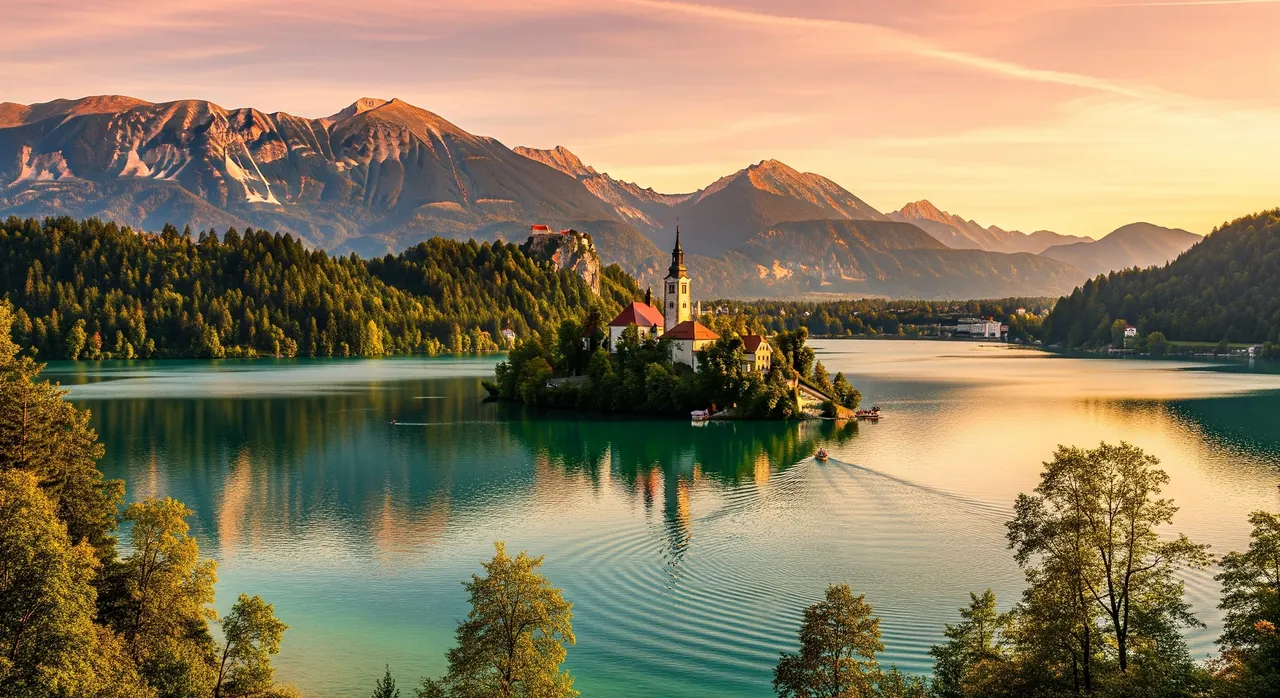
Slovenia’s emerald lakes, Alpine peaks and high quality of life are genuinely enviable, but the long, often grey winters and short daylight hours can wear down even the most resilient. Thailand flips the script: a tropical climate with endless summer, where you can plan outdoor life without ever checking the forecast. For Slovenians the appeal goes well beyond the weather. The cost of living is dramatically lower, so remote workers can either enjoy a much higher standard of living or save aggressively while still eating out daily, renting a modern condo and travelling around Southeast Asia.

Thailand’s well-established nomad infrastructure—fast, reliable internet, abundant coworking spaces and a culture that genuinely welcomes foreigners—makes it a natural fit. The relaxed pace and the energy of cities like Bangkok and Chiang Mai offer a freedom many find liberating compared to the more structured rhythm of life back home.

The DTV at a glance

The Destination Thailand Visa is a 5-year multiple-entry visa. Each entry lets you stay up to 180 days, and you can extend that once for another 180 days — roughly a year on the ground per cycle. You apply from outside Thailand, you show proof of 500,000 THB (~$15,000) in personal funds, and our team prepares and submits the entire application for you, with service from $139.

Section 02

Cost of Living: Slovenia vs Thailand

If you’re used to Ljubljana rents, prepare to be amazed. A stylish one-bedroom apartment in the heart of Bangkok or Chiang Mai costs a fraction of what you’d pay in Slovenia’s capital. Daily expenses follow suit: street-food meals for under €2, local transport for pennies, and high-quality private healthcare at rates that make European prices look painful. For a Slovenian remote worker earning in euros, your income typically stretches two to three times further, leaving real room for savings or for the occasional splurge.

Coworking spaces in Thailand provide everything you’d expect—fast Wi-Fi, ergonomic chairs, meeting rooms—often for less than €100 a month. Even imported groceries and Western dining are reasonable once you know where to shop. All in, you can live very comfortably on €1,000–€1,500 a month, a budget that would barely cover the basics in Ljubljana.

Rent showdown: Ljubljana vs Chiang Mai

In Ljubljana, a one-bedroom city-centre flat averages around €700 per month. In Chiang Mai, a modern studio with a pool and gym in the trendy Nimman area runs about €270 — less than half. Even Bangkok’s smart Sukhumvit and Sathorn condos are often 30–40% cheaper than comparable Ljubljana rentals.

Section 03

Getting to Thailand from Slovenia

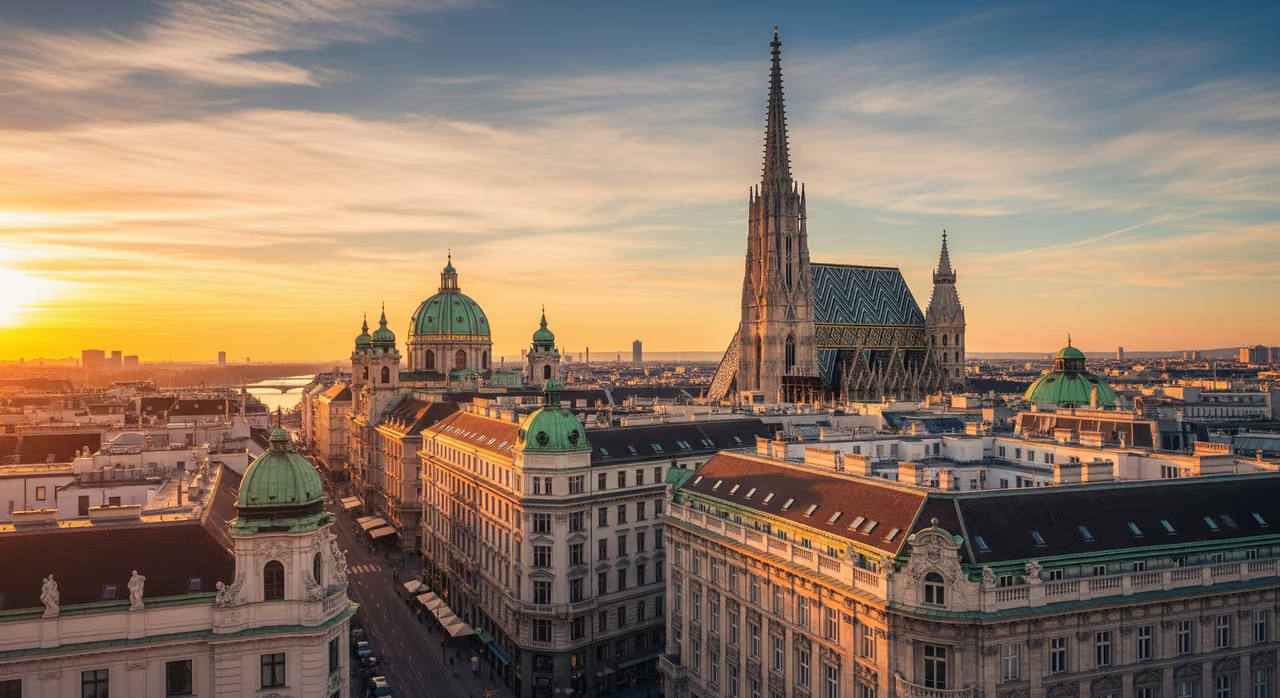
Reaching Thailand from Slovenia almost always means a connecting flight, as there are no direct services. The smoothest routes leave Ljubljana Jože Pučnik Airport (LJU) and connect through a single hub—Istanbul with Turkish Airlines, Frankfurt or Munich with Lufthansa, Vienna with Austrian, or a Gulf hub such as Dubai, Doha or Abu Dhabi—before landing at Bangkok’s Suvarnabhumi Airport (BKK). Total door-to-door travel time typically runs 13 to 17 hours depending on the layover. Many Slovenians simplify the trip by taking a short hop or a 2-hour drive to Venice, Vienna, or Zagreb and flying a one-stop itinerary from there.

Thailand runs on Indochina Time (ICT, UTC+7), while Slovenia is on Central European Time (UTC+1) in winter or Summer Time (UTC+2) from spring to autumn. That puts Bangkok 5 to 6 hours ahead of Ljubljana. For anyone serving European clients, the gap actually helps: you get quiet mornings for deep work, a natural overlap during the European afternoon, and your evenings free to enjoy Thailand.

Beating jet lag on the way east

Try to book a flight that lands in Bangkok in the late afternoon or early evening. Once you check in, push yourself to stay awake until 9–10 PM local time rather than napping. Flying east is the harder direction for the body clock, so a bit of disciplined daylight on day one helps you adjust roughly twice as fast.

Daily life in Thailand — where Slovenian citizens settle on the DTV
Life in Thailand — your home base on the 5-year DTV
Section 04

Where Slovenians Settle in Thailand

  • Bangkok – The buzzing capital for those who crave urban energy, world-class dining, fast transport and endless networking.
  • Chiang Mai – The laid-back northern hub beloved by digital nomads, with cool mountain air, hundreds of coworking cafés and an unbeatable cost of living.
  • Phuket – Tropical island living with stunning beaches, international schools and its own international airport for weekend escapes.
  • Koh Phangan – A bohemian island with a strong wellness scene, famous for full-moon parties but ideal for a balanced remote-work week.
  • Pattaya – A coastal city just 90 minutes from Bangkok, with a large established expat community and excellent value condos by the sea.

Slovenian expats often start in Chiang Mai or Bangkok, depending on whether they want calm or cosmopolitan. The north wins on affordability and a tight-knit nomad community; the capital offers superior amenities, an efficient metro and better international connections. A small but growing number of Slovenians are also discovering the islands, especially those after a slower, sea-facing lifestyle that still keeps all the modern comforts within reach.

Section 05

Money & Banking for Slovenians in Thailand

Moving money from Slovenia to Thailand is straightforward. Transfer services like Wise and Revolut offer near mid-market exchange rates and low fees, so converting euros to Thai baht is cheap and quick. Most expats keep their Slovenian bank account active—handy for SEPA payments and EU subscriptions—while using a Thai account for day-to-day local spending. Opening a Thai account once you’re settled is realistic with the right visa, a local address and a bit of patience.

ATMs are everywhere, but they charge up to 220 THB per withdrawal on foreign cards, so it pays to take out larger amounts at once or use a fee-friendly travel card. Cash is still king in markets and small shops, though QR-code payments via PromptPay are now used almost everywhere, from street vendors to taxis. Credit cards work fine at malls, hotels and bigger restaurants, but carry some cash for the rest.

Section 06

Documents & Translation

Because Slovenia’s official language is Slovenian, your supporting documents—bank statements, proof of remote income or employment, and similar paperwork—will likely need certified English or Thai translations for your DTV application, since Thai authorities expect everything in English or Thai. The good news is that this is routine: professional translators experienced with Thai visa requirements can turn documents around quickly, and we point you to trusted partners who know exactly what the authorities want to see. We review your full document set before anything is submitted so nothing gets bounced on a technicality.

Prepare your funds early

The 500,000 THB (~$15,000) proof-of-funds requirement is easiest to show with a few months of consistent bank statements. Make sure the money is seasoned in your account before you apply, and keep statements in your own name — we’ll tell you exactly how to present them and which translations you’ll need.

Section 07

Daily Life & Community in Thailand

Thailand’s healthcare is a genuine surprise for Slovenians. Private hospitals in the major cities rival or exceed European standards, with English-speaking doctors, short wait times and costs that are a fraction of private care at home. Many expats pair an international or local health insurance plan with a basic travel policy for full peace of mind.

Internet is fast and widely available, with strong 4G/5G almost everywhere and fibre broadband in condos and coworking spaces. Food is a national obsession, from sizzling street stalls to refined fine dining, and the country feels notably safe—violent crime is rare and petty theft is the main thing to watch. The Slovenian community is still small but growing; you’ll find pockets of Slovenian and wider ex-Yugoslav speakers in Chiang Mai and Bangkok, usually connected through Facebook groups for Balkan and European expats in Asia.

World-class healthcare for less

Private hospitals such as Bumrungrad and Samitivej in Bangkok, or Chiang Mai Ram in the north, are internationally JCI-accredited and handle everything from routine check-ups to advanced surgery — typically at a small fraction of comparable EU prices, with little or no waiting list.

Slovenia — your starting point before relocating to ThailandSlovenia
From Slovenia to Thailand

Make the move from Slovenia

Trade Slovenia for up to five years in Thailand on the DTV. We prepare and submit your entire application from wherever you are — proof of funds, category evidence and passport — so you can focus on the move, not the paperwork.

Check eligibility
Step by step

How Slovenian citizens apply for the DTV

1

Check you qualify

Almost every nationality can apply. Take our free 60-second eligibility checker to confirm your route — remote work, soft power, medical or family.

2

We prepare everything

We assemble and review your documents: proof of 500,000 THB (~$15,000), your category evidence and passport — so nothing gets rejected.

3

We submit for you

You apply from outside Thailand. We file at a Thai embassy or consulate (such as Hanoi, Ho Chi Minh, Jakarta, Vientiane or London) within one business day.

4

Get approved & move

On approval you get the 5-year, multiple-entry DTV — up to 180 days per stay, extendable once. Then make Thailand home.

Questions

DTV FAQ for Slovenian citizens

What exactly is the Destination Thailand Visa for Slovenian citizens?

It’s a 5-year multiple-entry visa that lets you stay in Thailand for up to 180 days per entry, extendable once by a further 180 days. It’s designed for remote workers, freelancers and anyone wanting a long-term base in Thailand. You apply from outside Thailand, and we handle the entire application so you don’t have to navigate the paperwork alone.

How much does the DTV cost through your service?

Our service starts from $139 and covers preparing and submitting your application end to end. For extra peace of mind you can add our optional Denial Protection, which gives you a 100% refund if your visa is denied.

Do I need to show proof of funds?

Yes. You’ll need to show 500,000 THB (approximately $15,000) in personal funds — typically via bank statements, investment accounts, or a combination. We guide you on exactly how to present this so it meets the requirement cleanly.

Can I work legally in Thailand with this visa?

Yes, for remote work. The DTV is built for people earning from a company or clients based outside Thailand. You can’t take a job with a Thai employer, but you can live in Thailand while earning from your Slovenian or international clients.

Will my Slovenian documents need to be translated?

Most likely, yes. Because Slovenia’s official language is Slovenian, documents such as bank statements and proof of income will usually need a certified English or Thai translation, since Thai authorities work in English or Thai. We point you to trusted translators who handle this routinely.

How long are the flights from Slovenia to Thailand?

There are no direct flights, so expect one stop. From Ljubljana, connecting routes via Istanbul, Frankfurt, Vienna or a Gulf hub typically take 13 to 17 hours in total, depending on the layover. Flying from Venice, Vienna or Zagreb can sometimes open up faster options.

Is there a Slovenian community in Thailand?

It’s still small but growing. You’ll find Slovenian and wider Balkan expats and digital nomads concentrated in Chiang Mai and Bangkok. Facebook groups for Balkan and European expats in Thailand are great for connecting and getting local tips from people who’ve already made the move.

How does the time difference affect remote work?

Bangkok is 5–6 hours ahead of Ljubljana (UTC+7 versus UTC+1/+2). Many remote workers find this helpful: you can do focused work in the morning, overlap with the European afternoon for calls, and keep your evenings free in Thailand.

What’s the cost of living really like compared to Slovenia?

Most people cut their monthly outgoings by 40–60%. Rent is often half or less, meals can cost a couple of euros, and coworking is cheap. A comfortable life in Chiang Mai might run €1,000–€1,500 a month, where the same setup in Ljubljana would easily top €2,000.

Can I bring my family on the DTV?

Yes. The DTV allows you to include your spouse and dependent children, who receive the same length of stay as you. There’s some extra paperwork for dependents, and we handle the family application alongside yours so everyone is covered together.

What happens if my application is denied?

With our thorough preparation we catch issues before anything is submitted, so problems are rare. For complete reassurance you can add our optional Denial Protection: if your application is rejected, we refund 100% — no quibbling.

Ready to move to Thailand from Slovenia?

Check your eligibility in under a minute, or let our team prepare and submit everything — with a 100% refund if your application is denied (with the optional paid Denial Protection add-on).