Skip to content
Europe

DTV Visa for Serbian Citizens
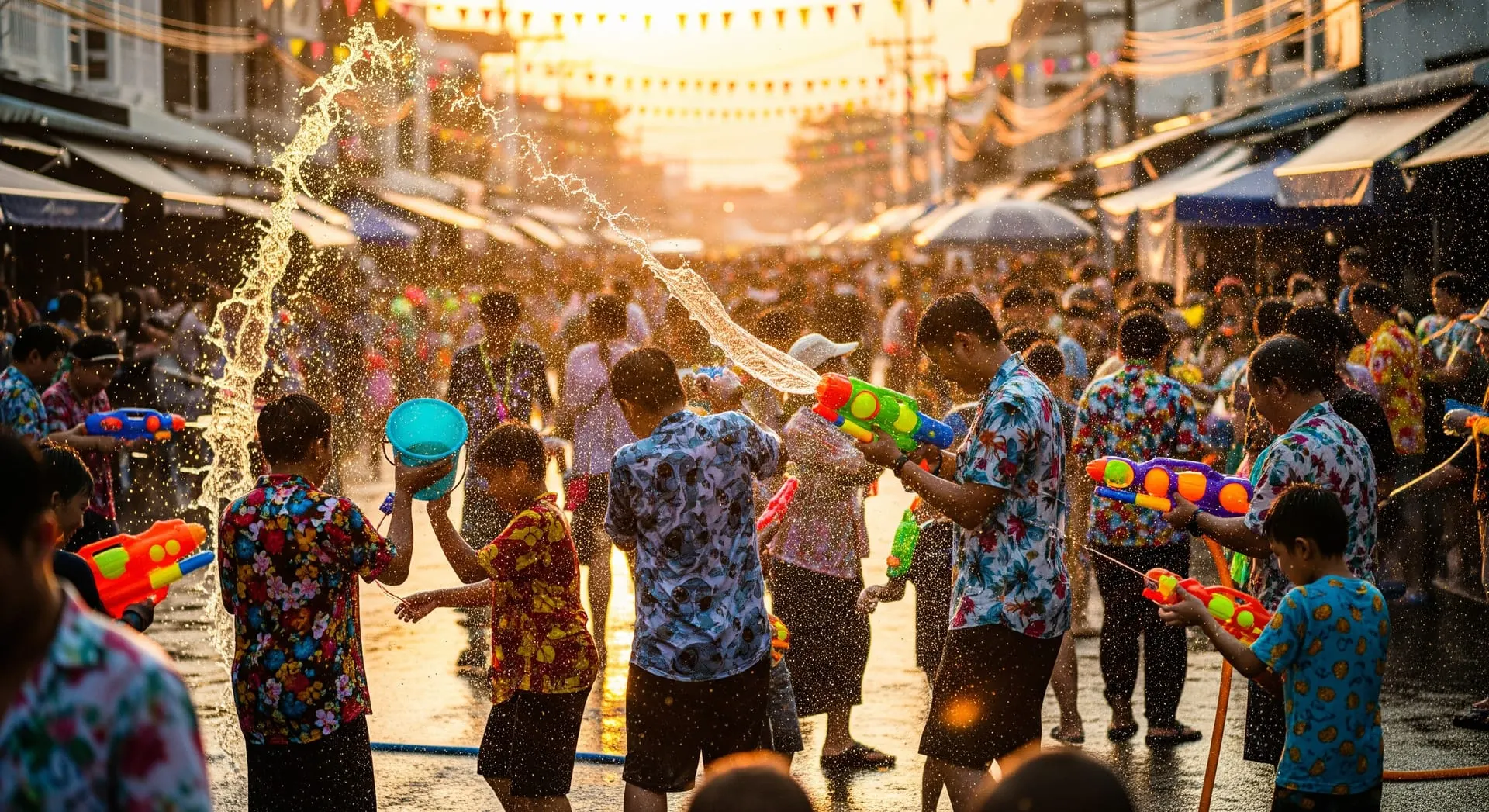
For Serbian nationals, the Destination Thailand Visa (DTV) opens the door to a land of endless summer, affordable living and some of the world's most welcoming digital-nomad hubs. The DTV is a 5-year multiple-entry visa that lets you stay up to 180 days per entry , extendable once inside Thailand for a further 180 days. Whether you picture yourself working from a Chiang Mai café, exploring Bangkok's street-food lanes or watching the sun set over a Phuket beach, Thailand now offers Serbs a genuine long-term base far from a Belgrade winter.

Every Serbian citizen is eligible to apply

5

Years validity

180

Days per entry

500k

THB proof of funds

$139

Service fee from

100%

Refund if denied*

Why Serbian citizens choose Thailand

Living in Thailand from Serbia

Section 01

Why Serbians Are Choosing Thailand

More Serbian professionals and remote workers are making the move to Thailand, drawn by a cost of living that stretches a euro further than in Belgrade or Novi Sad. A comfortable single person's budget in Serbia might run €800–€1,200 a month; in Chiang Mai or Bangkok you can match that lifestyle—often with warmer weather, tropical beaches and a much larger international community—while keeping more aside for travel and dining out.

Add year-round sunshine, modern private hospitals at a fraction of Western prices and an established network of nomads from across the Balkans and Europe, and it is easy to see why the Land of Smiles is becoming a second home for Serbs. The DTV removes the old headache of border runs every 30 or 60 days, giving you the stability to actually settle.

The DTV at a Glance

5-year multiple-entry visa; stay up to 180 days per entry, extendable once for another 180; proof of 500,000 THB (~$15,000) in personal funds; apply from outside Thailand while the company prepares and submits everything for you. Service from $139, with a 100% refund if your application is denied (with the optional Denial Protection add-on).

Section 02

Cost of Living: Serbia vs. Thailand

Serbia is already affordable by Western-European standards, so the headline difference is smaller than for, say, a Londoner—but Thailand still wins on lifestyle for the money. A modern one-bedroom apartment in Chiang Mai's Nimman district rents for roughly $300–$450 a month; the equivalent in central Belgrade (Vračar or Dorćol) is closer to $450–$650. Street-food lunches in Thailand cost $1.50–$3, versus €5–€8 for a sit-down meal in Belgrade, and a litre of petrol or a domestic flight is comparable or cheaper.

Where Serbia keeps the edge is utilities and some imported groceries; where Thailand pulls ahead is dining out, casual transport and tropical produce. Currency-wise you'll mentally convert from the Serbian dinar (RSD) to the Thai baht (THB) —roughly 1 THB ≈ 3 RSD, which makes day-to-day pricing easy to read once you settle in.

  • One-bed apartment, city centre: ~$300–$450 (Chiang Mai) vs ~$450–$650 (Belgrade)
  • Casual meal out: $1.50–$3 (Thailand) vs €5–€8 (Serbia)
  • Monthly transport: scooter rental or cheap songthaews/BTS vs Belgrade bus passes
  • Domestic SIM with generous data: a few dollars a month
  • Private GP visit: often $15–$30 out of pocket at a Thai private clinic
Section 03

Getting to Thailand from Serbia

There are no direct flights from Serbia to Thailand, but one-stop connections from Belgrade Nikola Tesla Airport (BEG) to Bangkok are plentiful. The most common routings are via Istanbul with Turkish Airlines, via Doha with Qatar Airways, or via Dubai/Abu Dhabi with Emirates or Etihad—total journey time is typically 13–17 hours including the layover. Air Serbia also feeds easily into these hubs. Once you land at Suvarnabhumi (BKK), onward domestic flights to Chiang Mai or Phuket are short and cheap.

Thailand runs on ICT (UTC+7) , so it is 6 hours ahead of Serbia in winter (Serbia is UTC+1) and 5 hours ahead in summer (Serbia is UTC+2 on daylight saving). That offset is a quiet advantage for remote workers: handle morning calls with colleagues or clients in Belgrade, then enjoy the rest of the Thai day at leisure.

Travel Tip

Book flights 2–3 months ahead for the best fares out of Belgrade, and keep your first ticket flexible—you may well decide to stay the full 180 days per entry. Turkish Airlines via Istanbul usually has the most frequent BEG–BKK options for Serbs.

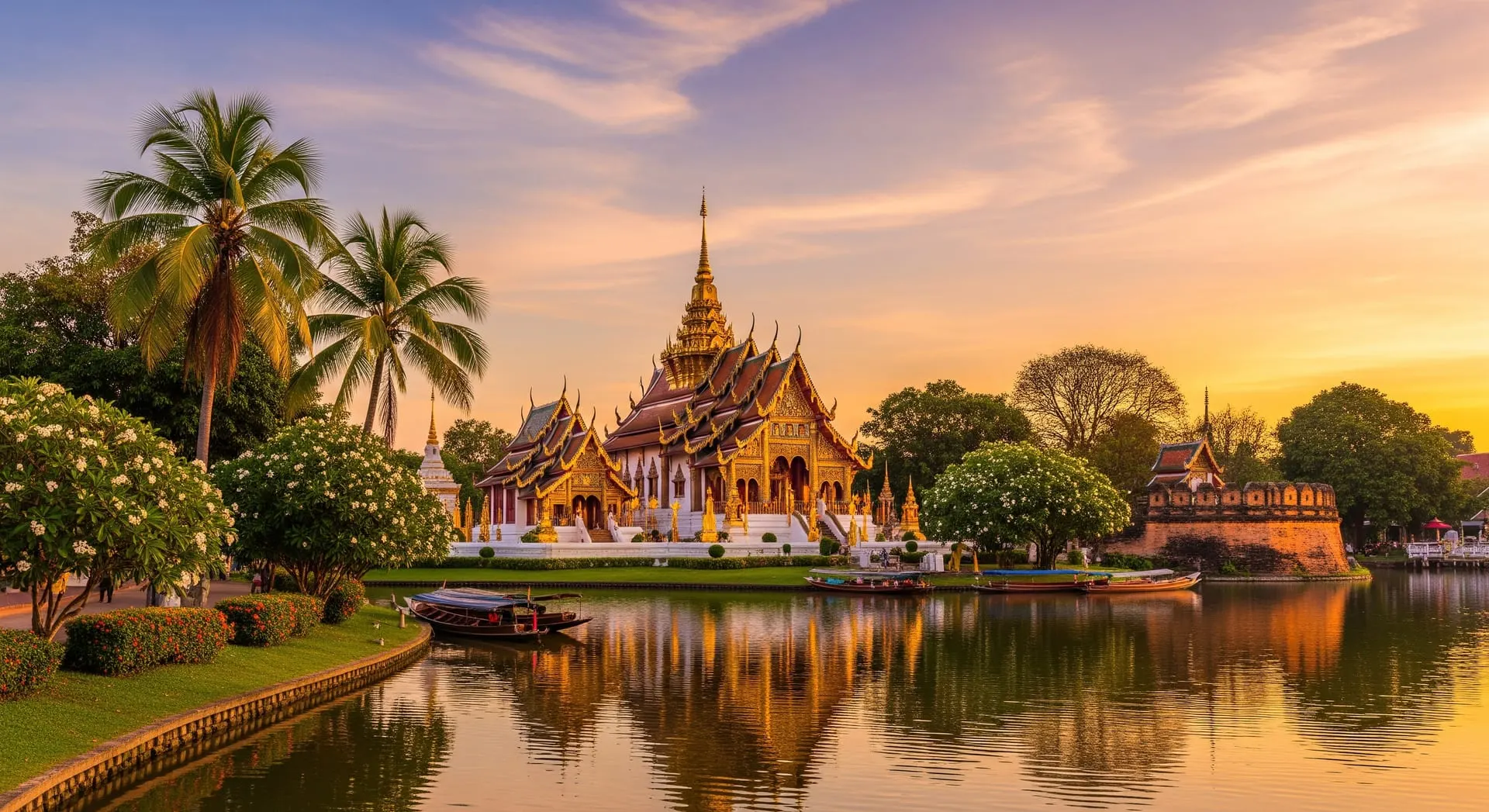
Daily life in Thailand — where Serbian citizens settle on the DTV
Life in Thailand — your home base on the 5-year DTV
Section 04

Where to Settle in Thailand

Most Serbs gravitate to one of three bases depending on their priorities—buzzing city life, affordable nomad community or beachside calm. Each has reliable internet, coworking spaces and a critical mass of English-speaking expats, so you are never starting from scratch.

  • Bangkok – Sukhumvit and Phrom Phong for urban energy, coworking and easy international flights
  • Chiang Mai – Nimmanhaemin for the famous digital-nomad scene, mountain air and the lowest costs
  • Phuket – Rawai and Chalong for beach life and a growing community of Europeans, including Balkan expats
  • Pattaya – a budget-friendly coastal option close to Bangkok with a large existing expat base
Section 05

Money & Banking

For the DTV you'll need to show 500,000 THB (~$15,000) in personal funds—typically evidenced through a bank statement. This is a financial-capacity check, not a fee you hand over. Once in Thailand, your Serbian debit and credit cards work at ATMs nationwide, though most Thai ATMs charge a fixed foreign-card fee of around 220 THB per withdrawal , so it pays to take out larger amounts less often.

Many longer-stay nomads eventually open a Thai bank account for local transfers and PromptPay (Thailand's instant payment system), which makes paying rent and splitting bills effortless. Multi-currency cards such as Wise or Revolut are popular with Serbs for getting good RSD-to-THB rates and avoiding double conversion through the euro.

Section 06

Documents & Translation

You apply for the DTV from outside Thailand , and the company prepares and submits the full application package for you—so you're not deciphering forms alone. Serbia's official language is Serbian , written in both Cyrillic and Latin script, so financial documents issued at home will usually need a certified English (or Thai) translation . In practice that means your Serbian bank statements and any supporting paperwork should be translated by a certified translator before submission. Gather a valid passport with at least six months' validity, recent bank statements covering the required funds and evidence of your remote work or income source, and the rest is handled for you.

Paperwork Tip

Ask your Serbian bank for statements that clearly show your name, account number and balance, then have them certified-translated into English in one batch. Clean, consistent documents make the whole process smoother.

Section 07

Daily Life & Community

Day-to-day life in Thailand is easy to slot into. English is widely spoken in tourist and expat areas, food delivery and ride apps (Grab, Bolt, LINE MAN) are excellent and cheap, and the pace is famously relaxed. Serbs often comment on how social the nomad scene is—coworking happy hours, fitness and Muay Thai gyms, and Facebook and Telegram groups for everything from apartment hunting to finding fellow Balkan and ex-Yugoslav expats.

You'll trade ćevapi and a Belgrade kafana for pad thai and a beachfront bar, but the rhythm of long coffees, late dinners and good company will feel familiar. With the DTV's long horizon, you can build real routines—a regular gym, a favourite café office, weekend trips to the islands—rather than living visa run to visa run.

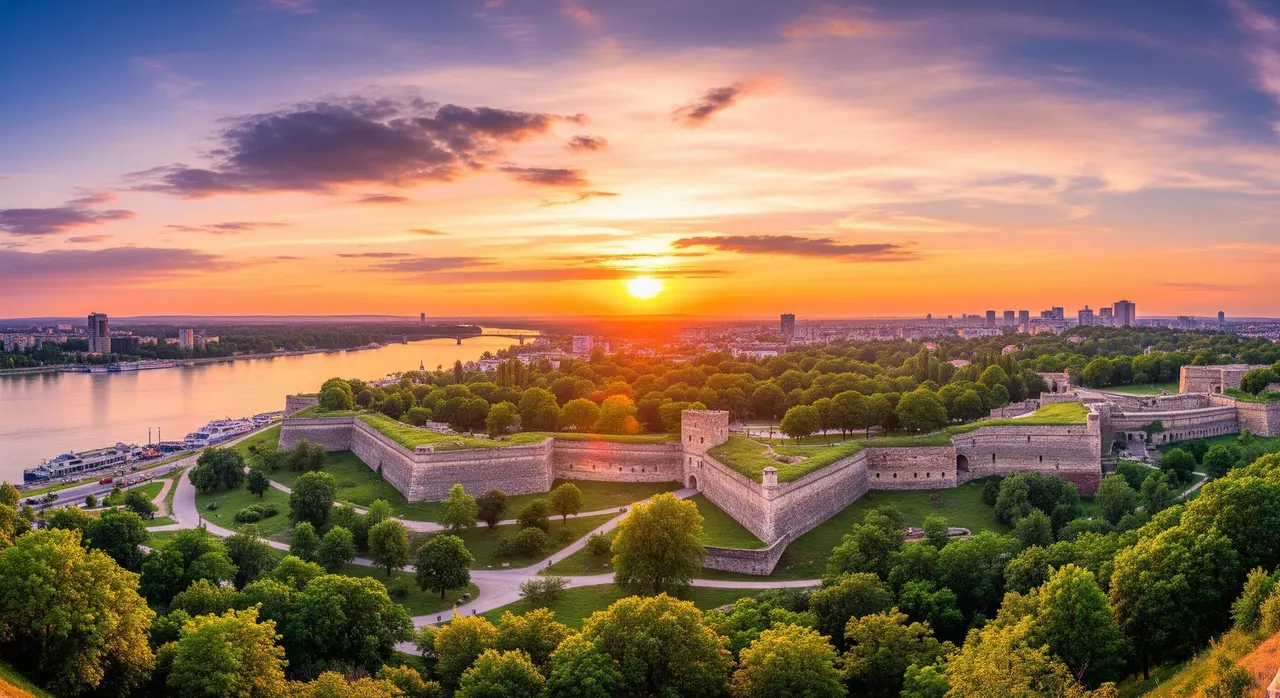
Serbia — your starting point before relocating to ThailandSerbia
From Serbia to Thailand

Make the move from Serbia

Trade Serbia for up to five years in Thailand on the DTV. We prepare and submit your entire application from wherever you are — proof of funds, category evidence and passport — so you can focus on the move, not the paperwork.

Check eligibility
Step by step

How Serbian citizens apply for the DTV

1

Check you qualify

Almost every nationality can apply. Take our free 60-second eligibility checker to confirm your route — remote work, soft power, medical or family.

2

We prepare everything

We assemble and review your documents: proof of 500,000 THB (~$15,000), your category evidence and passport — so nothing gets rejected.

3

We submit for you

You apply from outside Thailand. We file at a Thai embassy or consulate (such as Hanoi, Ho Chi Minh, Jakarta, Vientiane or London) within one business day.

4

Get approved & move

On approval you get the 5-year, multiple-entry DTV — up to 180 days per stay, extendable once. Then make Thailand home.

Questions

DTV FAQ for Serbian citizens

What exactly is the Destination Thailand Visa (DTV) for Serbian citizens?

The DTV is a 5-year multiple-entry visa that lets Serbian nationals stay in Thailand for up to 180 days per entry. That stay can be extended once for an additional 180 days from inside Thailand, making it ideal for remote workers, freelancers and long-stay travellers whose income comes from outside the country.

Can I apply for the DTV while still in Serbia?

Yes. You must submit your application from outside Thailand, and Serbia is a perfectly valid place to do that. You don't have to navigate it alone either—the company prepares and submits the entire application package on your behalf, so you can start the process from Belgrade, Novi Sad or anywhere else.

How much money do I need to show for the DTV?

You'll need to demonstrate proof of funds of at least 500,000 THB (approximately $15,000) in personal funds, typically via a bank statement. This is a financial-capacity check to show you can support yourself—not a fee, and not something you pay per entry.

How much does the DTV service cost, and what if I'm denied?

The service starts from $139. If you add the optional Denial Protection, you receive a 100% refund should your application be denied—so you can apply with confidence.

Will my Serbian bank statements need to be translated?

Most likely yes. Because Serbia's official language is Serbian (in Cyrillic and Latin script), documents issued at home such as bank statements will usually need a certified English or Thai translation before submission. Having a certified translator handle them in one batch keeps the paperwork clean.

How do I get from Belgrade to Thailand?

There are no direct flights, but one-stop connections from Belgrade Nikola Tesla Airport (BEG) to Bangkok are easy—commonly via Istanbul (Turkish Airlines), Doha (Qatar Airways) or Dubai/Abu Dhabi (Emirates or Etihad). Total journey time is roughly 13–17 hours including the layover.

What's the time difference between Serbia and Thailand?

Thailand runs on UTC+7, so it's 6 hours ahead of Serbia in winter and 5 hours ahead in summer (when Serbia is on daylight saving). That overlap with Serbian morning hours makes it convenient to keep working with teams or clients back home.

How does the cost of living in Thailand compare to Serbia?

Serbia is already affordable, but Thailand offers more lifestyle for the money. A central one-bedroom apartment in Chiang Mai runs about $300–$450 versus $450–$650 in central Belgrade, and casual meals out cost $1.50–$3 compared with €5–€8 in Serbia. Utilities and some imported goods can be cheaper in Serbia, but dining out and transport favour Thailand.

Can I use my Serbian bank cards and the dinar in Thailand?

Your Serbian debit and credit cards work at ATMs across Thailand, though most charge a foreign-card fee of around 220 THB per withdrawal, so larger, less frequent withdrawals are smarter. You'll convert from dinar (RSD) to baht (THB)—roughly 1 THB ≈ 3 RSD—and many nomads use Wise or Revolut for better rates and eventually open a local Thai account.

Where do most Serbian expats live in Thailand?

Popular bases are Chiang Mai (cheapest, with the biggest digital-nomad scene), Bangkok (urban energy and great international flights), and Phuket or Pattaya (beach life with established European communities). All have fast internet, coworking spaces and English-speaking expat networks, including fellow Balkan and ex-Yugoslav nomads.

Ready to move to Thailand from Serbia?

Check your eligibility in under a minute, or let our team prepare and submit everything — with a 100% refund if your application is denied (with the optional paid Denial Protection add-on).