Dreaming of trading the equatorial islands of the Gulf of Guinea for the Land of Smiles? As a São Toméan, you already understand island life — the warm ocean, the slow rhythm, the lush green hills. Thailand offers all of that and more: world-class infrastructure, a deep cultural heritage, and a cost of living that lets a remote income stretch remarkably far. The Destination Thailand Visa (DTV) lets you live, work remotely for clients abroad, and immerse yourself in Thai culture for up to five years. We handle the entire application from start to finish, with service starting from just $139, so you can focus on the adventure rather than the paperwork.
For many people leaving São Tomé and Príncipe, Thailand feels familiar yet transformative. Both are tropical, humid and surrounded by water, but Thailand adds the scale and convenience that a small two-island nation of around 230,000 people simply cannot. Imported goods that are expensive and slow to arrive in São Tomé are abundant and cheap in Bangkok or Chiang Mai. Healthcare moves from a handful of facilities in the capital to internationally accredited hospitals. Internet jumps from intermittent island connections to gigabit fibre. And crucially, the DTV lets you keep earning from your existing job or clients abroad while you settle into a far more comfortable everyday life.
Section 02
Cost of Living: São Tomé and Príncipe vs Thailand
Because São Tomé and Príncipe imports almost everything by sea, prices for housing, electronics and packaged food are surprisingly high for the region. Thailand's larger economy and dense supply chains mean your money goes much further day to day. Here is a realistic comparison for a remote worker.
Rent: A modern one-bedroom in the city of São Tomé often runs €450–600 per month; in Chiang Mai a comparable studio with a pool and gym can be €250–350.
Dining out: A mid-range restaurant meal in São Tomé might be €12–18, while an excellent local Thai dinner is often just €2–4.
Groceries: Imported staples are pricey on the islands; Thai fresh markets and supermarkets are well stocked and far cheaper for most items.
Coworking: A dedicated desk in Bangkok averages around €100 per month, usually with faster, more reliable internet than back home.
Transport: São Tomé relies on shared taxis and vans; in Thailand a Grab ride, the Bangkok BTS Skytrain or a scooter keep monthly transport well under €60.
The DTV at a Glance
The Destination Thailand Visa is a 5-year multiple-entry visa allowing stays of up to 180 days per entry, extendable once for a further 180 days. You apply from outside Thailand, and we prepare and submit everything for you. The financial requirement is proof of 500,000 THB (~$15,000) in personal funds, and our service starts from $139. With the optional Denial Protection add-on, you receive a 100% refund if your application is denied.
Section 03
Getting to Thailand from São Tomé and Príncipe
There are no direct flights from São Tomé International Airport (TMS) to Bangkok, so the journey involves connections. The most common routings go via Lisbon (TAP, building on São Tomé's strong Portuguese ties) or via a regional hub such as Accra, Libreville or Luanda, then onward through a European or Gulf gateway like Lisbon, Paris, Dubai or Doha. Expect total travel time of roughly 24–30 hours depending on layovers. It is a long haul, but a well-trodden one for the Lusophone diaspora. Thailand runs on Indochina Time (UTC+7), seven hours ahead of São Tomé (UTC+0), so you will need a day or two to adjust — though the gap can be an advantage if you work with European or West African clients, giving you quiet, focused mornings before they come online.
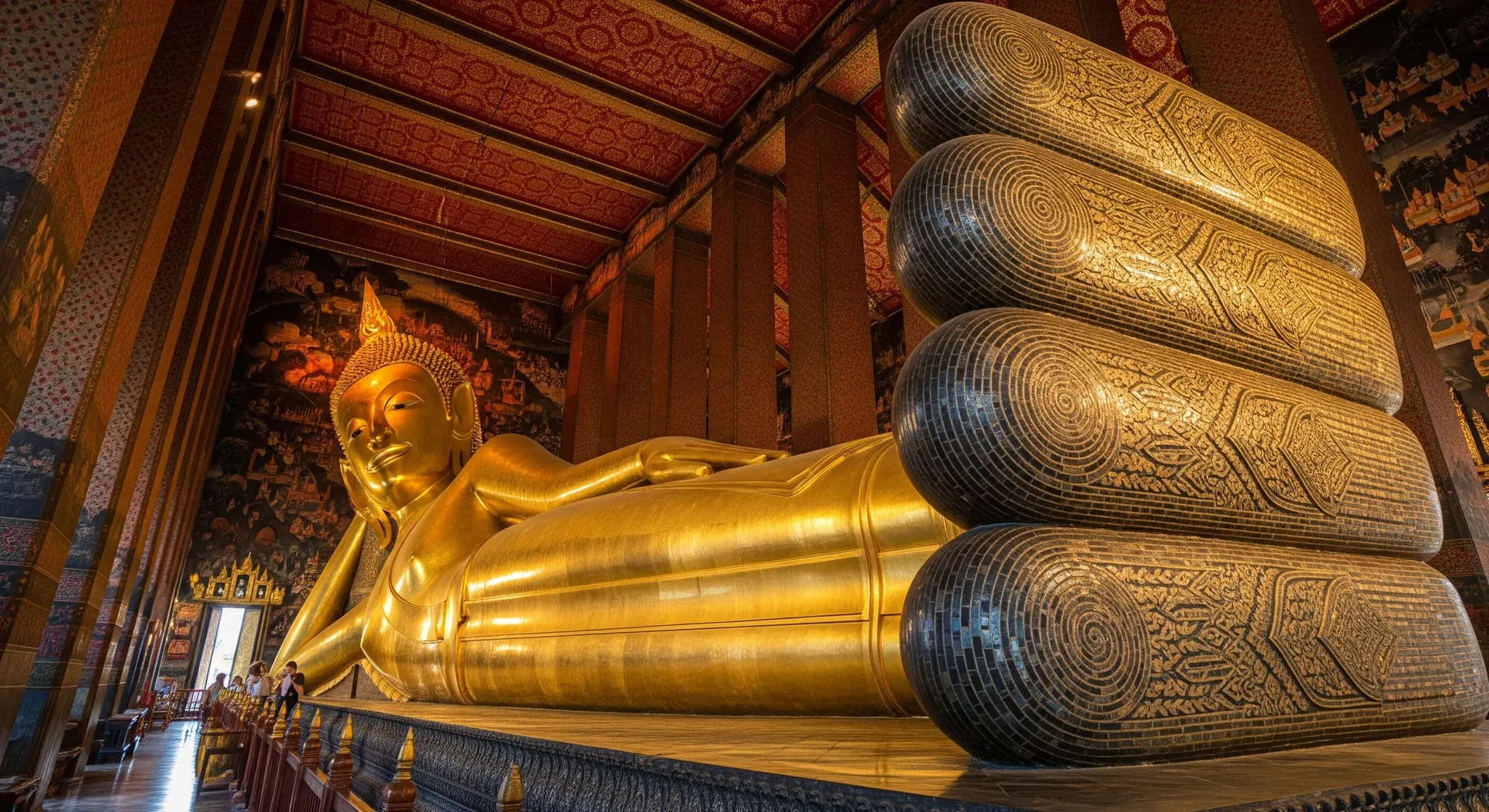
Life in Thailand — your home base on the 5-year DTV
Section 04
Where São Toméan Expats and Nomads Settle in Thailand
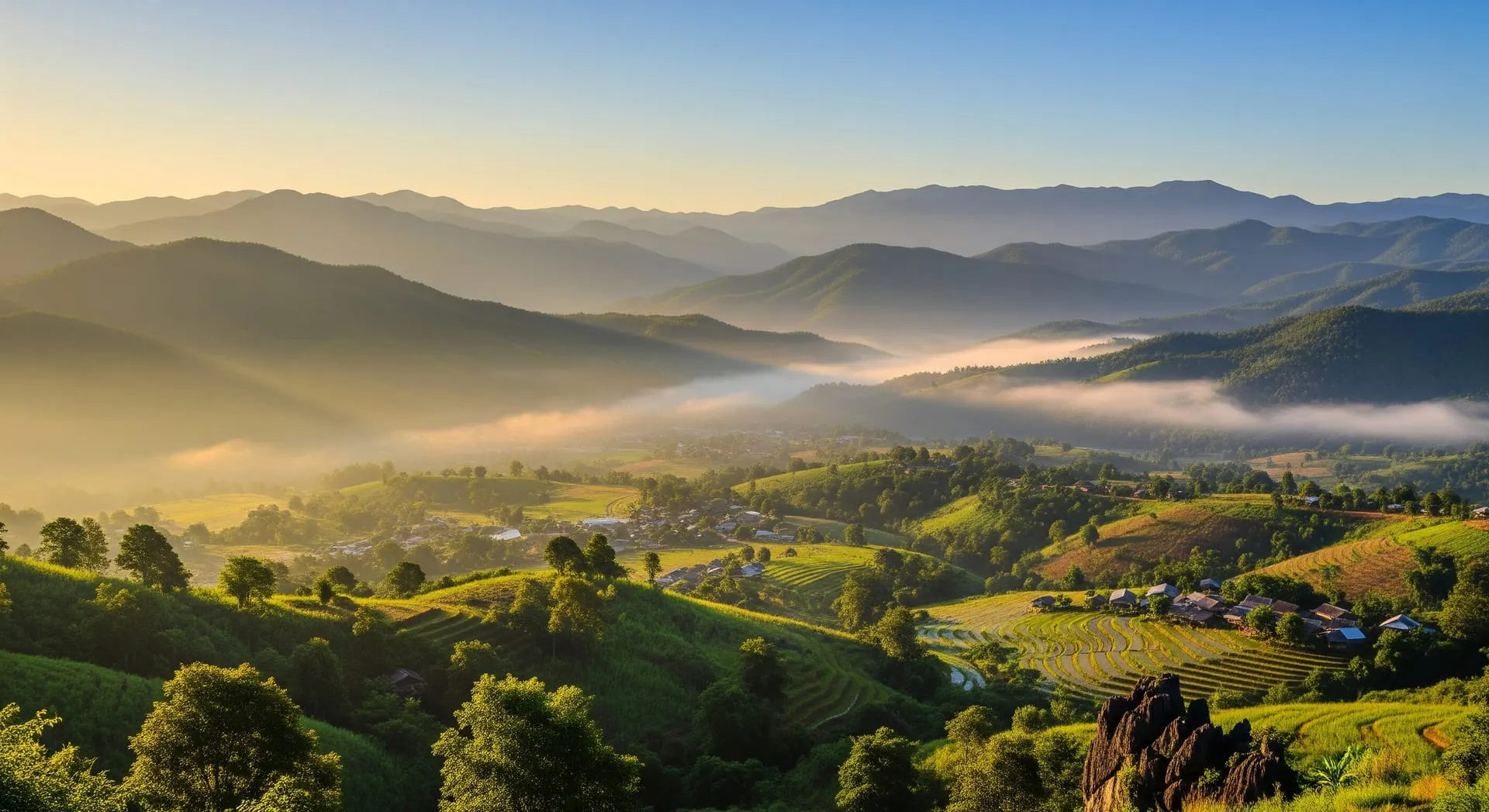
Bangkok is the natural landing point — the economic heart of Thailand, with the widest range of housing, coworking spaces, international flights and a large, diverse expat scene. Chiang Mai in the north is the country's digital-nomad capital: cheaper, greener, cooler in the dry months, and full of remote workers, which makes building a network easy. For those who miss the ocean, Phuket , Koh Samui and the southern islands deliver the beach-and-palm lifestyle that feels closest to home, while Pattaya offers a comfortable, well-serviced coastal base within easy reach of Bangkok. Many newcomers start in Bangkok or Chiang Mai, then explore the islands once they have found their feet.
Choosing Your First Base
If you rely on a stable, fast connection for video calls, start in Bangkok or Chiang Mai where fibre is excellent and coworking spaces are plentiful. Treat the islands as somewhere to move to later — internet there is good but more variable, and you'll want to test it before committing to a long lease.
Section 05
Money and Banking for São Toméans
São Tomé and Príncipe uses the dobra (STN), which is pegged to the euro, so many São Toméans already think in euros for larger purchases. In Thailand the currency is the baht (THB). Thai ATMs accept international Visa and Mastercard but typically charge a fixed withdrawal fee of around 220 THB on top of your bank's fees, so it pays to withdraw larger amounts less often. A multi-currency account such as Wise or Revolut lets you hold euros and convert to baht near the interbank rate, which is usually far cheaper than withdrawing dobras-funded euros abroad. Thailand is still largely a cash society at street markets and small vendors, though cards and the local PromptPay QR system are common in cities, so always keep some baht on hand.
Section 06
Documents and Translation: Language Requirements
Portuguese is the official language of São Tomé and Príncipe, so your supporting documents — bank statements, an employment letter, freelance contracts or proof of funds — will likely need a certified English or Thai translation , since Thai authorities work in English and Thai. This is a routine step rather than an obstacle: certified translation services are widely available and inexpensive. Your passport is already issued in a form accepted internationally and needs no translation. We will review your full document set in advance and tell you exactly what needs translating before anything is submitted, so there are no surprises.
Section 07
Daily Life and Community in Thailand
Healthcare: Internationally accredited hospitals such as Bumrungrad and Bangkok Hospital offer high-quality care at a fraction of European prices — a major upgrade from the islands' limited facilities.
Internet: Gigabit fibre is standard in the major cities, easily handling video calls, large uploads and multiple devices.
Food: From tom yum and green curry to grilled seafood and mango sticky rice, Thai cuisine is varied, fresh and remarkably cheap; island-style fresh fish is everywhere along the coasts.
Safety: Thailand has low rates of violent crime and is comfortable for newcomers; ordinary big-city caution against petty theft in tourist zones is enough.
Getting around: Ride-hailing via Grab, the Bangkok Skytrain and metro, intercity trains and budget domestic flights make exploring the country simple and affordable.
Finding Your People
The São Toméan community in Thailand is small, but the wider networks are active. Look for Facebook and Telegram groups such as Africans in Thailand, Lusophone or Portuguese-speaking expats in Bangkok, and city-specific nomad groups in Chiang Mai. They're invaluable for housing leads, SIM cards and a sense of home.
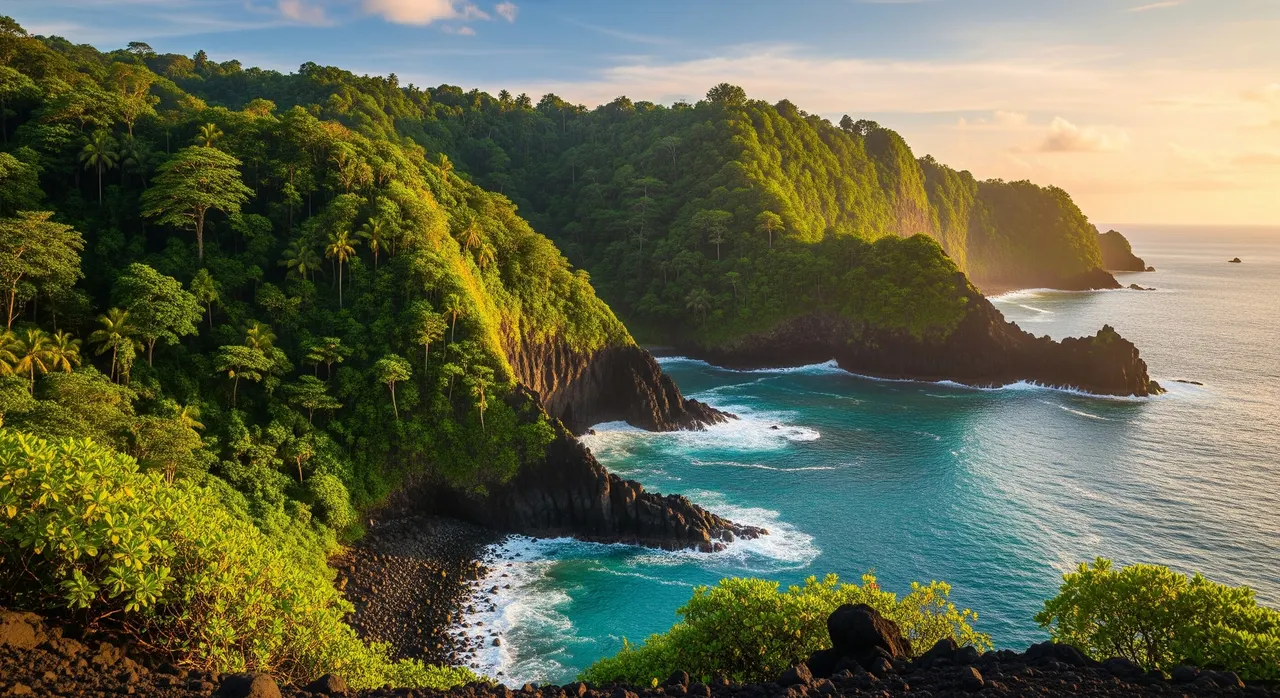
São Tomé and Principe
From São Tomé and Principe to Thailand
Make the move from São Tomé and Principe
Trade São Tomé and Principe for up to five years in Thailand on the DTV. We prepare and submit your entire application from wherever you are — proof of funds, category evidence and passport — so you can focus on the move, not the paperwork.
Almost every nationality can apply. Take our free 60-second eligibility checker to confirm your route — remote work, soft power, medical or family.
2
We prepare everything
We assemble and review your documents: proof of 500,000 THB (~$15,000), your category evidence and passport — so nothing gets rejected.
3
We submit for you
You apply from outside Thailand. We file at a Thai embassy or consulate (such as Hanoi, Ho Chi Minh, Jakarta, Vientiane or London) within one business day.
4
Get approved & move
On approval you get the 5-year, multiple-entry DTV — up to 180 days per stay, extendable once. Then make Thailand home.
Questions
DTV FAQ for São Toméan citizens
How long does the Destination Thailand Visa let me stay?
The DTV is a 5-year multiple-entry visa. Each entry allows a stay of up to 180 days, which can be extended once inside Thailand for a further 180 days. After that you can exit and re-enter to begin a new 180+180 period, and you can repeat this throughout the visa's validity.
Do I have to apply for the DTV from São Tomé and Príncipe?
You must apply from outside Thailand, but not necessarily from São Tomé. We handle the entire process remotely, preparing and submitting everything for you, so you can be based in São Tomé and Príncipe or anywhere else while we manage your application.
What is the financial requirement for the DTV?
You need to show proof of 500,000 THB (~$15,000) in personal funds. This can be held in a bank account anywhere in the world, including São Tomé and Príncipe, provided you supply a clear statement — which we will tell you how to prepare and, if needed, translate.
How much does your DTV service cost?
Our service starts from $139. This covers preparing and submitting your application from outside Thailand. With the optional Denial Protection add-on, you also receive a 100% refund of the service fee if your application is denied.
Can I work for my São Toméan or overseas employer while living in Thailand?
Yes. The DTV is built for remote workers, freelancers and digital nomads. You can legally work for an overseas employer or international clients while in Thailand, as long as you are not taking up employment with a Thai company.
How long is the journey from São Tomé to Thailand, and what is the time difference?
There are no direct flights. Total travel time is usually around 24–30 hours, with connections via Lisbon, a regional African hub such as Accra or Libreville, and often a European or Gulf gateway. Thailand is on Indochina Time (UTC+7), seven hours ahead of São Tomé (UTC+0).
Will my Portuguese-language documents be accepted?
Documents in Portuguese will generally need a certified English or Thai translation, since Thai authorities work in those languages. Certified translation is inexpensive and routine, and we will tell you exactly which documents to translate before anything is submitted.
Is the cost of living in Thailand really much lower than in São Tomé and Príncipe?
For most remote workers, yes. Because São Tomé imports almost everything, housing, electronics and packaged goods are costly there. In Thailand, rent, food, transport and services are typically far cheaper, so a salary earned abroad goes considerably further.
How should I manage money between dobras, euros and baht?
The dobra (STN) is pegged to the euro, so a multi-currency account such as Wise or Revolut works well: hold euros and convert to baht near the interbank rate. Thai ATMs accept international cards but usually add a fixed fee of around 220 THB per withdrawal, so take out larger amounts less often.
Will I find a community in Thailand?
The São Toméan community is small, but there are active African, Lusophone and Portuguese-speaking expat groups, plus large digital-nomad communities in Bangkok and Chiang Mai. Online groups make it easy to connect, find housing and settle in quickly.
Ready to move to Thailand from São Tomé and Principe?
Check your eligibility in under a minute, or let our team prepare and submit everything — with a 100% refund if your application is denied (with the optional paid Denial Protection add-on).



 São Tomé and Principe