Skip to content
Oceania

DTV Visa for Samoan Citizens

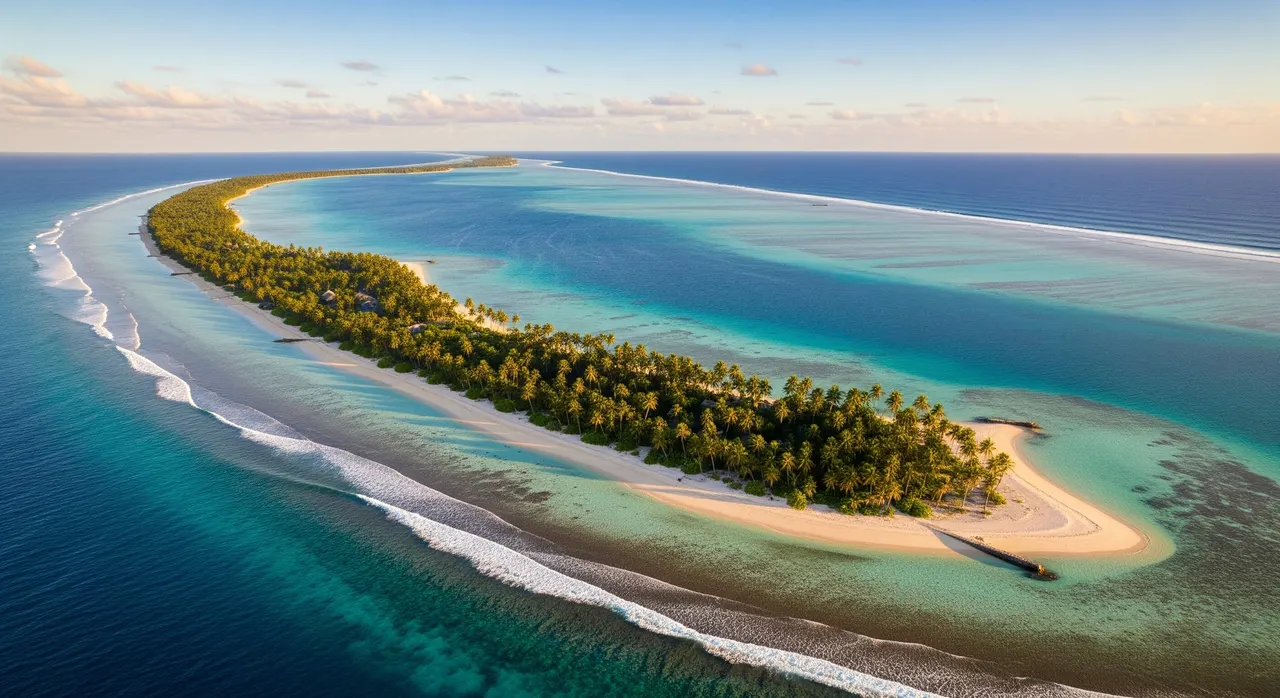
Talofa lava! As a Samoan citizen, you already know island life — turquoise lagoons, the warmth of fa'a Samoa, and an unhurried Pacific pace. Now picture carrying that spirit to Thailand , where golden temples sit beside fast fibre internet and humming co-working hubs, and where your money simply goes further. With the Destination Thailand Visa (DTV) , Samoan professionals, freelancers and digital nomads can legally base themselves in the Kingdom, working remotely and exploring, for up to five years. It is more than a visa: it is a five-year runway to a wider world, where the tala stretches, the network grows global, and every weekend opens a new adventure.

Every Samoan citizen is eligible to apply

5

Years validity

180

Days per entry

500k

THB proof of funds

$139

Service fee from

100%

Refund if denied*

Why Samoan citizens choose Thailand

Living in Thailand from Samoa

Section 01

Why Samoans Are Choosing Thailand

Samoa and Thailand share a tropical soul — palm-lined beaches, green volcanic ridges, and a deeply hospitable culture. Yet a growing number of Samoans find that Thailand offers something Apia cannot yet match: a mature, affordable ecosystem for remote work and long-stay living. Co-working memberships in Chiang Mai start under 4,000 THB a month, fibre runs at hundreds of megabits, and the infrastructure simply keeps you online with Apia, Auckland or anywhere else without a hitch.

Scale is the other draw. Where Samoa is a small market of around 220,000 people across Upolu and Savai'i, Thailand puts more than 70 million people, two international airports, and a sprawling expat economy at your doorstep. Add world-renowned street food, well-equipped private hospitals, and a three-season climate that lets you pick cool northern mornings or year-round island sun, and it is easy to see why the Kingdom has become the next chapter for the Samoan wanderer.

Remote Work Reality

Samoa sits at UTC+13 (UTC+14 during daylight saving), which puts you about 6-7 hours ahead of Thailand (UTC+7). You can clear your Apia and Auckland tasks early in your Thai morning, then have the whole day free to explore — and the offset is even friendlier for clients in Europe or the Americas.

Section 02

Thailand vs Samoa: A Cost-of-Living Reality Check

Samoa is a small, import-dependent economy, so much of what you buy in Apia arrives by ship and carries a price premium. Thailand manufactures and grows much of its own food, housing and services, which is exactly why a comfortable lifestyle costs so much less. Below is a realistic side-by-side, in Thai Baht (THB), US dollars and Samoan Tala (WST).

  • Modern one-bedroom apartment, central Bangkok high-rise: 15,000-25,000 THB/month (~$430-$720). A comparable flat in Apia often exceeds 1,800-2,500 WST.
  • Lunch at a local Thai restaurant: 60-100 THB (~$2-$3). A simple cafe lunch in Apia runs 25-50 WST.
  • High-speed home fibre internet: 600-1,000 THB/month (~$17-$29). Similar speeds in Samoa cost noticeably more for less reliability.
  • Co-working hot-desk: 2,000-4,000 THB/month (~$57-$115). Samoa has very few dedicated co-working options.
  • Bangkok public transport (BTS/MRT): roughly 17-70 THB/trip (~$0.50-$2). In Samoa you rely on shared buses or taxis from around 10 WST.
  • An hour-long Thai massage: 250-500 THB (~$7-$15) — one of the great everyday luxuries of Thai life.

Stretch Your Tala

Move larger sums with Wise or OFX to capture the mid-market exchange rate and low fees when converting Samoan Tala to Thai Baht. Skip airport exchange counters — their rates are consistently the worst you will find.

Section 03

Getting to Thailand from Samoa

There is no direct flight, but the routes are well worn. Almost everyone departs Faleolo International Airport (APW) , just west of Apia, and connects through a regional hub: Auckland (AKL) , Sydney (SYD) , Nadi (NAN) in Fiji, or sometimes Brisbane (BNE). From any of these, onward flights to Bangkok (BKK or DMK) are frequent. Door-to-door travel typically runs 18-26 hours depending on layover length, with Auckland-Bangkok and Sydney-Bangkok legs each around 11-12 hours in the air.

A planned overnight in Auckland, Sydney or Nadi can turn a punishing transit into two manageable hops and helps reset your body clock before you arrive. Because the DTV is multiple-entry, you can also break up the long haul into a holiday — a few days in Fiji or Australia on the way — without affecting your visa.

Book Smart on the Long Haul

Sticking to a single airline alliance for both legs makes connections smoother and lets your checked baggage transfer through to Bangkok. Mid-week departures from Apia are usually cheaper, and an Auckland or Sydney stopover often costs little more than a straight-through fare.

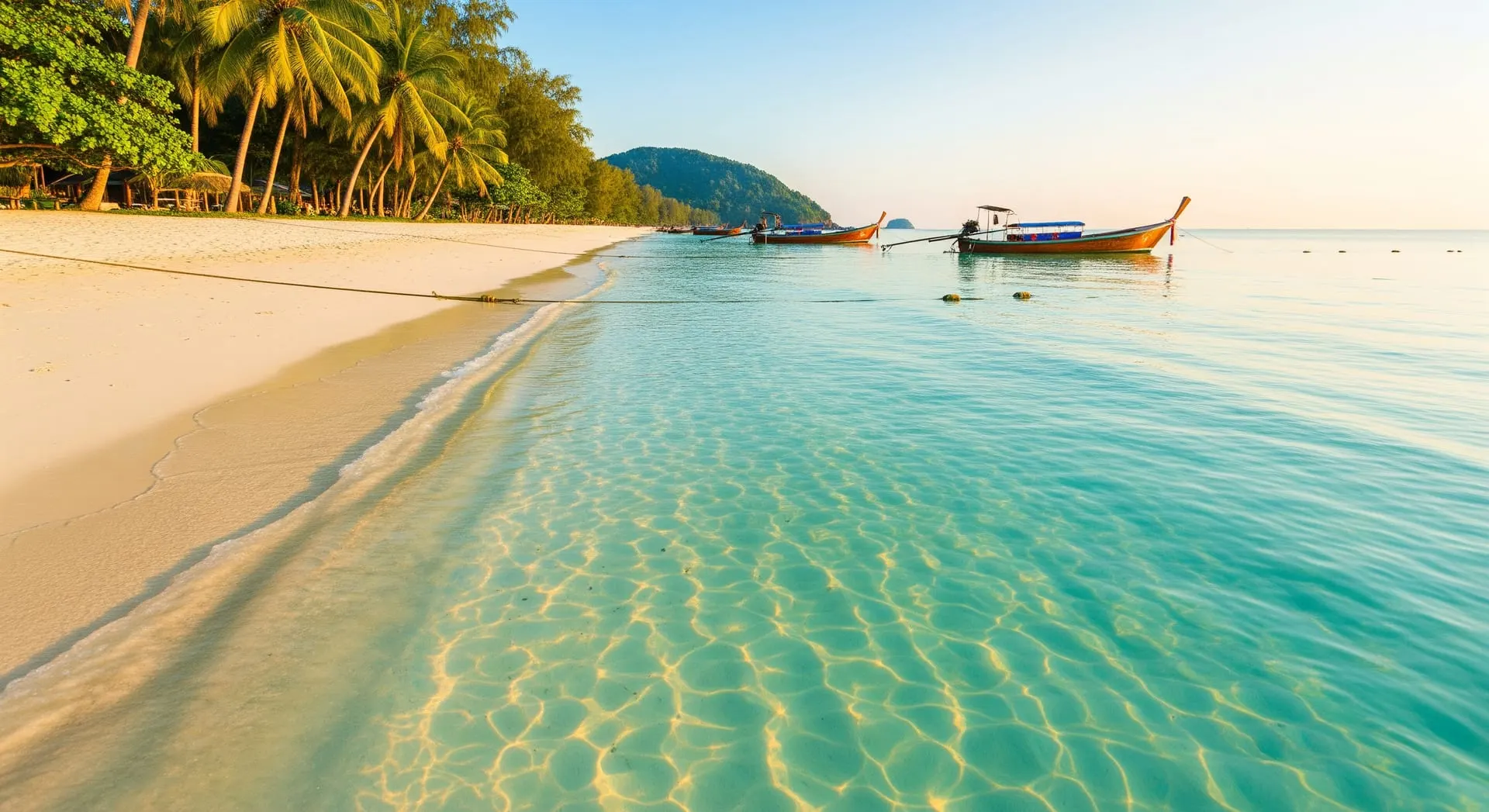
Daily life in Thailand — where Samoan citizens settle on the DTV
Life in Thailand — your home base on the 5-year DTV
Section 04

Where Samoans Settle in Thailand

There is no single Samoan neighbourhood in Thailand, but a few hubs draw nearly all newcomers. Bangkok is the professional capital: the BTS and MRT rail lines, huge malls, international schools, and a deep pool of condos from budget studios near a station to high-end towers in Sukhumvit and Thonglor. Chiang Mai in the northern hills is the digital-nomad favourite — lower rents, cool-season mornings, artisan coffee, and the tight-knit Nimmanhaemin district packed with cafes and co-working spaces.

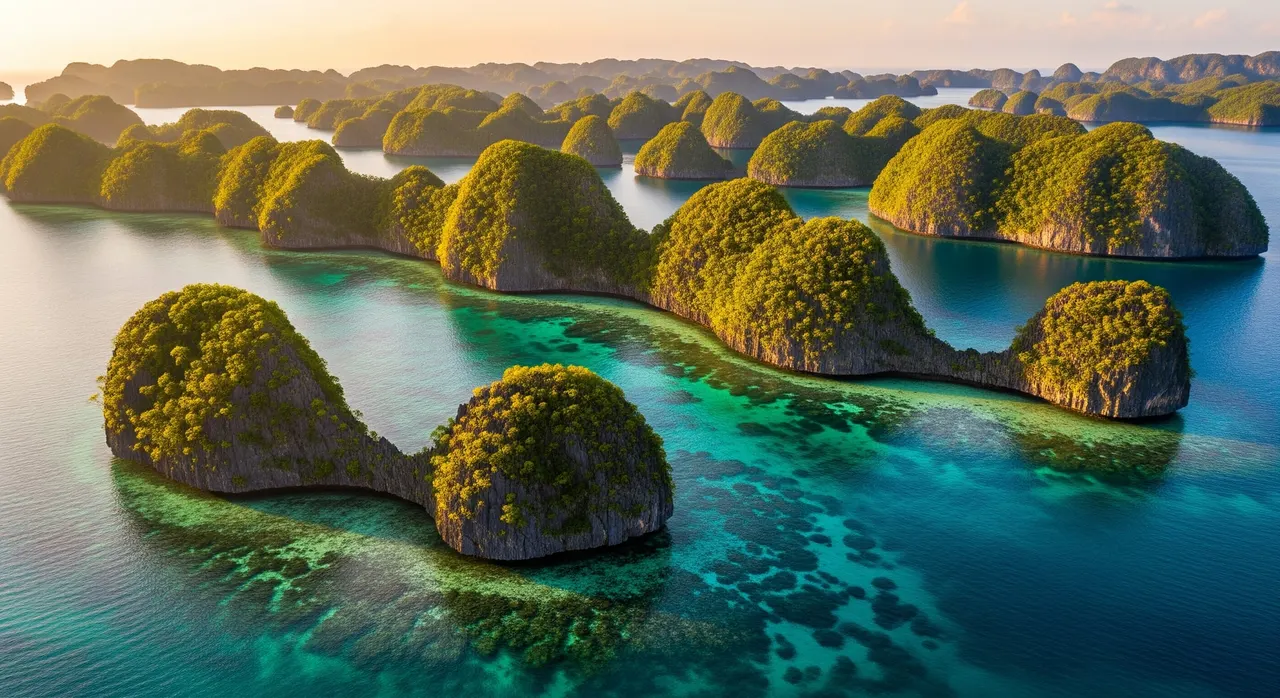
For the beach lifestyle most Samoans instinctively gravitate to, the south delivers: Phuket for amenities and connections, Koh Samui for a laid-back island feel, and Krabi for dramatic limestone scenery. All have reliable internet and active expat networks. Wherever you land, you will quickly meet Kiwis, Aussies and fellow Pacific Islanders, making it easy to build a home-away-from-home grounded in familiar values.

Section 05

Money & Banking: From Samoan Tala to Thai Baht

Day-to-day money is easy in Thailand. ATMs are everywhere, though foreign-card withdrawals usually carry a fixed fee of about 220 THB on top of your home bank's charges, so withdraw larger amounts less often. Once you are settled on your DTV, opening a local account with a bank such as Bangkok Bank or Kasikornbank removes those fees and unlocks PromptPay, Thailand's instant QR-payment system that even small vendors now accept.

For the DTV itself, the financial requirement is proof of 500,000 THB (~$15,000) in personal funds — savings that show you can comfortably support yourself in the Kingdom. Move bigger transfers with Wise or OFX for the best rates, and remember that markets, street food stalls and rural areas still run largely on cash, so keep some Baht on hand alongside your card.

Cards & Safety

Tell your Samoan bank you are travelling so it does not freeze your card. Visa and Mastercard are widely accepted in cities, but islands and small towns prefer cash. When a card machine asks, always choose to pay in Thai Baht rather than your home currency to dodge poor dynamic-conversion rates.

Section 06

Documents & Translation: English Smooths the Way

Samoa has two official languages — Samoan and English — and in practice your bank statements, employment letters, contracts and identity documents are almost always issued in English. That is a real advantage for the DTV, which accepts supporting documents in English or Thai. For the vast majority of Samoan applicants, no certified translation is needed : you simply gather clean digital copies of your originals.

The only exception is a document drafted solely in Samoan — an older property deed or family record, for example. In that rare case you would attach a certified English (or Thai) translation. Otherwise, the paperwork side is refreshingly straightforward, and because you apply from outside Thailand, the company prepares and submits the entire package for you.

What You'll Typically Provide

A valid passport, a recent passport-style photo, evidence of remote work or freelance income (or being a digital nomad), and bank statements showing the 500,000 THB (~$15,000) in personal funds. Because these are issued in English in Samoa, they are usually accepted as-is.

Section 07

Daily Life & Community: Thriving as a Samoan in Thailand

Healthcare: Private hospitals such as Bumrungrad and Bangkok Hospital in Bangkok, and Bangkok Hospital Chiang Mai in the north, offer excellent care that is well-regarded across Asia. A routine doctor's consultation is often under 1,000 THB, and most long-stay expats carry private health insurance for larger costs.

Internet: Thailand's 4G/5G and home fibre are fast and cheap — ideal for video calls and online work. AIS, TrueMove H and dtac all sell tourist and long-stay SIMs with generous data from around 200-500 THB.

Food: Expect a delicious culinary adventure, from fiery som tam and rich khao soi to fresh seafood — and you will still find coconut and taro, those familiar Pacific staples, in many dishes and markets.

Safety & customs: Thailand is generally very safe for foreigners, with low violent crime; the usual care with petty theft in tourist spots applies. Show respect for the monarchy and Buddhist customs, dress modestly at temples, and you will be warmly received.

  • Connect with Pacific Islander and 'expats in Thailand' Facebook groups to find your people quickly.
  • Learn a few words of Thai — sawasdee for hello, khop khun for thank you. The effort is appreciated, much like courtesy in fa'a Samoa.
  • Use the wai (palms together) greeting rather than a handshake; it is the polite Thai hello.
  • Explore weekend markets such as Chatuchak in Bangkok or the Sunday Walking Street in Chiang Mai for food, finds and friends.
  • Always remove your shoes before entering homes and many guesthouses — a custom that will feel natural to islanders.

Samoan Community Pulse

The Samoan presence in Thailand is small but growing alongside the wider Pacific and Antipodean expat scene. Rugby viewing nights, church congregations and island-themed gatherings in Bangkok and Chiang Mai often bring Samoans, Tongans, Fijians, Kiwis and Aussies together — an easy way to find your community.

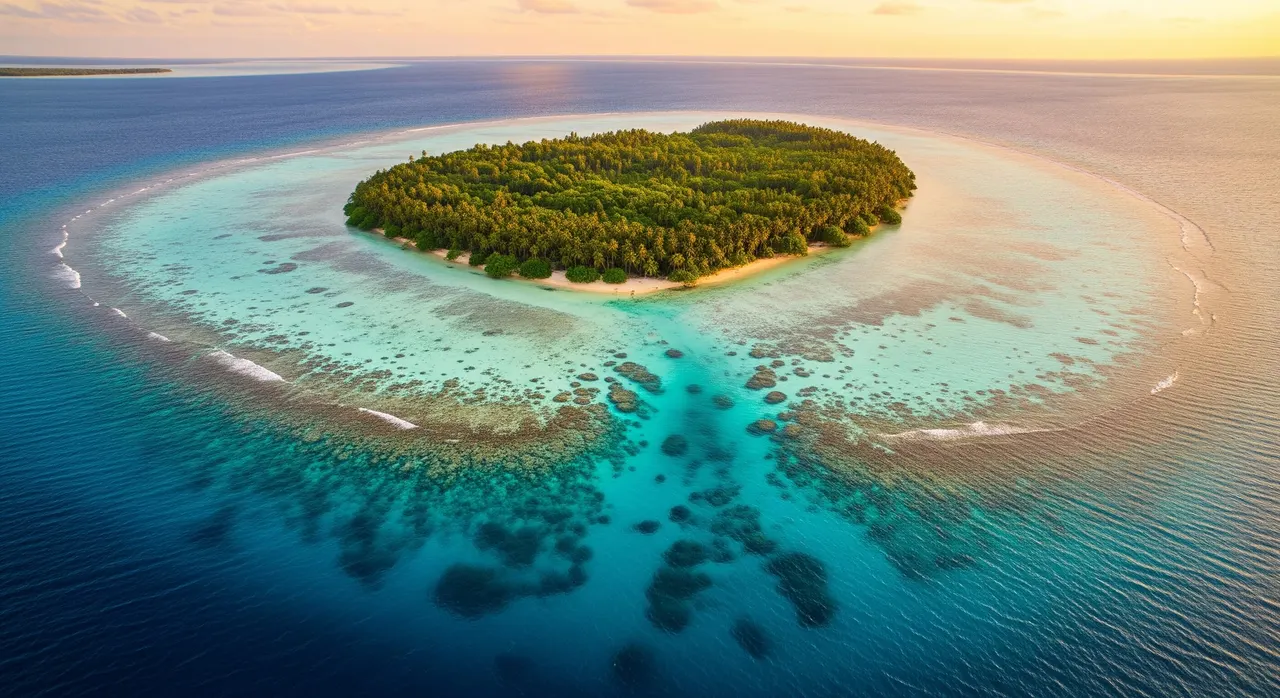
Samoa — your starting point before relocating to ThailandSamoa
From Samoa to Thailand

Make the move from Samoa

Trade Samoa for up to five years in Thailand on the DTV. We prepare and submit your entire application from wherever you are — proof of funds, category evidence and passport — so you can focus on the move, not the paperwork.

Check eligibility
Step by step

How Samoan citizens apply for the DTV

1

Check you qualify

Almost every nationality can apply. Take our free 60-second eligibility checker to confirm your route — remote work, soft power, medical or family.

2

We prepare everything

We assemble and review your documents: proof of 500,000 THB (~$15,000), your category evidence and passport — so nothing gets rejected.

3

We submit for you

You apply from outside Thailand. We file at a Thai embassy or consulate (such as Hanoi, Ho Chi Minh, Jakarta, Vientiane or London) within one business day.

4

Get approved & move

On approval you get the 5-year, multiple-entry DTV — up to 180 days per stay, extendable once. Then make Thailand home.

Questions

DTV FAQ for Samoan citizens

What is the Destination Thailand Visa (DTV) and how long does it last?

The DTV is a 5-year multiple-entry visa that lets you live in Thailand while working remotely. Each entry allows a stay of up to 180 days, and that stay can be extended once for a further 180 days without leaving the country. With multiple entries over five years, it is built for long-term, flexible living.

Can I work legally in Thailand with the DTV as a Samoan citizen?

Yes — for remote work. The DTV is designed for freelancers, digital nomads and remote employees working for clients or companies based outside Thailand. You cannot take a local job with a Thai employer, but serving clients in Samoa, New Zealand, Australia or anywhere else worldwide is exactly what it is for.

How much money do I need to show for the DTV application?

You provide proof of 500,000 THB (~$15,000) in personal funds. This demonstrates you can comfortably support yourself during your stay in Thailand. It can sit in your savings — you are showing you have the funds, not handing them over.

Do I apply for the DTV in Samoa or after I arrive in Thailand?

You apply from outside Thailand, before you travel. The best part is that the company prepares and submits your entire application package on your behalf, so you do not have to navigate the process alone. Once it is approved, you fly in and begin your new life in the Kingdom.

What happens if my DTV application is denied?

With the optional Denial Protection add-on, you receive a 100% refund if your application is denied. It is a simple way to take the risk out of your move and apply with confidence.

How long is the flight from Samoa to Thailand, and what routes are common?

There is no direct flight; plan on roughly 18-26 hours door to door depending on layovers. Most Samoans fly Faleolo (APW) to a hub — Auckland (AKL), Sydney (SYD) or Nadi (NAN) — then on to Bangkok (BKK). An overnight stop in one of those hubs makes the journey far more comfortable.

What is the time difference between Samoa and Thailand, and how does it affect remote work?

Samoa is UTC+13 (UTC+14 in daylight saving), about 6-7 hours ahead of Thailand's UTC+7. You can knock out Apia- or Auckland-facing work early in your Thai morning, then enjoy the rest of the day — and the gap works nicely for serving clients in Europe or the Americas too.

How does the cost of living in Thailand compare to Samoa?

Thailand is meaningfully cheaper across rent, food, transport and services, largely because Samoa imports so much and Thailand produces its own. Many remote workers live comfortably on around $1,000-$1,500 a month, often less than equivalent living in Apia — so your tala stretches considerably further.

Do I need to translate my Samoan documents into Thai or English?

Usually not. Because English is an official language of Samoa, your bank statements, employment letters and IDs are typically issued in English, which the DTV accepts as-is. Only a document written solely in Samoan would need a certified English or Thai translation.

Can I open a Thai bank account and how do I handle money day to day?

Yes — once you are settled on your DTV you can open a local account with a bank such as Bangkok Bank or Kasikornbank, which removes the ~220 THB foreign-card ATM fee and gives you PromptPay QR payments. Use Wise or OFX for larger Tala-to-Baht transfers, and keep some cash for markets and street food.

How much does your DTV application service cost?

Service starts from $139. The team reviews your documents, prepares the full application, and submits everything for you from outside Thailand — helping you avoid the small mistakes that can otherwise complicate an application.

Ready to move to Thailand from Samoa?

Check your eligibility in under a minute, or let our team prepare and submit everything — with a 100% refund if your application is denied (with the optional paid Denial Protection add-on).