Skip to content
Americas

DTV Visa for Kittitian and Nevisian Citizens

Are you a Kittitian or Nevisian dreaming of a life filled with tropical beauty, world-class food and fresh cultural horizons? The Destination Thailand Visa (DTV) opens the door to a five-year, multiple-entry life in a country that shares your love of island living, but on a far grander scale. Imagine trading the familiar shores of Basseterre and Charlestown for Thailand's beaches, temples and night markets, all while enjoying a dramatically lower cost of living and the freedom to work remotely. This is your chance to chase adventure without giving up the relaxed Caribbean rhythm you cherish.

Every Kittitian and Nevisian citizen is eligible to apply

5

Years validity

180

Days per entry

500k

THB proof of funds

$139

Service fee from

100%

Refund if denied*

Why Kittitian and Nevisian citizens choose Thailand

Living in Thailand from Saint Kitts and Nevis

Section 01

Why Kittitians and Nevisians are moving to Thailand

Coming from a two-island federation of roughly 50,000 people, Kittitians and Nevisians already know the pleasures of island life: warm seas, slow afternoons and a strong sense of community. Thailand offers all of that with the volume turned up. The climate is tropical and warm year-round, much like the eastern Caribbean, with a green, lush monsoon season from roughly May to October. Beyond the beaches you get ancient temples, mountain towns, world-famous food and a thriving international remote-work scene. The DTV is what makes a long stay practical: a five-year, multiple-entry visa that lets you base yourself in Thailand, come and go freely, and work online for clients or an employer back home.

DTV at a glance

The Destination Thailand Visa is a 5-year, multiple-entry visa allowing stays of up to 180 days per entry, extendable once inside Thailand for a further 180 days. You apply from outside Thailand and our team prepares and submits the whole application for you, with service from $139.

Section 02

Cost of living: Thailand vs Saint Kitts and Nevis

This is where Thailand really wins. Saint Kitts and Nevis is a high-cost destination where almost everything is imported, so groceries, dining and rent in Basseterre are expensive by global standards. In Thailand your money stretches much further. A modern one-bedroom condo in a good Bangkok neighbourhood typically rents for around 15,000–25,000 THB a month, and far less in Chiang Mai; the equivalent in Basseterre often costs two to three times more once you account for imported finishings and limited supply. A bowl of street noodles or a rice-and-curry plate runs 50–70 THB (under $2), a sit-down meal at a casual restaurant 150–300 THB, and a local SIM with generous data is just a few hundred baht a month. Even allowing for occasional Western groceries and air conditioning, most Kittitians and Nevisians find they live more comfortably in Thailand for a fraction of what they spend at home.

  • One-bedroom condo, central Bangkok: roughly 15,000–25,000 THB/month
  • Street meal: 50–70 THB; casual restaurant meal: 150–300 THB
  • Domestic beer or coffee: around 80–120 THB
  • Monthly transport (BTS/MRT or scooter fuel): roughly 1,000–2,000 THB
  • Typical ATM withdrawal fee for foreign cards: about 220 THB per transaction

Eat and shop like a local

Lean on fresh markets and street food rather than imported supermarket brands. It is one of the easiest ways to cut your monthly spend well below what the same lifestyle would cost back in St. Kitts.

Section 03

Getting to Thailand from Saint Kitts and Nevis

There are no direct flights, so the journey is a multi-leg trip, but it is very doable. Most travellers leave from Robert L. Bradshaw International Airport (SKB) on St. Kitts and connect through a major hub before the long-haul leg to Bangkok's Suvarnabhumi Airport (BKK). Common routings go via Miami and then a Gulf carrier through Doha or Dubai, or via a European hub such as London. Door to door you should plan for roughly 24–30 hours including layovers. Thailand runs on Indochina Time (UTC+7), which is 11 hours ahead of Atlantic/Eastern Caribbean Time (UTC-4). When it is noon in Basseterre it is around 11 PM in Bangkok, so working a Thai morning to overlap with a Caribbean late afternoon or evening is a natural fit for remote schedules.

Break up the long haul

A planned stopover in Doha, Dubai or London turns a punishing 24-hour trip into two manageable halves. Several Gulf carriers offer free or low-cost stopover packages, so you can rest, reset your body clock and explore before the final leg to Bangkok.

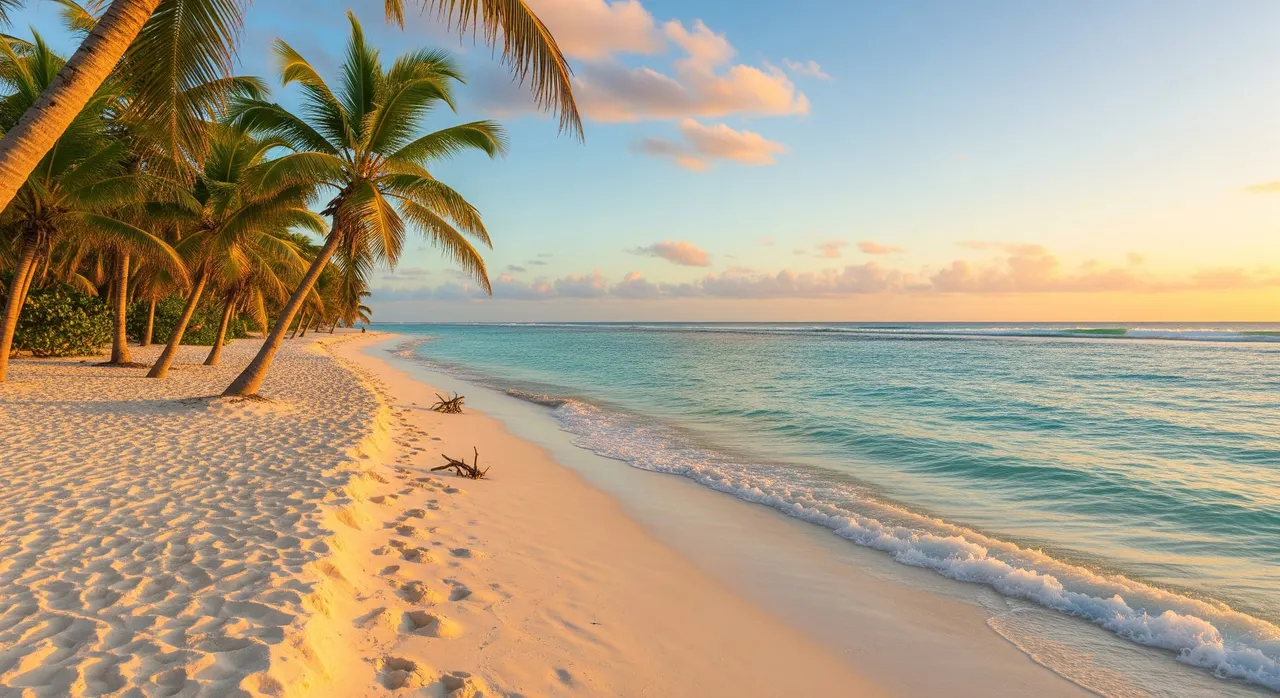
Daily life in Thailand — where Kittitian and Nevisian citizens settle on the DTV
Life in Thailand — your home base on the 5-year DTV
Section 04

Where to settle in Thailand

Thailand offers a home base for every temperament. Bangkok is the cosmopolitan choice: skytrains, hospitals, coworking spaces and an endless food scene. Chiang Mai in the north is the long-standing favourite of remote workers, with a cooler climate, low costs and a famously tight-knit community. If you want the ocean close, as you do at home, Phuket combines beaches with full expat infrastructure, while Koh Samui and Koh Phangan offer a more laid-back island pace. Pattaya, a short drive from Bangkok, suits those who want a coastal city with easy airport access.

  • Bangkok: urban energy, top hospitals and world-class amenities
  • Chiang Mai: mountain air, low costs and a deep coworking culture
  • Phuket: beaches, nightlife and the most developed expat infrastructure
  • Koh Samui: relaxed island living with modern comforts
  • Pattaya: a coastal city close to Bangkok and the airport
Section 05

Money, banking and the funds requirement

The local currency is the Thai Baht (THB), and you will get good value converting from US dollars or Eastern Caribbean dollars (XCD), which is pegged to the USD. A key part of the DTV is showing you can support yourself: applicants must demonstrate proof of 500,000 THB (around $15,000) in personal funds. For Kittitians and Nevisians that is straightforward, since you can show savings held in USD or XCD. International wire transfers from local banks work, but many expats use services like Wise or OFX for better exchange rates and lower fees. ATMs are everywhere (expect a fee of about 220 THB per foreign-card withdrawal), and cards are widely accepted in cities, though cash still rules in smaller towns and markets.

Proof of funds

Plan to show 500,000 THB (~$15,000) in personal funds when you apply. Keep a few months of recent bank statements ready; balances held in USD or XCD are easy to present, and our team will tell you exactly how to format everything.

Section 06

Documents and translation

Here is a real advantage for you: English is the official language of Saint Kitts and Nevis, so your core paperwork (bank statements, identification, proof of remote income or employment) is already in a language that is usually accepted as-is for the DTV. That spares you the cost and hassle of certified translations that applicants from non-English-speaking countries often face. Your job is simply to make sure every document is current, legible and well organised. Because you apply from outside Thailand and our team prepares and submits the entire application, you do not have to navigate Thai bureaucracy yourself, you just provide clean documents and we handle the rest.

Stay organised

Keep clear digital copies of every document in one secure cloud folder. With everything in English and in one place, you can complete the application from St. Kitts, from a layover, or from anywhere you happen to be.

Section 07

Daily life and community

Day-to-day life in Thailand blends warmth with surprising efficiency. Healthcare is a standout: private hospitals in Bangkok, Chiang Mai and Phuket offer international-standard care at a fraction of Western prices, and many staff speak English. Internet is fast and reliable, with widespread fibre and strong mobile data, so remote work is seamless. The food alone is worth the move, and if you love Caribbean spice you will feel right at home with Thai chillies and bold flavours. Violent crime is low, though normal big-city common sense applies. The Kittitian and Nevisian community is small, but you will quickly plug into the broader Caribbean and international expat networks through Facebook groups and meetups, and festivals like Songkran and Loy Krathong give you unforgettable ways to feel part of Thai life.

  • Healthcare: international-standard private hospitals at far lower cost
  • Internet: widespread high-speed fibre and strong mobile data
  • Food: a street-food paradise, with vegetarian and halal options easy to find
  • Safety: low violent crime and generally welcoming locals
  • Community: active Caribbean and international expat groups online and in person
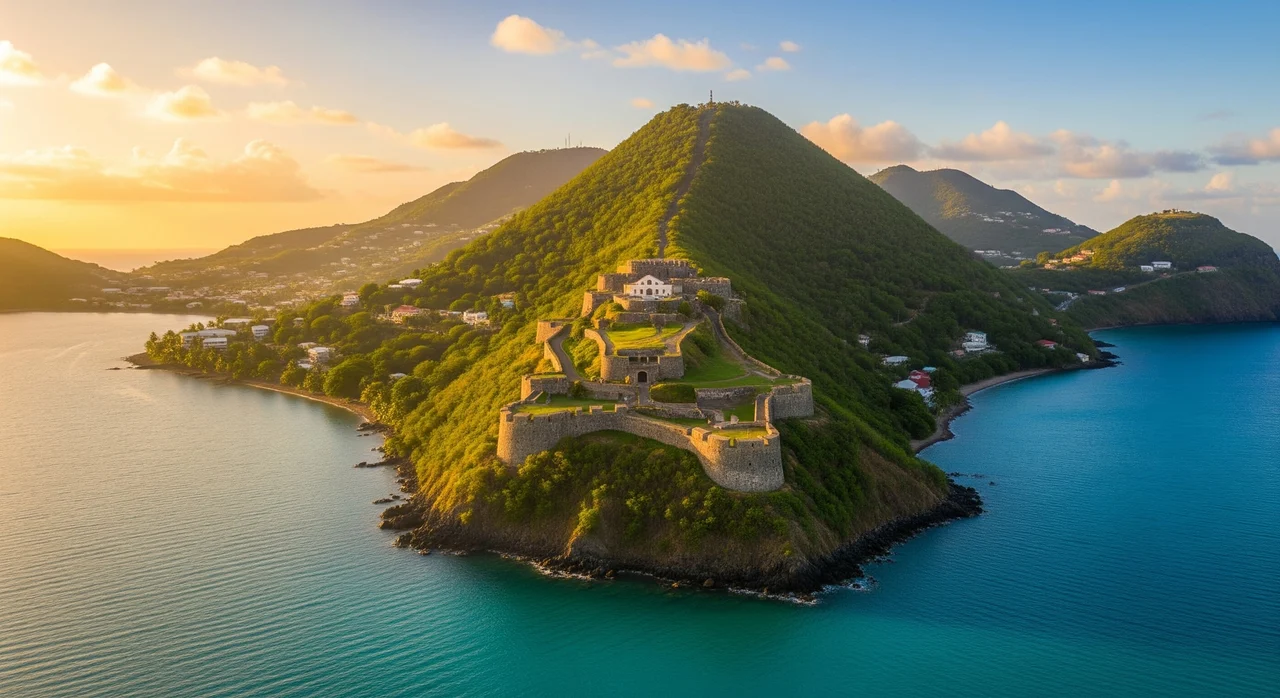
Saint Kitts and Nevis — your starting point before relocating to ThailandSaint Kitts and Nevis
From Saint Kitts and Nevis to Thailand

Make the move from Saint Kitts and Nevis

Trade Saint Kitts and Nevis for up to five years in Thailand on the DTV. We prepare and submit your entire application from wherever you are — proof of funds, category evidence and passport — so you can focus on the move, not the paperwork.

Check eligibility
Step by step

How Kittitian and Nevisian citizens apply for the DTV

1

Check you qualify

Almost every nationality can apply. Take our free 60-second eligibility checker to confirm your route — remote work, soft power, medical or family.

2

We prepare everything

We assemble and review your documents: proof of 500,000 THB (~$15,000), your category evidence and passport — so nothing gets rejected.

3

We submit for you

You apply from outside Thailand. We file at a Thai embassy or consulate (such as Hanoi, Ho Chi Minh, Jakarta, Vientiane or London) within one business day.

4

Get approved & move

On approval you get the 5-year, multiple-entry DTV — up to 180 days per stay, extendable once. Then make Thailand home.

Questions

DTV FAQ for Kittitian and Nevisian citizens

What exactly is the Destination Thailand Visa (DTV)?

The DTV is a 5-year, multiple-entry visa designed for remote workers, freelancers and those joining certain activities in Thailand. It lets you live in Thailand while working for an employer or clients based outside the country.

How long can I stay in Thailand with the DTV as a Saint Kitts and Nevis citizen?

Each entry allows a stay of up to 180 days, which can be extended once inside Thailand for a further 180 days. Because it is multiple-entry, you can also leave and re-enter as often as you like across the full 5-year validity.

How much money do I need to show for the DTV?

You must demonstrate proof of 500,000 THB (around $15,000) in personal funds. As a Kittitian or Nevisian you can show savings held in USD or XCD, and our team will guide you on exactly how to present your statements.

Can I work remotely for a Saint Kitts and Nevis company while on the DTV?

Yes. The DTV is built for remote work, so you can work for an overseas employer or run your own business based outside Thailand, which makes it ideal for Kittitian and Nevisian digital nomads and freelancers.

Do I apply from Saint Kitts and Nevis or can I apply while abroad?

You apply from outside Thailand. The process is fully digital and our team prepares and submits everything for you, so you can apply from St. Kitts, from Nevis, or from any other country where you are legally present.

What's the best way to fly from St. Kitts to Thailand?

There are no direct flights. Most people leave from Robert L. Bradshaw International Airport (SKB) and connect through Miami and a Gulf hub such as Doha or Dubai, or via London, before the long-haul leg into Bangkok's Suvarnabhumi Airport (BKK). Plan for roughly 24–30 hours door to door.

How does the time zone difference affect working with people back home?

Thailand is 11 hours ahead of Atlantic/Eastern Caribbean Time. Working a Thai morning overlaps neatly with a late afternoon or evening in St. Kitts and Nevis, which suits many remote schedules well.

Will I need certified translations of my documents?

Usually not. English is the official language of Saint Kitts and Nevis, so your bank statements, ID and income documents are typically accepted as-is, saving you the translation costs that applicants from non-English-speaking countries often face.

Is there a Kittitian and Nevisian expat community in Thailand?

The Kittitian and Nevisian community is small, but you'll find people scattered across cities like Bangkok and Chiang Mai. Most connect through broader Caribbean and international expat groups on social media and in-person meetups.

How does the cost of living in Thailand compare to Saint Kitts and Nevis?

Thailand is dramatically more affordable. Because Saint Kitts and Nevis relies heavily on imports, rent, food and everyday costs are high there, while in Thailand you can enjoy a comfortable lifestyle for a fraction of the price.

How much does your DTV service cost, and what if I'm denied?

Our DTV preparation service starts from $139. With the optional Denial Protection add-on, you receive a 100% refund of our service fees if your application is not approved, giving you complete peace of mind.

Ready to move to Thailand from Saint Kitts and Nevis?

Check your eligibility in under a minute, or let our team prepare and submit everything — with a 100% refund if your application is denied (with the optional paid Denial Protection add-on).