Skip to content
Asia

DTV Visa for Russian Citizens
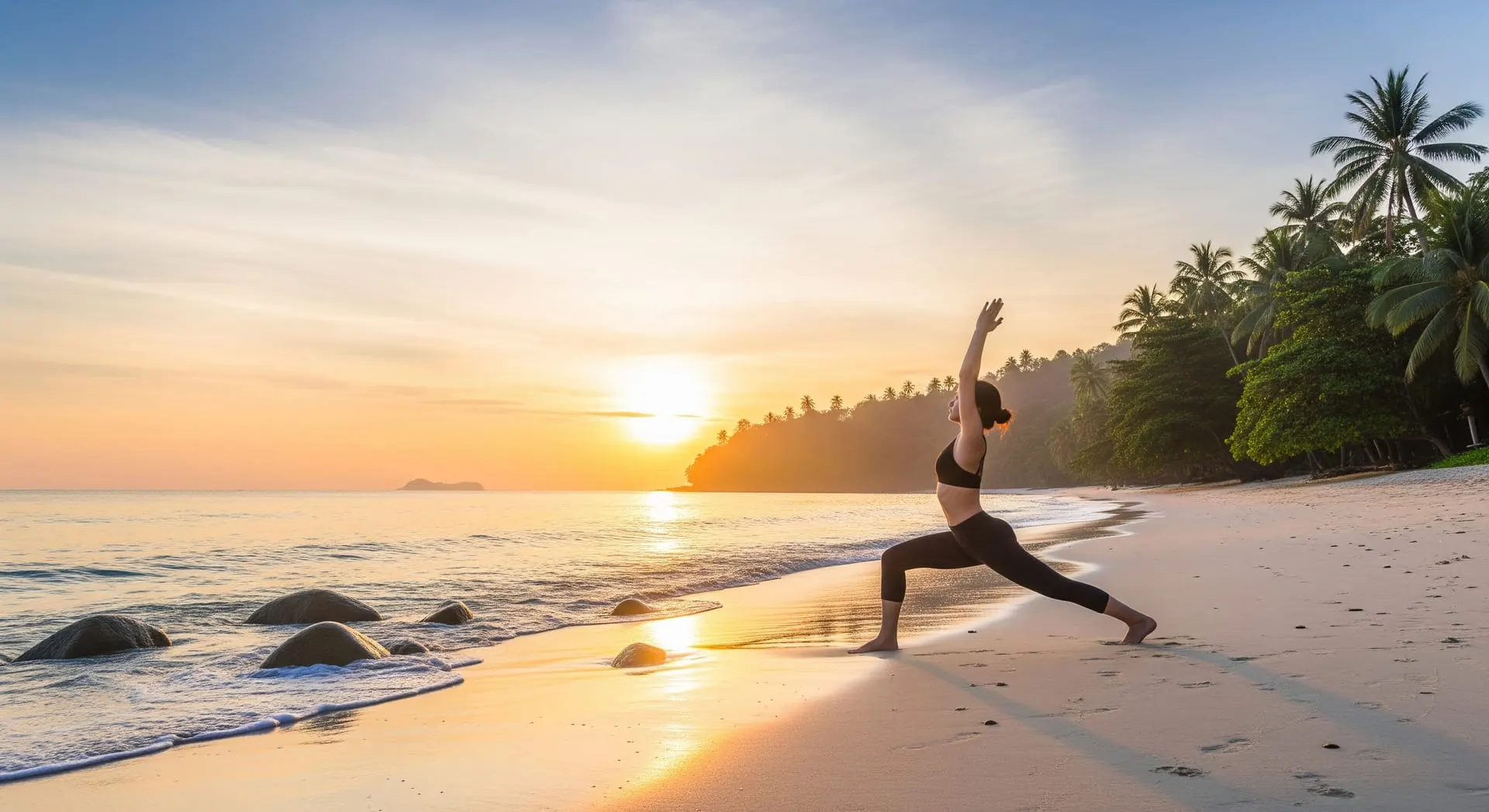
Thailand has become a beacon for Russians seeking a warmer, more affordable lifestyle and new professional horizons. Whether you are escaping the long winters of Moscow, looking for a remote-work base, or simply craving world-renowned Thai hospitality, the Destination Thailand Visa opens the door to a vibrant new chapter. From the buzz of Bangkok to the quiet beaches of the Andaman coast, this is your guide to making the move seamless and rewarding.

Every Russian citizen is eligible to apply

5

Years validity

180

Days per entry

500k

THB proof of funds

$139

Service fee from

100%

Refund if denied*

Why Russian citizens choose Thailand

Living in Thailand from Russia

Section 01

Why Russian Citizens Are Choosing Thailand

For many Russians, Thailand offers an irresistible mix of sunshine, lower costs, and a welcoming culture . The biting winters of Moscow, St. Petersburg, or Novosibirsk become a distant memory as you trade snow boots for flip-flops. The lifestyle upgrade is tangible: fresh tropical fruit, year-round outdoor living, and a society that values sanuk (fun) over stress. Remote workers find the time difference manageable for overlapping with European and Russian markets, while digital nomads thrive in the co-working cafes of Chiang Mai and the beachside neighbourhoods of Phuket and Pattaya.

Beyond the climate, the appeal is practical. The DTV is a single visa that covers five years, so you can settle into a rhythm rather than chasing short tourist stamps. It is little wonder that one of the largest Russian-speaking communities in Asia already calls the Land of Smiles home.

The DTV at a Glance

The Destination Thailand Visa is a 5-year, multiple-entry visa. Each entry allows a stay of up to 180 days, extendable once inside Thailand for a further 180 days. You apply from outside Thailand, and our team prepares and submits the entire application for you, with service starting from $139.

Section 02

Cost of Living: Russia vs Thailand

The headline reason many Russians make the move is simple arithmetic. Outside of Moscow and St. Petersburg, Russian salaries do not stretch far against rising prices, and the ruble has been volatile. In Thailand, the same monthly budget buys far more space, better weather, and a much higher quality of daily life. Below is a rough comparison to set expectations.

  • A modern one-bedroom apartment in central Bangkok rents for around $400-$650 per month, versus $800-$1,300 in central Moscow.
  • A filling local Thai meal costs $1.50-$3; a comparable cafe lunch in a Russian city easily runs $7-$12.
  • Co-working memberships in Chiang Mai run $80-$150 per month, less than you would pay in St. Petersburg or Moscow.
  • A month of city transport in Bangkok (BTS/MRT plus taxis) is modest; a typical ATM withdrawal carries a flat fee of about 220 THB.
  • Overall, a comfortable monthly budget for one person in Thailand starts around $900-$1,400, a lifestyle that would cost noticeably more in a major Russian city.

Smart Budgeting Tip

Cook at home sometimes. Fresh markets like Bangkok's Khlong Toei or Chiang Mai's Muang Mai sell tropical fruit, vegetables, and seafood at a fraction of supermarket prices. A week of produce can cost under $20.

Section 03

Getting to Thailand from Russia

Direct flights from Moscow (Sheremetyevo or Vnukovo) to Bangkok (Suvarnabhumi) take roughly 9.5 to 11 hours , with several carriers serving the route. From St. Petersburg you will usually connect once, for a total of around 13-16 hours including the layover. Travellers from the Russian Far East, such as Vladivostok and Khabarovsk, have a shorter overall journey and often route through hubs in Asia. Bangkok is the main gateway, while Phuket, Krabi, and Chiang Mai also receive international arrivals, often via a connection.

Thailand runs on Indochina Time (UTC+7). Moscow is UTC+3, so Thailand is 4 hours ahead of Moscow. Yekaterinburg (UTC+5) sits 2 hours behind Thailand, while Vladivostok (UTC+10) is 3 hours ahead of Bangkok. In practice you can take an early-morning call with European Russia and still have most of your day free.

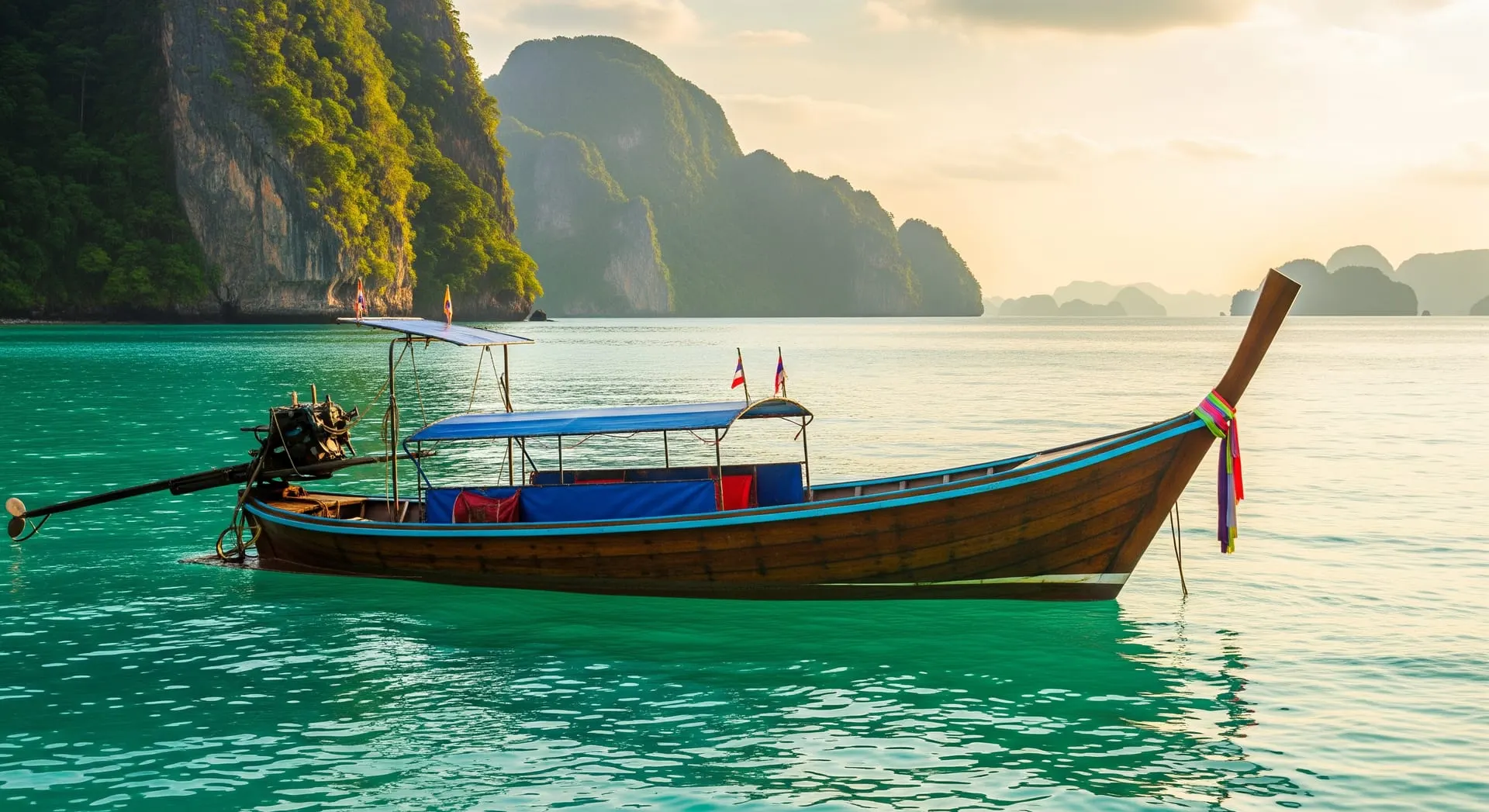
Daily life in Thailand — where Russian citizens settle on the DTV
Life in Thailand — your home base on the 5-year DTV
Section 04

Where Russian Expats Settle in Thailand

  • Bangkok - urban energy, the deepest pool of co-working space, and large Russian-speaking networks. Sukhumvit has Russian grocery stores and restaurants.
  • Pattaya - a longstanding Russian favourite with a beach-city feel, abundant Russian-speaking services, and a lively social scene just two hours from Bangkok.
  • Phuket - resorts, wellness retreats, and a growing nomad scene. Kata, Karon, and Rawai are popular with Russian families.
  • Chiang Mai - the northern capital of digital nomads, with a cooler highland climate, endless coffee shops, and a strong community spirit.
  • Koh Samui and the islands - for those who prioritise island life, accepting that amenities and internet can be patchier away from the main towns.

Did You Know?

Pattaya's Russian community is so well established that you will find Russian-language real estate agencies, clinics, restaurants, and Russian-speaking medical staff across the city.

Section 05

Money & Banking from Russia

Moving money out of Russia has become more complex in recent years, so plan your transfers carefully and check the current status of any service before relying on it. International SWIFT transfers from some Russian banks can be restricted, and many Russians now bridge funds through a third country or a multi-currency account before sending baht to Thailand. Once you arrive, you can usually open a Thai bank account with your passport and a residence certificate from immigration. ATMs dispense Thai baht and typically charge around 220 THB per foreign-card withdrawal, so it is cheaper to take out larger amounts less often. Visa and Mastercard are widely accepted in cities.

For the DTV you will need to show proof of 500,000 THB (~$15,000) in personal funds. This can sit in a Russian or international account, provided the statement is clear and, where needed, translated.

Keep Conversion Costs Low

Avoid airport exchange counters. In Bangkok, dedicated money changers such as SuperRich offer some of the best ruble and dollar rates, and a multi-currency account can help you hold and convert funds when transfers are slow.

Section 06

Documents & Translation

Since Russia's official language is Russian rather than English, your bank statements and supporting documents will likely need a certified English (or Thai) translation before they are submitted. Uncertified or rough translations can cause avoidable problems, so it is worth using a professional service and gathering everything in advance. The good news is that you do not have to navigate this alone: because you apply from outside Thailand, our team reviews your paperwork, tells you exactly what is required, and prepares and submits the full application on your behalf.

Section 07

Daily Life & Community

Thailand offers world-class yet affordable healthcare . Private hospitals in Bangkok and Phuket are internationally accredited, and many have Russian-speaking staff or interpreters. Connectivity is excellent in the cities, with widespread fibre internet and fast 4G/5G mobile data that comfortably supports remote work and video calls. Thai cuisine is a daily highlight, but you will also find Russian groceries, bakeries, and restaurants in the main expat hubs.

The Russian-speaking community is large and welcoming, organised through Facebook groups, Telegram channels, and regular meetups. Holidays such as Russian New Year and Victory Day are marked within expat circles, and whether you arrive as a family or a solo nomad, you will find your people quickly.

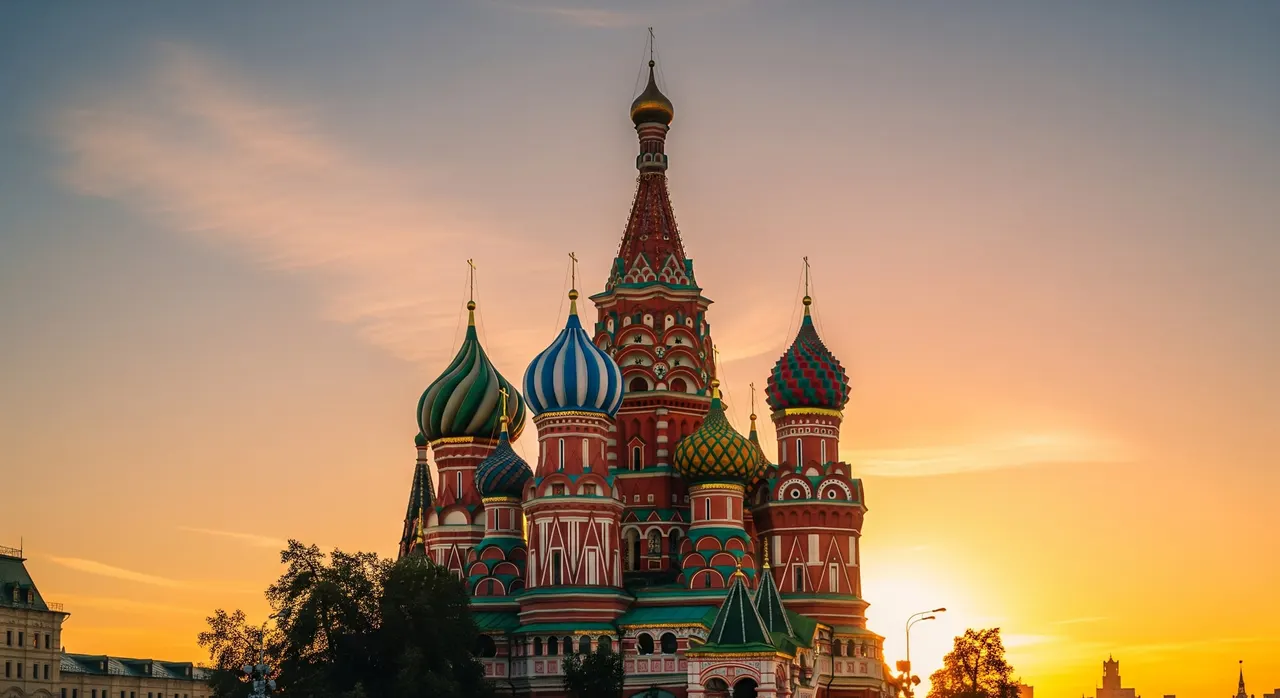
Russia — your starting point before relocating to ThailandRussia
From Russia to Thailand

Make the move from Russia

Trade Russia for up to five years in Thailand on the DTV. We prepare and submit your entire application from wherever you are — proof of funds, category evidence and passport — so you can focus on the move, not the paperwork.

Check eligibility
Step by step

How Russian citizens apply for the DTV

1

Check you qualify

Almost every nationality can apply. Take our free 60-second eligibility checker to confirm your route — remote work, soft power, medical or family.

2

We prepare everything

We assemble and review your documents: proof of 500,000 THB (~$15,000), your category evidence and passport — so nothing gets rejected.

3

We submit for you

You apply from outside Thailand. We file at a Thai embassy or consulate (such as Hanoi, Ho Chi Minh, Jakarta, Vientiane or London) within one business day.

4

Get approved & move

On approval you get the 5-year, multiple-entry DTV — up to 180 days per stay, extendable once. Then make Thailand home.

Questions

DTV FAQ for Russian citizens

What is the Destination Thailand Visa for Russian citizens?

The Destination Thailand Visa (DTV) is a 5-year multiple-entry visa that lets you stay in Thailand for up to 180 days per entry, extendable once inside the country for a further 180 days. It is designed for remote workers, digital nomads, and long-term visitors.

Can I apply for the DTV from within Thailand?

No. The DTV must be applied for from outside Thailand. Our team prepares and submits your application on your behalf, so everything is in order before you travel.

How much money do I need to show for the DTV?

You need to demonstrate proof of 500,000 THB (approximately $15,000) in personal funds. These can be held in a Russian or international account, with the statement translated into English or Thai where required.

How much does your DTV service cost?

Our professional service to prepare and submit your DTV application starts from $139. We also offer an optional Denial Protection add-on that provides a 100% refund if your visa is not approved.

What is the time difference between Russia and Thailand?

Thailand (UTC+7) is 4 hours ahead of Moscow (UTC+3). Yekaterinburg sits 2 hours behind Thailand, and Vladivostok is 3 hours ahead of Bangkok. This spread makes it easy to keep working hours that overlap with clients across Russia.

Are there direct flights from Russia to Thailand?

Yes. Direct flights from Moscow to Bangkok take roughly 9.5-11 hours. From St. Petersburg and most other Russian cities you will usually connect once, for a total of around 13-18 hours depending on the route.

How does the cost of living in Thailand compare to Russia?

Thailand is generally cheaper for foreigners on a remote income. Rent, meals, transport, and co-working typically cost less than in Moscow or St. Petersburg, and a comfortable lifestyle can be had from around $900-$1,400 per month.

Do Russian citizens need to translate documents for the DTV application?

Most likely yes. Because Russian is not English, supporting documents such as bank statements will usually need a certified English or Thai translation. Our team confirms exactly what is needed for your case.

Where do most Russians live in Thailand?

The most popular bases are Bangkok, Pattaya, Phuket, and Chiang Mai. Each offers a different lifestyle, from urban to beach to mountain, and all have well-established Russian-speaking communities and amenities.

Can I extend my stay beyond 180 days on the DTV?

Yes. Each entry is valid for up to 180 days, and you can extend once per entry for an additional 180 days inside Thailand, allowing close to a full year before you need to leave and re-enter.

Where you apply

The Thai mission for Russia

You submit the DTV online via the Thai e-Visa portal — but the office below covers applicants in Russia and may review your file.

Ready to move to Thailand from Russia?

Check your eligibility in under a minute, or let our team prepare and submit everything — with a 100% refund if your application is denied (with the optional paid Denial Protection add-on).