Skip to content
Africa

DTV Visa for Congolese Citizens
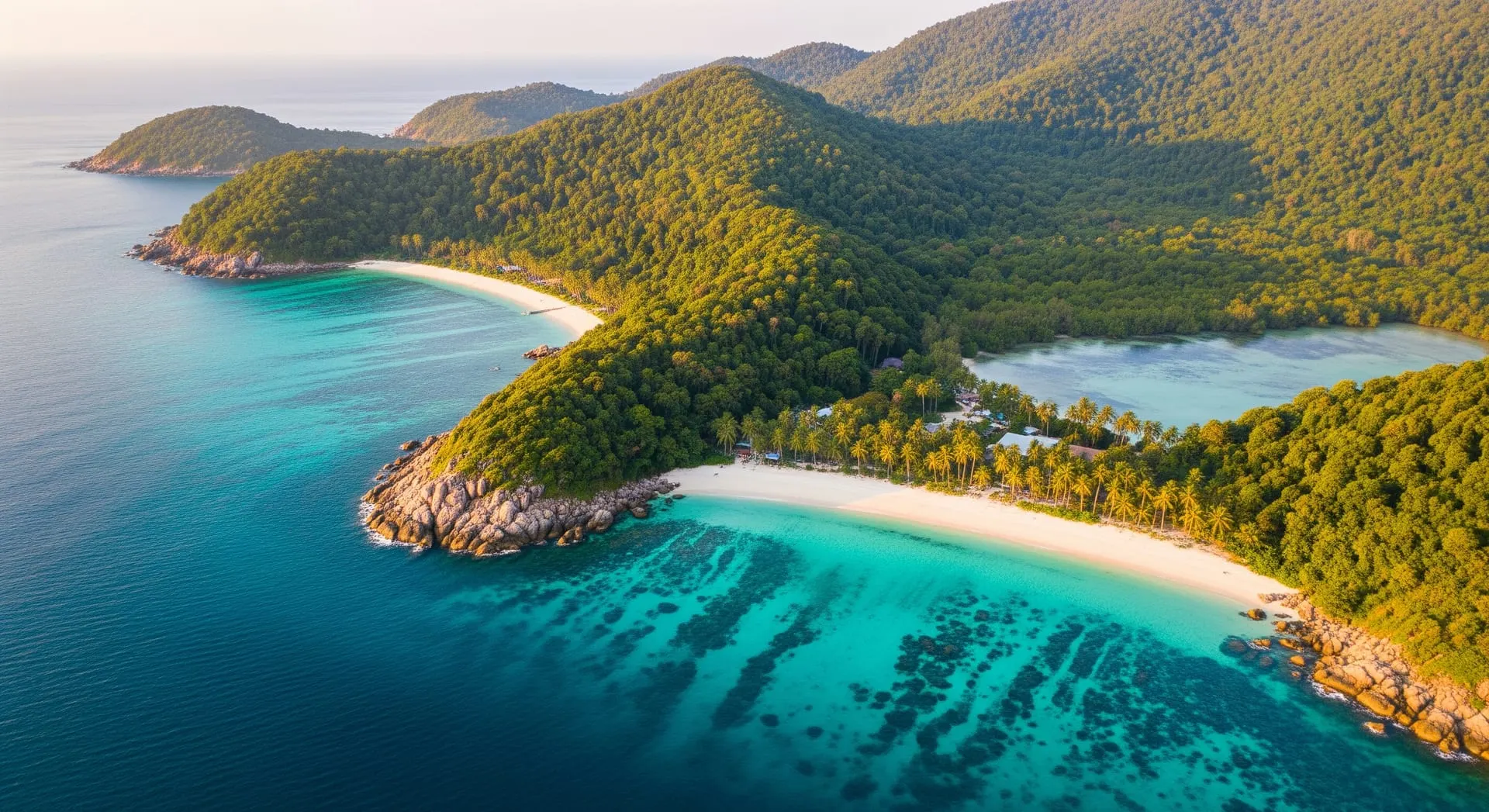
Imagine trading the high costs of Brazzaville for Thailand's tropical calm, world-class street food, and buzzing remote-work hubs. For Congolese professionals, entrepreneurs, and freelancers, the 5-year Destination Thailand Visa (DTV) opens the door to a lifestyle upgrade without the heavy overheads of Central Africa. Whether you are working from a Chiang Mai café or running an online business near a Phuket beach, Thailand offers warm hospitality, dependable infrastructure, and a cost of living that lets your income stretch much further.

Every Congolese citizen is eligible to apply

5

Years validity

180

Days per entry

500k

THB proof of funds

$139

Service fee from

100%

Refund if denied*

Why Congolese citizens choose Thailand

Living in Thailand from Republic of the Congo

Section 01

Why Congolese Are Choosing Thailand

The Republic of the Congo offers vast natural beauty and a close-knit culture, but many Congolese are looking for a setting that better balances work, lifestyle, and financial security. Thailand has become a leading choice for several reasons. Both countries share a tropical climate, yet Thailand's infrastructure — from high-speed internet to internationally accredited private hospitals — far outpaces what is available across much of Central Africa. Safety is another major draw: Thailand's generally low street-crime rate and welcoming atmosphere give newcomers peace of mind, whether you are browsing a Bangkok night market or trekking in the northern hills.

For remote workers, Thailand is a genuine hub. The DTV was built specifically for location-independent professionals, and co-working spaces with fast, reliable Wi-Fi are everywhere from Bangkok to Chiang Mai. Add a diverse, friendly, and largely English-speaking expat scene, and you have a place where a Congolese professional can thrive while enjoying an enviable quality of life.

The DTV at a Glance

The Destination Thailand Visa is a 5-year multiple-entry visa. Each entry lets you stay up to 180 days, and you can extend that stay once for a further 180 days without leaving the country. You qualify by showing proof of 500,000 THB (~$15,000) in personal funds. Our service starts from $139, and with the optional Denial Protection add-on you receive a 100% refund if your application is denied.

Section 02

Cost of Living: Republic of the Congo vs Thailand

One of the biggest surprises for Congolese expats is how far their money goes in Thailand. Brazzaville and Pointe-Noire are among the more expensive cities in Central Africa, driven largely by the oil economy and a heavy reliance on imported goods. Thailand, by contrast, produces much of its own food and consumer goods, so everyday costs stay remarkably low even in the capital.

  • A restaurant meal in Brazzaville often costs XAF 8,000–15,000 (US$13–25); in Thailand, a tasty local dish runs THB 50–100 (US$1.50–3).
  • Monthly rent for a modern one-bedroom apartment in central Brazzaville: XAF 500,000–800,000 (US$800–1,300). In Bangkok: THB 12,000–25,000 (US$350–700). In Chiang Mai: as low as THB 8,000 (US$230).
  • A monthly gym membership in Pointe-Noire is around XAF 40,000 (US$65); in Thailand it is often under THB 1,500 (US$42).
  • Co-working hot-desk: in Bangkok from THB 3,000/month (US$85); Brazzaville has very limited options, usually at a higher price.
  • Public transport: a songthaew ride in Chiang Mai costs only THB 30 (US$0.85), while a comparable Brazzaville taxi trip can cost several times more.
  • A typical ATM withdrawal in Thailand carries a local fee of about 220 THB, so it pays to take out larger amounts less often.

The Bigger Picture

Most Congolese expats find they can live comfortably in Thailand for 50–70% less than they would spend on a similar lifestyle in Brazzaville or Pointe-Noire, while gaining access to better healthcare, international cuisine, and modern amenities.

Section 03

Getting to Thailand from Republic of the Congo

There are no direct flights between the Republic of the Congo and Thailand, but well-connected one-stop routes make the journey manageable. Most Congolese depart from Maya-Maya Airport (BZV) in Brazzaville or Agostinho-Neto Airport (PNR) in Pointe-Noire. Popular routings include Ethiopian Airlines via Addis Ababa, Qatar Airways via Doha, Emirates via Dubai, or Turkish Airlines via Istanbul. Total travel time typically runs from around 16 to 22 hours depending on the layover.

You will land at Suvarnabhumi Airport (BKK) in Bangkok, six hours ahead of home: Thailand is UTC+7 while the Republic of the Congo stays on UTC+1 year-round. So when it is noon in Brazzaville, it is already 6 p.m. in Thailand. For remote workers serving European or African clients, that gap can be an advantage — you get quiet morning hours for focused work and are still available for Congo-based calls in the late Thai afternoon.

Beat Jet Lag

Where possible, book a flight that lands in Bangkok in the morning or early afternoon. Staying awake until a normal local bedtime helps your body clock adjust to the six-hour difference faster, so you can start exploring from day one.

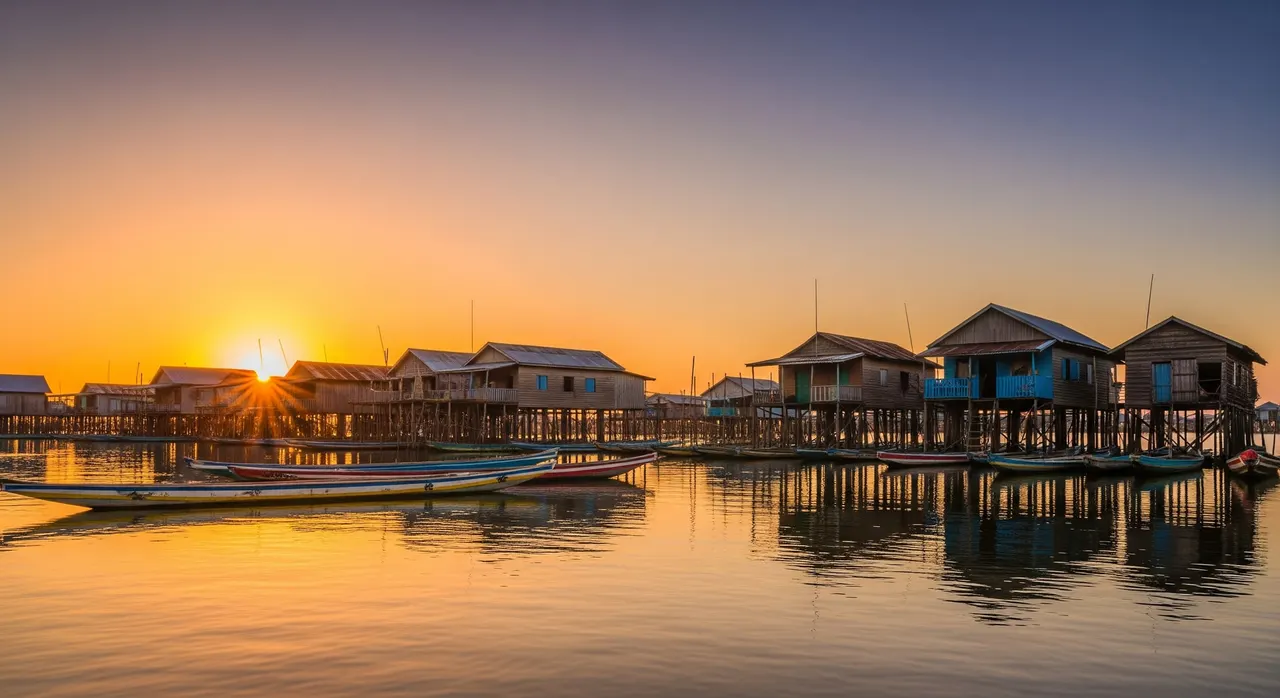
Daily life in Thailand — where Congolese citizens settle on the DTV
Life in Thailand — your home base on the 5-year DTV
Section 04

Where to Settle: Popular Destinations

  • Bangkok: The capital offers world-class dining, countless co-working spaces, and a large expat network — ideal if you thrive on urban energy.
  • Chiang Mai: Nestled in the northern mountains, this laid-back city is a remote-worker favourite with a low cost of living, a cool dry season, and a tight community.
  • Phuket: Thailand's largest island offers resort-style living, beautiful beaches, international schools, and a lively African expat scene at beach clubs and sports bars.
  • Pattaya & Jomtien: Close to Bangkok, these coastal towns combine affordable seaside living with energetic nightlife and a growing set of co-working venues.
  • Koh Samui & Koh Phangan: For true island life, these spots blend tranquility with regular community events — perfect for creatives and wellness enthusiasts.
Section 05

Money & Banking Across Continents

Moving funds from the Republic of the Congo to Thailand is straightforward with modern fintech tools. The local currency, the Central African CFA franc (XAF), is pegged to the euro, which gives it relative stability. Traditional international bank transfers work but are often slow and costly. A smarter route is a service like Wise or Revolut, which converts XAF to Thai baht (THB) close to the real mid-market rate with low fees. Once in Thailand, you can withdraw THB from almost any ATM with a Congolese Visa or Mastercard, though local machines typically add a fee of about 220 THB per withdrawal on top of your home bank's charges.

For day-to-day spending, cash is still widely used, but QR-code mobile payments via PromptPay are everywhere. Many expats open a Thai bank account once they hold a long-stay visa, which makes receiving local payments easier and cuts down on ATM fees. A handy tip: carry some US dollars or euros as a backup — they are easy to exchange at airport booths and banks on arrival.

Smart Currency Handling

Because the CFA franc is euro-pegged, watch the EUR/THB rate rather than the dollar when timing larger transfers. Converting in one or two larger batches usually beats many small transfers once you factor in fixed fees.

Section 06

Documents & Translation

As a Congolese citizen, your official documents — bank statements, employment contracts, and professional portfolios — are typically issued in French, the country's official language. Because supporting documents for the DTV are best provided in English (or Thai), your French paperwork will likely need a certified English translation. Using a sworn or professionally recognised translator helps ensure the certification is accepted without friction.

The good news is that you apply from outside Thailand and our team prepares and submits the entire application for you. We guide you through exactly which documents to gather and how to present them, so nothing gets lost in translation. Having your paperwork ready in English also helps in daily life in Thailand, where English is widely used in business and official settings.

Section 07

Daily Life & Community in Thailand

Healthcare in Thailand is a revelation for many Congolese. Private hospitals in Bangkok and other major cities are internationally accredited, with English-speaking doctors and modern equipment, at a fraction of European prices. A routine consultation costs roughly THB 500–1,000 (US$14–28), and even more complex care is affordable by global standards.

The internet is fast and reliable, with 5G in urban areas and fibre broadband common in condominiums. Co-working spaces double as community hubs where you can network with other remote workers. As for food, you are never far from a great pad Thai or a bowl of khao soi, while international supermarkets stock African ingredients and a handful of African restaurants in Bangkok serve dishes like muamba and saka saka.

The Congolese community in Thailand is small but growing and tightly connected. African expat groups on social media organise everything from football matches to music nights. Learning a few Thai phrases goes a long way with locals, and the Thai idea of sanuk — finding fun in everything — keeps daily life upbeat.

Join the Network

Search for "Africans in Thailand" or "Congolese in Bangkok" groups on Facebook to connect with compatriots before you arrive. Members often share tips on accommodation, reliable translators, and the best spots for fufu and ndolé.

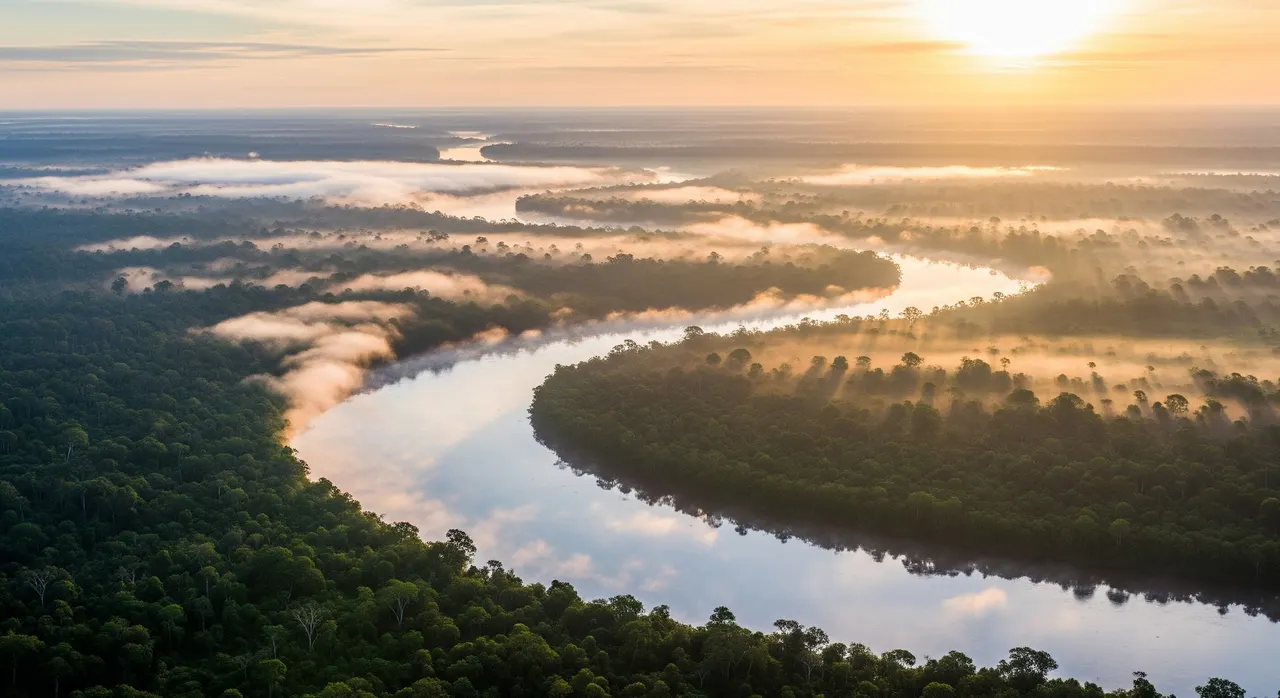
Republic of the Congo — your starting point before relocating to ThailandRepublic of the Congo
From Republic of the Congo to Thailand

Make the move from Republic of the Congo

Trade Republic of the Congo for up to five years in Thailand on the DTV. We prepare and submit your entire application from wherever you are — proof of funds, category evidence and passport — so you can focus on the move, not the paperwork.

Check eligibility
Step by step

How Congolese citizens apply for the DTV

1

Check you qualify

Almost every nationality can apply. Take our free 60-second eligibility checker to confirm your route — remote work, soft power, medical or family.

2

We prepare everything

We assemble and review your documents: proof of 500,000 THB (~$15,000), your category evidence and passport — so nothing gets rejected.

3

We submit for you

You apply from outside Thailand. We file at a Thai embassy or consulate (such as Hanoi, Ho Chi Minh, Jakarta, Vientiane or London) within one business day.

4

Get approved & move

On approval you get the 5-year, multiple-entry DTV — up to 180 days per stay, extendable once. Then make Thailand home.

Questions

DTV FAQ for Congolese citizens

What exactly is the Destination Thailand Visa (DTV) for Congolese applicants?

It is a 5-year multiple-entry visa designed for remote workers, digital nomads, and long-stay visitors. It lets you stay in Thailand for up to 180 days per entry, and you can extend each stay once for an additional 180 days without leaving the country.

Do I need to apply for the DTV from inside Thailand?

No. The DTV must be applied for from outside Thailand. Our team prepares and submits your complete application on your behalf, handling all of the paperwork for you.

How much money do I need to show for the DTV application?

You must show proof of 500,000 THB (~$15,000) in personal funds, held in a bank account or equivalent assets. This demonstrates you can comfortably support yourself during your stay.

What does your DTV service cost, and is there a refund if I'm denied?

Our service starts from $139. If you add the optional Denial Protection and your application is not approved, you receive a 100% refund, so there is no financial risk.

How long does it take to fly from Brazzaville to Bangkok?

There are no direct flights, but one-stop routes via Addis Ababa, Doha, Dubai, or Istanbul typically take around 16–22 hours including the layover. Ethiopian Airlines, Qatar Airways, Emirates, and Turkish Airlines all offer well-connected options.

What is the time difference between Congo and Thailand, and how will it affect my remote work?

Thailand is six hours ahead of the Republic of the Congo (UTC+7 vs UTC+1). When you begin your workday in Thailand, it is still early morning in Congo. Many remote workers love this: quiet morning hours for deep work, then late-afternoon Thai time for calls with Congolese clients.

Do my documents from Congo need to be translated?

Most likely yes. Because official documents from the Republic of the Congo are issued in French, your bank statements and supporting paperwork will usually need a certified English translation for the DTV. We advise on recognised translation services to keep the process smooth.

Is there a Congolese community in Thailand?

Yes — small but growing, especially in Bangkok and Phuket. African expat groups regularly organise social events, and you can find African-owned restaurants and businesses. Social media makes it easy to connect before you even land.

Can I work for a Thai company with the DTV?

The DTV is intended for remote workers employed by overseas companies or running their own location-independent business. It does not permit employment with a Thai employer, but you are free to work online with clients anywhere in the world, including in Congo.

Will living costs really be lower than in Brazzaville?

In most cases, yes. Even in Bangkok, many Congolese find daily expenses cut by half or more compared with Brazzaville. A comfortable lifestyle covering meals, transport, and a modern apartment is achievable for around US$800–1,200 a month in many Thai cities.

Ready to move to Thailand from Republic of the Congo?

Check your eligibility in under a minute, or let our team prepare and submit everything — with a 100% refund if your application is denied (with the optional paid Denial Protection add-on).