Skip to content
Middle East

DTV Visa for Qatari Citizens
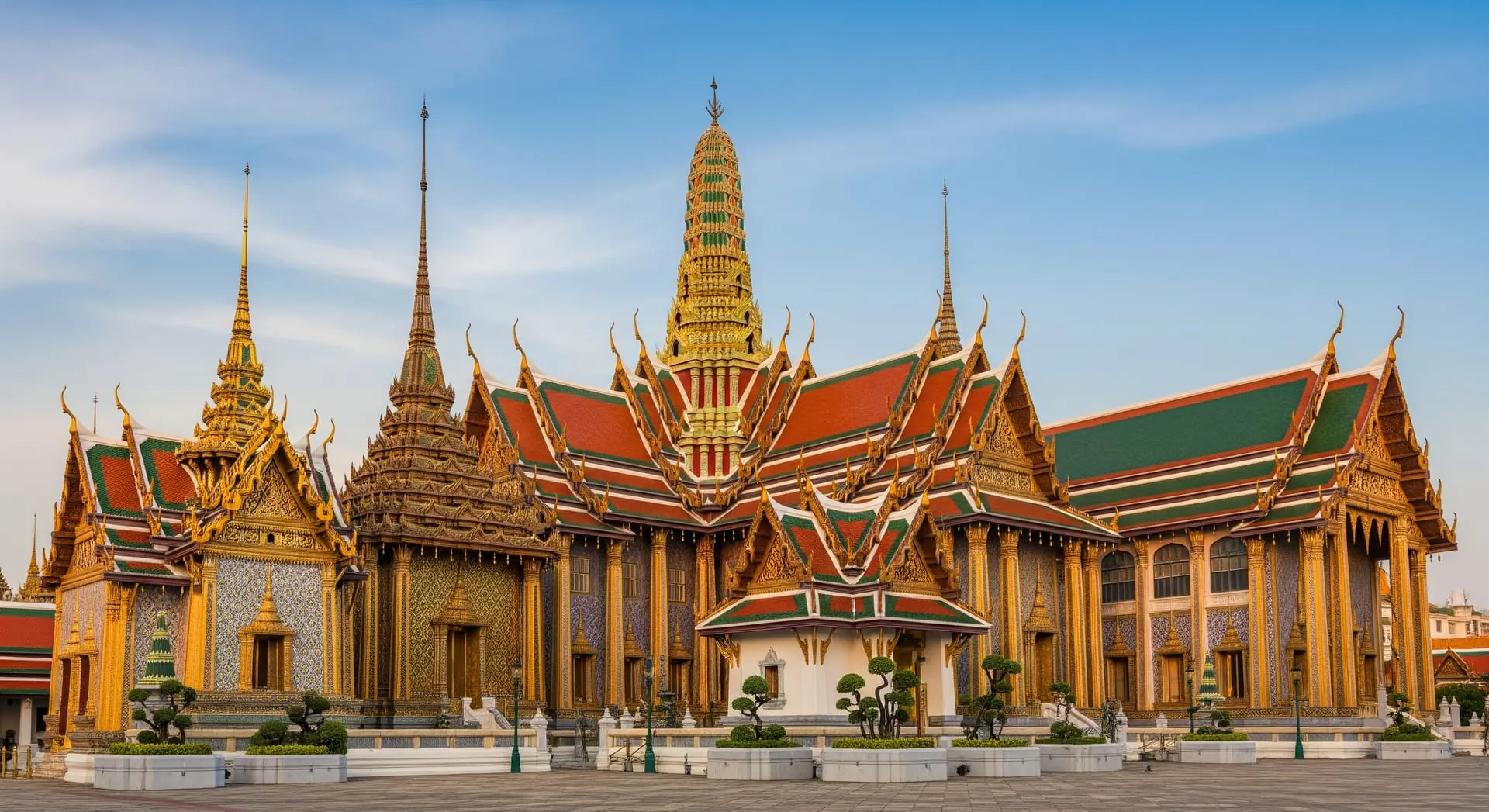
For many Qatari citizens , a long-term escape to Southeast Asia is no longer just a dream — it's a practical lifestyle upgrade. Thailand's Destination Thailand Visa (DTV) welcomes remote workers, digital entrepreneurs and long-stay visitors from Qatar, offering the chance to swap desert heat for tropical breezes without giving up modern comforts. Whether you are a freelancer in Doha tired of the August humidity, a business owner looking for a creative second base, or a family seeking world-class private healthcare at a fraction of Gulf prices, Thailand delivers a vibrant, Muslim-friendly environment where your riyals stretch much further and every weekend can feel like a holiday.

Every Qatari citizen is eligible to apply

5

Years validity

180

Days per entry

500k

THB proof of funds

$139

Service fee from

100%

Refund if denied*

Why Qatari citizens choose Thailand

Living in Thailand from Qatar

Section 01

Why Qatari Citizens Are Moving to Thailand

For Qataris accustomed to a high standard of living, Thailand offers a refreshing contrast that feels both exotic and comfortably familiar. The climate is a major draw — instead of blistering 45-50°C Doha summers when stepping outside means dashing between air-conditioned cars and malls, you'll find lush green hills, monsoon rain that cools the air, and breezes along thousands of kilometres of shoreline. It is not only about escaping the heat; it is about stepping into a slower, more nature-rich rhythm of life.

Beyond the weather, many Qatari professionals cite a desire for a more global, unhurried lifestyle. Thailand's mai pen rai (never mind) attitude is the perfect antidote to high-pressure work cultures. With world-class gyms, fast co-working spaces and an electric food scene — from Michelin-listed street stalls to halal fine dining — it is easy to see why so many Qataris are choosing Thailand as their second home.

What the DTV Actually Gives You

The Destination Thailand Visa is a 5-year multiple-entry visa. Each entry lets you stay up to 180 days, and you can extend once inside Thailand for a further 180 days — almost a full year per trip. You apply from outside Thailand, and DTVThaiVisa.com prepares and submits the whole application for you, with service from $139.

Section 02

Cost of Living: Qatar vs Thailand

One of the first things Qataris notice after moving to Thailand is the dramatic drop in day-to-day costs. In Doha, a modern one-bedroom apartment in a central tower such as West Bay or The Pearl typically runs QAR 6,000-9,000 per month. In Bangkok, a comparable condo with pool and gym in a prime expat neighbourhood like Sukhumvit or Sathorn rents for roughly QAR 2,000-3,500 — an instant saving of 50-70%. Even in resort destinations like Phuket, sea-view apartments cost far less than equivalent space back home.

  • Meal at a mid-range restaurant: QAR 60-90 in Doha vs QAR 15-30 in Thailand.
  • Monthly co-working hot desk: QAR 1,000-1,500 in Doha vs QAR 300-550 in Chiang Mai.
  • Taxi 5 km: QAR 25-35 in Doha vs QAR 8-15 in Bangkok on the meter.
  • Cinema ticket: QAR 45-55 in Doha vs QAR 20-28 in Bangkok.
  • Domestic help / weekly cleaner: a fraction of Gulf agency rates.

Budget Like a Local

Even with a comfortable lifestyle — weekly massages, a language tutor and regular island trips — many Qatari remote workers report living well on QAR 8,000-12,000 a month. That is a sum that would barely cover rent and utilities alone in Doha's premium districts.

Section 03

Getting to Thailand from Qatar

Travelling from Qatar to Thailand could hardly be easier. From Hamad International Airport in Doha, daily non-stop flights to Bangkok's Suvarnabhumi Airport take roughly 6 hours — comfortable as either a daytime hop or an overnight. Phuket and Koh Samui are reachable with one short connection in Bangkok, Kuala Lumpur or Dubai. For such a radical change of scenery, the distance feels surprisingly short, which makes popping home for Eid or family events painless.

Thailand runs on Indochina Time (ICT, UTC+7), while Qatar uses Arabia Standard Time (UTC+3) — a 4-hour gap. Many Qatari remote workers find this ideal: when you start work at 11 AM in Bangkok it is already 7 AM in Doha, so you keep your mornings free for the beach or a Muay Thai class and still overlap a full working afternoon with Gulf-based clients and family.

Daily life in Thailand — where Qatari citizens settle on the DTV
Life in Thailand — your home base on the 5-year DTV
Section 04

Where Qatari Expats and Nomads Settle

The Thai destinations favoured by Qataris range from cosmopolitan buzz to serene island living. Bangkok is the default first choice — its gleaming malls, internationally accredited hospitals and the long-established Arab quarter around Sukhumvit Soi 3 (Nana) make it a true home away from home, with shisha cafes and halal kitchens on every corner. For cooler, greener surroundings, Chiang Mai in the north is a relaxed digital-nomad hub with a long-standing Muslim community and mosques around the Ban Haw and Chang Klan areas.

If your dream postcode involves sand between your toes, Phuket is the clear winner: the Laguna, Bang Tao and Kata areas blend beachside luxury with easy Middle East connections, and villa prices look like a bargain next to The Pearl. Further afield, Koh Samui and Krabi offer slower, postcard-perfect living with surprisingly good internet — ideal for those who truly want to unplug.

  • Bangkok: Arab-friendly Nana district, top hospitals, international schools and round-the-clock energy.
  • Chiang Mai: affordable, green, strong nomad scene and an established Muslim community.
  • Phuket: beachside luxury, easy Middle East links and a growing Qatari social circle.
  • Koh Samui / Krabi: secluded island living with good co-working spots and expat meet-ups.
Section 05

Money and Banking

Managing money across borders is simpler than you might expect. The Qatari Riyal is pegged to the US Dollar at a fixed rate, which keeps your exchange rate against the Thai Baht stable — usually somewhere around 9-10 THB per Riyal. You can move funds from QNB, Commercial Bank, Doha Bank or Qatar Islamic Bank via international wire, or use apps like Wise and Revolut for lower fees and faster transfers. Once in Thailand, holding a long-term visa makes it far easier to open a Thai bank account, giving you a local debit card, mobile banking and the QR payments that are now everywhere.

Keep Some Cash Handy

Thailand is going cashless fast via the PromptPay QR system, but street markets, songthaews and smaller islands still prefer cash. ATMs charge a fixed foreign-card fee of around 220 THB per withdrawal, so take out larger sums at once, or change Riyals at SuperRich and Vasu exchange booths for noticeably better rates than the airport.

Section 06

Documents and Translation

Qatar's official language is Arabic, so most bank statements, employment letters and other official paperwork will be issued in Arabic. Because DTV supporting documents are best presented in English (or Thai), you will very likely need certified English translations of your financial and personal documents. This is a routine step — accredited translation offices in Doha can produce notarised English versions quickly. Our team at DTVThaiVisa.com knows exactly which documents need translating and reviews everything before submission, so nothing gets bounced back for a formatting issue.

Proof of Funds, Made Simple

The DTV requires you to show personal funds of 500,000 THB (about $15,000). For a Qatari applicant that is a modest amount, and it does not need to be moved to Thailand — it simply demonstrates you can support your stay. We help you present QNB, QIB or other statements in the right format, with certified translation where needed.

Section 07

Daily Life and Community

Thailand strikes a rare balance between exotic adventure and reassuring comfort — something that resonates with Qatari expats. Healthcare is a standout: private hospitals such as Bumrungrad and Bangkok Hospital are internationally accredited, with English-speaking specialists and prices well below Gulf private rates even before insurance. Connectivity is excellent too; fast fibre and nationwide 5G make remote work seamless from a Bangkok condo or a Samui villa alike.

The food scene is a halal paradise. From street-side biryani and grilled seafood to upscale Lebanese and Persian kitchens, you will rarely miss home cooking — machboos, hummus and kunafa are all within reach, especially around Bangkok's Nana area. Thailand is also remarkably safe, with very low violent crime and a culture that is respectful of Muslim traditions. And you will not be alone: Qatari and wider Gulf social circles, business networks and casual meet-ups in Bangkok and Phuket grow every year, giving you a ready-made community the moment you land.

A Muslim-Friendly Base

Thailand is one of the most Muslim-friendly destinations in Southeast Asia. Bangkok alone has well over 150 mosques, and every major city offers abundant halal-certified restaurants. During Ramadan, the city's Muslim quarters host lively iftar markets, and the southern provinces have a deep-rooted Muslim heritage — so observing your faith and diet is effortless.

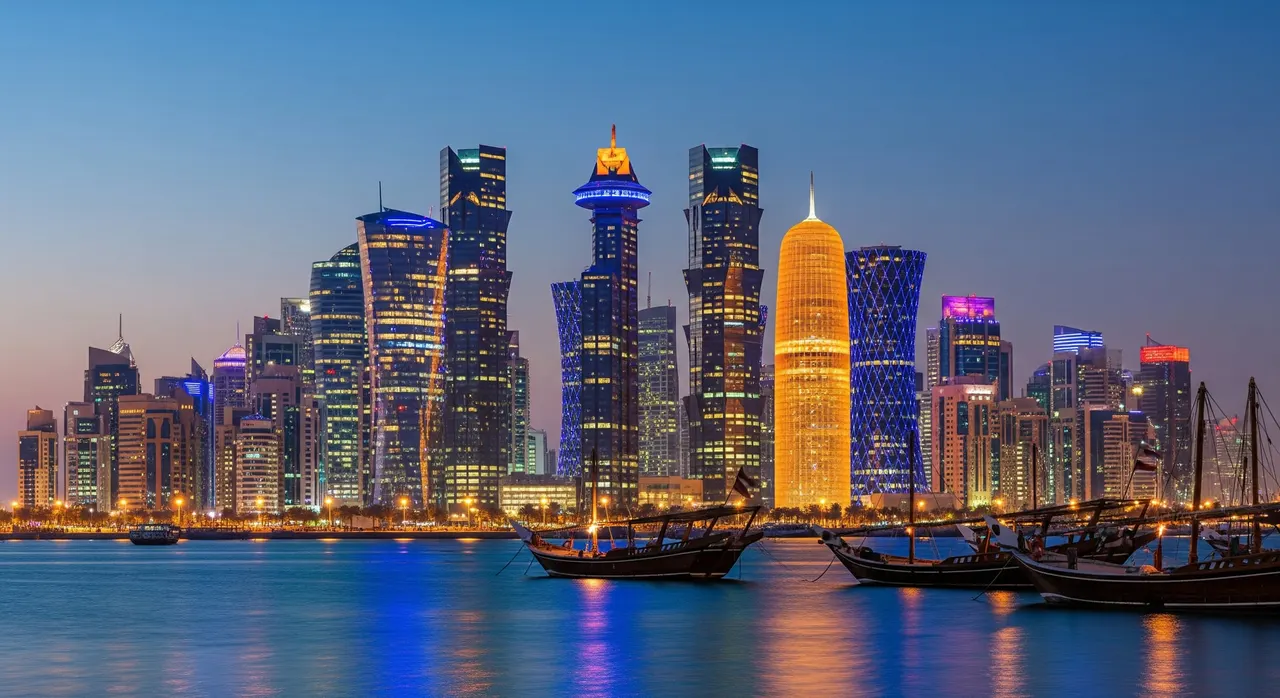
Qatar — your starting point before relocating to ThailandQatar
From Qatar to Thailand

Make the move from Qatar

Trade Qatar for up to five years in Thailand on the DTV. We prepare and submit your entire application from wherever you are — proof of funds, category evidence and passport — so you can focus on the move, not the paperwork.

Check eligibility
Step by step

How Qatari citizens apply for the DTV

1

Check you qualify

Almost every nationality can apply. Take our free 60-second eligibility checker to confirm your route — remote work, soft power, medical or family.

2

We prepare everything

We assemble and review your documents: proof of 500,000 THB (~$15,000), your category evidence and passport — so nothing gets rejected.

3

We submit for you

You apply from outside Thailand. We file at a Thai embassy or consulate (such as Hanoi, Ho Chi Minh, Jakarta, Vientiane or London) within one business day.

4

Get approved & move

On approval you get the 5-year, multiple-entry DTV — up to 180 days per stay, extendable once. Then make Thailand home.

Questions

DTV FAQ for Qatari citizens

What exactly is the Destination Thailand Visa (DTV) for Qatari citizens?

The DTV is a 5-year multiple-entry visa that lets Qatari citizens stay in Thailand for up to 180 days per entry, extendable once for a further 180 days. It is designed for remote workers, digital nomads, freelancers and long-stay visitors who can support themselves while based in Thailand.

How long does it take to fly from Qatar to Thailand?

Non-stop flights from Doha to Bangkok take roughly 6 hours and run daily, so travelling back and forth is easy. For Phuket or Koh Samui you can add one short connection in Bangkok, Kuala Lumpur or Dubai, which adds only a couple of hours to the total journey.

What is the time difference between Qatar and Thailand?

Thailand is 4 hours ahead of Qatar. When it is 8:00 AM in Doha it is already noon in Bangkok. This gap works well for remote workers: you can spend the morning outdoors and still overlap a full working afternoon with Qatar-based clients and colleagues.

How much money do I need to show for the DTV application?

You must demonstrate personal funds of 500,000 THB (approximately $15,000). This figure is the same for every nationality — it is not specific to Qatari applicants. The money does not have to be transferred to Thailand; it simply shows you can support your stay, and our team helps present your bank statements correctly.

Can I apply for the DTV while I am already inside Thailand on a tourist visa?

No. The DTV must be applied for and approved while you are outside Thailand. We prepare and submit the entire application for you from your home base, so you only travel once everything is approved.

Is the DTV a good fit for Qatari remote workers and freelancers?

Yes. The visa is tailor-made for location-independent professionals. With Qatar's intense summers, many freelancers and business owners use the DTV to base themselves in Thailand for up to six months at a stretch, working with international clients while enjoying a much lower cost of living and a vibrant cultural scene.

Will I need to translate my Qatari documents into English?

Most likely, yes. Because Qatar's official language is Arabic, bank statements, employment letters and other official documents will usually need a certified English translation when submitted for the DTV. Accredited offices in Doha can handle this quickly, and we will tell you exactly which documents require it.

What does the DTVThaiVisa.com service cost, and what if my application is refused?

We prepare and submit your entire DTV application on your behalf, guiding you through document collection, translation where needed, and submission. Service starts from $139, and with the optional Denial Protection add-on you receive a 100% refund if your application is denied.

Can I open a Thai bank account as a Qatari DTV holder?

Yes. Once you have a long-term visa in your passport and a local address, opening a Thai bank account is straightforward. A local account makes daily life easier — you can use PromptPay QR payments, top up your phone and avoid high international card fees.

Is it easy to find halal food and mosques in Thailand?

Very easy. Thailand is extremely Muslim-friendly, especially in Bangkok's Nana district, Chiang Mai, Phuket and the southern provinces. Halal restaurants are everywhere and mosques are simple to find, so many Qatari residents settle in with no compromise on their faith or diet.

Where you apply

The Thai mission for Qatar

You submit the DTV online via the Thai e-Visa portal — but the office below covers applicants in Qatar and may review your file.

More in Middle East

Other DTV country guides

Ready to move to Thailand from Qatar?

Check your eligibility in under a minute, or let our team prepare and submit everything — with a 100% refund if your application is denied (with the optional paid Denial Protection add-on).