Skip to content
Europe

DTV Visa for Polish Citizens
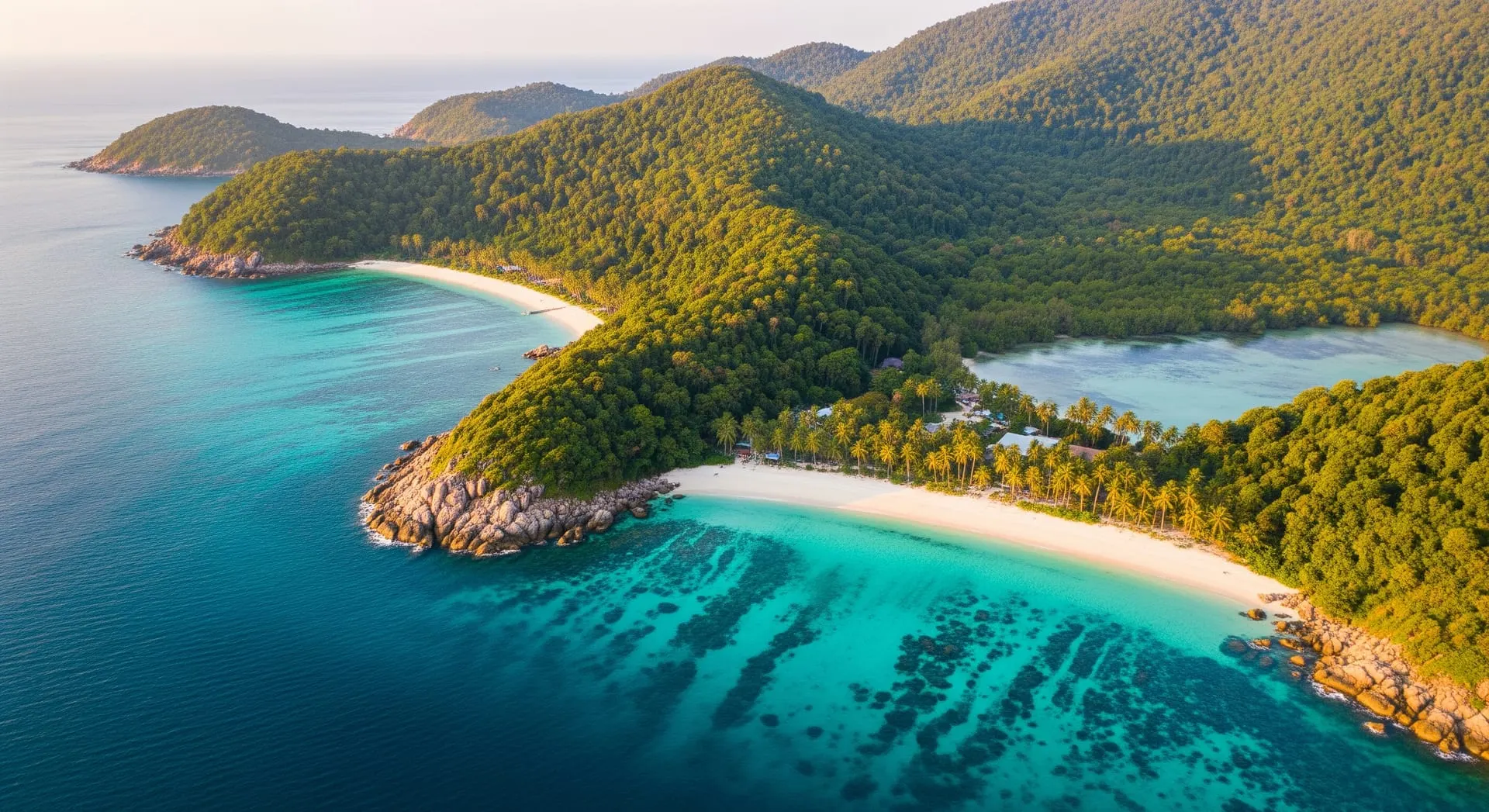
Imagine swapping Poland's grey, drawn-out winters for Thailand's year-round sun, palm-fringed beaches and a cost of living that lets your złoty stretch far further than it does in Warsaw or Kraków. For Polish citizens , the Destination Thailand Visa (DTV) opens the door to a five-year base in Southeast Asia, a thriving digital-nomad scene and an affordable, adventurous lifestyle in the Land of Smiles.

Every Polish citizen is eligible to apply

5

Years validity

180

Days per entry

500k

THB proof of funds

$139

Service fee from

100%

Refund if denied*

Why Polish citizens choose Thailand

Living in Thailand from Poland

Section 01

Why Polish Remote Workers Are Choosing Thailand

From Warsaw and Kraków to Wrocław, Poznań and Gdańsk, more Polish professionals are trading rising living costs and five months of cold, dark weather for Thailand's tropical climate and unbeatable value. A modern one-bedroom apartment in central Chiang Mai costs a fraction of what you would pay in Warszawa, while a satisfying street-food meal rarely tops 15 PLN. That gap means your income — whether you earn in złoty, euros or US dollars — funds a richer day-to-day life of travel, wellness and comfort.

Thailand's infrastructure for remote work is genuinely world-class: coworking spaces with gigabit fibre, busy international expat networks, cheap and reliable mobile data, and a culture famed for warmth and hospitality. The DTV makes this lifestyle official and long-term, giving Poles a stable five-year footing instead of the old visa-run shuffle.

The DTV at a Glance

The Destination Thailand Visa is a 5-year, multiple-entry visa. Each entry lets you stay up to 180 days, and that stay can be extended once inside Thailand for a further 180 days. You apply from outside Thailand, you show proof of 500,000 THB (~$15,000) in personal funds, and the company prepares and submits the entire application for you. Service starts from $139, with a 100% refund if your application is denied when you add optional Denial Protection.

Section 02

Cost of Living: Thailand vs Poland

Poland is no longer a budget destination — rents in Warsaw, Kraków and the Tricity have climbed steeply in recent years. Thailand resets the maths. A comfortable one-bedroom condo in Chiang Mai with a pool and gym often runs 1,300–1,800 PLN per month; in central Bangkok expect 2,500–4,000 PLN for something similar, still below comparable Warsaw rents. Eating out is where the difference is most dramatic: a plate of pad thai or a bowl of khao soi from a street vendor is frequently under 15 PLN, and even mid-range restaurant dinners undercut their Polish equivalents.

Domestic transport is cheap, with Grab rides, songthaews and the Bangkok BTS Skytrain all costing little. Tropical fruit, massages, gym memberships and domestic flights around the region are similarly affordable, leaving room to save or to explore neighbouring Vietnam, Laos and Cambodia.

Your Złoty in Thailand

A stylish one-bedroom condo in Chiang Mai can cost under 1,500 PLN a month, while a street-food pad thai is often less than 15 PLN. Utilities, transport and entertainment are all comparably low. A typical ATM withdrawal in Thailand carries a fixed fee of around 220 THB, so withdraw larger amounts less often to keep costs down.

Section 03

Getting to Thailand from Poland

There are currently no direct flights from Poland to Thailand, but one-stop connections are plentiful. From Warsaw Chopin (WAW) — and to a lesser extent Kraków (KRK) and Gdańsk (GDN) — you can fly to Bangkok via Gulf and Middle Eastern hubs such as Doha (Qatar Airways), Dubai (Emirates/flydubai), Abu Dhabi or Istanbul (Turkish Airlines), as well as European hubs like Frankfurt, Munich, Amsterdam and Helsinki. Total journey times typically run 14–18 hours including the layover.

The time difference works in a remote worker's favour. Thailand is 5 hours ahead of Poland during Polish summer (CEST) and 6 hours ahead in winter (CET). A Thai afternoon overlaps neatly with a Polish morning, so you can enjoy the sun early, put in a focused block of work that lines up with European clients, and still finish in time for a sunset.

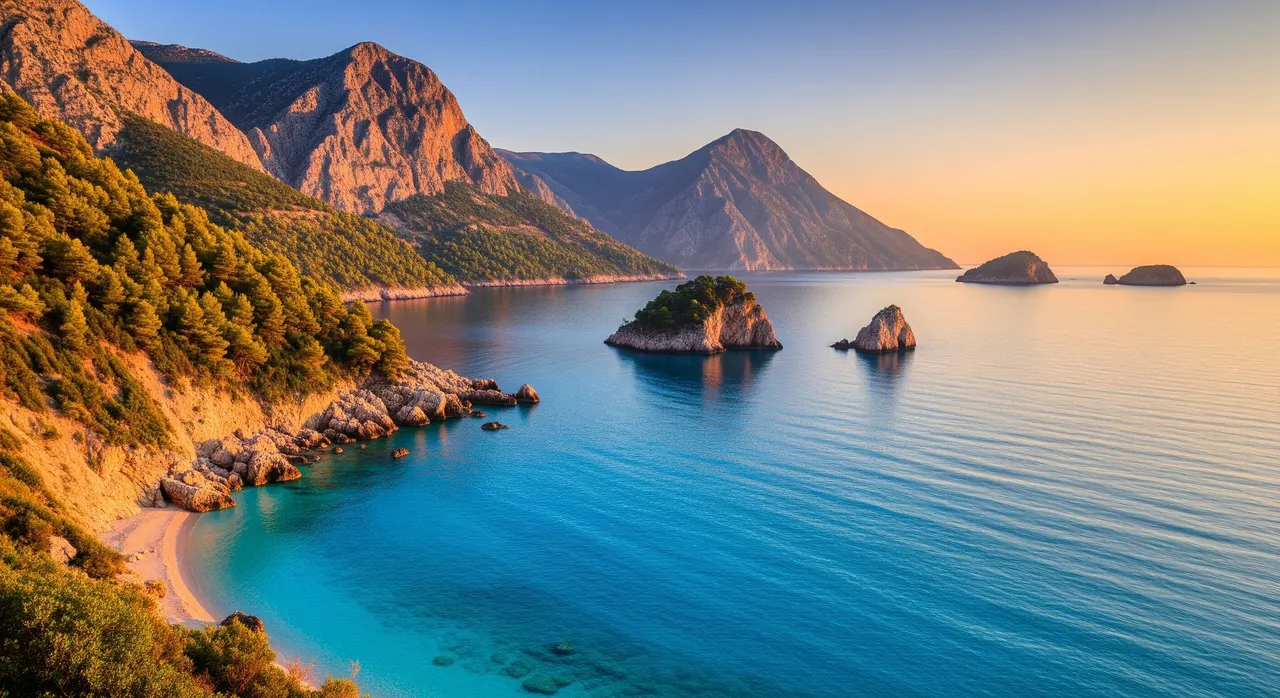
Daily life in Thailand — where Polish citizens settle on the DTV
Life in Thailand — your home base on the 5-year DTV
Section 04

Where Polish Expats Settle in Thailand

Chiang Mai , in the northern mountains, is the digital-nomad capital — affordable, walkable, green and packed with cafés built for laptop work. Bangkok suits those who want a cosmopolitan capital, with world-class coworking, international cuisine and excellent transport. For island life, Phuket and Koh Samui combine beaches with solid fibre internet, while Pattaya and the seaside town of Hua Hin are popular with longer-stay Europeans. The Polish community is still small but growing; you will find active Facebook groups, occasional meetups and a warm welcome from the broader international expat scene.

  • World-class private healthcare at a fraction of Polish private-clinic prices, with many Bangkok and Phuket hospitals holding international (JCI) accreditation.
  • High-speed fibre internet widely available across all major expat areas — ideal for video calls and cloud work.
  • A culinary paradise, from fiery som tam and khao soi to refined Bangkok bistros, plus European bakeries for when you miss home comforts.
  • A tolerant, English-friendly society where a smile goes a long way and remote workers are genuinely welcomed.
Section 05

Money & Banking

The Thai baht (THB) is the local currency, and Thailand remains largely cash-friendly for street food, markets and small shops, while malls, hotels and many restaurants accept cards and QR payments. The most cost-effective way for Poles to manage money is a multi-currency account such as Wise or Revolut, which lets you convert złoty or euros to baht at near-interbank rates and spend with a card. Be aware that most Thai ATMs charge a fixed foreign-card fee of about 220 THB per withdrawal on top of your home bank's fees, so fewer, larger withdrawals are smarter.

Opening a local Thai bank account is possible but generally easier once you are settled with a long-term visa and proof of address; in the meantime, Wise and Revolut cover almost everything you will need day to day.

Section 06

Documents & Translation

Poland's official language is Polish, so financial documents you provide for the DTV — such as bank statements showing the required funds — will likely need a certified English (or Thai) translation, since Polish-language paperwork is not accepted as-is. Sworn translators (tłumacz przysięgły) are widely available across Poland and can prepare the certified versions you need. The good news is that you do not have to figure out the paperwork alone: the company reviews your documents, tells you exactly what is needed, and prepares and submits the full application on your behalf.

Practical Polish Preparations

Before leaving Poland, open a Wise or Revolut multi-currency account for low-cost THB transfers. Arrange a certified English translation of your key bank statements while you still have easy access to a sworn translator. Bring an International Driving Permit if you plan to rent a scooter, and join groups like 'Polonia w Tajlandii' to connect with Poles already living the dream.

Section 07

Daily Life & Community

Day-to-day life in Thailand is easy to settle into. Local SIM cards from AIS, TrueMove or dtac give you cheap, fast data the moment you land; Grab handles taxis and food delivery; and apps like Foodpanda and LINE are part of everyday life. Markets, gyms, yoga studios and coworking hubs make it simple to build a routine and a social circle. Polish expats often blend into the wider international community — at coworking spaces in Chiang Mai, beach towns in the south, and city meetups in Bangkok — while keeping a foot in home life through online Polonia groups. Pack for heat and humidity, embrace the slower pace, and you will quickly feel at home.

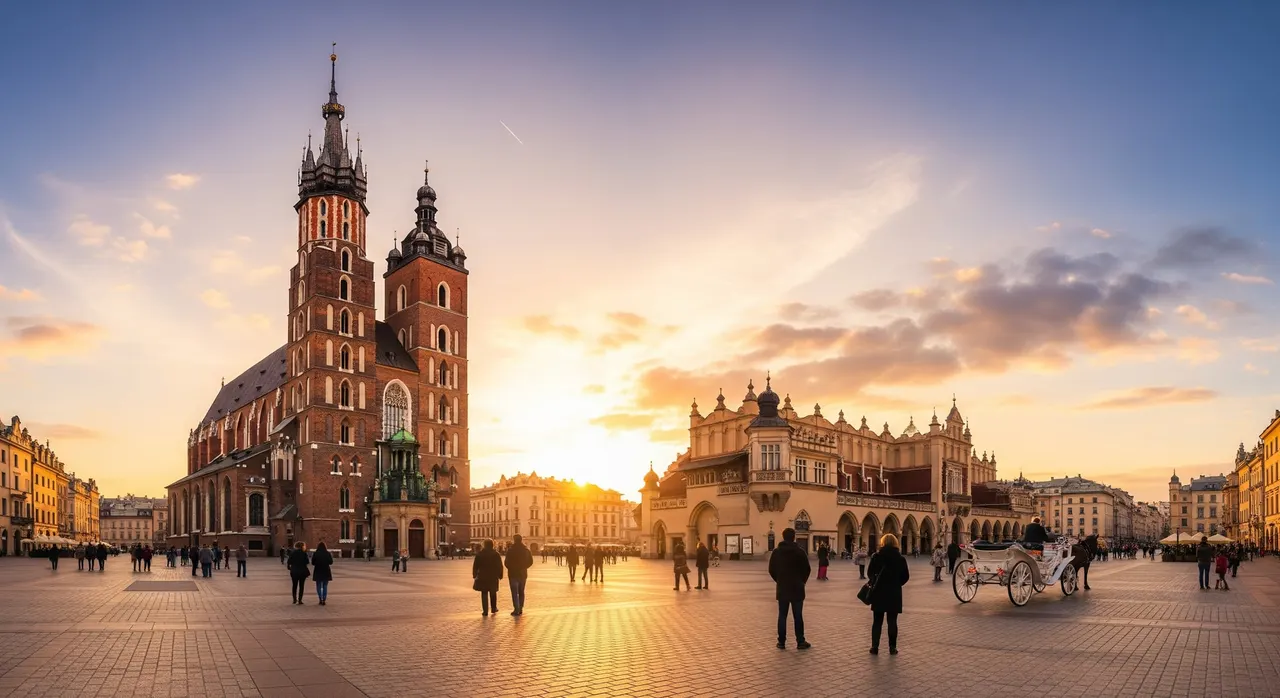
Poland — your starting point before relocating to ThailandPoland
From Poland to Thailand

Make the move from Poland

Trade Poland for up to five years in Thailand on the DTV. We prepare and submit your entire application from wherever you are — proof of funds, category evidence and passport — so you can focus on the move, not the paperwork.

Check eligibility
Step by step

How Polish citizens apply for the DTV

1

Check you qualify

Almost every nationality can apply. Take our free 60-second eligibility checker to confirm your route — remote work, soft power, medical or family.

2

We prepare everything

We assemble and review your documents: proof of 500,000 THB (~$15,000), your category evidence and passport — so nothing gets rejected.

3

We submit for you

You apply from outside Thailand. We file at a Thai embassy or consulate (such as Hanoi, Ho Chi Minh, Jakarta, Vientiane or London) within one business day.

4

Get approved & move

On approval you get the 5-year, multiple-entry DTV — up to 180 days per stay, extendable once. Then make Thailand home.

Questions

DTV FAQ for Polish citizens

How long can I stay in Thailand with the DTV as a Polish citizen?

The Destination Thailand Visa is a 5-year multiple-entry visa that allows stays of up to 180 days per entry. Each 180-day stay can be extended once inside Thailand for a further 180 days, giving Polish citizens the flexibility to live in Thailand almost year-round across the five-year validity.

Do I apply for the DTV from Poland or once I'm in Thailand?

You must apply from outside Thailand — for example, while you are still in Poland. The process is handled remotely: the team prepares all your documentation, submits it on your behalf and guides you through each step. There is also a 100% refund if your application is denied when you choose the optional Denial Protection add-on.

What proof of funds do Polish citizens need for the DTV?

You need to show evidence of 500,000 THB (~$15,000) in personal funds, typically via bank statements or other verifiable financial documents. The service includes full support to make sure your financial paperwork is presented correctly.

How much does the DTV service cost?

Service starts from $139. The only visa-related money figures to keep in mind are the 500,000 THB (~$15,000) proof-of-funds requirement and the service fee from $139 — the company handles the preparation and submission of your application for that price.

Will my Polish bank statements need to be translated?

Most likely, yes. Because Poland's official language is Polish, bank statements and similar documents will usually need a certified English or Thai translation, as Polish-language paperwork is not accepted as-is. A sworn translator (tłumacz przysięgły) can prepare these, and the team will tell you exactly what is required.

How does the cost of living in Thailand compare to Poland?

Thailand is significantly cheaper than Poland for housing, dining out and entertainment. Monthly living costs in a nomad city like Chiang Mai can be as low as 2,500–3,500 PLN including rent, food and transport, well below comparable costs in Warsaw or Kraków, letting Polish citizens enjoy a high quality of life and still save.

How long is the flight from Poland to Thailand, and does the time difference affect remote work?

There are no direct flights, but a one-stop journey from Warsaw, Kraków or Gdańsk (for example via Doha, Dubai, Istanbul or Frankfurt) usually takes 14–18 hours. The time difference is 5 hours in summer and 6 in winter (Thailand is ahead). For people working remotely with European clients this is an advantage — an afternoon in Thailand lines up with a morning in Poland.

Can I open a Thai bank account, or should I use Wise or Revolut?

Most Poles rely on a Wise or Revolut multi-currency account at first, converting złoty or euros to baht cheaply and spending with a card. Opening a local Thai bank account is possible and usually easier once you are settled with proof of address, but for everyday spending Wise and Revolut cover almost everything.

Where do most Polish expats live in Thailand?

Chiang Mai is the favourite among remote workers for its affordability and café culture, while Bangkok suits those who want a big-city base. Phuket and Koh Samui appeal to those after island life with reliable internet, and Hua Hin and Pattaya are popular with longer-stay Europeans.

Is Thailand easy to settle into without speaking Thai?

Yes. English is widely understood in tourist and expat areas, signage is often bilingual, and apps like Grab, Foodpanda and Google Translate smooth daily life. Many Poles get by comfortably in English while picking up a few Thai phrases over time, which locals always appreciate.

Where you apply

The Thai mission for Poland

You submit the DTV online via the Thai e-Visa portal — but the office below covers applicants in Poland and may review your file.

Ready to move to Thailand from Poland?

Check your eligibility in under a minute, or let our team prepare and submit everything — with a 100% refund if your application is denied (with the optional paid Denial Protection add-on).