Skip to content
Americas

DTV Visa for Peruvian Citizens

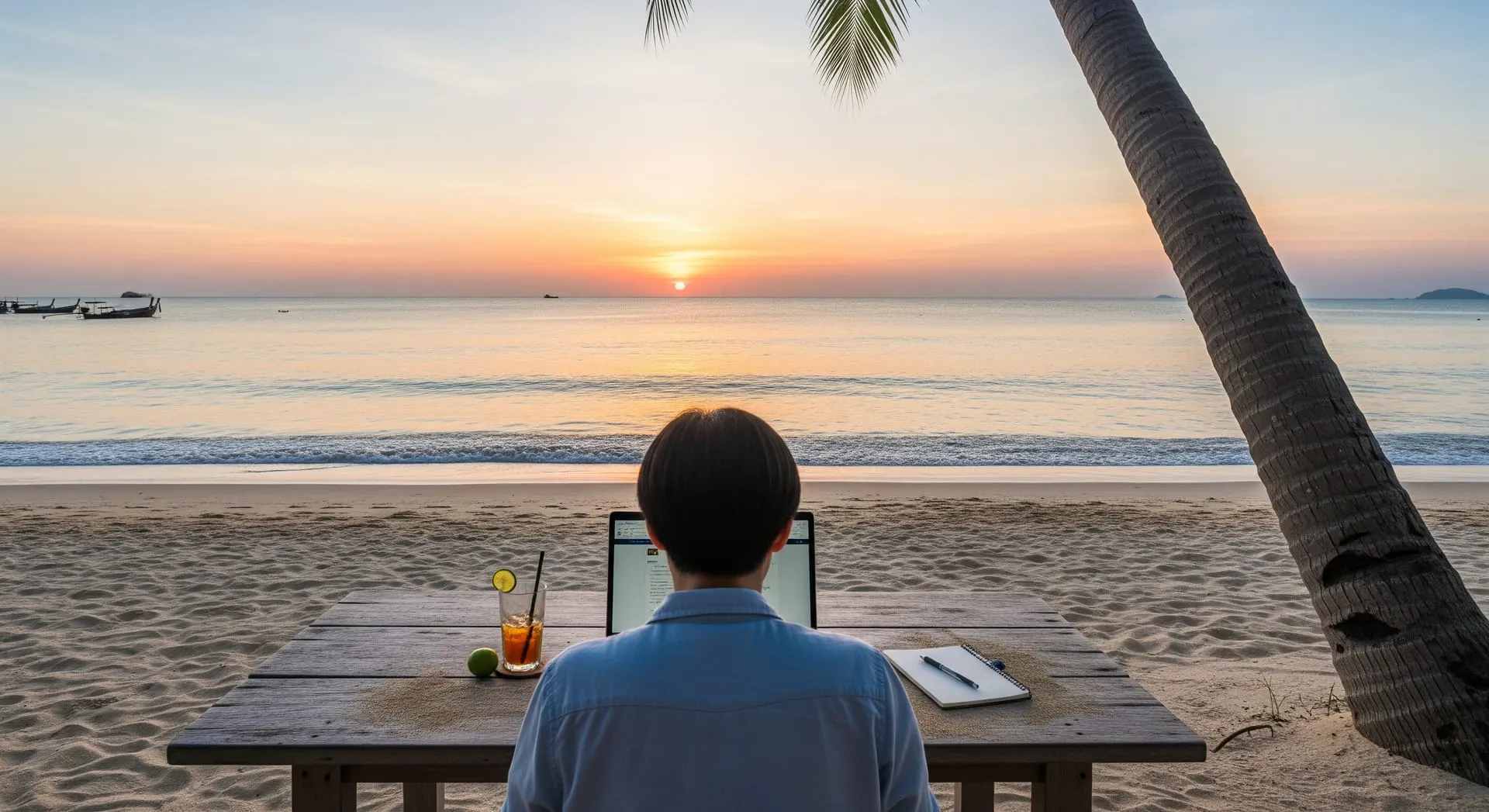
Imagine swapping the coastal fog of Lima or the thin Andean air of Cusco for the tropical warmth of Thailand. For Peruvians, the Destination Thailand Visa (DTV) opens the door to a five-year, multiple-entry adventure of remote work, cultural immersion and a genuine lifestyle upgrade. Whether you are a digital nomad from Miraflores, a freelancer from Arequipa or a family chasing a slower pace, Thailand offers a stable, welcoming base that lets you stay up to 180 days per entry, extendable once for another 180. Best of all, you apply from outside Thailand and a specialist team prepares and submits the entire application for you.

Every Peruvian citizen is eligible to apply

5

Years validity

180

Days per entry

500k

THB proof of funds

$139

Service fee from

100%

Refund if denied*

Why Peruvian citizens choose Thailand

Living in Thailand from Peru

Section 01

Why Peruvians Are Choosing Thailand

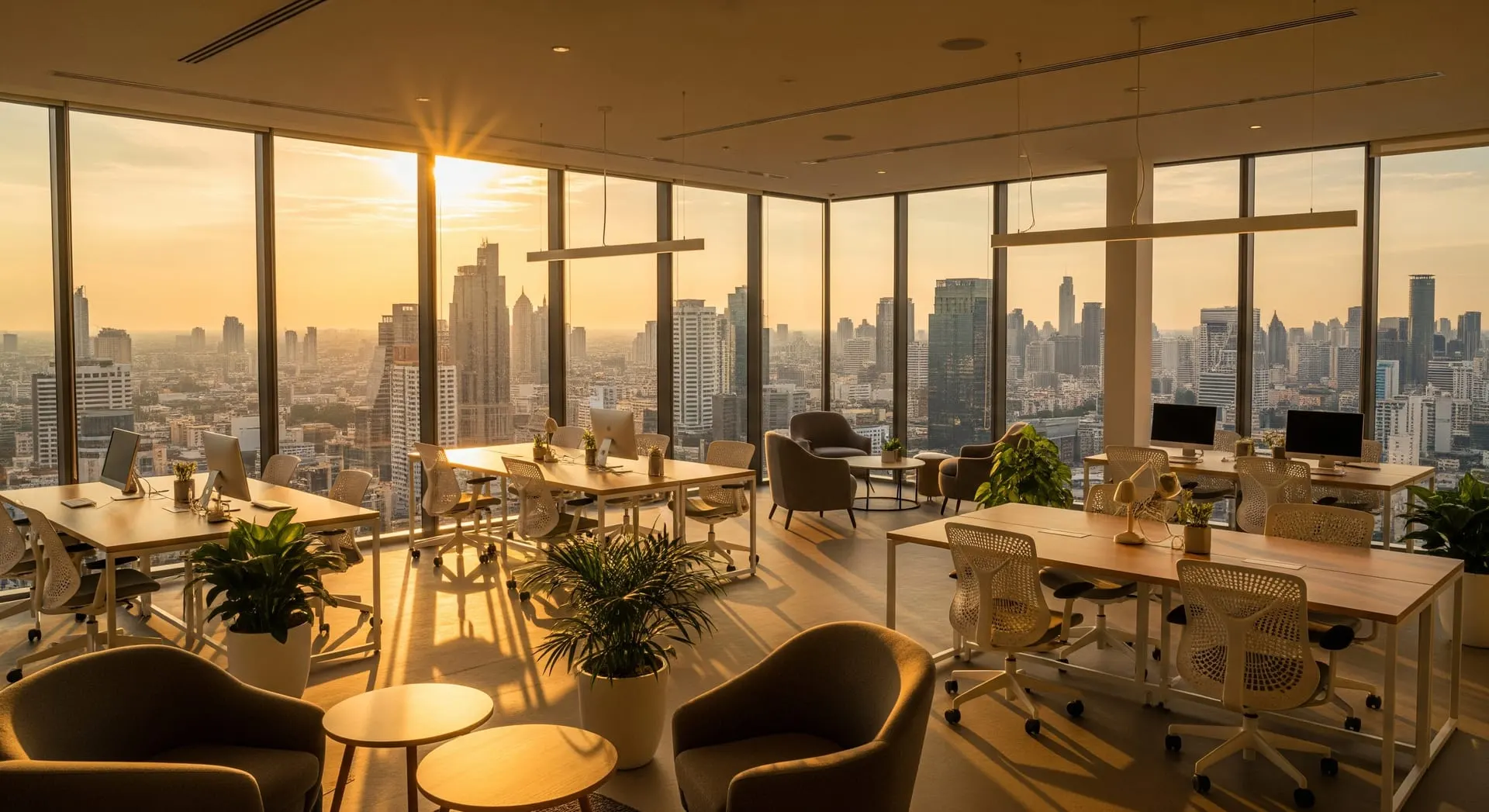
More and more Peruvians are trading the familiar rhythms of home for Thailand's mix of affordability, comfort and adventure. The appeal runs deeper than beaches and temples. Thailand pairs low living costs with excellent infrastructure: reliable fibre internet, modern shopping, dependable public transport and private hospitals that rival anything in Lima. Digital nomads love the dense network of coworking spaces and cafes in Bangkok and Chiang Mai, while families value the international schools and the easygoing, family-friendly culture. After years of political turbulence and currency swings back home, many Peruvians simply appreciate the calm and the sense that their soles stretch much further once converted to baht.

  • Stretch your budget dramatically: everyday costs in Thailand are far lower than in Lima, Arequipa or Cusco.
  • Enjoy warm, tropical weather year-round instead of Lima's grey winters or the cold Andean nights.
  • Plug into a large, established international community of remote workers and entrepreneurs.
  • Access world-class private healthcare and fast internet without Western price tags.
  • Trade ceviche and ají for som tam and massaman curry while keeping your love of bold, fresh flavours.
Section 02

Cost of Living: Peru vs Thailand

The cost gap is the single biggest draw for Peruvians. In Lima, neighbourhoods like Miraflores and Barranco have become genuinely expensive, and Cusco's tourist core is no bargain either. Thailand consistently delivers more for less. A modern one-bedroom apartment in Chiang Mai often rents for roughly 8,000–14,000 THB per month (about $230–$400), well below a comparable place in central Lima. Street food keeps daily eating cheap, fresh markets are everywhere, and even mid-range restaurants and cafes feel affordable by Peruvian standards. Many Peruvians find they live more comfortably in Thailand on $1,000–$1,500 a month than they did at home.

Cost Comparison Snapshot

Chiang Mai one-bedroom apartment: roughly $230–$400/month, versus $500–$700 for something similar in central Lima. A street-food meal in Bangkok runs about 50–100 THB ($1.50–$3); a set menu in Peru is often $4–$7. Coworking memberships average $80–$150/month. A local Bangkok bus or BTS Skytrain ride costs around $0.50–$1.50, and a bottle of water is well under a dollar.

Section 03

Getting to Thailand from Peru

There are no direct flights between Peru and Thailand, so the trip is a long-haul commitment. Most journeys begin at Lima's Jorge Chávez International Airport and route through a single major hub before reaching Bangkok's Suvarnabhumi Airport. The most efficient options usually connect through the Middle East, such as Doha with Qatar Airways or Dubai with Emirates, often via a stop in São Paulo, Madrid or Amsterdam first. Plan for 28–36 hours of total travel time including layovers. The flight is tiring, but you typically only make it a couple of times a year, and the DTV's five-year, multiple-entry design means you are not constantly crossing borders.

Managing the 12-Hour Time Difference

Thailand runs on Indochina Time (ICT, UTC+7), exactly 12 hours ahead of Peru (PET, UTC-5). When it is 9 a.m. in Lima it is 9 p.m. in Bangkok. If you keep South American clients, schedule their calls for your Thai evenings and protect your mornings for deep work or exploring. Many Peruvian nomads adopt a slightly shifted schedule and find the rhythm comfortable within a week or two.

Daily life in Thailand — where Peruvian citizens settle on the DTV
Life in Thailand — your home base on the 5-year DTV
Section 04

Where to Settle in Thailand

Thailand offers a setting for every temperament, from electric megacity to misty mountain town to palm-fringed island. Peruvians often gravitate toward the places that echo the variety of home, just with a tropical twist. Here are the favourites among the growing Peruvian community:

  • Bangkok — the cosmopolitan capital, packed with street food, malls, coworking spaces and the best international connections. Ideal for those who crave energy and convenience.
  • Chiang Mai — a cooler, walkable northern city with low costs and the country's tightest digital-nomad scene. Perfect for focus, creativity and stretching your budget.
  • Phuket — Thailand's largest island, with beautiful beaches, watersports and mature expat infrastructure. A strong choice for balancing work and leisure.
  • Koh Phangan — laid-back island life known for wellness and yoga retreats as well as its famous Full Moon Party, with a friendly, community-minded vibe.
  • Pattaya — a coastal city close to Bangkok with lively nightlife and a growing remote-work crowd, sitting between big-city buzz and beach calm.
Section 05

Money & Banking Between Peru and Thailand

Moving money across continents is straightforward today. Most Peruvians rely on low-cost transfer services such as Wise or Remitly, which usually beat the exchange rates offered by traditional banks. Domestic banks like BCP, BBVA and Interbank can handle international wires, though their fees tend to be higher. Once in Thailand, ATMs are everywhere, but nearly all charge a foreign-card withdrawal fee of around 220 THB per transaction, so it pays to withdraw larger amounts less often or to use a multi-currency card. Carrying some cash is still wise, as many small vendors and markets remain cash-first.

Opening a Thai Bank Account

A long-term visa like the DTV makes it much easier to open a local Thai account, which then lets you receive payments, pay bills via the popular PromptPay system and avoid repeat foreign-card fees. Widely used banks include Kasikorn (KBank), Bangkok Bank and SCB. Bring your passport, visa documentation and proof of a local address.

Section 06

Documents & Translation

Because Peru's official language is Spanish, your supporting documents will need to be understood by Thai authorities in English or Thai. In practice that means items such as bank statements showing your funds and any proof of employment or self-employment will likely need a certified English (or Thai) translation. It is worth arranging these early with a translator experienced in immigration paperwork so nothing holds you up. The key financial requirement is proof of 500,000 THB (~$15,000) in personal funds. Since the application is prepared and submitted on your behalf from outside Thailand, the team will tell you exactly which documents to gather and translate.

DTV Essentials at a Glance

5-year, multiple-entry visa. Stay up to 180 days per entry, extendable once for another 180 days. Show proof of 500,000 THB (~$15,000) in personal funds. You apply from outside Thailand and the company prepares and submits everything. Service from $139, with a 100% refund if denied when you add the optional Denial Protection.

Section 07

Daily Life & Community

Day-to-day life in Thailand is comfortable and surprisingly easy to settle into. The food culture alone will win over most Peruvians: bold, fresh, herb-forward dishes that reward the curious eater, from fiery green curry to mango sticky rice. Locals are famously friendly, English is widely understood in tourist and business areas, and the infrastructure is built for newcomers. While the Peruvian community is still modest, it is growing, and the wider Latin American network in Bangkok, Chiang Mai and Phuket is active and welcoming, with Spanish-language meetups and online groups that make finding your feet much simpler.

  • Connectivity: widespread fibre internet and strong 4G/5G coverage make Thailand reliable for remote work and video calls.
  • Healthcare: leading private hospitals such as Bumrungrad and Samitivej in Bangkok offer high-quality care, often well below private-clinic prices in Lima.
  • Food: Thai cooking's balance of sweet, sour, spicy and salty suits the Peruvian palate; explore khao soi in the north and fresh seafood in the south.
  • Community: look for groups like 'Peruanos en Tailandia' and broader 'Latinos en Tailandia' communities on Facebook for meetups, advice and friendship.
Peru — your starting point before relocating to ThailandPeru
From Peru to Thailand

Make the move from Peru

Trade Peru for up to five years in Thailand on the DTV. We prepare and submit your entire application from wherever you are — proof of funds, category evidence and passport — so you can focus on the move, not the paperwork.

Check eligibility
Step by step

How Peruvian citizens apply for the DTV

1

Check you qualify

Almost every nationality can apply. Take our free 60-second eligibility checker to confirm your route — remote work, soft power, medical or family.

2

We prepare everything

We assemble and review your documents: proof of 500,000 THB (~$15,000), your category evidence and passport — so nothing gets rejected.

3

We submit for you

You apply from outside Thailand. We file at a Thai embassy or consulate (such as Hanoi, Ho Chi Minh, Jakarta, Vientiane or London) within one business day.

4

Get approved & move

On approval you get the 5-year, multiple-entry DTV — up to 180 days per stay, extendable once. Then make Thailand home.

Questions

DTV FAQ for Peruvian citizens

What is the Destination Thailand Visa (DTV) and who is it for?

The DTV is a 5-year, multiple-entry visa designed for remote workers, digital nomads, freelancers and those pursuing long stays in Thailand. It suits Peruvians who work for overseas employers or run a location-independent business and want to base themselves in Thailand without uprooting their careers.

How long can Peruvians stay in Thailand on the DTV?

The visa is valid for 5 years and allows multiple entries. Each entry permits a stay of up to 180 days, which can be extended once for a further 180 days, giving you close to a full year of continuous stay before you need to leave and re-enter.

What are the main requirements for Peruvians to apply?

You need a valid passport, supporting documents for your remote work or nomad activity, and proof of 500,000 THB (~$15,000) in personal funds. Because Peru's official language is Spanish, documents such as bank statements will likely need a certified English or Thai translation.

Do I have to apply from inside Thailand?

No. You apply from outside Thailand, and the company prepares and submits the entire application on your behalf. That means you can complete everything from Lima, Arequipa, Cusco or wherever you happen to be before you travel.

Can I work remotely from Thailand on the DTV?

Yes. The DTV is built for remote work. You can legally live in Thailand while working for employers or clients based outside the country, which makes it a strong fit for Peruvian freelancers, consultants, developers and online business owners.

How much does the DTV service cost?

The service starts from $139. With the optional Denial Protection add-on, you receive a 100% refund if your visa is not approved, so you can apply with confidence.

How does the time difference between Peru and Thailand affect remote work?

Thailand is 12 hours ahead of Peru (UTC+7 versus UTC-5). When it is 9 a.m. in Lima it is 9 p.m. in Bangkok. If you serve South American clients, schedule their meetings for your Thai evenings and keep your mornings free. Most nomads settle into the rhythm within a couple of weeks.

What is the cost of living like compared to Peru?

Thailand is noticeably cheaper than Peru's main cities. A one-bedroom apartment in Chiang Mai might cost $230–$400 a month versus $500–$700 in central Lima, and local meals start around $1.50–$3. Many Peruvians live comfortably on $1,000–$1,500 per month while enjoying a higher standard of living.

How long does it take to fly from Peru to Thailand?

There are no direct flights. Most routes leave Lima and connect through a hub such as Doha, Dubai, Madrid or Amsterdam, often after a stop in São Paulo, for a total of roughly 28–36 hours of travel including layovers.

Is there a Peruvian or Latino community in Thailand?

Yes, and it is growing, especially in Bangkok, Chiang Mai and Phuket. You will find Facebook groups like 'Peruanos en Tailandia' and broader Latin American communities where members share tips, organise meetups and help newcomers settle in.

Where you apply

The Thai mission for Peru

You submit the DTV online via the Thai e-Visa portal — but the office below covers applicants in Peru and may review your file.

Ready to move to Thailand from Peru?

Check your eligibility in under a minute, or let our team prepare and submit everything — with a 100% refund if your application is denied (with the optional paid Denial Protection add-on).