Skip to content
Oceania

DTV Visa for Papua New Guinean Citizens
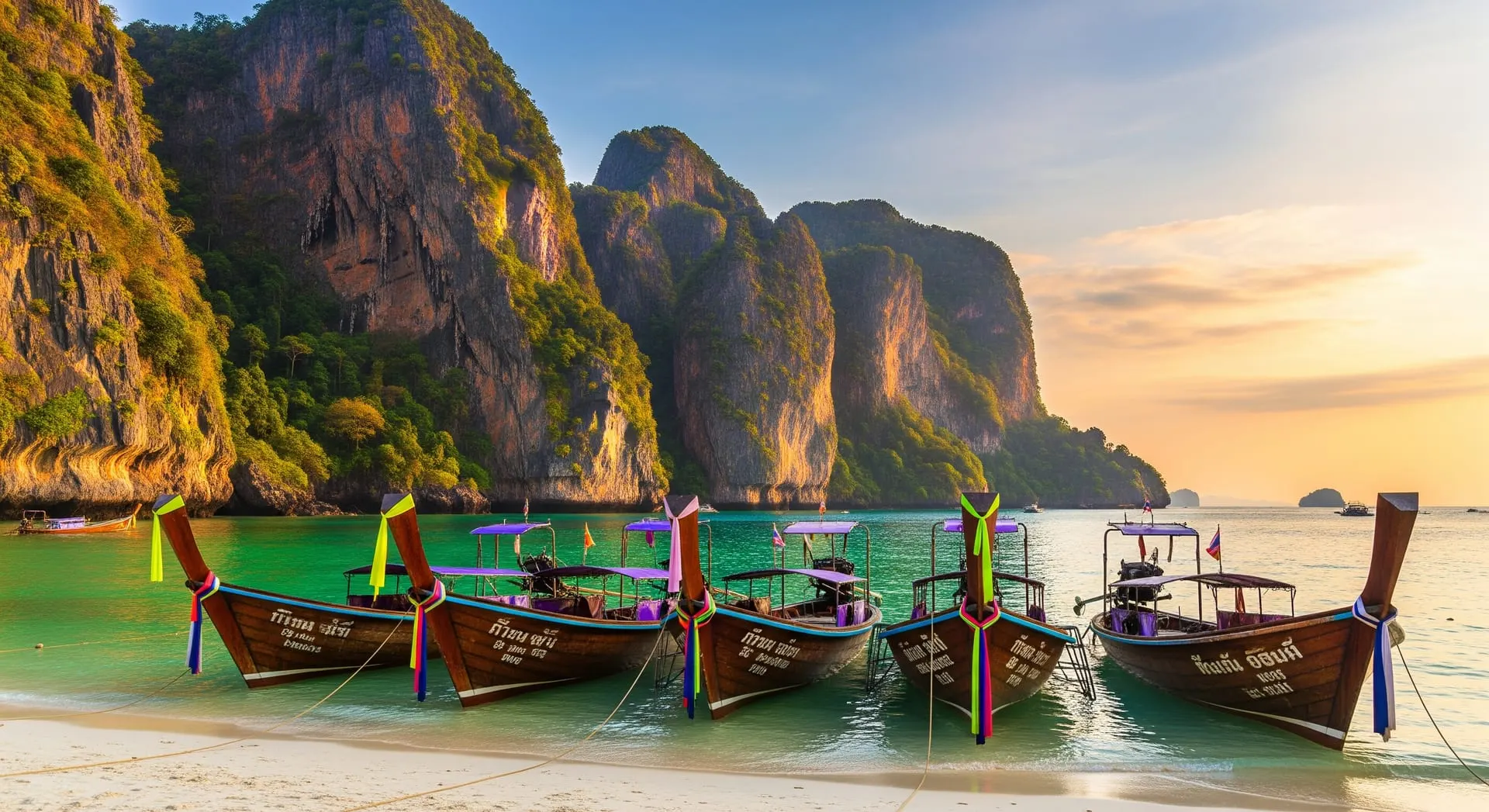
For ambitious Papua New Guineans seeking adventure, affordability and professional growth, the Destination Thailand Visa (DTV) is a genuine game-changer. Whether you are a digital nomad, freelancer or remote employee, Thailand now offers a dedicated five-year pathway to live and work remotely in one of Southeast Asia's most captivating countries. Imagine swapping the high costs of Port Moresby for world-class street food, modern coworking spaces and pristine beaches, all while earning an international income. The DTV is a five-year, multiple-entry visa, and our team prepares and submits the entire application for you from outside Thailand, with service starting from $139.

Every Papua New Guinean citizen is eligible to apply

5

Years validity

180

Days per entry

500k

THB proof of funds

$139

Service fee from

100%

Refund if denied*

Why Papua New Guinean citizens choose Thailand

Living in Thailand from Papua New Guinea

Section 01

Why Papua New Guineans Are Choosing Thailand

Thailand has emerged as a standout destination for Papua New Guineans wanting a better work-life balance. It offers a warm, tropical climate that feels familiar, but with far more developed infrastructure and a dramatically lower cost of living. Professionals from Port Moresby, Lae and Mount Hagen are drawn to the established expat communities, fast and reliable internet, and the chance to explore a region that is both different and accessible. For remote workers, the modest three-hour offset from PNG time makes coordinating with colleagues back home effortless.

Escaping the high living expenses of PNG is a major pull. Thailand's renowned hospitality, affordable private healthcare and stunning landscapes, from the cool mountains around Chiang Mai to the limestone coast of Krabi, deliver a quality of life that feels both adventurous and comfortable. With the DTV granting up to five years of flexibility, relocating is now genuinely within reach.

Section 02

Cost of Living: Papua New Guinea vs Thailand

If you are used to prices in Papua New Guinea, Thailand will feel like a relief. In Port Moresby, a one-bedroom apartment in a secure compound can easily cost 3,000 to 5,000 PGK (roughly $850 to $1,400 USD) per month. In Bangkok, a modern condo with a pool and gym starts around 15,000 THB (about $430 USD), and in Chiang Mai you will pay even less. Eating out in PNG is expensive: a basic restaurant meal often runs 60 to 100 PGK ($17 to $28 USD). In Thailand, a delicious street-food dish is just 60 to 100 THB ($1.70 to $2.80 USD).

Coworking spaces, scarce and pricey in PNG, are plentiful in Thai cities at around 3,000 to 5,000 THB ($85 to $140 USD) per month. Transport is efficient and cheap: a Bangkok BTS Skytrain ride costs 17 to 62 THB ($0.50 to $1.75 USD), while a metered taxi across town is rarely over 200 THB ($5.70 USD). Overall, a single person can live very comfortably in Thailand on 30,000 to 50,000 THB ($850 to $1,400 USD) per month, a fraction of what a comparable lifestyle costs in Papua New Guinea.

Did You Know?

A monthly budget of 40,000 THB (about $1,150 USD) in Chiang Mai supports a lifestyle that would cost well over 12,000 PGK ($3,400 USD) in Port Moresby, covering rent, food, transport and entertainment.

Section 03

Getting to Thailand from Papua New Guinea
Reaching Thailand from Papua New Guinea is straightforward, though there are no direct flights. The most common route from Jacksons International Airport (POM) in Port Moresby involves a single connection through a regional hub such as Singapore, Manila or Brisbane, then onward to Bangkok's Suvarnabhumi Airport (BKK). Counting the layover, total travel time is typically around 14 to 18 hours depending on your connection. Travellers from Lae and other regional centres normally connect through Port Moresby first.

Thailand runs on Indochina Time (UTC+7), which is three hours behind Papua New Guinea (UTC+10). That small gap is ideal for remote workers: start early to overlap with colleagues at home, then keep your afternoons free to explore or relax. Minimal jet lag and several connection options make the journey easy to repeat.

Travel Smart

The smoothest routings from Port Moresby usually run via Singapore (with Singapore Airlines or its SilkAir/Scoot links) or via Brisbane onto a Thai-bound carrier. Building in a short Singapore stopover lets you break up the trip and stretch your legs before the final leg to Bangkok.

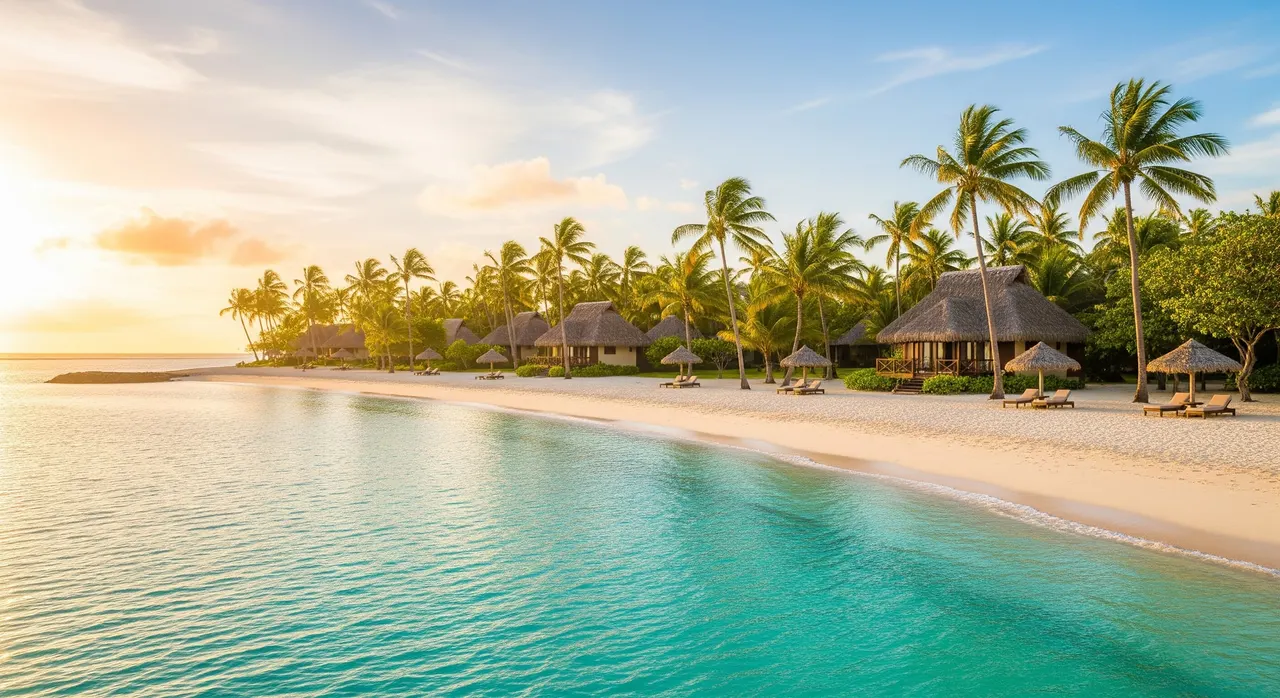
Daily life in Thailand — where Papua New Guinean citizens settle on the DTV
Life in Thailand — your home base on the 5-year DTV
Section 04

Where Papua New Guineans Settle in Thailand

  • Bangkok: The bustling capital is ideal for networking and urban living. Areas like Sukhumvit, Silom and Asok are popular with expats for their coworking spaces, international dining and nightlife.
  • Chiang Mai: Tucked into the northern mountains, this is a long-standing favourite for digital nomads thanks to its low costs, cooler dry season and relaxed pace.
  • Phuket: If you love the sea, Phuket pairs beautiful beaches with a large expat scene and modern amenities, perfect for tropical-island life without sacrificing comfort.
  • Koh Samui and Krabi: These coastal spots suit a quieter, beach-focused lifestyle, with strong communities and plenty of cafes and co-working corners.
  • Pattaya: A short drive from Bangkok, Pattaya offers a lower-cost coastal alternative with solid infrastructure and a growing remote-worker crowd.
Section 05

Money & Banking from Papua New Guinea

Managing money across borders matters. As a Papua New Guinean you will likely still hold funds in PGK (Kina) and may need to move money to Thailand regularly. International transfer services such as Wise and OFX, or a SWIFT transfer from your bank, help keep fees down. Thai ATMs are everywhere but charge a fixed 220 THB fee per foreign-card withdrawal, so larger, less frequent withdrawals save money.

Once you are settled, opening a Thai bank account is possible and lets you avoid those ATM fees. You will typically need your passport and a proof-of-address or residency document, which a long-term visa makes easier to obtain. Many expats also keep a multi-currency digital wallet for everyday spending. Remember that the DTV requires proof of 500,000 THB (~$15,000) in personal funds, and this can sit in your PNG or international account, making it simple to demonstrate financial stability.

DTV at a Glance

Five-year multiple-entry visa. Stay up to 180 days per entry, extendable once for another 180 days. Show 500,000 THB (~$15,000) in personal funds. Apply from outside Thailand while we prepare and submit everything. Service from $139, with a 100% refund if denied via the optional Denial Protection add-on.

Section 06

Documents & Translation

Because English is an official and widely used language of Papua New Guinea, your supporting documents, such as bank statements, employment contracts and proof of remote work, are normally accepted in their original English form. That removes the certified-translation step that applicants from non-English-speaking countries often face, simplifying the process for Papua New Guineans. Just make sure every document is clear, current and complete. Our team reviews each file against the latest requirements before submission so nothing is missing.

Section 07

Daily Life & Community in Thailand

Thailand consistently ranks well for expat quality of life. Private healthcare is internationally accredited and a fraction of what you would pay in Papua New Guinea: a routine doctor visit can be under 500 THB ($14 USD). Internet is excellent, with fibre connections standard in cities, so remote work runs smoothly. You will find familiar international brands and a food scene that spans fresh tropical fruit, world-famous Thai dishes and comforting Western fare.

  • Safety: Thailand is generally very safe, with low petty crime in most areas and a welcoming attitude toward foreigners.
  • Papua New Guinean community: While the PNG expat group in Thailand is small, it is friendly and easy to plug into through social-media groups and occasional meetups, alongside a broader Pacific Islander and Australian community in Bangkok.
  • Food: Thai cuisine is world-famous, and international groceries and restaurants are easy to find. Eating out is so affordable that many expats rarely cook at home.
  • Internet: Coworking spaces commonly offer speeds up to 1 Gbps, and even neighbourhood cafes provide reliable Wi-Fi, so staying connected is never a struggle.

Healthcare Perk

Thai private hospitals deliver world-class care at a fraction of Australian or PNG prices. A comprehensive health-insurance plan for a healthy 30-year-old can start as low as 20,000 THB (about $570 USD) per year.

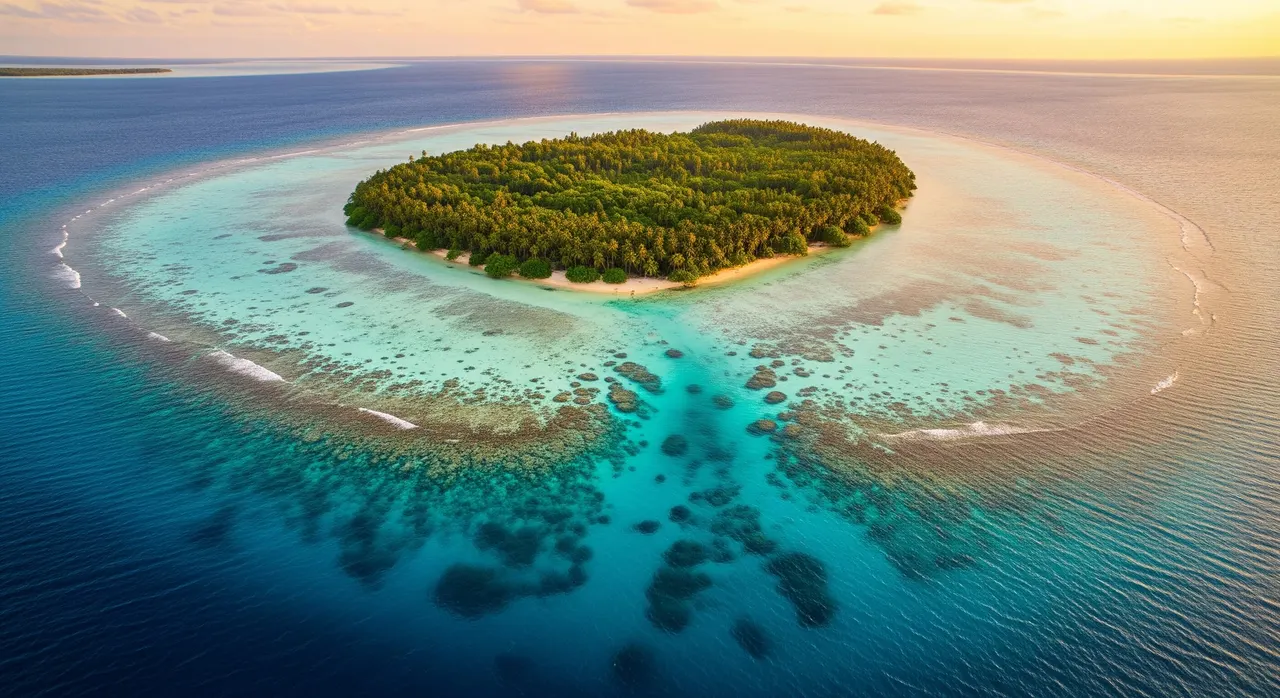
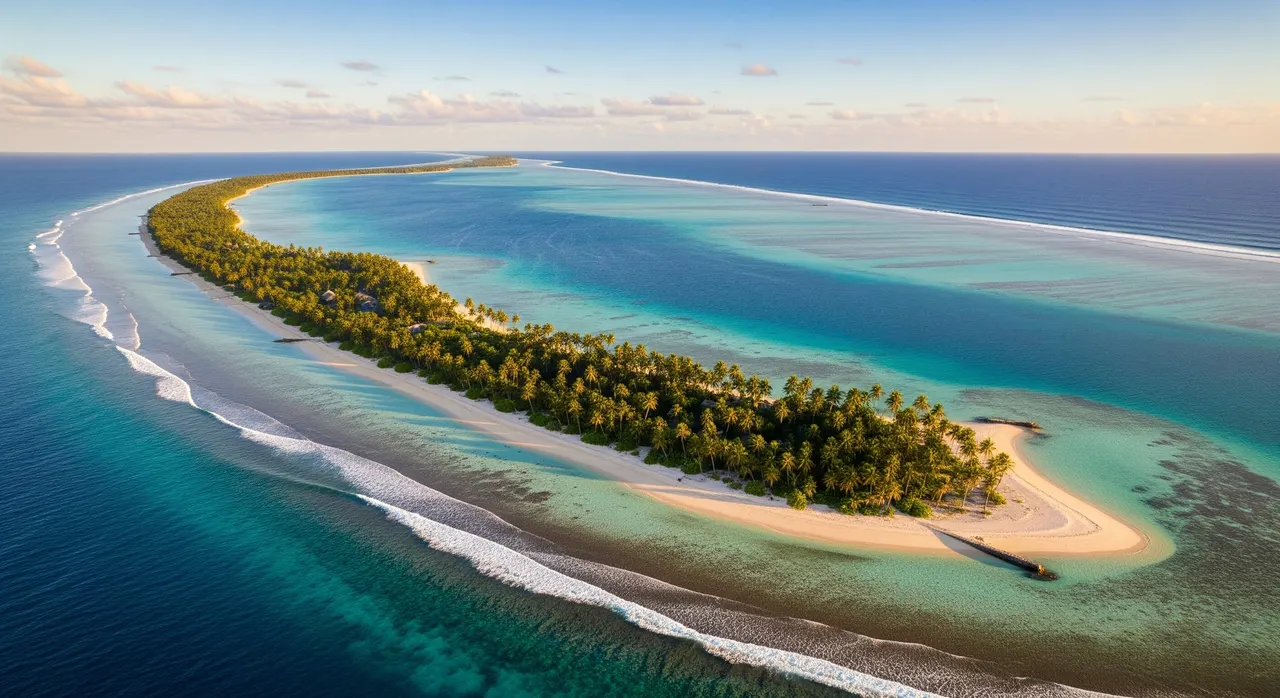
Papua New Guinea — your starting point before relocating to ThailandPapua New Guinea
From Papua New Guinea to Thailand

Make the move from Papua New Guinea

Trade Papua New Guinea for up to five years in Thailand on the DTV. We prepare and submit your entire application from wherever you are — proof of funds, category evidence and passport — so you can focus on the move, not the paperwork.

Check eligibility
Step by step

How Papua New Guinean citizens apply for the DTV

1

Check you qualify

Almost every nationality can apply. Take our free 60-second eligibility checker to confirm your route — remote work, soft power, medical or family.

2

We prepare everything

We assemble and review your documents: proof of 500,000 THB (~$15,000), your category evidence and passport — so nothing gets rejected.

3

We submit for you

You apply from outside Thailand. We file at a Thai embassy or consulate (such as Hanoi, Ho Chi Minh, Jakarta, Vientiane or London) within one business day.

4

Get approved & move

On approval you get the 5-year, multiple-entry DTV — up to 180 days per stay, extendable once. Then make Thailand home.

Questions

DTV FAQ for Papua New Guinean citizens

What is the Destination Thailand Visa for Papua New Guinean citizens?

It is a 5-year multiple-entry visa that lets you live and work remotely in Thailand. Each entry permits a stay of up to 180 days, which can be extended once for a further 180 days, giving you almost a full year per visit without leaving the country.

How long does it take to get from Papua New Guinea to Thailand?

There are no direct flights. The journey from Port Moresby typically takes around 14 to 18 hours including a layover in a hub such as Singapore, Manila or Brisbane before reaching Bangkok. The time difference is three hours, with Thailand behind PNG, which is convenient for remote work.

Can I work for a Papua New Guinean company while on the DTV?

Yes. The DTV is designed for remote workers, freelancers and digital nomads. You can legally work for a company based in Papua New Guinea or anywhere else in the world, as long as your income does not come from local Thai employment.

Do I need to have 500,000 THB in a Thai bank account to apply?

No. The funds can sit in any bank account worldwide, including your PNG account. You simply need to show a balance of at least 500,000 THB (approximately $15,000 USD) as proof of personal funds. It is a stability requirement, not a deposit you hand over.

Is there a Papua New Guinean expat community in Thailand?

Yes. Although the PNG community is small, it is welcoming, and you will also connect with a wider network of Pacific Islanders, Australians and global expats. Facebook groups and regular social events in Bangkok and Chiang Mai make settling in easier.

How does the cost of living in Thailand compare to Papua New Guinea?

Thailand is significantly more affordable. You can live comfortably on 30,000 to 50,000 THB ($850 to $1,400 USD) per month, covering rent, food, transport and leisure, far less than a comparable lifestyle in Port Moresby, where prices are notoriously high.

Can my family join me on the DTV?

Yes. You can include your spouse and your children under 20 in the application as dependants. Our team will advise on the supporting documents needed for each family member when we prepare your case.

What happens if my visa application is denied?

If you add the optional Denial Protection at sign-up, you receive a 100% refund of our service fee should your application not be approved. We prepare your documents meticulously to give you the strongest possible application.

Do I apply for the DTV from inside Thailand?

No, you must apply from outside Thailand, typically from Papua New Guinea or another country where you are legally resident. Our team handles the full preparation and submission on your behalf once you provide the required documents, with service from $139.

Do my documents need to be translated as a Papua New Guinean applicant?

Usually not. Because English is an official language of Papua New Guinea, documents like bank statements and employment contracts are normally accepted in their original English form, so a certified translation is generally unnecessary. You will need proof of funds of 500,000 THB (~$15,000), a valid passport, a recent photo and evidence of your remote work or freelance status. We confirm the exact list and check everything before submitting.

Ready to move to Thailand from Papua New Guinea?

Check your eligibility in under a minute, or let our team prepare and submit everything — with a 100% refund if your application is denied (with the optional paid Denial Protection add-on).