Skip to content
Americas

DTV Visa for Panamanian Citizens

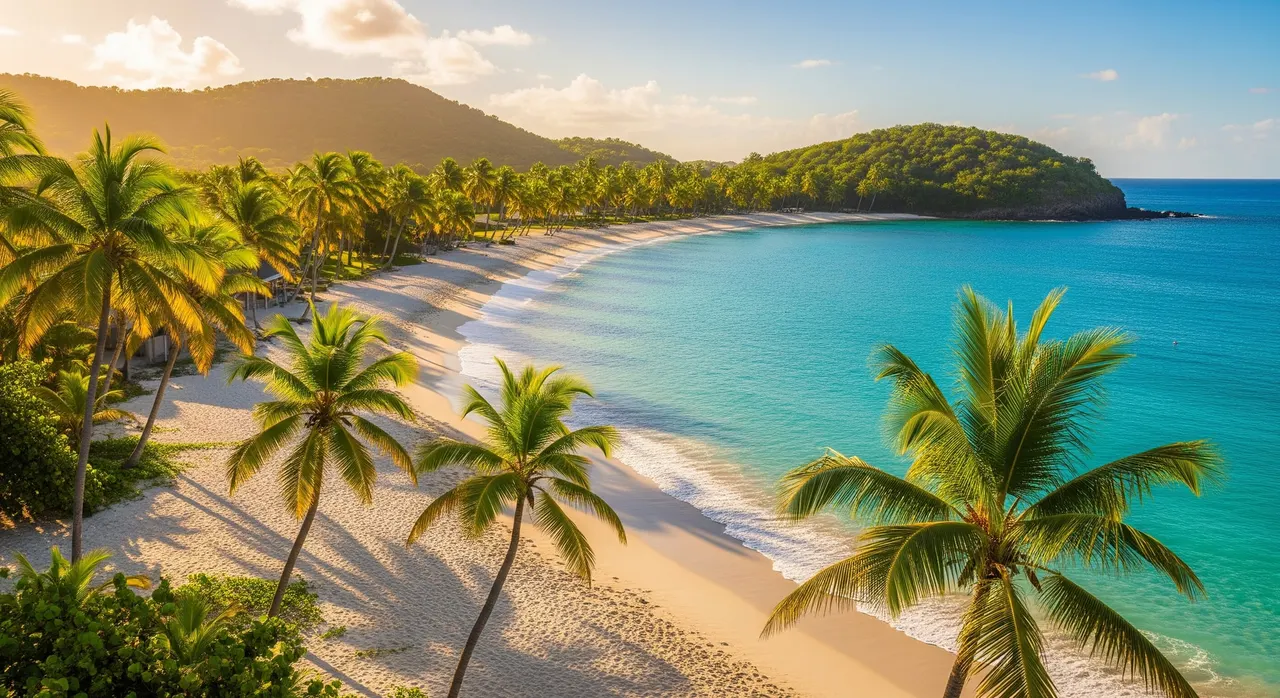
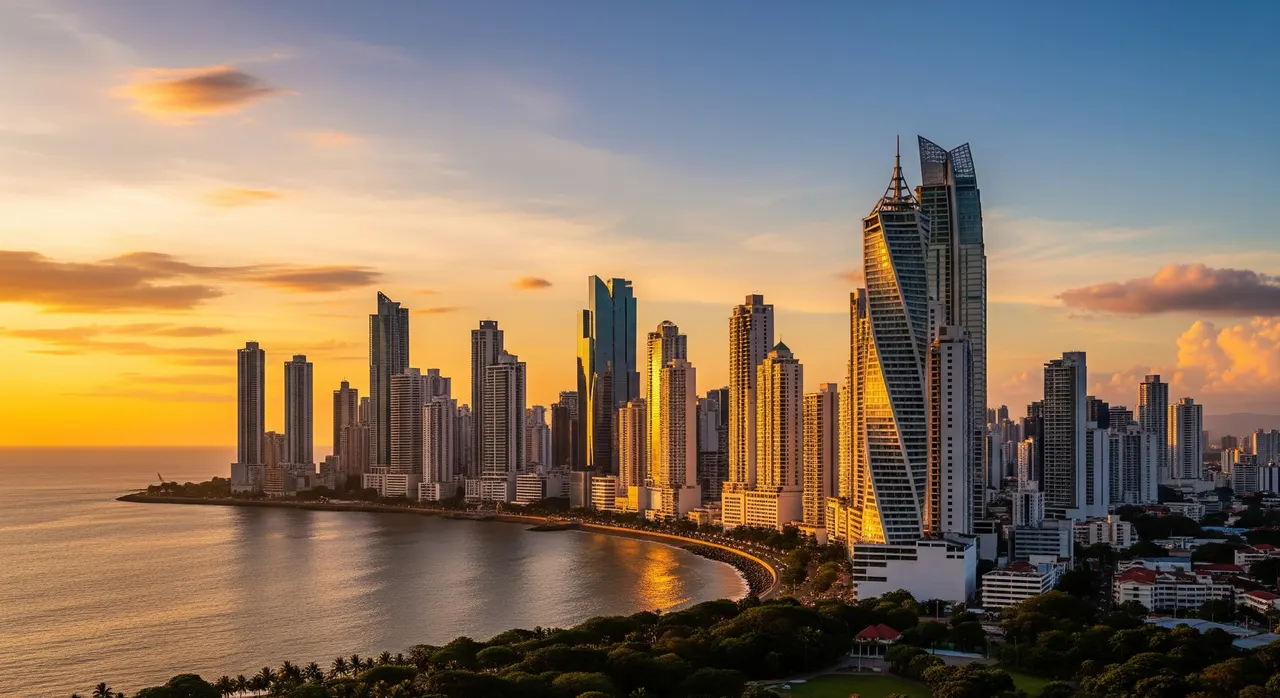
Dreaming of a tropical lifestyle shift without leaving the tropics behind? For Panamanians, Thailand offers a vibrant culture, world-class beaches, and a dramatically lower cost of living — all accessible with the Destination Thailand Visa (DTV). Whether you are a remote worker leaving the towers of Punta Pacifica or a digital nomad trading the highlands of Chiriquí for the mountains of the north, the DTV is a 5-year, multiple-entry visa that opens the door to long-term living and remote work in the Land of Smiles. From the buzz of Bangkok to the islands of the Andaman Sea, here is why a growing number of Panamanians are choosing Thailand as their next base.

Every Panamanian citizen is eligible to apply

5

Years validity

180

Days per entry

500k

THB proof of funds

$139

Service fee from

100%

Refund if denied*

Why Panamanian citizens choose Thailand

Living in Thailand from Panama

Section 01

Why Panamanian Citizens Are Moving to Thailand

Panamanians are drawn to Thailand for the same blend of affordability, safety and easy living that makes their own country a regional hub — just at a fraction of the price. While Panama City offers a slick, dollarised metropolis, Thailand layers on incredible geographic variety, from the cool northern mountains around Chiang Mai to the turquoise seas of the Andaman coast. Remote workers especially value Thailand's mature digital-nomad infrastructure: fast fibre internet, abundant coworking spaces and a large, welcoming international community. The Thai devotion to food, wellness and hospitality echoes Panamanian warmth, so the transition feels less like a leap and more like a natural next chapter. With the DTV granting up to 180 days per entry over five years, you can settle in properly rather than visa-hopping every few weeks.

Section 02

Cost of Living: Panama vs Thailand — A Real-World Comparison

  • Rent: a modern one-bedroom in Panama City's Punta Pacifica or Costa del Este easily runs $1,100–1,400/month. A comparable condo in Bangkok's Sukhumvit often goes for $600–800, and in Chiang Mai you can find a stylish studio for $300–400.
  • Dining out: a seafood dinner for two in Casco Viejo might cost $40–60, while a generous spread of authentic Thai dishes at a local restaurant rarely tops $10–15.
  • Coworking: a hot desk in Panama City averages $150–200/month; well-equipped Thai spaces such as Punspace in Chiang Mai or The Hive in Bangkok start around $50–90/month.
  • Transport: Panama leans on Uber and the single metro line, but Bangkok's BTS/MRT, plus songthaews and scooter rentals nationwide, keep most trips to roughly 35–70 THB ($1–2).
  • Everyday cash: ATMs in Thailand typically charge a withdrawal fee of around 220 THB (~$6) for foreign cards, so larger, less frequent withdrawals save money.
  • Bottom line: a comfortable remote-work lifestyle that costs $1,800–2,200/month in Panama can be sustained in Thailand for roughly $900–1,300, freeing up real savings.
Section 03

Getting to Thailand from Panama: Flights, Routes & Time Zones
Journeys begin at Tocumen International Airport (PTY) in Panama City, the busiest hub in Central America. There are no direct flights to Asia, so expect one or two stops: popular routings connect through US gateways such as Houston, Miami, Los Angeles or San Francisco, or eastbound via European hubs like Madrid, Amsterdam or Frankfurt, before arriving at Bangkok's Suvarnabhumi Airport (BKK). Total travel time usually falls between 26 and 34 hours depending on layovers. The time difference is a clean 12 hours: Panama sits on Eastern Standard Time (UTC-5) year-round, while Thailand runs on Indochina Time (UTC+7). So when it is noon in Panama City it is midnight in Bangkok — which actually suits remote workers well, since Thailand's morning lines up with Panama's evening for client calls.

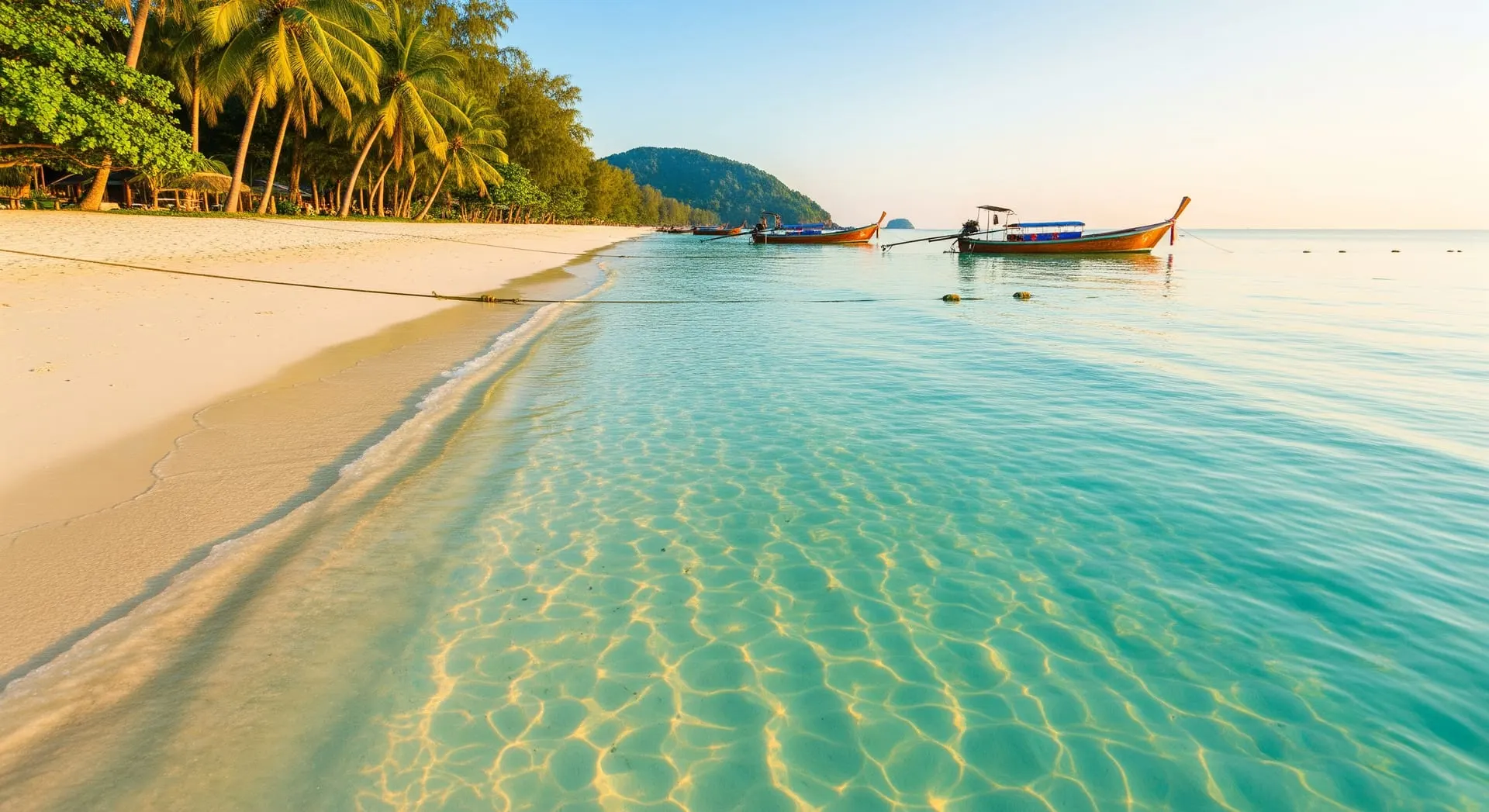
Daily life in Thailand — where Panamanian citizens settle on the DTV
Life in Thailand — your home base on the 5-year DTV
Section 04

Where Panamanian Expats & Nomads Settle in Thailand

  • Bangkok: the cosmopolitan capital draws Panama City professionals who want world-class dining, shopping, nightlife and the largest international community in the country.
  • Chiang Mai: tucked into the northern mountains, its cooler climate and laid-back pace appeal to anyone who loved the highlands of Boquete or Chiriquí. It is Thailand's most affordable digital-nomad hub.
  • Phuket: for beach lovers, Phuket pairs Andaman-blue water with established expat enclaves — a natural fit for Panamanians used to coastal life in Bocas del Toro or the San Blas Islands.
  • Koh Samui & Koh Phangan: these Gulf islands attract freelancers and creatives who prize a slower rhythm, wellness retreats and spectacular sunsets.
  • Hua Hin or Pattaya: easy weekend-distance from Bangkok, these coastal towns offer beaches, golf and a quieter, lower-cost base with good healthcare nearby.
Section 05

Money & Banking: Transferring Funds from Panama

One of the quiet advantages Panamanians enjoy is that the country uses the US dollar (alongside the balboa, which is pegged 1:1), so you can compare Thai prices and plan transfers without second-guessing exchange-rate swings against your home currency. For the DTV, you will need to show proof of 500,000 THB (~$15,000) in personal funds, and your bank statements are the simplest way to evidence this. When moving money to Thailand, dollar-to-baht transfer services such as Wise or Revolut usually beat traditional wire fees and give near-mid-market rates. Many residents keep their main balance abroad and top up a local Thai bank account or e-wallet for day-to-day spending, withdrawing larger sums at a time to offset the standard foreign-card ATM fee.

Good to Know

Because Panama is fully dollarised, the $15,000 financial requirement is easy to read straight from your statements — no currency conversion needed. Showing a stable balance over recent months tends to make the funds requirement straightforward to satisfy.

Section 06

Document Preparation: Certified Translations for Panamanians

The DTV is applied for from outside Thailand, and our team prepares and submits the entire application package on your behalf, so the heavy lifting is handled for you. Your job is mainly to gather clean supporting documents: a valid passport, bank statements proving the 500,000 THB (~$15,000) in funds, and evidence of your remote work, freelance clients or employment. Because Panama's official language is Spanish, documents issued in Spanish will likely need a certified English (or Thai) translation to be accepted — bank letters, employment contracts, and civil-status certificates are the usual culprits.

Tip for Panamanian Applicants

Arrange certified Spanish-to-English translations of your bank statements and work documents early, before you submit. Sorting translations up front keeps your application complete and avoids back-and-forth — and our team can guide you on exactly which documents need translating.

Section 07

Daily Life & Community for Panamanians in Thailand
Day-to-day life in Thailand feels safe, modern and remarkably convenient. Healthcare is a standout: internationally accredited private hospitals such as Bumrungrad and Samitivej in Bangkok, or Chiang Mai Ram in the north, deliver excellent care at a fraction of US or private Panamanian prices, often with short waits and English-speaking staff. Connectivity is superb, with cheap, reliable fibre and nationwide 5G keeping you linked to clients back home. The food culture is a revelation — fresh, bold and endlessly affordable — and Panamanians will recognise old favourites like mango, pineapple and coconut alongside newcomers such as mangosteen and durian. The expat scene is large and friendly; you will find Spanish-speaking circles through groups like 'Latinos en Tailandia' on Facebook, WhatsApp and Telegram, perfect for swapping tips over a plate of patacones... or pad thai.

Panama — your starting point before relocating to ThailandPanama
From Panama to Thailand

Make the move from Panama

Trade Panama for up to five years in Thailand on the DTV. We prepare and submit your entire application from wherever you are — proof of funds, category evidence and passport — so you can focus on the move, not the paperwork.

Check eligibility
Step by step

How Panamanian citizens apply for the DTV

1

Check you qualify

Almost every nationality can apply. Take our free 60-second eligibility checker to confirm your route — remote work, soft power, medical or family.

2

We prepare everything

We assemble and review your documents: proof of 500,000 THB (~$15,000), your category evidence and passport — so nothing gets rejected.

3

We submit for you

You apply from outside Thailand. We file at a Thai embassy or consulate (such as Hanoi, Ho Chi Minh, Jakarta, Vientiane or London) within one business day.

4

Get approved & move

On approval you get the 5-year, multiple-entry DTV — up to 180 days per stay, extendable once. Then make Thailand home.

Questions

DTV FAQ for Panamanian citizens

How long are flights from Panama City to Bangkok, and what routes do Panamanians usually take?

There are no direct flights, so plan on one or two stops and roughly 26–34 hours of total travel from Tocumen Airport (PTY) to Bangkok (BKK). Common routes connect through US hubs such as Houston, Miami, Los Angeles or San Francisco, or eastbound via Madrid, Amsterdam or Frankfurt. It is a long haul, but you only do it occasionally — the DTV lets you stay for months at a time.

What is the time difference between Panama and Thailand, and how does it affect remote work?

Panama is UTC-5 (EST year-round) and Thailand is UTC+7 — a clean 12-hour gap. That can actually help remote workers: Thailand's morning overlaps with Panama's evening, so scheduling calls with Panamanian or US clients is manageable. Many nomads use the early Thai day for focused work and keep afternoons free for meetings once the Americas come online.

Is there a Panamanian or Spanish-speaking community in Thailand?

Yes. While the Panamanian community is smaller than some others, it is growing in nomad hotspots like Bangkok, Chiang Mai and Phuket, and there is a large wider Latin American scene. Look for Facebook groups such as 'Latinos en Tailandia' and 'Panameños en Tailandia', plus WhatsApp and Telegram chats and regular Spanish-language meetups.

How does the cost of living in Thailand compare to Panama?

Thailand is considerably more affordable. A comfortable remote-work life that costs $1,800–2,200/month in Panama City can be maintained for about $900–1,300 in Chiang Mai or Bangkok. Rent, dining out, coworking and transport are all noticeably cheaper, so you can enjoy a higher quality of life or simply save more while working remotely.

Where do Panamanian citizens apply for the DTV?

The Destination Thailand Visa must be applied for from outside Thailand — you do not enter on a tourist visa first. The DTV itself grants multiple entries over its five-year validity. Our team prepares your full application and submits everything on your behalf, so you can focus on planning the move rather than paperwork.

What documents do I need, and do they have to be translated into English?

Typically you will provide a valid passport, bank statements showing the required funds (500,000 THB, about $15,000), and proof of remote work or employment. Because Panama's official language is Spanish, any Spanish-language documents will likely need a certified English (or Thai) translation to be accepted. Our team will tell you exactly which documents to translate.

How long can I stay in Thailand with the Destination Thailand Visa?

The DTV is a 5-year, multiple-entry visa. Each entry lets you stay up to 180 days, and you can extend that once by a further 180 days while inside Thailand. After that you simply leave and re-enter to begin a new 180-day period, giving you huge flexibility for long-term living over the visa's five years.

Can I work remotely for a Panamanian company while living in Thailand on the DTV?

Yes. The DTV is built for digital nomads and remote workers. You can legally work for clients or an employer based in Panama (or anywhere outside Thailand) while living in the country. The visa is designed for offshore remote work, so there is no need for a separate Thai work permit for that overseas income.

What happens if my DTV application is denied? Is there any guarantee?

With the optional Denial Protection add-on, if your application is denied you receive a 100% refund — so there is no financial risk. We help make sure your documents are prepared correctly from the start, and the add-on gives you complete peace of mind on top of that.

How much does your DTV service cost, and what is included?

Our DTV service starts from $139. That covers expert preparation of your application, a review of your supporting documents, and submission on your behalf. We handle the complexity so your paperwork is complete and consistent with Thai immigration requirements before it goes in.

Ready to move to Thailand from Panama?

Check your eligibility in under a minute, or let our team prepare and submit everything — with a 100% refund if your application is denied (with the optional paid Denial Protection add-on).