Skip to content
Europe

DTV Visa for Macedonian Citizens
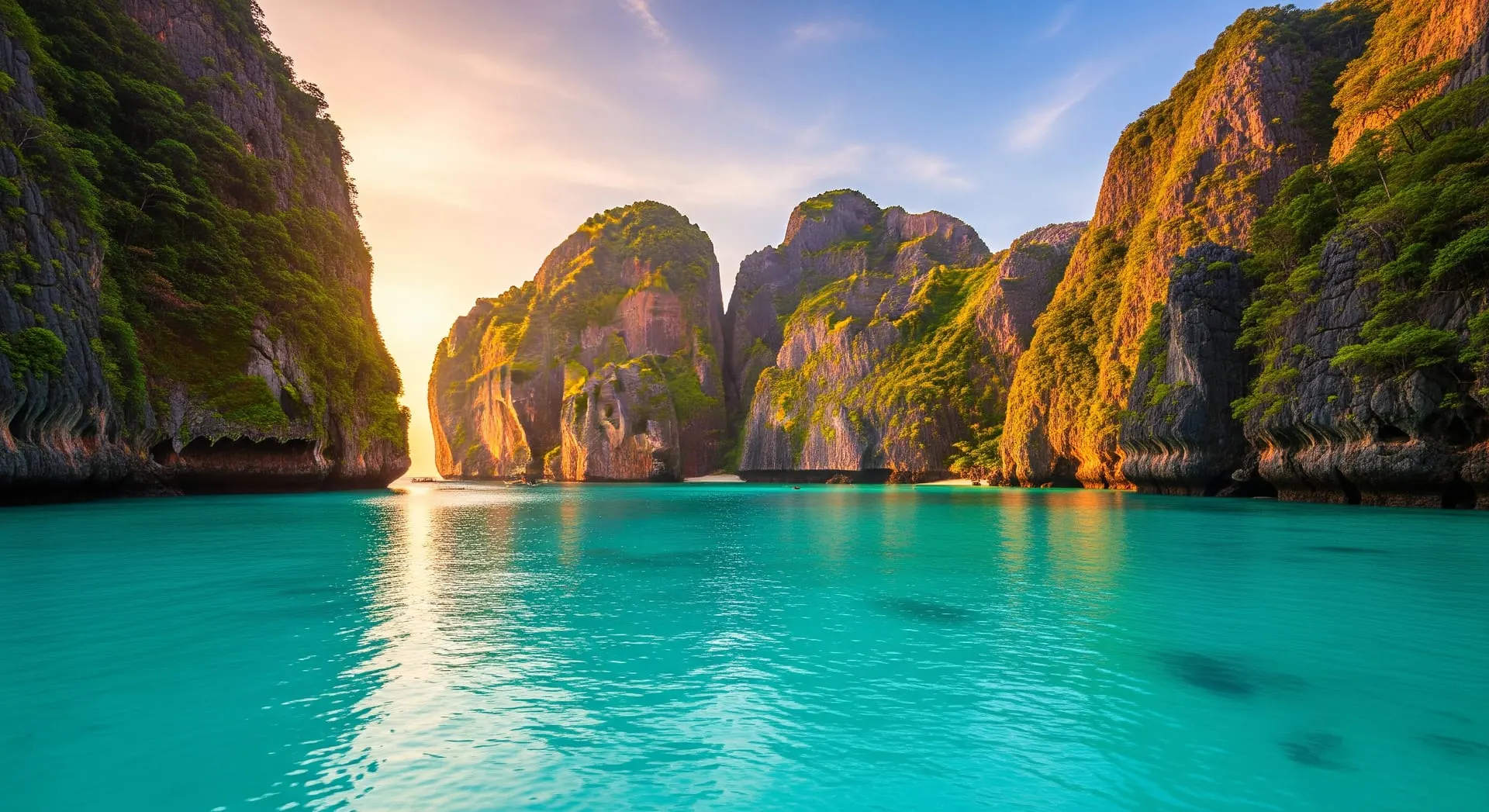
Picture trading Skopje's grey Vardar-valley winters for a year of warm mornings, street-food lunches and weekend island trips. For citizens of North Macedonia, Thailand is no longer just a far-off holiday idea — it is a realistic long-term base. The Destination Thailand Visa (DTV) is a five-year, multiple-entry visa that lets you stay up to 180 days per entry, extendable once inside Thailand for another 180 days. You apply from outside Thailand, our team prepares and submits the entire file for you, and service starts from $139. Whether you are a remote worker, freelancer or simply ready for a change of scene, here is exactly what life on the DTV looks like for Macedonians.

Every Macedonian citizen is eligible to apply

5

Years validity

180

Days per entry

500k

THB proof of funds

$139

Service fee from

100%

Refund if denied*

Why Macedonian citizens choose Thailand

Living in Thailand from North Macedonia

Section 01

Why Macedonians Are Choosing Thailand

More and more North Macedonia citizens are looking east, and Thailand sits near the top of the list. The appeal is layered: a tropical climate that erases the long Balkan winter, a cost of living far below most of Western Europe, and a culture that treats hospitality with the same seriousness Macedonians bring to gostoprimstvo . For digital nomads and remote workers, fast internet, abundant coworking spaces and large, welcoming expat communities make the move feel less like a leap and more like a relocation. You can swap heavy coats for linen shirts in January, keep working for clients back home, and still be a short flight from temples, mountains and turquoise water. Many Macedonians also note how familiar Thai food can feel — fresh, herb-forward and built around shared plates, much like a Balkan table.

Section 02

Cost of Living: North Macedonia vs. Thailand

For everyday spending, Thailand offers Macedonians real value. In Skopje, a comfortable one-bedroom apartment in the centre runs roughly €300–€400 (about 21,000–28,000 THB) a month. In Bangkok, a modern furnished studio in a central, BTS-connected area starts around 15,000 THB (€380); in Chiang Mai, the digital-nomad capital of the north, the same budget — or even 9,000–12,000 THB (€230–€300) — buys a roomy condo with a pool and gym. A cheap restaurant meal costs €5–€7 back home; in Thailand a plate of street food is 50–70 THB (€1.30–€1.80), and even daily café meals rarely push a food budget past €200 a month. A coworking membership averages 1,500–3,000 THB (€40–€80), a monthly scooter rental around 2,500 THB (€65), and Grab rides across town stay under €2. All in, a single person lives comfortably in Thailand on roughly €600–€800 (22,000–29,000 THB) a month — typically less than an equivalent lifestyle costs in North Macedonia.

Did You Know?

In Chiang Mai you can rent a fully furnished condo with a swimming pool and gym for around 10,000 THB (€260) a month — often less than the rent on a basic one-bedroom in central Skopje, and with the weather thrown in for free.

Smart Saver

Eat where locals eat. Night markets and street stalls cut your food bill dramatically while serving Thailand's best — pad thai, som tam and mango sticky rice for under €2 a plate.

Section 03

Getting to Thailand from North Macedonia

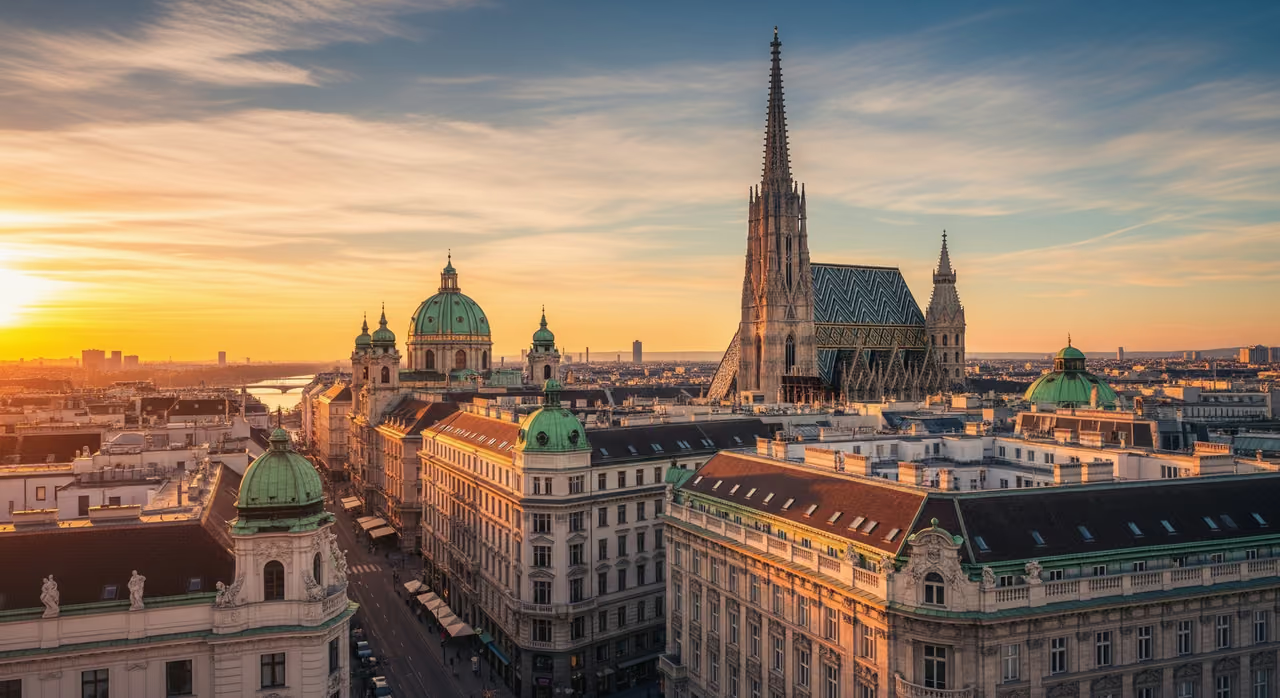
There are no direct flights between North Macedonia and Thailand, so every trip involves at least one connection. From Skopje International Airport (SKP), the most reliable routings go through Istanbul with Turkish Airlines, through Vienna with Austrian, or through Doha with Qatar Airways. Realistic door-to-door travel time to Bangkok is roughly 14–18 hours including the layover, with the long-haul leg into Suvarnabhumi (BKK) taking about 9–10 hours. Once you land, Bangkok is a quick domestic hop from Chiang Mai, Phuket and the islands. The time difference is meaningful: Thailand runs on Indochina Time (UTC+7), while North Macedonia is on Central European Time (UTC+1 in winter, UTC+2 in summer), leaving Thailand 5–6 hours ahead of Skopje. For remote workers that gap is often a gift — you get quiet, focused mornings before Europe wakes up, then overlap with home in the Thai afternoon for calls.

Daily life in Thailand — where Macedonian citizens settle on the DTV
Life in Thailand — your home base on the 5-year DTV
Section 04

Where Macedonians Settle in Thailand

Macedonians are a small but growing presence, and they tend to gravitate to Thailand's established expat and nomad hubs. Bangkok is the high-energy choice: endless dining, nightlife, coworking and the best connections for networking, balanced against traffic and a faster pace. Chiang Mai is the long-stay favourite — a relaxed mountain city with dozens of coworking cafés, a tight-knit expat scene and gentle prices. For the beach, Phuket delivers a full resort lifestyle with strong infrastructure and reliable internet at a somewhat higher cost, while Koh Samui and Koh Phangan suit those who want island calm with a wellness and yoga bent. Further options like Hua Hin and Krabi offer quieter coastal living with improving services.

  • Chiang Mai: Affordable, green and packed with coworking spaces — ideal for focused work while keeping costs low.
  • Bangkok: A true metropolis, best for networking and city living, with world-class amenities at higher prices.
  • Phuket: Tropical island life with dependable internet, pricier but great for water sports and resort comfort.
  • Koh Phangan: Laid-back island with a strong wellness and yoga community, popular for longer stays.
Section 05

Money & Banking for Macedonians in Thailand

Handling money from North Macedonia is straightforward with a little planning. Thai ATMs widely accept Visa and Mastercard, though a withdrawal fee of about 220 THB (around €5.60) is standard, so it pays to take out larger amounts less often. Apps like Wise and Revolut usually beat traditional banks on the euro-to-baht rate for transfers. Cards work in malls and upmarket venues, but cash is still king at markets, street stalls and on local transport, so keep some baht on hand. For the DTV itself, you show proof of 500,000 THB (~$15,000) in personal funds — typically a recent bank statement — and this can sit in a Macedonian or international account; the money does not need to be in Thailand. Once you arrive on the long-term visa, opening a Thai bank account becomes much easier and simplifies bills and local transfers.

Proof of Funds, Simply Put

The DTV financial requirement is 500,000 THB (~$15,000) held in your own name. You apply from outside Thailand, our team prepares and submits everything, service starts from $139, and with the optional Denial Protection add-on you get a 100% refund if your application is denied.

Currency Smarts

Don't try to spend Macedonian denars in Thailand — they are rarely accepted and poorly exchanged. Carry euros or a multi-currency card instead, and watch the euro-to-baht rate for a few days before making any large transfer.

Section 06

Documents & Translation for Your Application

North Macedonia's official language is Macedonian, written in Cyrillic, so any bank statements or supporting papers issued only in Macedonian will likely need a certified English (or Thai) translation for your DTV file. This is a routine step for citizens of non-English-speaking countries and nothing to worry about. We recommend using a sworn translator who understands what Thai authorities expect, so your financial documents read cleanly and consistently. Beyond translation, the core paperwork is simple — a valid passport, photographs and proof of personal funds — and because you apply from outside Thailand, our team assembles and submits the full application for you, flagging anything that needs translating before it becomes a problem.

Section 07

Daily Life & Community

Day-to-day life in Thailand is comfortable and well-connected. Private hospitals such as Bumrungrad and Bangkok Hospital deliver excellent care at a fraction of Western European prices, and most Macedonians carry international health insurance for peace of mind on bigger costs. Connectivity is genuinely good — widespread 5G in the cities and reliable fibre in condos and coworking spaces — so video calls and uploads are rarely an issue. Thailand is also among the safest countries in Southeast Asia for everyday life, with violent crime rare. The Macedonian community is still small but real: Facebook groups for Macedonians and Balkan expats in Thailand, plus informal meetups in Bangkok and Chiang Mai, make it easy to find familiar faces. And the wider expat network is huge, so you are never short of advice — or of someone to share a plate of som tam with on a Sunday.

  • Healthcare: High-quality private hospitals at reasonable cost; international insurance recommended.
  • Internet: Fast, stable 5G and fibre, ideal for video calls and uploads.
  • Safety: Very low violent-crime rates; solo travellers and families feel secure.
  • Food: Huge variety, from spicy Thai curries to international supermarkets, with plenty of vegetarian and halal options.
  • Community: Small but genuine Macedonian and Balkan groups, plus a large global expat network.
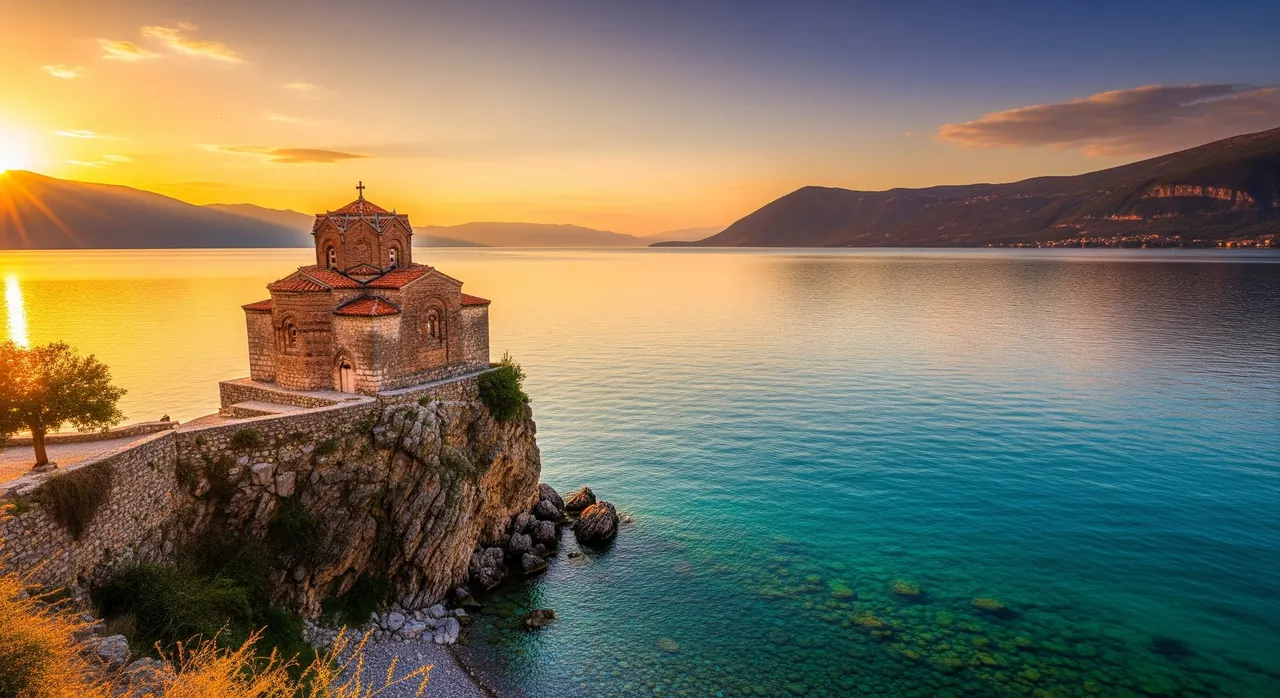
North Macedonia — your starting point before relocating to ThailandNorth Macedonia
From North Macedonia to Thailand

Make the move from North Macedonia

Trade North Macedonia for up to five years in Thailand on the DTV. We prepare and submit your entire application from wherever you are — proof of funds, category evidence and passport — so you can focus on the move, not the paperwork.

Check eligibility
Step by step

How Macedonian citizens apply for the DTV

1

Check you qualify

Almost every nationality can apply. Take our free 60-second eligibility checker to confirm your route — remote work, soft power, medical or family.

2

We prepare everything

We assemble and review your documents: proof of 500,000 THB (~$15,000), your category evidence and passport — so nothing gets rejected.

3

We submit for you

You apply from outside Thailand. We file at a Thai embassy or consulate (such as Hanoi, Ho Chi Minh, Jakarta, Vientiane or London) within one business day.

4

Get approved & move

On approval you get the 5-year, multiple-entry DTV — up to 180 days per stay, extendable once. Then make Thailand home.

Questions

DTV FAQ for Macedonian citizens

How long can I stay in Thailand with the DTV as a Macedonian citizen?

The DTV is a five-year, multiple-entry visa. Each entry allows a stay of up to 180 days, which you can extend once inside Thailand for a further 180 days. After that you can leave and re-enter for a fresh stay, repeating this throughout the visa's validity.

Do I have to travel anywhere in North Macedonia to apply?

No. You simply need to be outside Thailand when you apply. There is no in-person trip required — our team prepares your full application and submits everything on your behalf.

What are the best flight routes from Skopje to Bangkok?

There are no direct flights. Most Macedonians fly Turkish Airlines via Istanbul, Austrian via Vienna, or Qatar Airways via Doha. Total travel time is roughly 14–18 hours including the layover, with the long-haul leg into Bangkok taking about 9–10 hours.

How does the time difference between North Macedonia and Thailand affect remote work?

Thailand is 5–6 hours ahead of Skopje (UTC+7 versus CET/CEST). That gives you quiet, focused mornings while European colleagues are still offline, then a natural overlap in the Thai afternoon for meetings and calls.

Is Thailand really cheaper than living in North Macedonia?

For most lifestyles, yes. A monthly budget of around €600–€800 in Thailand covers an apartment, food, transport and a coworking membership very comfortably, which generally undercuts the cost of an equivalent urban lifestyle in North Macedonia.

How much money do I need to show for the DTV?

You need to demonstrate 500,000 THB (~$15,000) in personal funds, usually via a recent bank statement. The money can stay in your Macedonian or international account — it does not have to be transferred to Thailand.

What does the service cost, and what if my application is denied?

Service starts from $139, and we prepare and submit the entire application for you. With the optional Denial Protection add-on, you receive a 100% refund if your application is denied, so you can apply with confidence.

Do my Macedonian documents need to be translated?

Likely yes. Because North Macedonia's official language is Macedonian (in Cyrillic), bank statements and supporting papers issued only in Macedonian will usually need a certified English or Thai translation. We recommend a sworn translator and will tell you exactly what needs converting.

Can I work for a Macedonian company remotely from Thailand on the DTV?

Yes. The DTV is designed for remote workers and freelancers. You can work online for your Macedonian employer or overseas clients, as long as the work is conducted remotely and your income comes from outside Thailand.

Is there a Macedonian community in Thailand?

It is small but growing, concentrated in Bangkok and Chiang Mai. Facebook groups for Macedonian and Balkan expats, along with informal meetups, make it easy to connect for advice, friendship and the occasional taste of home.

Ready to move to Thailand from North Macedonia?

Check your eligibility in under a minute, or let our team prepare and submit everything — with a 100% refund if your application is denied (with the optional paid Denial Protection add-on).