Skip to content
Asia

DTV Visa for North Korean Citizens
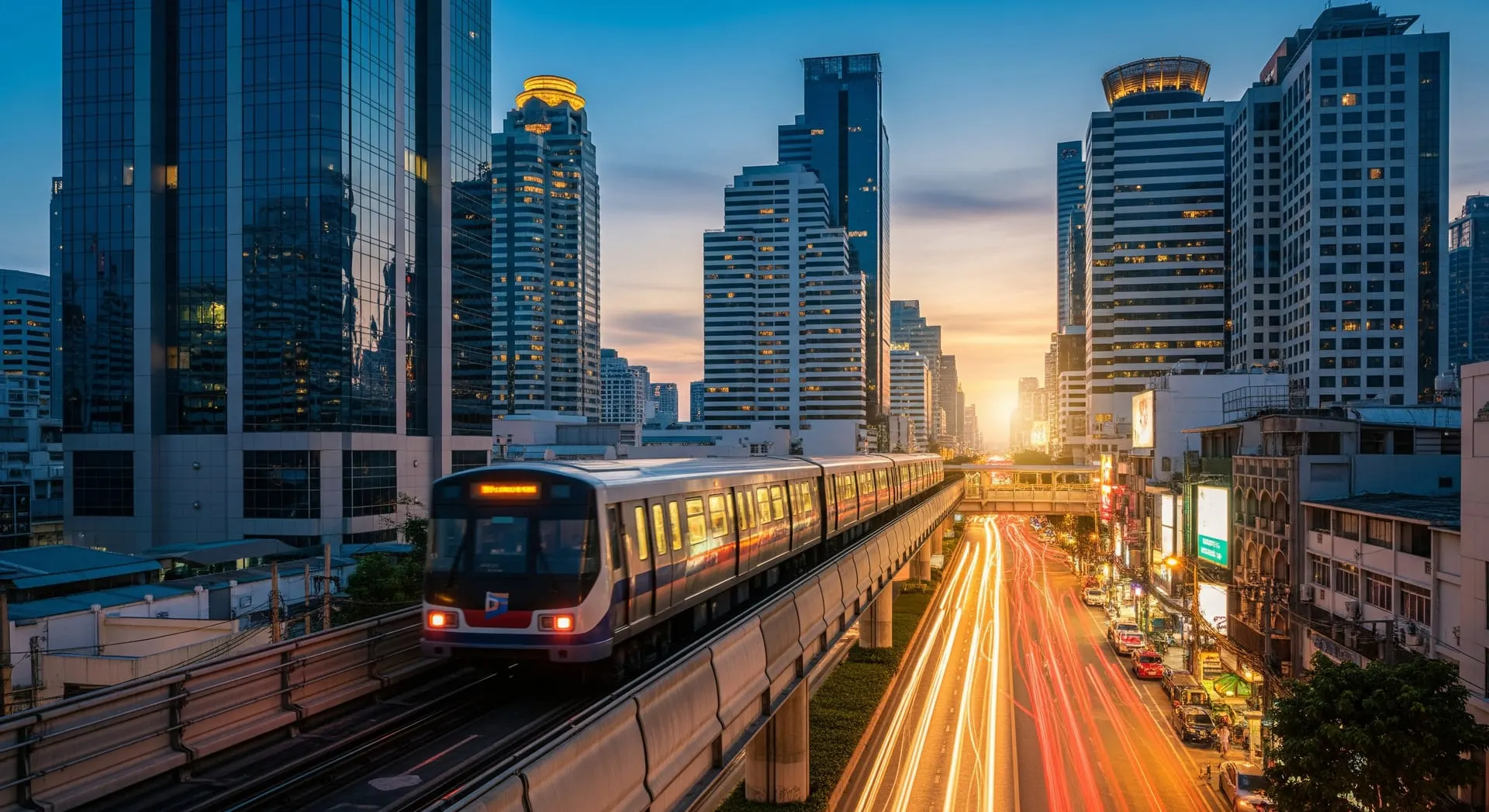
For North Koreans who have the means to live and work abroad, Thailand is one of the most appealing destinations in Asia. Trade long, cold Korean winters for year-round tropical warmth, swap rigid routines for a relaxed pace of life, and base yourself in a country famous for affordable living, legendary street food and warm hospitality. The Destination Thailand Visa (DTV) makes this practical: a single visa that lets you stay long-term, travel in and out freely, and run a remote career or business from a sunny corner of Southeast Asia. The currency at home is the North Korean won (KPW); in Thailand you will quickly get used to thinking in baht (THB).

Every North Korean citizen is eligible to apply

5

Years validity

180

Days per entry

500k

THB proof of funds

$139

Service fee from

100%

Refund if denied*

Why North Korean citizens choose Thailand

Living in Thailand from North Korea

Section 01

Why North Koreans Are Looking at Thailand

The appeal of Thailand is easy to understand. There is the warm, sunny climate that runs all year, a far lower cost of living that stretches every dollar, and an open, tolerant society where day-to-day life is relaxed and unhurried. Thailand has a deep, well-established infrastructure for foreign residents and remote workers: fast internet, modern hospitals, international supermarkets and a huge expatriate community. For a professional, entrepreneur or digital worker, the DTV opens the door to a flexible, affordable lifestyle with real day-to-day freedom, from bustling Bangkok night markets to quiet beaches in the south.

The Destination Thailand Visa at a Glance

The DTV is a 5-year, multiple-entry visa. Each entry lets you stay up to 180 days, and you can extend that once by a further 180 days, for roughly a year of continuous living per cycle. You must show proof of 500,000 THB (~$15,000) in personal funds. You apply from outside Thailand, and our team prepares and submits the entire application for you. Service starts from $139, with an optional Denial Protection add-on that gives a 100% refund if your application is denied.

Section 02

Cost of Living: North Korea vs Thailand

Reliable price data for North Korea is famously hard to obtain because of the country's dual official-and-market economy, but the headline is simple: Thailand offers a strong quality of life for a modest budget . Eating out, getting around and everyday entertainment are inexpensive by global standards. A monthly budget of roughly $900–1,300 supports a comfortable, middle-class expat lifestyle in Chiang Mai or many parts of Bangkok , covering a decent apartment, food, transport and leisure. Cash is convenient too: ATMs are everywhere, though foreign-card withdrawals usually carry a fixed fee of around 220 THB per transaction, so larger, less frequent withdrawals are smarter.

Everyday Costs in Thailand

A plate of street-food pad kra pao or khao man kai runs about 50–70 THB ($1.50–2). A modern studio in Chiang Mai rents for roughly 8,000–13,000 THB/month ($250–400); central Bangkok is higher. A monthly coworking membership is about 2,500–4,000 THB ($75–120). A litre of bottled water, a coffee or a short Grab ride each cost only a dollar or two.

Section 03

Getting to Thailand from North Korea

There are no direct flights between North Korea and Thailand, so the trip always involves a connection. The most common routing is Pyongyang to Beijing (around 2 hours), then a connecting flight from Beijing to Bangkok's Suvarnabhumi Airport (roughly 5–6 hours). Counting a typical layover, total travel time runs about 10–13 hours . Other transit hubs such as Shenyang or Vladivostok are also used depending on schedules. The time difference is small and easy to manage: Thailand (UTC+7) is only 2 hours behind North Korea (UTC+9) , so jet lag is barely noticeable and staying in touch with people back home is simple.

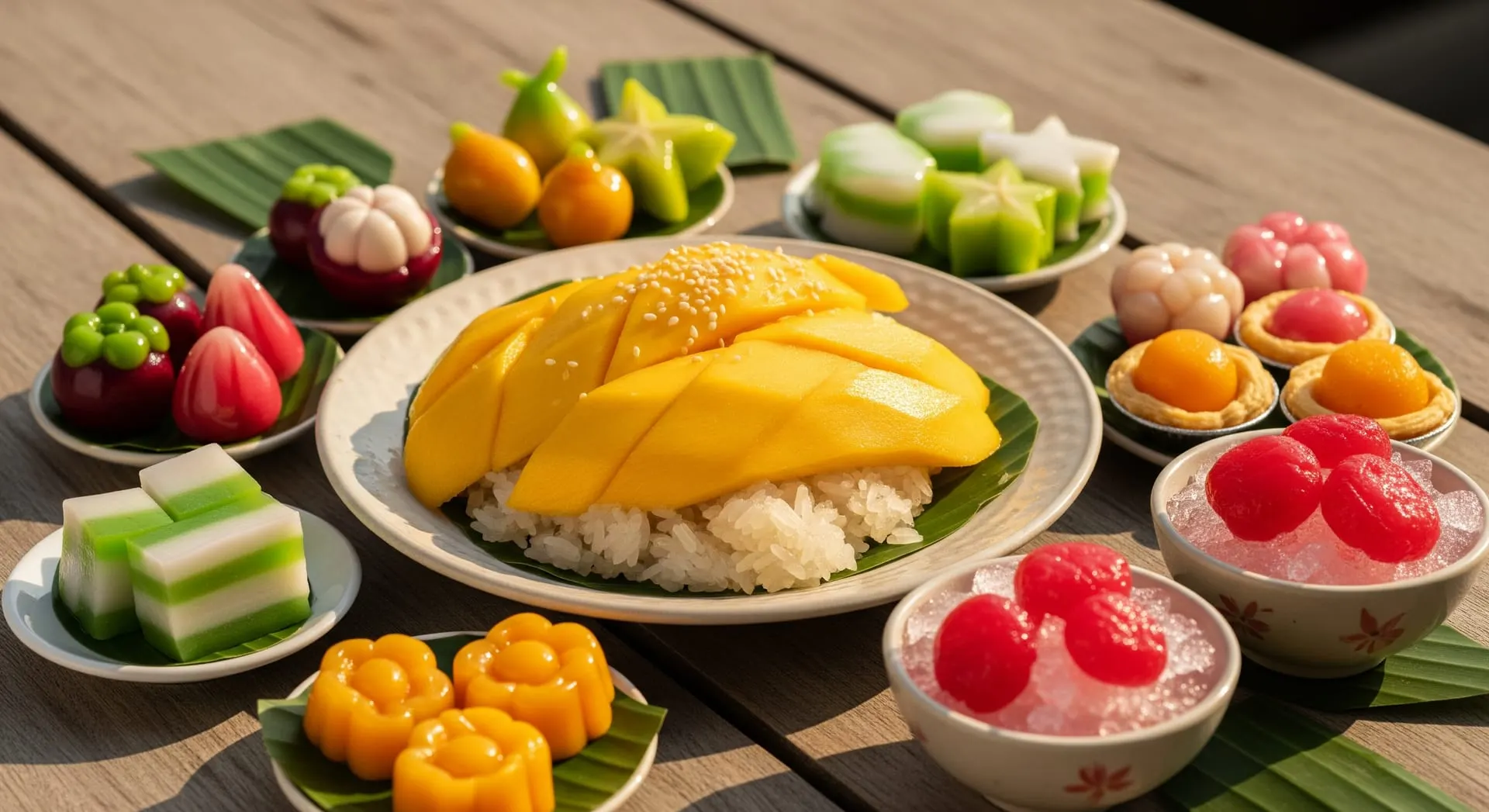
Daily life in Thailand — where North Korean citizens settle on the DTV
Life in Thailand — your home base on the 5-year DTV
Section 04

Where to Settle in Thailand

  • Bangkok – The capital has the widest choice of work, international schools and amenities, plus a large Korean district around Sukhumvit Plaza near Asok, with Korean groceries, restaurants and services.
  • Chiang Mai – The favourite for remote workers thanks to its low cost, cooler mountain air, slow pace and dense network of coworking cafes, especially around the Nimman neighbourhood.
  • Phuket and the islands – Best if you want a beach lifestyle; Phuket has a substantial expat scene and solid internet for remote work.
  • Pattaya – Close to Bangkok, more affordable coastal living, and home to many Korean-run businesses and restaurants.
Section 05

Money and Banking

Moving funds out of North Korea is genuinely difficult because of strict capital controls and international sanctions, so most people who live abroad rely on bank accounts held in a third country , such as China or Russia, to manage and fund their stay. For the DTV, what matters is being able to document 500,000 THB (~$15,000) in personal funds in a way the application can present clearly. Once you are settled in Thailand and hold a long-term visa, opening a local THB account is possible but not automatic; requirements vary by bank and branch, and a foreign credit or debit card plus international ATMs will cover most everyday spending in the meantime.

Tip: Plan Your Funds Before You Travel

Avoid carrying large amounts of cash. Arrange clean, well-documented bank statements from a stable third-country account well ahead of your application, and keep them current. Because immigration looks at the strength and clarity of your financial evidence, organised statements that clearly show the required 500,000 THB make the whole process smoother.

Section 06

Documents and Translation

The official language of North Korea is Korean, so any supporting documents in Korean, such as bank statements, identification or official records, will most likely need a certified English (or Thai) translation to be accepted. This is a routine step, but accuracy matters: translations should be done by a professional certified translator and, where requested, notarised. Our team reviews your full document set in advance, flags anything that needs translating, and points you to reliable Korean-to-English certification services so nothing holds up your application.

Section 07

Daily Life and Community

Everyday life in Thailand surprises many newcomers with how easy and comfortable it is. Private healthcare at hospitals such as Bumrungrad and Bangkok Hospital is internationally accredited and far cheaper than in most Western countries. Internet is fast and reliable, with widespread fibre and 5G in the cities. Food is a daily highlight, from spicy street stalls to the Korean restaurants clustered around Bangkok's Sukhumvit Plaza and Chiang Mai's Nimman area. Thailand is also one of the safer countries in Southeast Asia, with low rates of violent crime. There is an active Korean expatriate scene with churches, social groups and Korean-language media, making it easy to build a network of familiar faces while you settle in.

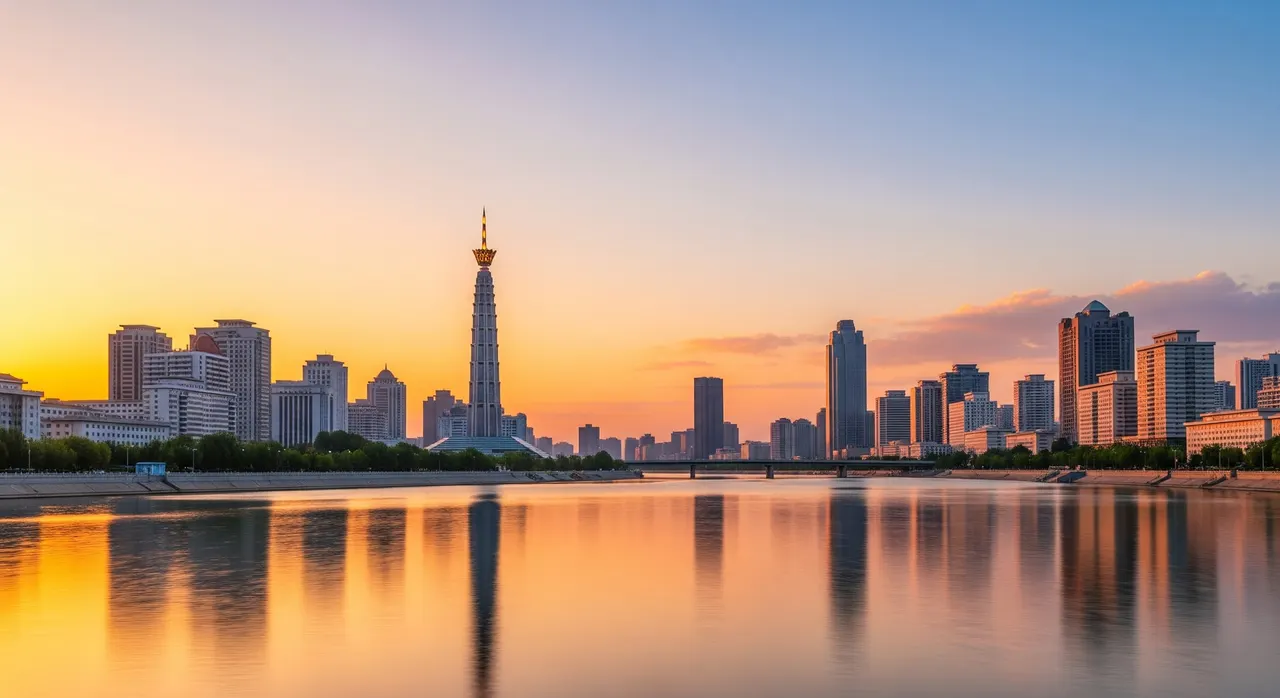
North Korea — your starting point before relocating to ThailandNorth Korea
From North Korea to Thailand

Make the move from North Korea

Trade North Korea for up to five years in Thailand on the DTV. We prepare and submit your entire application from wherever you are — proof of funds, category evidence and passport — so you can focus on the move, not the paperwork.

Check eligibility
Step by step

How North Korean citizens apply for the DTV

1

Check you qualify

Almost every nationality can apply. Take our free 60-second eligibility checker to confirm your route — remote work, soft power, medical or family.

2

We prepare everything

We assemble and review your documents: proof of 500,000 THB (~$15,000), your category evidence and passport — so nothing gets rejected.

3

We submit for you

You apply from outside Thailand. We file at a Thai embassy or consulate (such as Hanoi, Ho Chi Minh, Jakarta, Vientiane or London) within one business day.

4

Get approved & move

On approval you get the 5-year, multiple-entry DTV — up to 180 days per stay, extendable once. Then make Thailand home.

Questions

DTV FAQ for North Korean citizens

Can North Korean citizens apply for the Destination Thailand Visa?

Yes. North Korean passport holders are eligible for the DTV. We handle the entire application from start to finish, and you apply from outside Thailand wherever you currently reside.

How long can I stay in Thailand with the DTV?

The DTV is a 5-year multiple-entry visa. Each entry lets you stay up to 180 days, and you can extend that once per entry by a further 180 days, allowing you to live in Thailand almost continuously across the visa's life.

What financial proof do North Korean applicants need?

You must show proof of 500,000 THB (~$15,000) in personal funds. The funds can sit in an account in North Korea or in a third country, but any documents in Korean will most likely need a certified English or Thai translation.

Can I work remotely while living in Thailand on the DTV?

Yes. The DTV is designed for remote workers, digital nomads and freelancers serving clients or employers outside Thailand. It lets you base yourself in Thailand while continuing your remote work.

How much does your visa preparation service cost?

Our service starts from just $139, and we prepare and submit your entire application. With the optional Denial Protection add-on, you receive a 100% refund if your application is denied.

What is the time difference between North Korea and Thailand?

Thailand (UTC+7) is 2 hours behind North Korea (UTC+9). The small gap means almost no jet lag and makes it easy to coordinate with family or work contacts back home.

How long does it take to fly from Pyongyang to Bangkok?

There are no direct flights. Most travellers connect through Beijing (or another regional hub such as Shenyang or Vladivostok). With a layover, total journey time is usually around 10–13 hours.

Is there a Korean community in Thailand?

Yes. Bangkok has an established Korean district around Sukhumvit Plaza near Asok, with Korean groceries, restaurants, churches and social meetups. Chiang Mai and Pattaya also have active Korean scenes.

Do my bank statements need to be translated from Korean?

Most likely, yes. Because North Korea's official language is Korean, supporting documents in Korean will generally need a certified English or Thai translation to be accepted. We tell you exactly what to translate before you submit.

Can my family join me on the DTV?

Yes. Eligible dependants such as a spouse and children can apply to accompany you, and we can assist with the whole family's applications so you can relocate together.

Ready to move to Thailand from North Korea?

Check your eligibility in under a minute, or let our team prepare and submit everything — with a 100% refund if your application is denied (with the optional paid Denial Protection add-on).