Skip to content
Africa

DTV Visa for Nigerian Citizens

Dear Nigerian go-getter, imagine trading the hustle of Lagos for the calm of a Phuket beach, or swapping Abuja's gridlock for the creative buzz of a Chiang Mai co-working space. Thailand has become a top choice for Nigerians who want a vibrant yet peaceful lifestyle upgrade without breaking the bank. The Destination Thailand Visa (DTV) is a 5-year, multiple-entry visa that lets you stay up to 180 days at a time, extend once for another 180 days, and live, work remotely, or study in the Land of Smiles. Better still, you apply from outside Thailand and our team prepares and submits everything for you.

Every Nigerian citizen is eligible to apply

5

Years validity

180

Days per entry

500k

THB proof of funds

$139

Service fee from

100%

Refund if denied*

Why Nigerian citizens choose Thailand

Living in Thailand from Nigeria

Section 01

Why Nigerians Are Choosing Thailand

More and more Nigerians are packing their bags for Thailand, drawn by a blend of remote-work freedom, personal safety, and a refreshing change of scenery. While Nigeria's energetic spirit is unmatched, Thailand offers reliable power (no generator hum), clean air outside the burning season, and an easygoing outdoor lifestyle. The tropical climate, with its wet and dry seasons, will feel familiar to anyone from Lagos or Calabar, minus the harmattan haze that rolls down from the Sahel. Digital entrepreneurs, oil-and-gas consultants between contracts, students, and families are all discovering that Thailand delivers a high quality of life for a fraction of what comparable comfort costs in Lagos, Abuja, or Port Harcourt, with the bonus of warm Thai hospitality that makes settling in feel natural.

DTV at a Glance for Nigerians

A 5-year, multiple-entry visa. Stay up to 180 days per entry and extend once inside Thailand for another 180 days. Show proof of 500,000 THB (~$15,000) in personal funds. You apply from Nigeria (or any country where you legally reside), and we prepare and submit the whole application for you.

Section 02

Cost of Living: Nigeria vs. Thailand

For most Nigerians, the biggest surprise is how far your money stretches once you arrive. Thailand prices everyday life in baht (THB), and a comfortable middle-class lifestyle in Chiang Mai or Bangkok often costs less than equivalent comfort in Ikoyi or Maitama, especially when you factor in dependable electricity and fast internet you do not have to fight for. Here is how the essentials compare:

  • A modern one-bedroom condo in central Bangkok runs around 12,000-18,000 THB ($350-$520) per month; a similar standard in Lagos's Ikoyi or Victoria Island can easily cost the same or more, and often demands a full year's rent upfront.
  • A street-food meal like pad thai or a rice-and-curry plate costs 50-70 THB ($1.50-$2.00), comparable to a roadside jollof or amala plate in Lagos but with far cheaper, cleaner dining-out options across the board.
  • A co-working hot desk in Chiang Mai averages 3,000-5,000 THB ($90-$150) per month, usually with stable fibre and air-con included.
  • A monthly Bangkok BTS Skytrain pass is roughly 1,000-1,300 THB (about $30); running a car with fuel and maintenance in Nigeria easily tops $100 a month.
  • Reliable home fibre internet in Thailand is about 500-800 THB ($15-$25) per month, typically faster and steadier than what you pay more for back home.
Section 03

Getting to Thailand from Nigeria

Most Nigerians fly out of Murtala Muhammed International Airport (LOS) in Lagos or Nnamdi Azikiwe International Airport (ABV) in Abuja. There are no direct flights to Bangkok, so you will route through a major hub: Dubai with Emirates, Doha with Qatar Airways, Addis Ababa with Ethiopian Airlines, or Istanbul with Turkish Airlines are the popular options. Total travel time generally runs 15 to 19 hours including the layover, landing you at Suvarnabhumi (BKK) or Don Mueang (DMK) in Bangkok. Thailand is 6 hours ahead of Nigeria (WAT, GMT+1, to ICT, GMT+7), which suits remote workers nicely: you can wrap up the Nigerian workday by early afternoon and still have a full Thai evening, while morning meetings in Lagos line up with late afternoon in Bangkok for easy overlap.

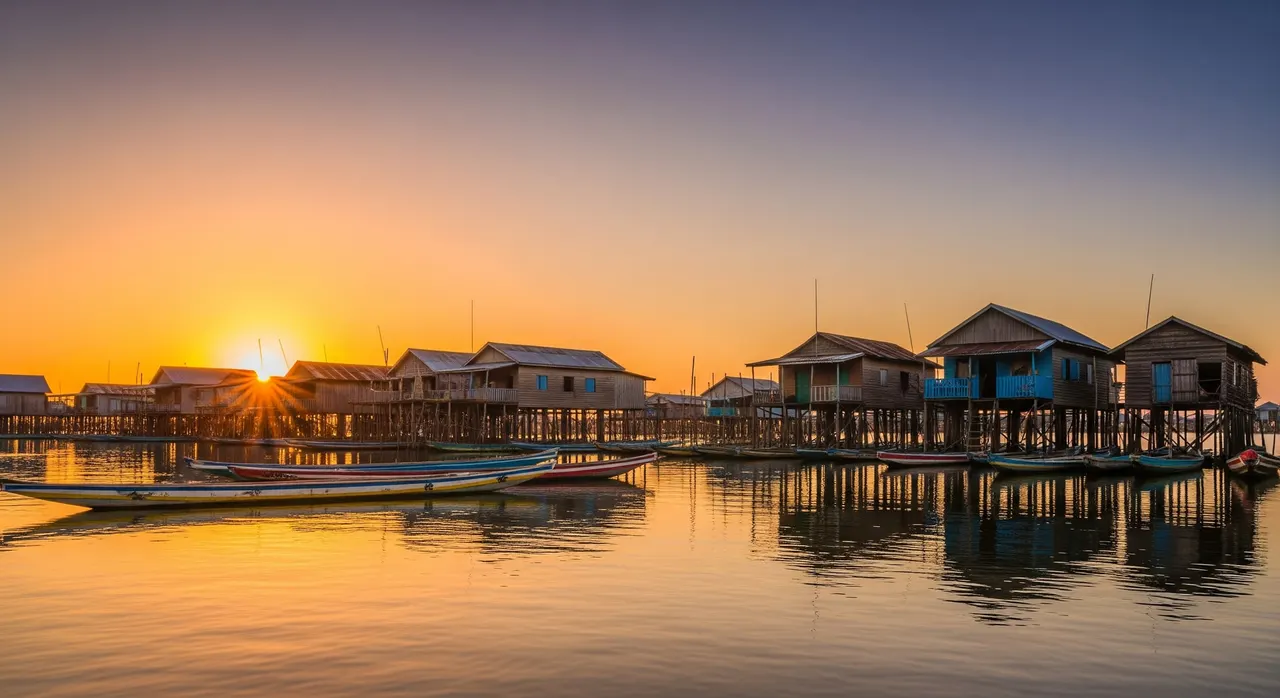
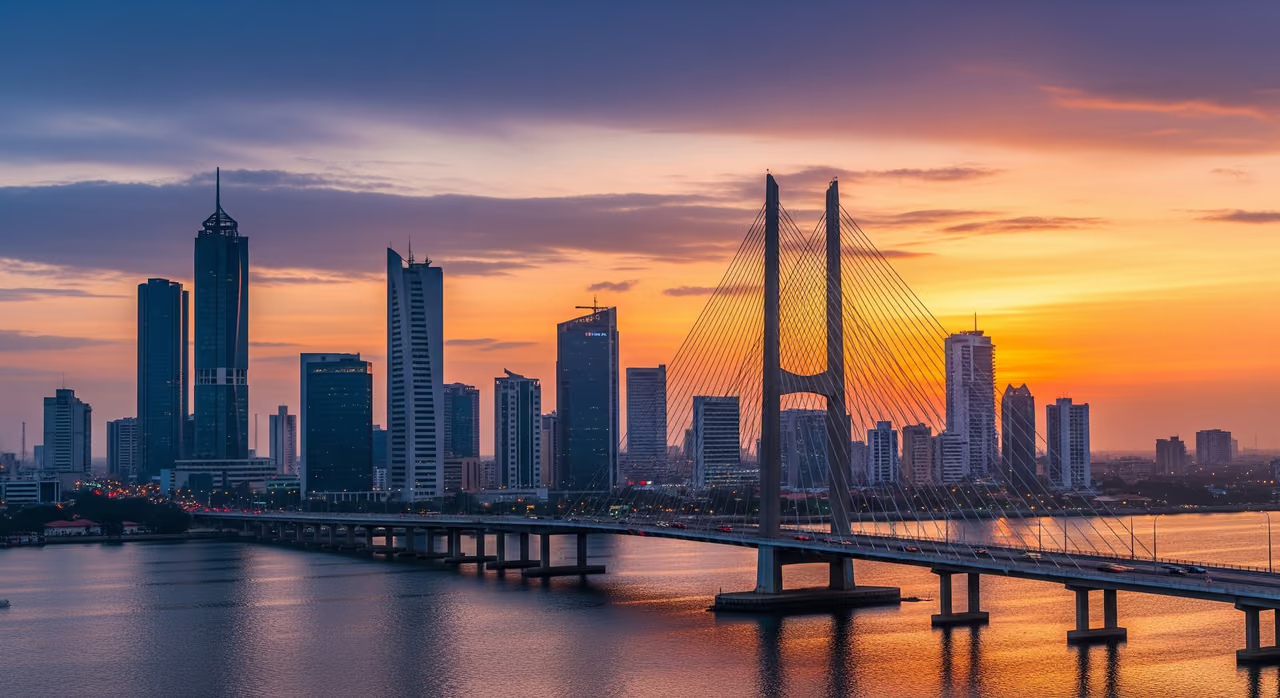
Daily life in Thailand — where Nigerian citizens settle on the DTV
Life in Thailand — your home base on the 5-year DTV
Section 04

Where Nigerian Expats & Nomads Settle in Thailand

Bangkok is the natural first stop for many Nigerians thanks to direct international connections, a large established community, and endless work and business options. Chiang Mai in the north is the digital-nomad favourite: cooler, calmer, cheaper, and packed with co-working spaces and cafes. If beaches are your dream, Phuket and Koh Samui offer island living with strong expat networks, while Pattaya is popular for its affordability and proximity to Bangkok. Families often gravitate toward Bangkok or Chiang Mai for the choice of international schools.

Bangkok's African Heart

Sukhumvit Soi 3, widely known as 'Little Africa', is a long-standing hub of Nigerian and West African restaurants, hair-braiding salons, and grocery stores stocking yam flour, egusi, dried fish and other home staples, so a taste of Naija is never far away when homesickness strikes.

Section 05

Money & Banking from Nigeria

Managing money across borders is the practical part Nigerians ask about most. The Central Bank of Nigeria's foreign-exchange rules mean it pays to plan how you move naira abroad. Many people use licensed transfer services to convert naira to baht at competitive rates, then withdraw cash from Thai ATMs once they land. Be aware that Thai ATMs charge a foreign-card fee of around 220 THB per withdrawal, so larger, less frequent withdrawals save money. Once you are settled on a long-stay visa, opening a local Thai bank account removes most of those fees and makes paying rent, bills, and QR-code purchases far simpler.

Pro Tip

Carry at least two cards from different Nigerian banks plus a multi-currency option such as Wise, and keep some USD cash as a backup. Withdraw a larger amount per ATM visit to spread the ~220 THB fee, and tell your bank you are travelling so your card is not blocked on arrival.

Section 06

Documents & Translation for Nigerian Applicants

Here is some good news for Nigerian applicants: because English is the official language of Nigeria, your supporting documents (bank statements, payslips, employment or business letters, and similar paperwork) are already in a language Thai authorities accept. Unless an institution issues something in a local language, you will not need a certified translation, which saves both time and money. The DTV asks you to show proof of 500,000 THB (~$15,000) in personal funds together with documents that establish your remote-work, freelance, or qualifying activity. We review everything before submission so nothing is missing or formatted incorrectly, and because you apply from outside Thailand, our team handles preparation and lodging the application end to end.

Section 07

Daily Life & Community in Thailand

  • Healthcare: Internationally accredited hospitals such as Bumrungrad and Bangkok Hospital have English-speaking staff and charge far less than equivalent private care, making quality medical treatment genuinely accessible.
  • Internet: Fast, dependable fibre is the norm, so video calls back to Lagos or Abuja and remote work run without the usual outages.
  • Food: Beyond world-famous Thai cuisine, Bangkok has African food stalls and restaurants, and the predominantly Muslim south offers abundant halal options.
  • Safety: Violent crime is significantly lower than in many large Nigerian cities; ordinary street awareness is usually all you need.
  • Community: Active 'Nigerians in Thailand' Facebook and WhatsApp groups connect you with fellow expats for tips, meetups, and even business referrals before you arrive.
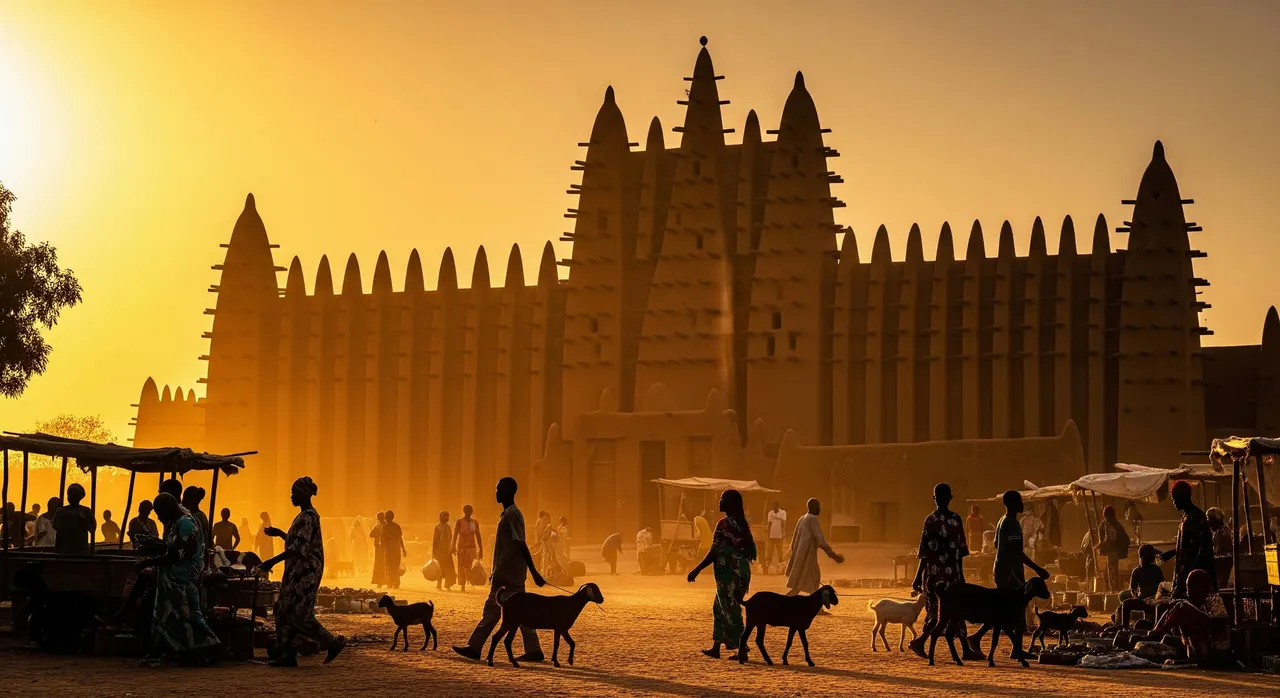
Nigeria — your starting point before relocating to ThailandNigeria
From Nigeria to Thailand

Make the move from Nigeria

Trade Nigeria for up to five years in Thailand on the DTV. We prepare and submit your entire application from wherever you are — proof of funds, category evidence and passport — so you can focus on the move, not the paperwork.

Check eligibility
Step by step

How Nigerian citizens apply for the DTV

1

Check you qualify

Almost every nationality can apply. Take our free 60-second eligibility checker to confirm your route — remote work, soft power, medical or family.

2

We prepare everything

We assemble and review your documents: proof of 500,000 THB (~$15,000), your category evidence and passport — so nothing gets rejected.

3

We submit for you

You apply from outside Thailand. We file at a Thai embassy or consulate (such as Hanoi, Ho Chi Minh, Jakarta, Vientiane or London) within one business day.

4

Get approved & move

On approval you get the 5-year, multiple-entry DTV — up to 180 days per stay, extendable once. Then make Thailand home.

Questions

DTV FAQ for Nigerian citizens

Can Nigerian citizens apply for the Destination Thailand Visa?

Yes. Nigerian passport holders are fully eligible for the DTV. You must apply from outside Thailand, typically from Nigeria or another country where you legally reside. Our team handles the entire preparation and submission process on your behalf so your paperwork is complete and correctly formatted.

How long is the DTV valid, and how long can I stay per entry?

The DTV is a multiple-entry visa valid for 5 years from the date of issue. Each entry allows you to stay up to 180 days, and you can extend that stay once per entry for an additional 180 days at a local immigration office, giving you close to a year of continuous stay before you need to leave.

What financial proof do I need to show for the DTV?

You need to demonstrate at least 500,000 THB (approximately $15,000) in personal funds. This can sit in a bank account, an investment portfolio, or a combination, and should be held consistently over a period before you apply.

Will my Nigerian bank statements need translation?

Usually not. Nigeria's official language is English, which Thai authorities accept for visa documents. As long as your bank, employer, or other institutions issue statements in English, you can submit them as-is without a certified translation.

What is the time difference between Nigeria and Thailand, and does it affect remote work?

Thailand is 6 hours ahead of Nigeria (WAT, GMT+1, to ICT, GMT+7), and neither country uses daylight saving. This often works in your favour: you can finish the Nigerian workday by mid-afternoon and enjoy your Thai evening, while a morning meeting in Lagos lands in the late afternoon in Bangkok for comfortable overlap.

How much does your DTV application service cost for Nigerians?

Our service starts from $139 and includes document review, application preparation, and dedicated support. With the optional Denial Protection add-on, you receive a 100% refund if your application is not approved, giving you complete peace of mind.

Can I work remotely for a Nigerian company while on the DTV?

Yes. The DTV is designed for digital nomads and remote workers. You can legally work for your Nigerian employer or run your own online business while living in Thailand, as long as your income comes from outside Thailand.

Are there direct flights from Lagos to Bangkok?

No, there are currently no direct flights. Most Nigerians fly with one stop via hubs such as Dubai, Doha, Addis Ababa, or Istanbul, with total travel time typically running 15 to 19 hours including the layover.

Where do most Nigerians settle in Thailand?

Bangkok is the most common base thanks to its large community and international connections, with Sukhumvit Soi 3 ('Little Africa') a popular gathering point. Chiang Mai is the favourite for digital nomads who want a cheaper, calmer pace, while Phuket, Koh Samui, and Pattaya draw those after beach living.

Is Thailand safe for Nigerian expats and families?

Thailand is generally very safe, with low rates of violent crime, and Nigerians often report feeling more secure in Thai cities than in large Nigerian metros. As with any move abroad, ordinary street awareness and respect for local customs go a long way, but most find the environment welcoming and family-friendly.

Where you apply

The Thai mission for Nigeria

You submit the DTV online via the Thai e-Visa portal — but the office below covers applicants in Nigeria and may review your file.

Ready to move to Thailand from Nigeria?

Check your eligibility in under a minute, or let our team prepare and submit everything — with a 100% refund if your application is denied (with the optional paid Denial Protection add-on).